

Bass fishing is more than just a hobby for many; it’s a passion that brings together patience, skill, and a bit of luck. Whether you’re on a quiet lake at sunrise or standing on a busy dock, the thrill of hooking a largemouth or smallmouth bass is unforgettable.
But getting started can feel confusing. What gear do you need? Where do you find bass? Which lures work best? If you’re new to fishing or looking to improve your success, this guide will show you how to fish for bass with clear, practical steps.

36% off Today’s Exclusive Deals
Limited-time Exclusive Deals. Check current discount on Amazon.
Check Price on Amazon As an Amazon Associate I earn from qualifying purchases.You’ll learn the basics, discover advanced tactics, and gain the confidence to land more fish—without the frustration that beginners often face.
Understanding Bass: What Makes Them Unique
Bass are among the most popular freshwater game fish in the United States. The two main types are largemouth bass and smallmouth bass. Largemouth bass are known for their big mouths and aggressive strikes, while smallmouth bass tend to prefer clearer, cooler waters and are famous for their strong fights.
Bass are smart and adaptable. They often change their behavior based on the weather, time of day, and water conditions. Understanding these patterns is key to catching them. For example, bass often stay in deeper water during the heat of summer but move to shallower areas early in the morning or late in the evening.
Bass also have excellent eyesight and can be wary of unnatural presentations. This means your choice of bait, how you move it, and even your fishing line can affect your chances.
Essential Bass Fishing Gear
Having the right gear makes a big difference in your fishing experience. You don’t need the most expensive equipment, but you do need reliable tools. Here’s what you should focus on:
Rods And Reels
A medium-action spinning rod (6 to 7 feet) is a good all-around choice for beginners. For more experienced anglers, a baitcasting rod and reel combo offers better control and accuracy, especially with heavier lures.
| Type | Best For | Pros | Cons |
|---|---|---|---|
| Spinning Combo | Beginners, light lures | Easy to use, less backlash | Less control with heavy lures |
| Baitcasting Combo | Experienced anglers, heavy lures | More accurate, better for power | Learning curve, can backlash |
Fishing Line
Monofilament is affordable and easy to handle, making it great for beginners. Fluorocarbon is nearly invisible underwater and is good for clear water. Braided line is very strong, perfect for fishing in heavy cover like weeds or lily pads.
Hooks, Weights, And Terminal Tackle
A variety of hooks (sizes 2 to 4/0), split shot weights, and swivels should be in your tackle box. Offset worm hooks are especially popular for soft plastic baits.
Lures And Baits
Bass are opportunistic feeders. They eat fish, insects, frogs, and crayfish. Your lure choice should match what’s available in the water.
- Soft plastics (worms, craws, creature baits)
- Spinnerbaits and buzzbaits
- Crankbaits for covering water quickly
- Jigs for fishing deep or around cover
- Topwater lures for exciting surface strikes
Having a selection of lures lets you adapt to different situations.
Non-obvious Insight
Many beginners overlook the importance of polarized sunglasses. These not only protect your eyes but help you see fish, structure, and underwater obstacles more clearly.
Choosing The Right Location
Bass are found in lakes, rivers, ponds, and reservoirs across the United States. The best spots usually share some common features:
- Structures: Fallen trees, docks, rocks, and weed beds provide shelter and food.
- Drop-offs: Areas where shallow water quickly becomes deep.
- Shaded areas: Overhanging trees, lily pads, and docks offer protection from the sun.
When fishing a new area, start by looking for these features. Bass rarely stay in open, featureless water for long.
Reading The Water
Bass move throughout the day and season. Early morning and late evening are prime times, especially in the warmer months. In summer, bass may go deeper to stay cool. In spring and fall, they often come close to shore to feed.
Don’t ignore small ponds or urban lakes. These often get less fishing pressure and can hold surprisingly large bass.
Seasonal Strategies For Bass Fishing
Bass behavior changes with the seasons. Adjusting your tactics can make a big difference in your catch rate.
Spring
Spring is spawning season. Bass move into shallow water to lay eggs. They’re aggressive and protective, making them easier to catch. Use soft plastics and jigs near spawning beds. Be gentle—catch and release is especially important to protect the next generation.
Summer
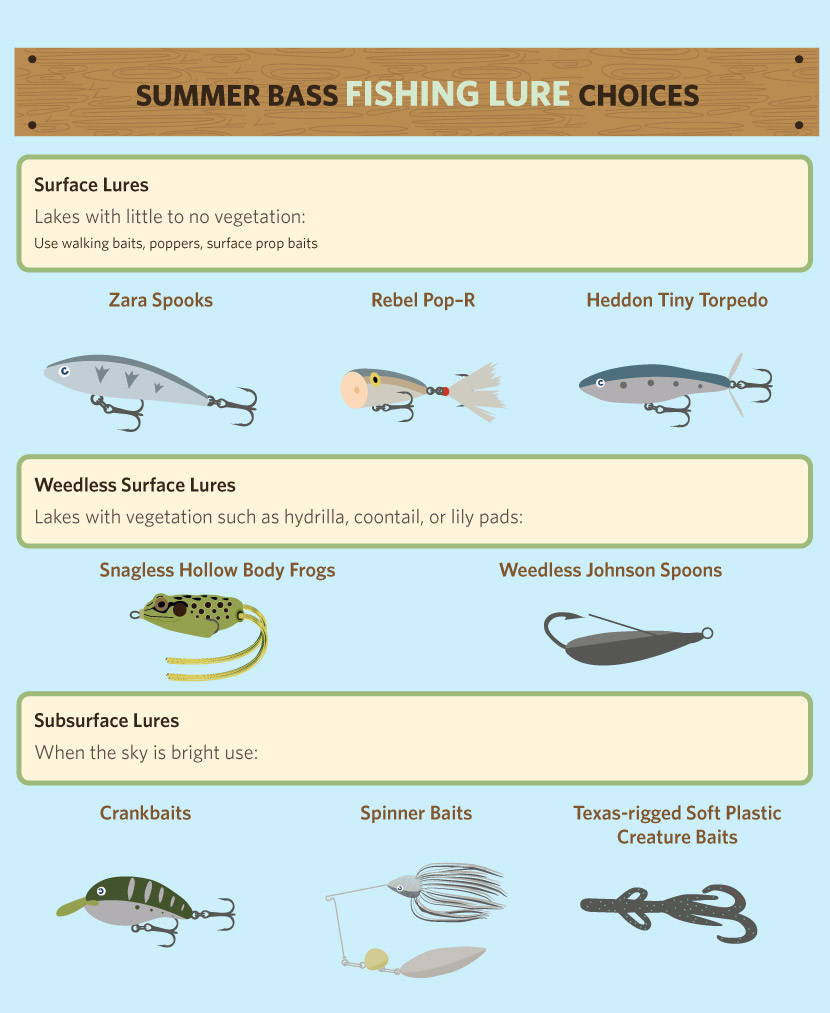
In hot weather, bass seek cooler, deeper water during the day. Early morning and dusk are the best times. Try topwater lures in low light and switch to deep-diving crankbaits or soft plastics as the sun rises.
Fall
Bass feed heavily to prepare for winter. They chase schools of baitfish and become more active. Use moving lures like spinnerbaits and crankbaits. Focus on points, drop-offs, and shallow flats.
Winter
Bass slow down in cold water. They move less and feed less often. Fish slowly with jigs or soft plastics near deep structure. Patience is key during this season.
Weather Considerations
Cloudy days often mean better fishing, as bass are less wary and move more. After a storm or cold front, bass can become sluggish, so slow down your presentation.

Top Bass Fishing Techniques
There’s no single “right” way to catch bass. Here are some proven techniques:
Casting And Retrieving
This is the most common approach. Cast your lure near likely bass spots and retrieve it at varying speeds. Try to imitate the action of natural prey.
Flipping And Pitching
These are short, accurate casts used to place lures quietly in heavy cover like weeds or under docks. Use a heavier rod and braided line for this method.
Drop Shotting
A finesse technique where a soft plastic bait is suspended above the bottom on a special rig. Great for clear water or pressured fish.
Texas Rig And Carolina Rig
Both rigs are used for fishing soft plastics. The Texas rig is weedless and good for thick cover. The Carolina rig keeps your bait just above the bottom and is better for open water.
Topwater Fishing
Few things are as exciting as seeing a bass explode on a surface lure. Use poppers, frogs, or buzzbaits early in the morning or late evening.
Non-obvious Insight
Bass often respond to pauses and changes in retrieve speed. If a steady retrieve isn’t working, add sudden stops or twitches. This can trigger bites from hesitant fish.
Selecting The Best Lures For Bass
Choosing the right lure depends on water conditions, weather, and bass activity. Here’s a breakdown:
| Lure Type | When to Use | Action | Best Water Conditions |
|---|---|---|---|
| Soft Plastic Worms | All year | Wiggly, natural | Clear to stained |
| Crankbaits | Spring, Fall | Fast, erratic | Stained to muddy |
| Spinnerbaits | Windy, overcast | Flashy, vibrating | Muddy |
| Jigs | Winter, heavy cover | Slow, hopping | All |
| Topwater | Early, late | Noisy, splashy | Calm, clear |
Experiment with colors. Bright lures stand out in muddy water, while natural colors work best in clear water. If bass seem uninterested, try switching color or lure type.
Practical Tips For Better Bass Fishing
- Match the hatch: Use lures that imitate local prey.
- Use light line in clear water: Bass can see heavy line in clear conditions.
- Fish quietly: Loud noises can scare bass away from shallow spots.
- Keep moving: If you don’t get bites in 20 minutes, change spots or lures.
- Watch for baitfish: Birds diving or fish jumping often mean bass are nearby.
- Sharpen your hooks: Dull hooks lose fish.
- Take notes: Record what works for you—location, weather, lure color, and time of day.
Many anglers make the mistake of staying in one spot too long. Bass are active predators; if they’re there, you’ll know soon.
Common Mistakes Beginners Make
Understanding what not to do can be as important as following the right steps.
- Using the wrong size gear: Heavy rods and big hooks can scare smaller bass.
- Ignoring the weather: Bass behavior changes with temperature and pressure.
- Fishing too fast: In tough conditions, slow down your lure.
- Not checking your line: Frayed or damaged line leads to lost fish.
- Overlooking simple spots: Sometimes bass are right at your feet, under docks or near shore.
Safety And Conservation
Bass fishing should be enjoyable and respectful. Here’s how to protect yourself and the fish:
- Wear a life jacket when fishing from a boat.
- Handle bass gently: Wet your hands before touching them and support their body.
- Practice catch and release when possible, especially during spawning season.
- Pick up trash and leave the area cleaner than you found it.
Following local fishing regulations is essential. Many states have size and bag limits to keep bass populations healthy. For more details, check the rules for your area or visit an official resource like the U.S. Fish and Wildlife Service.
How To Choose The Right Bass Fishing Spot
Even experienced anglers sometimes struggle to find the best spot. Here’s a practical approach:
Research Before You Go
Check online fishing reports, maps, and forums. Look for lakes or rivers known for bass. Note seasonal patterns—spring and fall often produce the best action.
Explore At The Water
When you arrive, walk the shoreline. Look for:
- Water that’s slightly stained (not too clear or muddy)
- Visible cover (weeds, logs, rocks)
- Points, coves, or inlets
If you have a boat, use a fish finder to spot underwater structure and baitfish schools.
Pay Attention To Signs
Jumping baitfish, ripples, or birds diving can all point to active bass. Trust your senses—sometimes you’ll hear bass feeding before you see them.
Table: Comparing Lake, River, And Pond Bass Fishing
| Water Body | Pros | Cons | Tips |
|---|---|---|---|
| Lake | Large bass, lots of structure | Can be crowded, need a boat | Focus on points, drop-offs |
| River | Active fish, fun currents | Changing water levels | Fish eddies, behind rocks |
| Pond | Easy access, less pressure | Smaller bass, limited space | Fish near cover, early morning |

Improving Your Bass Fishing Skills
To become better at bass fishing, combine learning with practice. Here are some proven ways to speed up your progress:
Fish With Experienced Anglers
Joining a fishing club or going out with a skilled friend will teach you more in a day than weeks on your own. Watch how they cast, choose lures, and adjust to changing conditions.
Keep A Fishing Journal
Record each trip—weather, water temperature, moon phase, location, lure, and results. Over time, you’ll spot patterns that help you catch more bass.
Stay Current With New Techniques
Bass fishing is always evolving. Watch videos, read articles, and follow tournaments. Try out new rigs or lures, even if they seem unusual. Sometimes a fresh approach is what gets results.
Set Realistic Goals
Don’t expect to catch a trophy bass every time. Focus on improvement: casting accuracy, reading water, or learning a new rig. Celebrate small wins, like catching your first bass on a new lure.
Respect The Resource
Healthy lakes and rivers mean better fishing for everyone. Follow size and bag limits, handle fish gently, and support conservation efforts.
Frequently Asked Questions
What Is The Best Time Of Day To Fish For Bass?
The best times are early morning (sunrise to 9 a.m.) and late evening (an hour before sunset until dusk). During these periods, bass move into shallow water to feed. On cloudy days, they may stay active longer.
What’s The Easiest Lure For Beginners?
Soft plastic worms are very effective and easy to use. Rig them Texas style to avoid snags. Slow, steady retrieves often work best. Spinnerbaits are also beginner-friendly and good for covering water quickly.
How Do I Handle Bass Safely For Catch And Release?
Wet your hands before touching the fish. Support the bass under its belly and avoid squeezing. Use needle-nose pliers to remove hooks gently. Hold the fish in the water until it swims away on its own.
How Can I Tell If A Spot Holds Bass?
Look for cover (weeds, logs, rocks), baitfish activity, and water movement like current or wind-blown areas. If you don’t get bites after 15–20 minutes, try a new spot or change your lure.
Do I Need A Boat To Catch Bass?
No, many great bass are caught from shore. Focus on areas with easy access to cover, like docks, fallen trees, or rocky banks. A kayak or canoe can help you reach more spots, but they’re not required.
Whether you’re just starting or looking to improve, remember: bass fishing is a journey. Each trip teaches you something new. Enjoy the process, respect the water, and soon you’ll find yourself landing bigger and more frequent catches.

