

Improving flexibility is not just for athletes or dancers. It benefits everyone, from office workers to seniors. Flexible muscles and joints help you move better, reduce pain, and prevent injuries. If you often feel stiff, struggle to reach your toes, or notice aches after sitting, you may need to work on your flexibility.
Luckily, you can boost flexibility at any age, and you don’t need fancy equipment or a gym membership. This guide will help you understand why flexibility matters, show you proven ways to improve it, and answer common questions. Let’s explore how to make your body move more freely and comfortably.

36% off Today’s Exclusive Deals
Limited-time Exclusive Deals. Check current discount on Amazon.
Check Price on Amazon As an Amazon Associate I earn from qualifying purchases.Why Flexibility Matters
Flexibility is the ability of your muscles and joints to move through their full range. It affects how you walk, lift, bend, and even breathe. Good flexibility helps you:
- Prevent injuries: Flexible muscles can stretch without tearing.
- Reduce pain: Tight muscles cause discomfort in your neck, back, and legs.
- Improve posture: Flexible joints help you stand and sit straight.
- Move efficiently: You use less energy when your body moves easily.
- Boost sports performance: Athletes need flexibility to run, jump, and twist.
According to the American College of Sports Medicine, flexibility training improves daily function and reduces injury risk. People who stretch regularly report less muscle soreness and faster recovery after exercise.
Common Signs Of Poor Flexibility
Many people do not realize they have poor flexibility. Watch for these signs:
- Difficulty touching your toes or reaching overhead
- Stiffness after waking up or sitting
- Trouble twisting your neck or back fully
- Frequent muscle tightness or cramps
If you notice any of these, your flexibility may need improvement.
Main Factors Affecting Flexibility
Flexibility depends on several things. Some are under your control, while others are not.
| Factor | Impact on Flexibility | Can You Improve It? |
|---|---|---|
| Age | Flexibility decreases as you get older | No, but you can slow the decline |
| Gender | Women are usually more flexible than men | No, but both can improve |
| Activity level | Active people are more flexible | Yes |
| Muscle temperature | Warm muscles stretch better | Yes |
| Previous injuries | Scar tissue reduces flexibility | Sometimes |
| Genetics | Some people are naturally flexible | No, but training helps |
While you cannot change your age or genes, you can make your muscles more flexible with regular practice.
Types Of Flexibility Training
Not all stretching is the same. Understanding different methods helps you choose the best approach.
| Type | Description | Best For |
|---|---|---|
| Static Stretching | Hold a stretch for 10–60 seconds | After exercise, increasing range |
| Dynamic Stretching | Move joints through their range (e.g., arm circles) | Warm-up, preparing muscles |
| PNF Stretching | Stretch, contract, relax (often with a partner) | Advanced flexibility, rehab |
| Yoga | Combine stretching, balance, breathing | Overall flexibility, stress relief |
| Pilates | Core strength and flexibility exercises | Balanced flexibility, posture |
Most beginners start with static and dynamic stretching. As you progress, you can add PNF, yoga, or Pilates.
How To Improve Flexibility: Proven Steps
Improving flexibility takes time and consistency. Here’s how to get started and make lasting progress.
1. Warm Up First
Never stretch cold muscles. Warm up with light activity for 5–10 minutes. Good options are:
- Walking or jogging in place
- Jumping jacks
- Arm swings
Warming up increases blood flow and muscle temperature. This helps you stretch more safely.
2. Start With Dynamic Stretching
Before exercise or activity, use dynamic stretches. Move your joints through their natural range. Examples include:
- Leg swings
- Hip circles
- Shoulder rolls
Dynamic stretching prepares your body for movement and reduces injury risk.
3. Use Static Stretching After Activity
After exercise, use static stretches. Hold each stretch for 15–60 seconds. Focus on major muscle groups:
- Hamstrings (back of thigh)
- Quadriceps (front of thigh)
- Calves
- Back and shoulders
Repeat each stretch 2–4 times. Relax and breathe deeply.
4. Stretch Regularly
Flexibility improves with regular practice. Aim for:
- 2–3 days per week minimum
- 10–15 minutes per session
- Stretch all major muscle groups
You can stretch daily if you like. Consistency matters more than intensity.
5. Use Proper Technique
Avoid bouncing or forcing a stretch. Move slowly and gently. Stop if you feel sharp pain. Proper technique prevents injury and makes stretching effective.
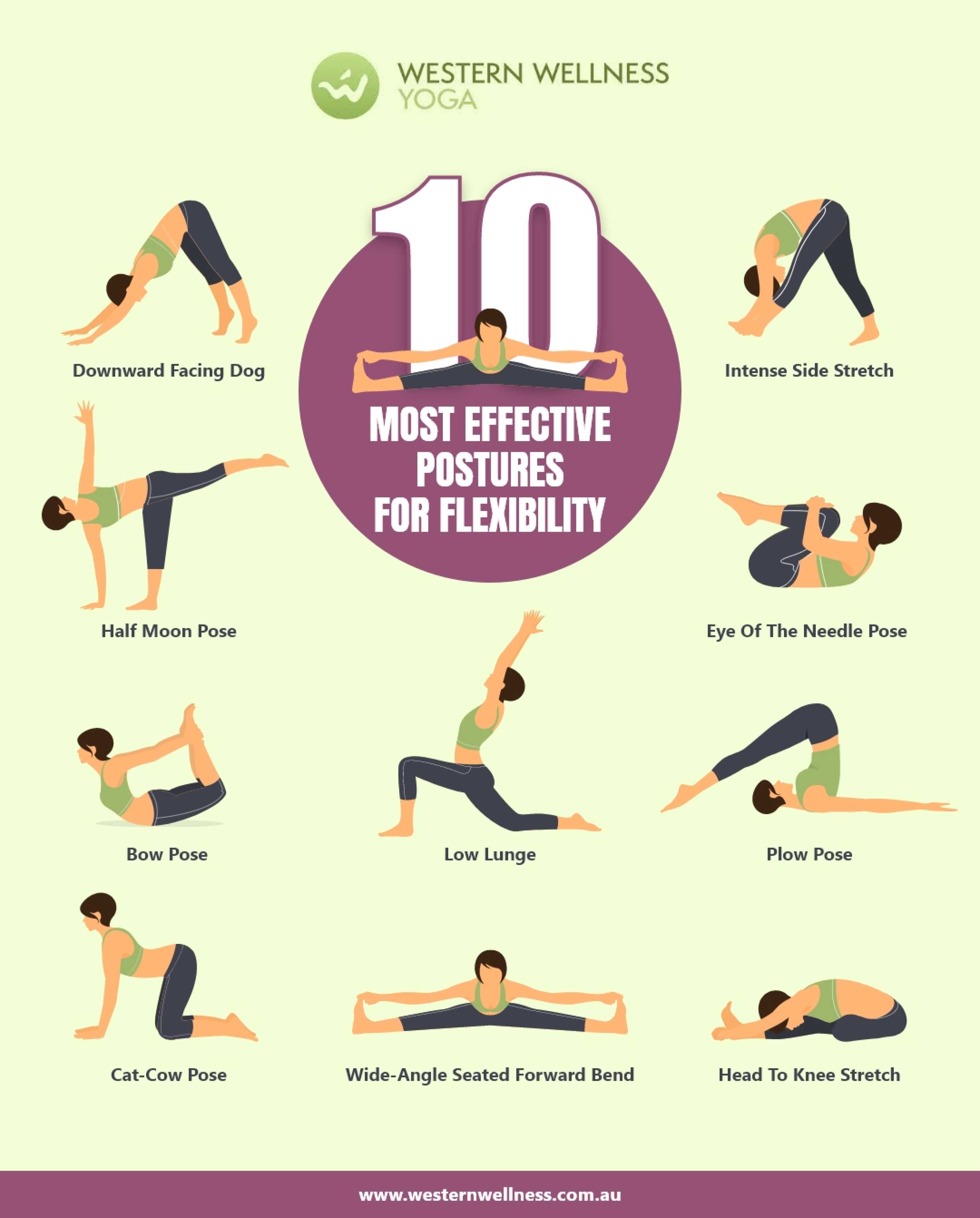
6. Include Yoga Or Pilates
Yoga and Pilates are excellent for flexibility. They combine stretching, strength, and balance. Even one class per week can improve flexibility and reduce stress.
7. Try Pnf Stretching
PNF (Proprioceptive Neuromuscular Facilitation) is advanced. It involves stretching, contracting the muscle, then relaxing. Studies show PNF increases flexibility faster than static stretching. If possible, work with a trainer or partner.
8. Stay Hydrated
Dehydration makes muscles stiff. Drink enough water, especially before and after stretching. This helps muscles move smoothly.
9. Listen To Your Body
Some discomfort is normal, but pain is not. If a stretch hurts, stop. You may need to adjust your position or use a gentler stretch.
10. Track Your Progress
Keep a record of your stretching routine and improvements. Note how far you can reach or how comfortable you feel. Tracking helps you stay motivated and notice results.
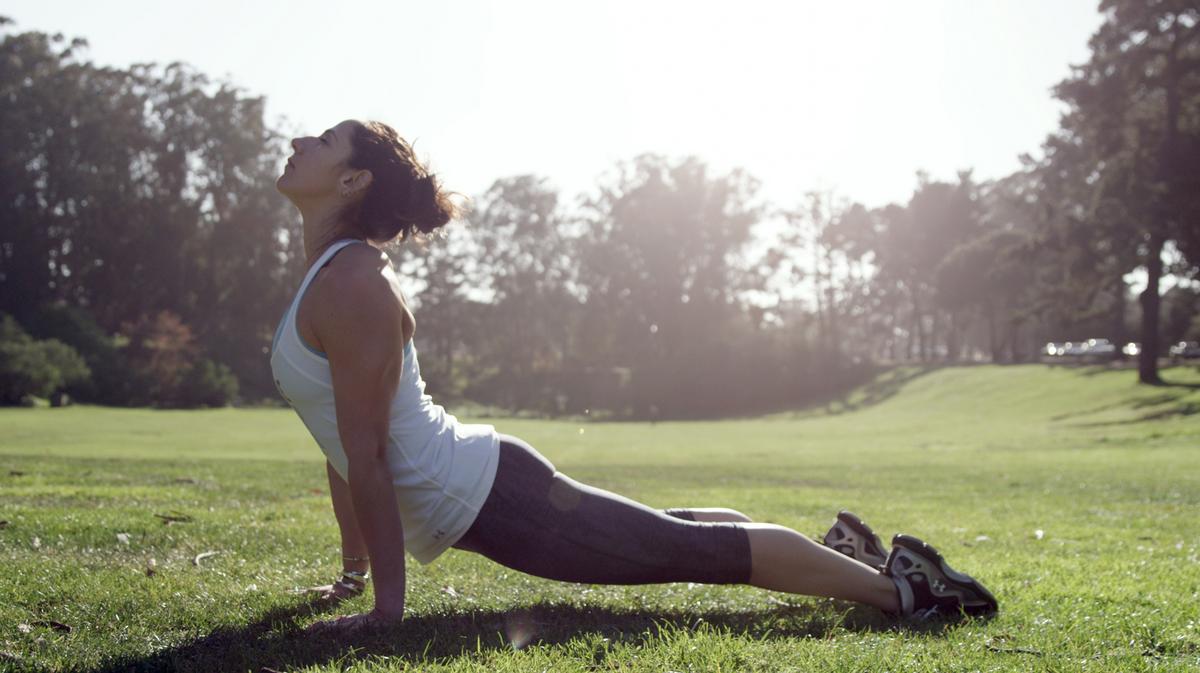
Sample Flexibility Routine For Beginners
If you’re new to stretching, start with a simple routine. This plan works for most people and takes about 15 minutes.
- Warm-up (5 minutes): Walk in place or do light aerobic activity.
- Dynamic stretches (2–3 minutes): Arm circles, leg swings, hip rotations.
- Static stretches (8–10 minutes): Hold each stretch for 20–30 seconds, repeat twice.
- Hamstring stretch: Sit with one leg straight, reach for your toes.
- Quadriceps stretch: Stand, pull your ankle toward your buttock.
- Calf stretch: Lean against a wall, keep one leg straight.
- Shoulder stretch: Pull one arm across your chest.
- Back stretch: Lie on your back, pull knees toward chest.
Remember to breathe deeply and relax. Do this routine 3 times per week.
Measuring Your Flexibility Progress
Improvement takes time, but you can measure it. Here are common ways to check your flexibility:
| Test | How to Do It | What It Shows |
|---|---|---|
| Sit-and-Reach Test | Sit on the floor, legs straight, reach forward | Hamstring and lower back flexibility |
| Shoulder Flexibility Test | Reach one hand over your shoulder, other behind your back | Shoulder joint mobility |
| Trunk Rotation Test | Sit upright, rotate your upper body | Spine mobility |
| Toe Touch Test | Stand, bend forward, try to touch your toes | Overall flexibility |
Test your flexibility once a month. Record your results and aim for steady improvement.
Common Mistakes When Improving Flexibility
Beginners often make mistakes that slow progress or cause injury. Here are some to avoid:
- Skipping warm-up: Stretching cold muscles increases injury risk.
- Bouncing: Jerky movements can tear muscle fibers.
- Overstretching: Pushing too hard causes pain and damage.
- Ignoring pain: Stretching should not hurt. Adjust if needed.
- Inconsistency: Doing a few stretches once a month will not help.
- Poor technique: Bad form leads to injury and less progress.
Focus on slow, gentle movements. Make stretching a habit, not a chore.
Advanced Tips For Faster Flexibility Gains
If you want to improve faster or reach a higher level, try these advanced tips:
- Stretch after every workout: Muscles are warm and respond better.
- Add foam rolling: Using a foam roller releases tight spots (trigger points).
- Mix stretching types: Combine static, dynamic, PNF, and yoga.
- Use proper breathing: Deep breaths help muscles relax.
- Get professional guidance: A trainer or physical therapist can design a custom plan.
Advanced stretching is not just about longer holds. It’s about smarter routines and listening to your body.
Flexibility And Age: What Changes?
Flexibility decreases with age. This is due to less movement, changes in muscle and joint structure, and dehydration. But older adults can still improve flexibility.
- Older adults benefit from gentle stretching: Focus on slow movements and longer holds.
- Chair or wall support: Use for balance and safety.
- Regular practice: Even 10 minutes per day makes a difference.
A study from the National Institutes of Health found that seniors who stretch regularly maintain better mobility and independence.
Flexibility For Different Lifestyles
Office Workers
Sitting all day causes tight hips, back, and neck. Office workers should:
- Stand and stretch every hour
- Do neck and shoulder rolls
- Stretch hip flexors and hamstrings
Athletes
Athletes need flexibility to prevent injuries and improve performance. They should:
- Use dynamic stretching before training
- Static stretching after workouts
- Include sport-specific stretches
Seniors
Seniors should focus on gentle, safe stretches. Chair yoga and assisted stretching are good options. Avoid fast or risky movements.
Nutrition And Flexibility
What you eat affects your muscles and joints. For best flexibility:
- Stay hydrated: Water keeps muscles elastic.
- Eat enough protein: Helps repair muscles.
- Include omega-3 fats: Reduce joint stiffness (found in fish, walnuts).
- Vitamins C and E: Help collagen production for healthy tissues.
Poor nutrition slows flexibility progress. Balanced meals and snacks make a big difference.
Real-life Examples And Success Stories
Example 1: Office Worker
Maria, age 32, works at a desk. She started stretching every morning and after work. In three months, she could touch her toes and felt less back pain.
Example 2: Senior
John, age 67, joined a chair yoga class. After six weeks, he could twist and reach further, walk more easily, and felt more confident.
Example 3: Runner
David, age 24, added dynamic stretches before his runs and static stretches after. He noticed fewer muscle cramps and improved his running speed.
These stories show that anyone can improve flexibility, regardless of age or lifestyle.

Comparing Yoga, Pilates, And Regular Stretching
Some people wonder which method is best. Here’s a quick comparison.
| Method | Flexibility Benefits | Other Benefits | Best For |
|---|---|---|---|
| Yoga | Excellent (whole body, slow progress) | Stress relief, balance, breathing | All ages, stress reduction |
| Pilates | Good (core-focused, balanced) | Strength, posture | Core strength, posture improvement |
| Regular Stretching | Varies (targeted, fast gains possible) | Quick, easy to learn | Busy people, beginners |
Choose the method that suits your goals and schedule. Mixing different types can give the best results.
How Long Does It Take To Improve Flexibility?
Most people notice changes in 2–4 weeks with regular practice. But progress depends on:
- Starting level
- Age
- Consistency
- Stretching method
A study found that people who stretched three times per week improved their hamstring flexibility by 20% in one month. If you want faster results, stretch daily and combine methods.
Non-obvious Insights For Beginners
- Flexibility is not just about muscles: Your joints, tendons, and even skin affect how far you can move. For example, scar tissue from old injuries can limit movement.
- Mental stress tightens muscles: Stress causes your body to tense up, reducing flexibility. Stretching combined with deep breathing helps relax both mind and muscles.
Most beginners focus only on muscles. But improving flexibility means caring for your whole body and mind.
Frequently Asked Questions
What Is The Best Time Of Day To Stretch?
The best time is when your muscles are warm. Many people stretch after exercise or in the evening. Stretching in the morning can help reduce stiffness, but always warm up first.
How Much Should Stretching Hurt?
Stretching should never be painful. You should feel mild discomfort, not sharp pain. If you feel pain, stop and adjust your stretch. Listen to your body.
Can I Improve Flexibility Without Exercise?
Yes, you can improve flexibility with stretching alone. However, being active helps muscles stay warm and elastic, making stretching easier.
How Often Should I Stretch To See Results?
Aim for at least 2–3 times per week. Daily stretching brings faster results. Consistency is more important than duration.
Is Yoga Better Than Regular Stretching?
Yoga is excellent for flexibility, especially for the whole body. It also improves balance and reduces stress. Regular stretching is faster and easier for targeted muscles. Both methods work well—choose what suits you.
Closing Thoughts
Flexibility is a foundation for healthy movement, better posture, and less pain. Improving it is simple but takes commitment. Whether you are young, old, active, or sedentary, you can boost your flexibility with regular stretching, proper technique, and healthy habits. Remember to warm up, use different stretching methods, and listen to your body. Results come with time and consistency. If you want more scientific details, visit the Wikipedia page on flexibility. Start today, and enjoy a more comfortable, mobile life.

