

Replacing your windshield wipers might seem simple, but many drivers delay this task or do it incorrectly. If you’ve ever struggled to see clearly during a rainstorm, you know how important fresh wiper blades are. In fact, the National Highway Traffic Safety Administration (NHTSA) reports that poor visibility plays a role in about 25% of weather-related accidents. Learning how to change your wipers can save you money, improve safety, and even boost your confidence as a car owner. Let’s break down the process, explain the details, and share practical advice so you can handle this task like a pro.
Why Windshield Wipers Matter
Windshield wipers are not just for rainy days. They help clear away dirt, bugs, snow, and even leaves. Over time, the rubber on wiper blades cracks, hardens, or wears out. When that happens, wipers leave streaks, make squeaking sounds, or fail to clean your windshield properly. You might notice reduced visibility or glare at night, which is both annoying and dangerous.

36% off Today’s Exclusive Deals
Limited-time Exclusive Deals. Check current discount on Amazon.
Check Price on Amazon As an Amazon Associate I earn from qualifying purchases.Many people ignore the signs of worn wipers. Some think wipers last as long as the car itself, but the truth is most blades need replacing every 6 to 12 months. If you drive in harsh weather or use your wipers often, you might need new blades even sooner.
Signs You Need New Windshield Wipers
Knowing when to change your wipers is as important as knowing how. Here are the most common signs:
- Streaks or missed spots on your windshield
- Squeaking or chattering noises during use
- Bent or damaged blades
- Visible cracks or tears in the rubber
- Wipers stick or skip across the glass
If you notice any of these, it’s time for new blades. Don’t wait until you’re caught in a heavy storm — replace them before problems start.
Choosing The Right Windshield Wipers
Before you begin, you need to pick the right wipers for your car. This step is often overlooked, but it’s key to a smooth replacement process.
Types Of Wiper Blades
There are three main types:
| Type | Features | Best For |
|---|---|---|
| Conventional | Metal frame, standard rubber | Most vehicles, budget-friendly |
| Beam | Flexible, no exposed frame | Modern cars, harsh weather |
| Hybrid | Mix of beam and conventional | All-around performance |
How To Find The Correct Size
Each car model uses a different wiper size. You can:
- Check your owner’s manual
- Look for the size on the current wiper blade
- Use an online tool from auto parts stores
Wiper blades are measured in inches. For example, your car may need a 22-inch driver’s side and a 19-inch passenger’s side blade. Never guess—wrong size wipers won’t clean the glass properly and might not fit.
Buying Tips
- Always buy a matching pair if possible.
- Consider all-weather or winter blades if you live in a snowy area.
- Don’t forget the rear wiper if your car has one.
Non-obvious tip: Some cars use different sizes for each side. Mixing up left and right can lead to poor coverage.
Preparing For Replacement
Changing wiper blades doesn’t require special tools, but preparation makes it easier.
What You’ll Need
- New wiper blades
- Clean towel
- Glass cleaner (optional)
- Gloves (optional)
Safety First
- Turn off your car and make sure the wipers are not running.
- Lift the wiper arm gently away from the windshield. Never let it snap back—this can crack the glass.
Non-obvious tip: If your wipers are frozen to the glass, thaw them with warm water before lifting.
Step-by-step Guide: How To Replace Windshield Wipers
Let’s walk through the process. It’s simple, but details matter.
Step 1: Remove The Old Wiper Blade
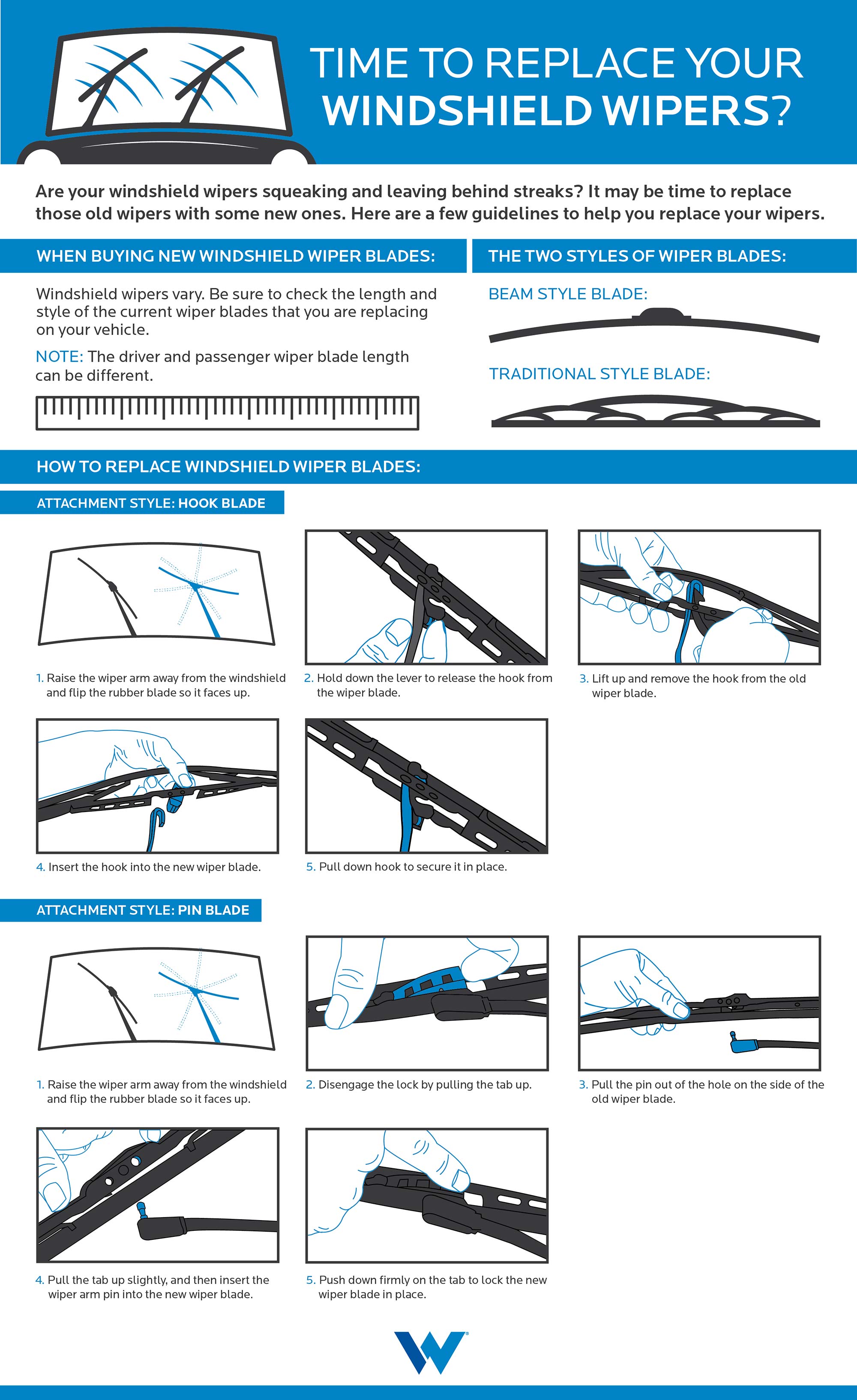
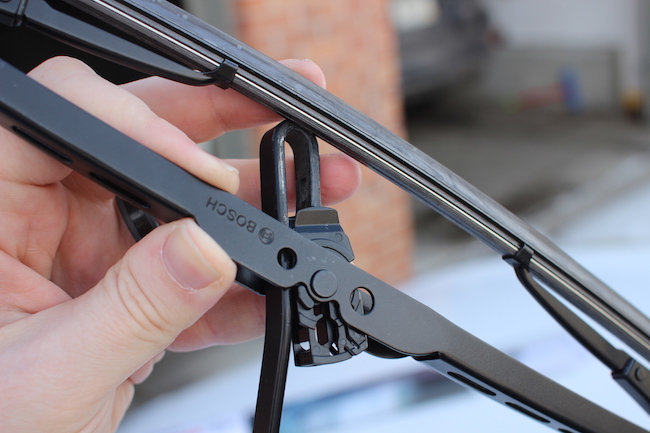
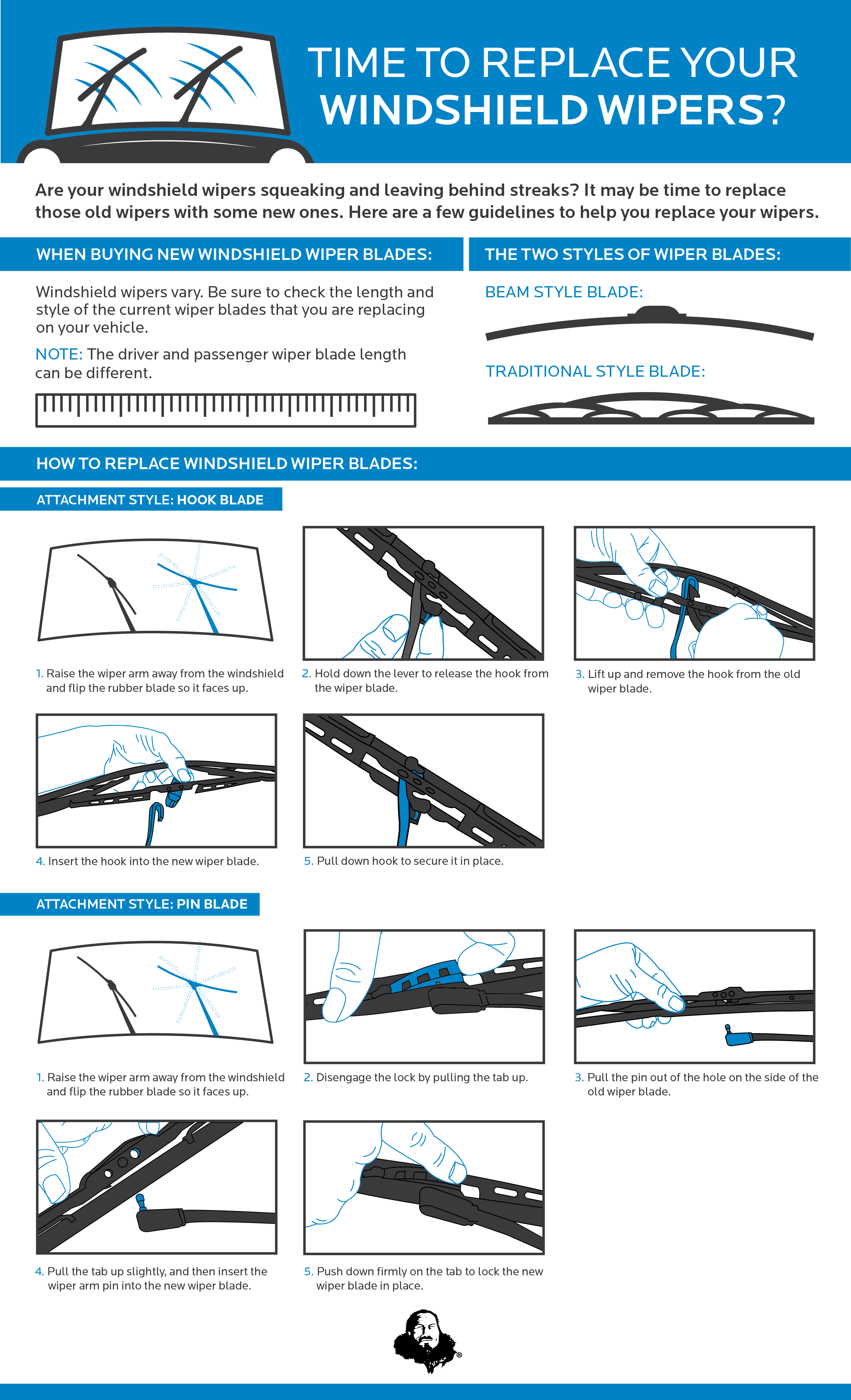
Most wipers attach with a hook, pin, or bayonet connection. The hook type is most common.
- Lift the wiper arm away from the windshield.
- Find the release tab or button. It’s usually near the center of the blade.
- Press the tab and slide the blade downwards (toward the base of the arm).
- Carefully remove the blade from the arm. Avoid bending or twisting.
If you’re unsure, look at the instructions on the packaging or check your car’s manual.
Step 2: Attach The New Wiper Blade
- Align the new blade with the wiper arm. The hook or connector should match.
- Slide or snap the new blade into place until you hear a click.
- Double-check that the blade is secure. Give it a gentle tug.
Some blades come with adapters for different wiper arms. If your new blade doesn’t fit right away, try using the adapter included in the package.
Step 3: Lower The Wiper Arm
- Carefully lower the wiper arm back onto the windshield.
- Repeat the process for the other wiper.
Step 4: Test Your New Wipers
- Start your car and spray windshield washer fluid.
- Turn on the wipers and check for smooth, streak-free wiping.
If the wipers skip, squeak, or leave streaks, check the installation. Make sure the blades are locked in place and the rubber is touching the glass evenly.
Example: Replacing Hook-type Wipers
Most cars use hook-type arms. Here’s a quick example for this type:
- Lift the arm.
- Rotate the blade so it’s perpendicular to the arm.
- Press the release tab.
- Slide the old blade off.
- Slide the new blade on until it clicks.
- Lower the arm.
Common Mistakes To Avoid
- Forgetting to check blade size before buying.
- Letting the wiper arm snap back onto the windshield.
- Installing the blade backward or upside down.
- Not testing the wipers after replacement.
Comparing Windshield Wiper Brands
With many brands on the market, choosing the right one can feel overwhelming. Here’s a comparison of popular options:
| Brand | Average Price (Pair) | Durability (Months) | Weather Performance |
|---|---|---|---|
| Bosch ICON | $35 | 12-18 | Excellent |
| Rain-X Latitude | $30 | 9-12 | Good |
| Valeo Ultimate | $28 | 10-14 | Very Good |
| Trico Exact Fit | $25 | 8-12 | Good |
If you drive often in heavy rain or snow, investing in a premium brand makes sense. For mild climates, budget-friendly blades can work well.
Weather Considerations For Wipers
Wiper blades react differently to heat, cold, and humidity. Here’s how weather affects their lifespan and performance:
Hot Weather
- Rubber dries out faster, causing cracks.
- Blades may stick to the glass if parked in direct sunlight.
Cold Weather
- Ice and snow can freeze blades to the glass.
- Winter blades are thicker and resist freezing.
Wet And Humid Climates
- Frequent use wears blades faster.
- Mold and mildew can form on blades if not cleaned.
Practical tip: If you live in extreme weather, check your wipers every 3 months.
Cleaning And Maintaining Your Windshield Wipers
Replacing wipers is important, but regular cleaning extends their life. Dirty blades can leave streaks even if they’re new.
How To Clean Wiper Blades
- Mix mild soap with water.
- Dip a towel in the solution.
- Wipe the rubber edge of each blade.
- Rinse with clean water and dry.
Cleaning Frequency
- Clean blades once a month.
- Wipe the windshield weekly to remove dirt and bugs.
Maintenance Tips
- Inspect blades for damage every time you wash your car.
- If you see buildup, clean it before it gets worse.
When To Call A Professional
Most drivers can change wipers themselves. However, you should seek help if:
- The wiper arms are bent or broken.
- You can’t remove the old blade.
- The wipers don’t work after replacement.
Some newer cars use complex wiper systems that need special tools. If you’re unsure, ask a mechanic or visit a dealership.
Rear And Specialty Wipers
Many SUVs and hatchbacks have a rear wiper. The process is similar, but the blade is often smaller and attaches differently.
Rear Wiper Replacement
- Lift the rear wiper arm.
- Locate the release mechanism.
- Slide the old blade off.
- Attach the new blade until it clicks.
Tip: Rear wipers are used less often, but should still be replaced every year.
Specialty Wipers
Some cars use specialty blades (like curved or split wipers). Always check the manufacturer’s instructions.
How Often Should You Replace Windshield Wipers?
Experts recommend changing wipers every 6 to 12 months. Here’s a breakdown:
| Condition | Recommended Replacement |
|---|---|
| Normal driving | Every 12 months |
| Heavy rain/snow | Every 6 months |
| Extreme heat/cold | Every 6-9 months |
| Frequent off-road | Every 6 months |
Interesting insight: Some drivers forget about wipers until they fail during bad weather. Mark your calendar or set a phone reminder to check them regularly.
Cost Of Windshield Wiper Replacement
Replacing wipers is affordable, especially compared to the cost of poor visibility accidents.
- DIY replacement: $15–$40 for a pair
- Professional service: $25–$60 (including labor)
- Premium blades: Up to $40 per blade
You can save money by buying blades during sales or online.
Environmental Impact Of Windshield Wipers
Millions of wiper blades are thrown away each year. Most are made of synthetic rubber and metal, which don’t biodegrade easily.
Disposal Tips
- Check for recycling programs at auto stores.
- Remove metal from blades before recycling.
- Don’t throw blades in regular trash if possible.
Some brands now offer eco-friendly blades, made from natural rubber or recycled materials.
Extra Advice For Beginners
Changing wipers isn’t just about swapping rubber. Here are two insights beginners usually miss:
- Check the wiper arm spring: If the spring is weak, the blade won’t press against the glass firmly. You may need to replace the arm, not just the blade.
- Inspect windshield condition: Deep scratches or chips can damage new blades quickly. Repair the glass if needed before installing new wipers.
If you struggle with the process, watch a video or ask for help. Most auto stores will install blades for free if you buy them there.
Frequently Asked Questions
How Do I Know Which Wiper Blades Fit My Car?
Check your owner’s manual or use the size chart at auto parts stores. You can also find online guides on sites like AutoZone.
Can I Mix Different Brands Or Types Of Wiper Blades?
It’s possible, but not recommended. Mixing brands can lead to uneven wiping and strange noises. For best results, use the same type and brand for both sides.
Do Expensive Wiper Blades Work Better Than Cheap Ones?
Premium blades usually last longer and perform better in harsh conditions. However, for mild climates or light use, budget blades can be effective. Compare features and reviews before buying.
What Should I Do If My Wipers Still Leave Streaks After Replacement?
Clean the windshield and wiper blades. If streaks persist, check for installation errors or damage. Sometimes, the issue is with the windshield itself, not the blade.
Can I Replace Windshield Wipers Myself Or Do I Need A Mechanic?
Most people can replace wipers themselves with no tools. If your wipers are unusual or you’re unsure, ask for help at an auto store or visit a mechanic.
Replacing windshield wipers is a simple job that makes a big difference. With the right blades, proper technique, and regular checks, you’ll enjoy clear views and safer driving all year. Don’t wait for rain or snow to remind you—take charge of your car’s visibility today.

