Training a dog is more than teaching simple commands. It’s a journey that shapes behavior, builds trust, and improves life for both you and your pet. Whether your dog is a playful puppy or a mature adult, proper training helps prevent unwanted behavior and creates a strong bond.
Many owners start without knowing the best methods, leading to frustration and confusion. This article will guide you through proven strategies to train your dog, address common challenges, and help you achieve lasting results.

36% off Today’s Exclusive Deals
Limited-time Exclusive Deals. Check current discount on Amazon.
Check Price on Amazon As an Amazon Associate I earn from qualifying purchases.Understanding Dog Training Basics
Dog training involves teaching your pet to respond to commands and behave well in various situations. Training is not just about obedience; it’s about communication. Dogs learn differently than humans, and understanding this is key to success.
Why Train Your Dog?
Training brings several benefits:
- Safety: A well-trained dog is less likely to run away or get into dangerous situations.
- Bonding: Training builds a strong relationship between you and your dog.
- Behavior: It reduces unwanted actions like chewing, barking, or jumping.
- Mental Health: Dogs enjoy learning and feel happier when mentally stimulated.
According to the American Kennel Club, trained dogs are more likely to stay in their homes and less likely to be surrendered to shelters.
How Dogs Learn
Dogs learn through association. If a behavior leads to a reward, your dog will repeat it. This is called positive reinforcement. For example, if your dog sits and receives a treat, it will sit more often. Negative reinforcement and punishment are less effective and may cause fear or confusion.
Most experts recommend positive reinforcement as the safest and most reliable method.
Preparing For Dog Training
Before you start training, some preparation is needed. This ensures you set clear goals and avoid common mistakes.
Choosing The Right Training Method
There are several training methods, but not all are suitable for every dog.
- Positive Reinforcement: Reward good behavior with treats, praise, or toys.
- Clicker Training: Use a clicker to mark the exact moment your dog behaves correctly.
- Model-Rival Training: Show your dog another dog or person performing the desired action.
- Balanced Training: Combine rewards and mild corrections (but avoid harsh punishment).
Most modern trainers prefer positive reinforcement because it’s safe and effective.
| Method | Reward-Based | Punishment-Based | Popularity |
|---|---|---|---|
| Positive Reinforcement | Yes | No | High |
| Clicker Training | Yes | No | Medium |
| Balanced Training | Yes | Yes | Low |
Setting Up The Environment
Train your dog in a quiet place with few distractions. Keep sessions short—about 10–15 minutes—to avoid boredom. Remove toys and other pets during training. Use healthy treats that your dog loves but doesn’t get often.
Getting The Right Tools
Some helpful tools include:
- Treats: Soft, small, and tasty
- Clicker: For marking correct behavior
- Leash and Collar: For safety and control
- Training Mat: Teaches your dog to settle
Avoid using choke collars or harsh tools. They can cause injury and fear.
Step-by-step Dog Training Guide
Training your dog is best done in clear steps. Here’s a proven approach:
1. Teaching Basic Commands
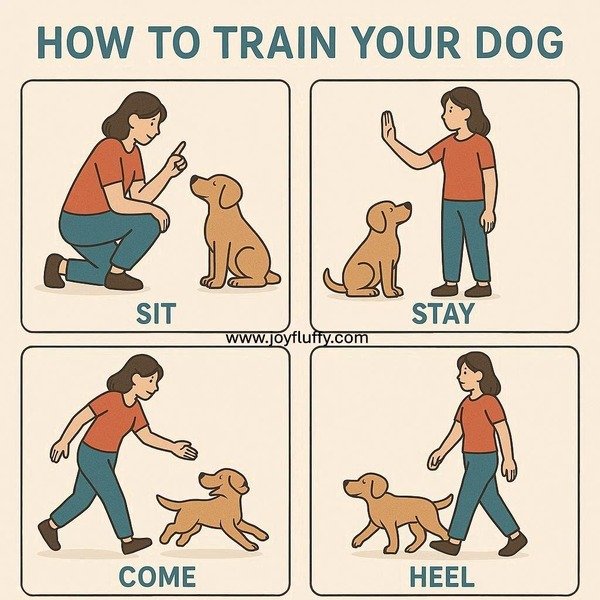
Start with essential commands. They help you control your dog and keep it safe.
Sit
Hold a treat above your dog’s head. Move it back so your dog’s nose follows and its bottom lowers. When your dog sits, give the treat and say “sit. ” Repeat until your dog understands.
Stay
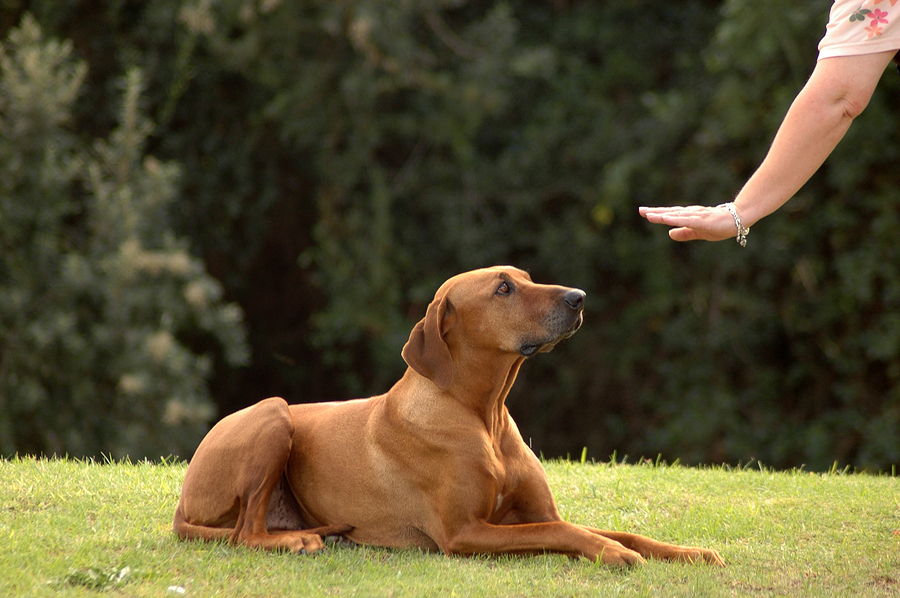
Ask your dog to sit. Hold your hand out and say “stay. ” Step back, then return and reward your dog. Increase the distance and time slowly. Practice daily.
Come
Attach a leash. Say “come” and gently pull your dog toward you. Reward with a treat and praise. Gradually remove the leash as your dog learns.
Down
Hold a treat to your dog’s nose, then move it to the ground. Your dog will follow and lie down. Say “down” and give the treat.
Leave It
Show your dog a treat in your hand. Say “leave it. ” When your dog looks away or ignores it, reward with a different treat. This command prevents eating harmful objects.
2. House Training
House training is crucial for puppies and newly adopted dogs.
Crate Training
A crate is a safe place for your dog. It helps with house training and prevents accidents.
- Choose a crate large enough for your dog to stand and turn.
- Place bedding and toys inside.
- Make the crate positive—never use it for punishment.
- Let your dog enter the crate willingly and reward with treats.
Scheduling
Take your dog outside:
- First thing in the morning
- After meals
- After naps
- Before bedtime
Praise your dog every time it eliminates outside.
3. Socialization
Socialization means exposing your dog to new people, animals, and places. It prevents fear and aggression.
- Start early, between 3–14 weeks for puppies.
- Introduce your dog to different environments, noises, and surfaces.
- Use treats and praise to reward calm behavior.
Dogs that lack socialization may develop phobias or react aggressively.
4. Walking On A Leash
Walking calmly on a leash is important. Many dogs pull, but this can be corrected.
- Use a harness for comfort.
- Hold the leash short, but not tight.
- When your dog pulls, stop walking.
- Wait for your dog to return to your side, then continue.
- Repeat every time your dog pulls.
This method teaches your dog that pulling does not get rewards.
5. Addressing Problem Behaviors
Some dogs develop habits like barking, chewing, or jumping. Address these with patience and consistency.
Barking
Ignore unwanted barking. Reward your dog when it is quiet. Teach the “quiet” command by saying it when your dog stops barking and giving a treat.
Chewing
Give your dog plenty of chew toys. If your dog chews something wrong, redirect to a toy and praise.
Jumping
Teach your dog to sit before greeting people. Ignore jumping and reward sitting.
6. Advanced Training
Once your dog knows basic commands, move to advanced skills.
- Heel: Your dog walks beside you without pulling.
- Recall: Your dog comes when called, even in distractions.
- Tricks: Teach fun actions like roll over, shake, or fetch.
Advanced training improves focus and keeps your dog mentally active.
Practical Tips For Success
Dog training requires patience and practice. Here are proven tips:
- Consistency: Use the same words and gestures for commands.
- Short Sessions: Keep training sessions brief.
- Patience: Dogs learn at their own pace. Don’t rush.
- Reward Immediately: Give treats right after good behavior.
- Socialize Often: Regular exposure to new things prevents fear.
- Avoid Punishment: Harsh corrections can damage trust.
- Keep It Fun: Play games and celebrate progress.
Common Mistakes To Avoid
Even experienced owners make errors. Watch out for these:
- Inconsistent Commands: Using different words confuses your dog.
- Too Many Distractions: Start in a quiet place.
- Punishing Mistakes: Ignore errors and reward correct actions.
- Skipping Socialization: Dogs need to meet new people and animals.
Many beginners forget to reward immediately. Dogs live in the moment—delayed rewards don’t help.
Training Puppies Vs Adult Dogs
Puppies learn quickly but can be distracted. Adult dogs may have set habits but can still learn.
| Age | Learning Speed | Challenges | Tips |
|---|---|---|---|
| Puppy | Fast | Short attention span | Use play and frequent breaks |
| Adult | Medium | Set habits | Be patient and consistent |
Both puppies and adults benefit from positive reinforcement. Older dogs may take longer but can learn new behaviors.
The Role Of Breed And Personality
Some breeds learn faster than others. For example, Border Collies are known for their intelligence and respond well to training. Bulldogs may be more stubborn and need extra patience.
Personality matters too. Shy dogs need gentle training, while energetic dogs require extra exercise. Adjust your approach based on your dog’s needs.
| Breed | Training Difficulty | Energy Level |
|---|---|---|
| Border Collie | Low | High |
| Bulldog | Medium | Low |
| Labrador Retriever | Low | Medium |
| Shih Tzu | High | Low |
Knowing your dog’s breed helps set realistic expectations.
When To Seek Professional Help
Some behaviors are hard to fix alone. If your dog shows aggression, extreme fear, or refuses to learn, contact a professional trainer. Look for certified trainers with experience and positive methods.
The Association of Professional Dog Trainers can help you find qualified experts in your area. Professional help is especially important for:
- Aggression towards people or animals
- Severe separation anxiety
- Unusual phobias
Data And Statistics On Dog Training
Research shows that positive reinforcement is the most effective training method. According to a study by the University of Pennsylvania, dogs trained with rewards show fewer behavioral problems than those trained with punishment.
Key statistics:
- 85% of owners report improved behavior using positive reinforcement.
- Dogs trained early are 60% less likely to develop aggression.
- The average time to train a basic command is 7 days with daily practice.
These figures underline the importance of starting early and using proven methods.
Real-life Examples
Many owners have transformed their dogs through training.
- Lucy, a rescued Labrador, learned to walk calmly on a leash after two weeks of positive reinforcement training. Her owner used treats and patience, avoiding punishment.
- Max, a stubborn Bulldog, was aggressive with other dogs. After working with a professional trainer and using gradual socialization, Max became friendly and relaxed.
These examples show that patience and the right methods make a difference.
Non-obvious Insights
Some tips are rarely discussed but can help:
- Timing is Everything: Dogs respond best when rewarded within 2 seconds of the correct behavior. If you wait longer, your dog may not understand what you’re rewarding.
- Your Mood Matters: Dogs sense your emotions. If you’re stressed, your dog may feel anxious and less willing to learn. Stay calm and positive during training.
Another overlooked factor is routine. Dogs thrive on predictable schedules. Training at the same time each day helps your dog focus.
Frequently Asked Questions
How Long Does It Take To Train A Dog?
Most dogs learn basic commands within 1–2 weeks with daily practice. Advanced skills may take months. Puppies usually learn faster, but patience is key for all ages.
What Treats Are Best For Dog Training?
Use soft, small treats that your dog loves. Avoid fatty or salty treats. Chicken, cheese, or commercial training treats work well. Change treats to keep your dog motivated.
Can You Train An Old Dog?
Yes! Older dogs may take longer but can learn new behaviors. Use patience, consistency, and positive reinforcement. Many senior dogs enjoy training and mental stimulation.
What If My Dog Doesn’t Respond To Training?
Check your environment and methods. Remove distractions, use high-value treats, and keep sessions short. If problems continue, seek help from a certified trainer.
Is Punishment Ever Effective In Dog Training?
Most experts advise against punishment. It can cause fear and damage trust. Positive reinforcement is safer and more effective for lasting results. For more information, visit the American Kennel Club.
Final Thoughts
Training your dog takes time, patience, and the right approach. By understanding how dogs learn and using positive methods, you can teach basic commands, address problems, and build a strong bond. Remember to start early, stay consistent, and adjust your approach for your dog’s breed and personality.
If challenges arise, professional trainers can help. The journey may be slow, but every step forward strengthens your relationship and improves your dog’s life. With the right guidance, any dog can become a well-behaved companion.