

Embarking on a jungle trekking adventure is both exciting and challenging. Dense forests, unpredictable weather, and rugged terrain test your body and mind like few other activities. Whether you are exploring the Amazon, trekking through Southeast Asia, or venturing into Africa, proper preparation is key. Many beginners underestimate the demands of jungle trekking, thinking it’s just an extended walk. However, the jungle environment is unique: humidity, heat, slippery paths, and wild animals all add complexity. Training for this kind of trek isn’t only about building fitness. It’s about adapting your body, preparing your mind, and learning essential skills for survival and safety. With the right approach, you can transform your jungle trek into a memorable and rewarding experience.
Understanding Jungle Trekking Demands
Jungle trekking is not your typical hike. The environment is harsh and unpredictable. You’ll face muddy trails, dense vegetation, and steep climbs. The air is thick with humidity, making even simple movements harder. Dehydration and exhaustion are common risks.

36% off Today’s Exclusive Deals
Limited-time Exclusive Deals. Check current discount on Amazon.
Check Price on Amazon As an Amazon Associate I earn from qualifying purchases.Studies show that trekking in tropical forests can increase your heart rate by 10-20% compared to hiking in temperate climates. For example, a 2018 survey found that trekkers in the Amazon burned up to 500 calories per hour, about 25% higher than standard mountain hiking.
Key Physical Demands
- Endurance: Expect to walk for hours, sometimes days, carrying your gear.
- Strength: You’ll need strong legs to climb, balance, and step over obstacles.
- Flexibility: Quick movements and stretching help avoid injuries.
- Balance: Trails are often slippery, with uneven surfaces.
Mental Challenges
The jungle is noisy, hot, and sometimes claustrophobic. You may have to deal with insects, wild animals, and uncertain paths. Mental toughness is just as important as physical fitness.
Building Physical Fitness
Training your body for a jungle trek requires a mix of endurance, strength, and flexibility. Begin preparing at least 2-3 months before your adventure.
Cardio Training
Start with cardiovascular exercises to build stamina. Jogging, brisk walking, cycling, and swimming are effective. Aim for 30-60 minutes, 3-5 times per week.
- Trail Running: Mimics uneven terrain and builds leg strength.
- Stair Climbing: Prepares you for uphill sections.
Strength And Core Workouts
Your legs, back, and core muscles need to be strong for carrying a pack and moving through rough terrain. Exercises like squats, lunges, deadlifts, and planks are essential.
| Exercise | Muscle Group | Recommended Sets/Reps |
|---|---|---|
| Squats | Legs/Glutes | 3×15 |
| Lunges | Legs/Core | 3×12 |
| Deadlifts | Back/Legs | 3×10 |
| Planks | Core | 3×30 seconds |
Flexibility And Balance Training
Yoga and stretching routines improve flexibility and reduce the risk of injuries. Practice dynamic stretching before workouts and static stretching after. Balance exercises, such as single-leg stands or using a balance board, help you navigate slippery and uneven ground.
Preparing For Environmental Challenges
The jungle brings unique conditions. Training your body to handle heat, humidity, and rain is crucial.
Acclimatization
If you live in a cool climate, acclimatize to heat and humidity. Start exercising outdoors in warmer conditions. Wear extra layers to simulate jungle heat.
Hydration And Nutrition
Dehydration is a major risk. Learn to drink water regularly, even when not thirsty. Include electrolyte drinks during long workouts. Eat a balanced diet with plenty of complex carbohydrates, lean protein, and healthy fats.
| Food Type | Benefits | Examples |
|---|---|---|
| Complex Carbs | Long-lasting energy | Brown rice, oats |
| Lean Protein | Muscle repair | Chicken, tofu |
| Healthy Fats | Energy reserves | Nuts, olive oil |
| Electrolytes | Prevent cramps | Bananas, electrolyte drinks |
Practice With Gear
Train while carrying your trekking pack. Start with light loads and gradually increase weight to match what you’ll carry in the jungle (usually 20-30 lbs). This helps your body adapt and prevents surprises during the trek.
Essential Skills For Jungle Survival
Physical training alone isn’t enough. You need practical skills to handle emergencies, navigation, and basic survival.
Navigation Skills
Learn to read maps and use a compass. Practice orienteering in local parks or forests. GPS devices are useful, but don’t rely solely on them—signal loss is common in dense jungles.
First Aid Training
Take a basic first aid course. Know how to treat cuts, insect bites, dehydration, and heat exhaustion. Pack a small first aid kit and practice using it.
River And Water Crossing
Jungle treks often include crossing rivers or streams. Practice walking through shallow water, and learn to judge depth and current. Wear shoes with good grip and practice safety techniques.
Wildlife Awareness
Study the animals and insects found in your trekking area. Learn how to avoid snake bites, deal with leeches, and recognize dangerous plants. Sometimes, simple actions—like shaking out shoes and clothes—can prevent bites.
Mental Preparation And Resilience
Jungle trekking tests your mind as much as your body. Mental training can make the difference between enjoying your adventure and feeling overwhelmed.
Stress Management
Practice mindfulness and deep breathing techniques. These help you stay calm during stressful situations, such as getting lost or facing bad weather.
Visualization
Visualize yourself successfully completing the trek. Picture difficult sections and imagine overcoming them. This builds confidence and reduces anxiety.
Group Dynamics
If trekking with others, practice teamwork. Learn basic communication and conflict resolution skills. The jungle can strain relationships—being prepared helps everyone stay positive.
Packing And Gear Preparation
Selecting the right gear is essential. It affects your comfort, safety, and performance.
Clothing
Wear lightweight, moisture-wicking clothing. Avoid cotton, which absorbs sweat and dries slowly. Choose long sleeves and pants for protection from insects and plants.
- Rain jacket: Essential for sudden showers.
- Hat: Protects from sun and rain.
- Quick-dry socks: Prevent blisters.
Footwear
Invest in sturdy, waterproof hiking boots with good ankle support. Break them in before your trek to avoid blisters.
Backpack
Use a comfortable, adjustable backpack. It should fit your torso and distribute weight evenly. Practice packing and walking with it.
Essential Items
- Water bottles or hydration packs
- Insect repellent
- First aid kit
- Map and compass
- Multi-tool or knife
- Headlamp or flashlight
Packing Tips
Pack light, but bring essentials. Use packing cubes or dry bags to organize gear and keep items dry. Put heavy items low and close to your back for balance.
Safety And Health Precautions
Safety is a top priority in the jungle. Even experienced trekkers face risks. Prepare for emergencies and stay healthy.
Vaccinations And Health Checks
Check which vaccines are needed for your destination. Common ones include typhoid, hepatitis A and B, and malaria prevention. Get a health check before your trip.
Emergency Planning
Know the nearest medical facilities and emergency contacts. Share your trekking plan with someone reliable. Carry a whistle for signaling in case of trouble.
Disease Prevention
Jungles often harbor mosquitoes and parasites. Use mosquito nets and repellents. Avoid drinking untreated water—use purification tablets or filters.
Common Jungle Injuries
- Blisters and foot injuries
- Cuts and scrapes
- Dehydration and heat exhaustion
- Insect bites and stings
Learn basic treatment and prevention for each.
Training Schedule And Progress Tracking
A structured training plan helps you build fitness gradually and avoid injury.
Sample 8-week Training Plan
| Week | Cardio | Strength | Flexibility | Skill Practice |
|---|---|---|---|---|
| 1-2 | 30 min walk/jog x 3 | Basic bodyweight x 2 | Stretching x 3 | Navigation basics |
| 3-4 | 40 min hike x 3 | Weighted squats x 2 | Yoga x 2 | First aid practice |
| 5-6 | 50 min hike x 4 | Backpack training x 2 | Balance drills x 2 | River crossing |
| 7-8 | 60 min trek x 5 | Full pack training x 2 | Dynamic stretching x 2 | Wildlife awareness |
Tracking Progress
Keep a training journal. Record workouts, distances, and notes on how you feel. Adjust your plan if you notice fatigue or injury. Celebrate milestones to stay motivated.

Real-life Examples And Insights
Experienced jungle trekkers often share valuable lessons. Here are two insights many beginners overlook:
- Foot care matters more than you think: Wet conditions cause blisters fast. Dry your feet whenever possible, change socks often, and apply anti-blister creams.
- Don’t underestimate mental fatigue: Navigating confusing trails and constant vigilance for insects drain your energy. Schedule regular breaks, even if you feel fine.
A 2019 study found that trekkers who prepared mentally and physically had 60% fewer injuries and completed their journeys more successfully.
Comparing Jungle Trekking With Other Trekking Types
Understanding how jungle trekking differs helps tailor your preparation.
| Feature | Jungle Trekking | Mountain Trekking | Desert Trekking |
|---|---|---|---|
| Humidity | High | Low/Variable | Very low |
| Terrain | Muddy, uneven | Rocky, steep | Sandy, flat |
| Wildlife | Dense, varied | Sparse | Minimal |
| Navigation | Difficult | Moderate | Easy |
| Health Risks | Disease, insects | Altitude sickness | Dehydration |

Important Mistakes To Avoid
Many beginners make critical errors that can ruin their trek.
- Underestimating the environment: Jungle conditions are tougher than they appear.
- Ignoring hydration: Dehydration happens quickly due to humidity.
- Packing too much: Heavy packs slow you down and cause fatigue.
- Not breaking in footwear: New boots cause blisters and discomfort.
- Skipping skill practice: Navigation and first aid are vital but often ignored.
- Neglecting mental training: Anxiety and stress can undermine your trip.
Avoid these mistakes for a safer and more enjoyable trek.
Resources For Further Learning
For in-depth information about jungle trekking safety and tips, visit the Wikipedia page on Jungle Trekking. It offers useful links and guides for preparing your adventure.
Frequently Asked Questions
How Long Should I Train Before A Jungle Trek?
Most experts recommend training for at least 8 weeks. This gives you time to build endurance, strength, and skills. If you’re starting from a low fitness level, add extra weeks.
What Gear Is Essential For Jungle Trekking?
Essential gear includes waterproof boots, a rain jacket, insect repellent, hydration system, and a first aid kit. Don’t forget a map, compass, and lightweight, moisture-wicking clothing.
How Do I Prevent Dehydration In The Jungle?
Drink water regularly, even if not thirsty. Use electrolyte drinks to replace minerals lost through sweat. Carry enough water or purification tools, as natural sources may be unsafe.
Are Jungle Treks Safe For Beginners?
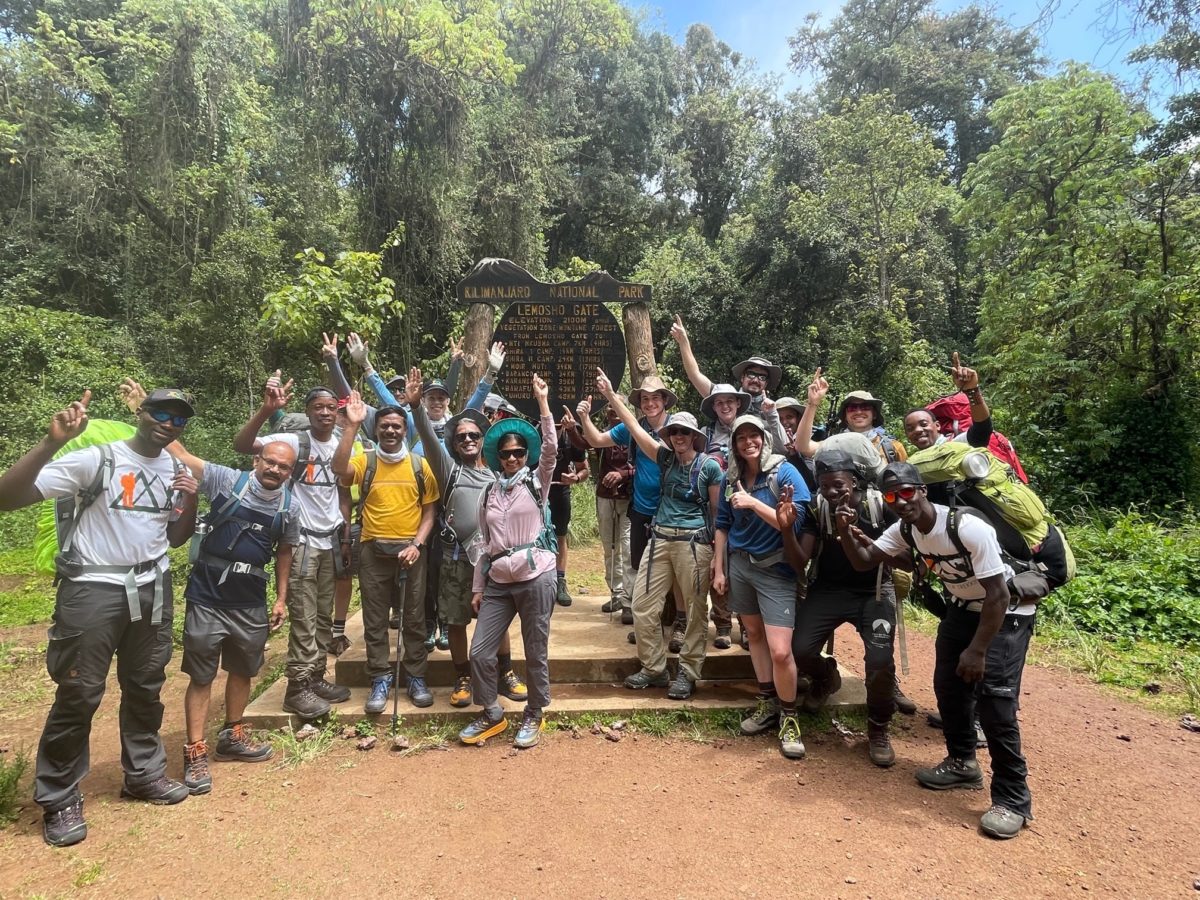
Jungle treks can be safe if you train properly, prepare well, and go with a guide or experienced group. Start with shorter treks and build experience before attempting longer routes.
What Should I Do If I Encounter Wild Animals?
Stay calm and avoid sudden movements. Back away slowly, don’t run, and follow local advice for the specific animal. Carrying a whistle or making noise can deter some animals.
Preparing for a jungle trekking adventure takes commitment and careful planning. With the right training, gear, and mindset, you’ll be ready to face the jungle’s challenges and enjoy its wonders. Remember, every trek is a learning experience—embrace the journey and stay safe.

