

Stepping onto a treadmill can feel intimidating at first, especially if you’re new to gyms or exercise machines. But treadmills are actually one of the easiest and safest ways to start improving your fitness. Whether you want to walk, jog, or run, a treadmill lets you control the speed, incline, and distance in a comfortable indoor environment.
With the right approach, you can use a treadmill for weight loss, endurance, heart health, or simply to stay active when the weather outside isn’t great. This guide will help you understand everything about using a treadmill—how to set it up, use it correctly, avoid mistakes, and make your workouts more effective.

36% off Today’s Exclusive Deals
Limited-time Exclusive Deals. Check current discount on Amazon.
Check Price on Amazon As an Amazon Associate I earn from qualifying purchases.Understanding Treadmill Basics
Before you hop on, it’s important to know what a treadmill is and how it works. A treadmill is a machine with a moving belt that you walk or run on. It usually has a control panel with buttons to adjust speed and incline. Some models also track your distance, calories, heart rate, and time.
Most treadmills have safety features, like an emergency stop button and a safety clip. The clip attaches to your clothes; if you fall or step off suddenly, it pulls the cord and stops the machine.
Types Of Treadmills
There are two main types:
- Manual treadmills: These require your movement to turn the belt. They’re cheap and simple, but harder to use for running.
- Motorized treadmills: The belt moves automatically, powered by a motor. You can easily control speed and incline. Most gyms and homes use these.
Key Features To Know
- Speed settings: Usually range from 0.5 mph (slow walk) to over 12 mph (fast run).
- Incline: Adjusts the angle, simulating walking uphill.
- Display panel: Shows data like time, distance, calories, heart rate.
- Safety key: Stops the machine if you fall.
These features let you customize your workout and track your progress.
Preparing To Use A Treadmill
Preparation is crucial for safety and results. Many beginners skip these steps and later regret it.
Dress Properly
Wear comfortable clothing and proper shoes with good grip and support. Avoid loose pants that could catch in the belt, and never use flip-flops or sandals.
Warm Up First
A good warm-up helps prevent injuries. Spend 5–10 minutes doing simple movements—marching in place, gentle stretching, or light walking. This gets your muscles ready for the treadmill.
Hydrate
Drink water before starting, but avoid drinking too much. Keep a water bottle nearby for sips during your workout.
Check The Machine
Make sure the treadmill is plugged in and the belt is centered. Attach the safety clip to your clothes. Test the emergency stop button so you know how it works.
Step-by-step Guide To Using A Treadmill
Now, let’s walk through the process of using a treadmill for the first time. Follow these steps for a safe and effective experience.
- Step onto the treadmill: Stand on the side rails first. Don’t step onto the moving belt.
- Start the machine: Press the ‘Start’ button. The belt will begin moving slowly.
- Begin walking: Step carefully onto the belt and hold the handrails for balance. Start with a slow speed (1–2 mph).
- Adjust speed: Once you feel comfortable, increase speed gradually. Let go of the handrails when you feel stable.
- Change incline: If you want a challenge, slowly increase the incline. Start with 1–2%, which feels like a gentle hill.
- Monitor your stats: Watch your time, distance, heart rate, and calories.
- Cool down: Near the end, reduce speed to a gentle walk for 5 minutes. This helps your body recover.
Example Beginner Workout
Here’s a simple treadmill routine for beginners (30 minutes):
- 5 minutes: Warm-up walk (1.5 mph, 0% incline)
- 20 minutes: Walk or jog (2–4 mph, 1–2% incline)
- 5 minutes: Cool down (1.5 mph, 0% incline)
This routine is easy to follow and helps build confidence.
Key Controls And Functions Explained
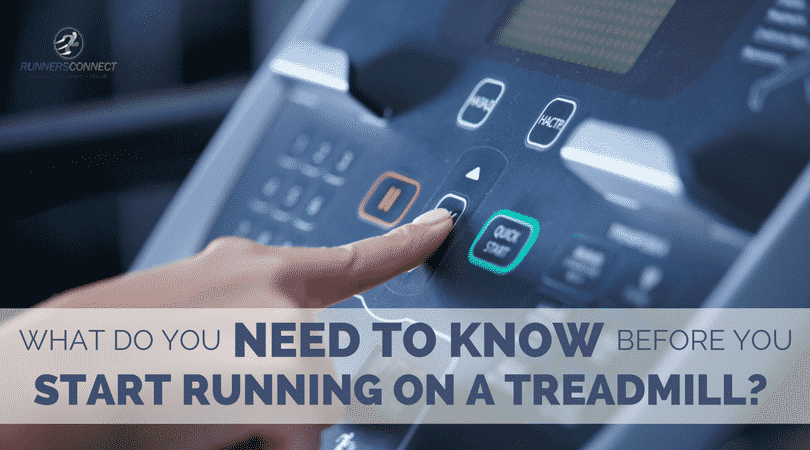
Treadmill control panels can look complicated, but most only have a few key buttons. Understanding these will help you customize your workout.
Common Controls
- Start/Stop: Turns the machine on or off.
- Speed up/down: Adjusts how fast the belt moves.
- Incline up/down: Changes the slope.
- Program buttons: Some treadmills have preset workouts (fat burn, cardio, intervals).
- Emergency stop: Stops the treadmill instantly.
Display Panel Data
Most treadmills show:
- Time elapsed
- Distance traveled
- Calories burned
- Heart rate (if you hold sensors or wear a chest strap)
Knowing your data helps you track progress and set goals.
Safety Features
The safety key and emergency stop button are essential. Always attach the clip and know how to use the stop button.
Setting Goals And Tracking Progress
Using a treadmill is more effective if you have clear goals. Setting targets helps you stay motivated and see improvements.
Common Treadmill Goals
- Weight loss: Aim for 30–60 minutes, 3–5 times per week, at moderate intensity.
- Cardio endurance: Gradually increase speed and distance over time.
- Muscle tone: Use incline to work your legs and glutes.
How To Track Progress
Keep a workout journal. Write down your speed, distance, time, and how you feel after each session. You can also use treadmill display data or fitness apps.
Example Progress Table
Here’s how you might track your treadmill workouts:
| Date | Time (min) | Distance (mi) | Speed (mph) | Incline (%) | Notes |
|---|---|---|---|---|---|
| 2024-06-01 | 30 | 2.1 | 2.5 | 1 | Felt good |
| 2024-06-04 | 35 | 2.5 | 2.7 | 2 | More tired |
| 2024-06-07 | 40 | 3.0 | 3.0 | 2 | Improved stamina |
Tracking progress shows you how much you improve over time.
Making Your Treadmill Workout Effective
Just walking or running on a treadmill is not enough for most goals. To get the best results, use these strategies.
Mix Up Your Routine
Doing the same workout every day gets boring and can stop results. Change your speed, incline, and workout type.
- Interval training: Alternate fast and slow speeds.
- Hill workouts: Use incline for short periods.
- Reverse walking: Carefully walk backward (at low speed) to work different muscles.
Use Programs
Many treadmills have built-in programs. Try the fat burn, cardio, or interval programs. These adjust speed and incline automatically.
Example Interval Workout Table
See how intervals can change your workout:
| Time (min) | Speed (mph) | Incline (%) | Description |
|---|---|---|---|
| 0–5 | 2.0 | 0 | Warm-up |
| 5–10 | 3.5 | 2 | Fast walk |
| 10–12 | 2.0 | 0 | Slow walk |
| 12–17 | 4.0 | 3 | Jog |
| 17–20 | 2.5 | 0 | Cool down |
Intervals burn more calories and improve endurance.
Listen To Your Body
Don’t push through pain. If you feel dizzy, weak, or have chest pain, stop immediately. Adjust the speed or incline if you feel tired.

Common Mistakes To Avoid
Even experienced treadmill users make mistakes. Avoid these to stay safe and get better results.
Holding The Handrails Too Much
Holding the rails reduces calorie burn and makes your workout easier. Use them only for balance when starting or changing speed.
Starting Too Fast
Many beginners crank up the speed right away. Start slow and build up gradually. This prevents injuries.
Skipping Warm-up And Cool Down
Going from zero to fast pace is risky. Always warm up and cool down for at least 5 minutes.
Wrong Footwear
Running in shoes without support can cause joint pain. Use proper running shoes.
Ignoring Safety Features
Never forget the safety clip. One slip can cause serious injury.
Advanced Tips For Treadmill Users
Once you’re comfortable, these tips will help you get more from your treadmill workouts.
Use Heart Rate Zones
Many treadmills have sensors or you can use a chest strap. Aim for 60–80% of your maximum heart rate for fat burning and cardio fitness.
Try Running Apps
Apps like Zwift or Nike Run Club can sync with treadmills and make workouts fun with virtual routes and challenges.
Change Incline For Strength
Increasing incline strengthens your calves, glutes, and hamstrings. Try short bursts at 5–8% incline for muscle tone.
Incorporate Strength Moves
Some treadmills allow you to pause and do exercises like lunges, squats, or push-ups. This adds variety and strength training.
Real Example: Weight Loss Success
A study from the American Council on Exercise found that people who used treadmills for interval workouts lost 20% more weight over 12 weeks compared to those who did steady walking.

Comparing Treadmill Workouts Vs. Outdoor Running
Is treadmill running as good as running outside? Both have pros and cons. Here’s a comparison to help you decide:
| Factor | Treadmill | Outdoor |
|---|---|---|
| Weather | Controlled | Varies |
| Impact | Softer belt | Hard surfaces |
| Incline | Adjustable | Natural hills |
| Calories burned | Slightly less | Slightly more |
| Safety | High | Lower (traffic, terrain) |
Outdoor running burns slightly more calories because of wind resistance, but treadmills are safer and gentler on joints.
Treadmill Maintenance And Care
Taking care of your treadmill keeps it running smoothly and prevents accidents.
Clean The Machine
Wipe the belt and control panel after every use. Sweat can cause damage or make the surface slippery.
Lubricate The Belt
Every few months, add treadmill lubricant under the belt. This reduces friction and extends the life of the machine.
Check Parts Regularly
Look for loose bolts, worn belts, or electrical issues. Fix problems quickly.
Example Maintenance Schedule
| Task | Frequency | Notes |
|---|---|---|
| Wipe down | After each use | Use damp cloth |
| Lubricate belt | Every 3 months | Follow manual |
| Check bolts | Monthly | Tighten if loose |
| Inspect belt | Quarterly | Look for wear |
Proper maintenance prevents costly repairs and keeps you safe.
How Treadmills Improve Health
Using a treadmill regularly brings many benefits. Some are obvious, but others are less known.
Cardiovascular Health
Walking or running raises your heart rate and strengthens your heart. It lowers the risk of heart disease and stroke.
Weight Loss
A 30-minute treadmill session burns 200–400 calories, depending on speed and incline. Consistent workouts help you lose fat.
Joint Safety
Treadmills have softer surfaces than concrete. This reduces impact on knees, hips, and ankles.
Mental Health
Exercise releases endorphins—natural chemicals that improve mood and reduce stress. Regular treadmill use can help fight depression and anxiety.
Non-obvious Insights
- Using incline trains your body for real hills and boosts calorie burn without extra speed.
- Short, frequent sessions (15–20 minutes) are often more sustainable than long workouts.
Frequently Asked Questions
How Fast Should I Set The Treadmill?
Start with a walking speed (1–2 mph). For jogging, 3–5 mph is common. Experienced runners use 6+ mph. Adjust to your comfort level and goals.
Is Using A Treadmill Better Than Walking Outside?
Both are effective. Treadmills are safer, especially in bad weather. Outdoor walking burns slightly more calories and uses different muscles because of terrain.
Can I Use A Treadmill Every Day?
Yes, but listen to your body. Beginners should start with 3–5 times per week. If you use it daily, vary your speed and intensity to prevent overuse injuries.
What Should I Do If I Feel Dizzy Or Tired?
Stop the treadmill immediately. Step off carefully. Drink water and rest. If dizziness continues, consult a doctor.
How Do I Clean My Treadmill?
Wipe the surface with a damp cloth after each use. Avoid harsh chemicals. Lubricate the belt every few months. Check your treadmill manual for specific cleaning tips. For more details, visit WebMD.
Using a treadmill is one of the simplest ways to start exercising and improving your health. With careful preparation, proper use, and regular maintenance, you can make treadmill workouts safe, effective, and enjoyable. Set clear goals, track your progress, and avoid common mistakes.
Whether you want to walk, jog, or run, the treadmill can help you reach your fitness targets—rain or shine.

