

Most often a clogged needle, empty reservoir, or air pocket stops water flow.
I have fixed dozens of Keurig machines and written guides for home baristas. This article explains Keurig Coffee Maker Troubleshooting No Water Coming Out with clear steps you can use today. You will learn how to find the cause, run tests, clean parts, and decide when to call support. The advice comes from hands-on experience and clear diagnostics that save time and money.

36% off Today’s Exclusive Deals
Limited-time Exclusive Deals. Check current discount on Amazon.
Check Price on Amazon As an Amazon Associate I earn from qualifying purchases.
Why No Water Comes Out: Common Causes
Keurig Coffee Maker Troubleshooting No Water Coming Out usually has a few common reasons. Short checks often find the problem in minutes.
- Reservoir is empty or not seated correctly. A misaligned tank stops water flow.
- Water filter is clogged or old. Blocked filters slow or stop water.
- Brew head needles are clogged with grounds or scale. Tiny holes cause big flow problems.
- Air in the water line (air pocket). Air can block the pump.
- Faulty pump or valve. Mechanical failures prevent water movement.
- Mineral scale build-up inside the machine. Hard water creates deposits that block passages.
These problems are simple to test. Try the quick checks below before you buy parts.
Step-by-Step Keurig Coffee Maker Troubleshooting No Water Coming Out
Follow these steps in order. They go from fastest to more involved fixes.
- Step 1: Check the water reservoir. Make sure it has water and sits firmly in place.
- Step 2: Remove and rinse the water filter. Try running the machine without the filter to test flow.
- Step 3: Inspect the bottom of the reservoir for debris. Clean with a soft cloth.
- Step 4: Run a cold water-only brew cycle. Do not insert a K-Cup. This tests pump action.
- Step 5: Clear the brew needle. Use a paper clip or the Keurig cleaning tool to remove blockages.
- Step 6: Perform a manual prime. Unplug, fill reservoir, press and hold brew buttons for 10 seconds while plugged in to purge air.
- Step 7: Descale if you see scale or slow flow. Use a manufacturer-approved descaler or vinegar following a safe ratio.
- Step 8: Test with a different outlet and power cord if available. Power issues can mimic pump failure.
- Step 9: If no water still flows, listen for the pump. If silent, the pump may need replacement.
- Step 10: Contact support or a technician if the machine hums but won’t push water. Internal valves or PCB may be faulty.
These steps cover most situations where Keurig Coffee Maker Troubleshooting No Water Coming Out is needed. Follow them patiently and test after each step.

Parts to Check and How They Fail
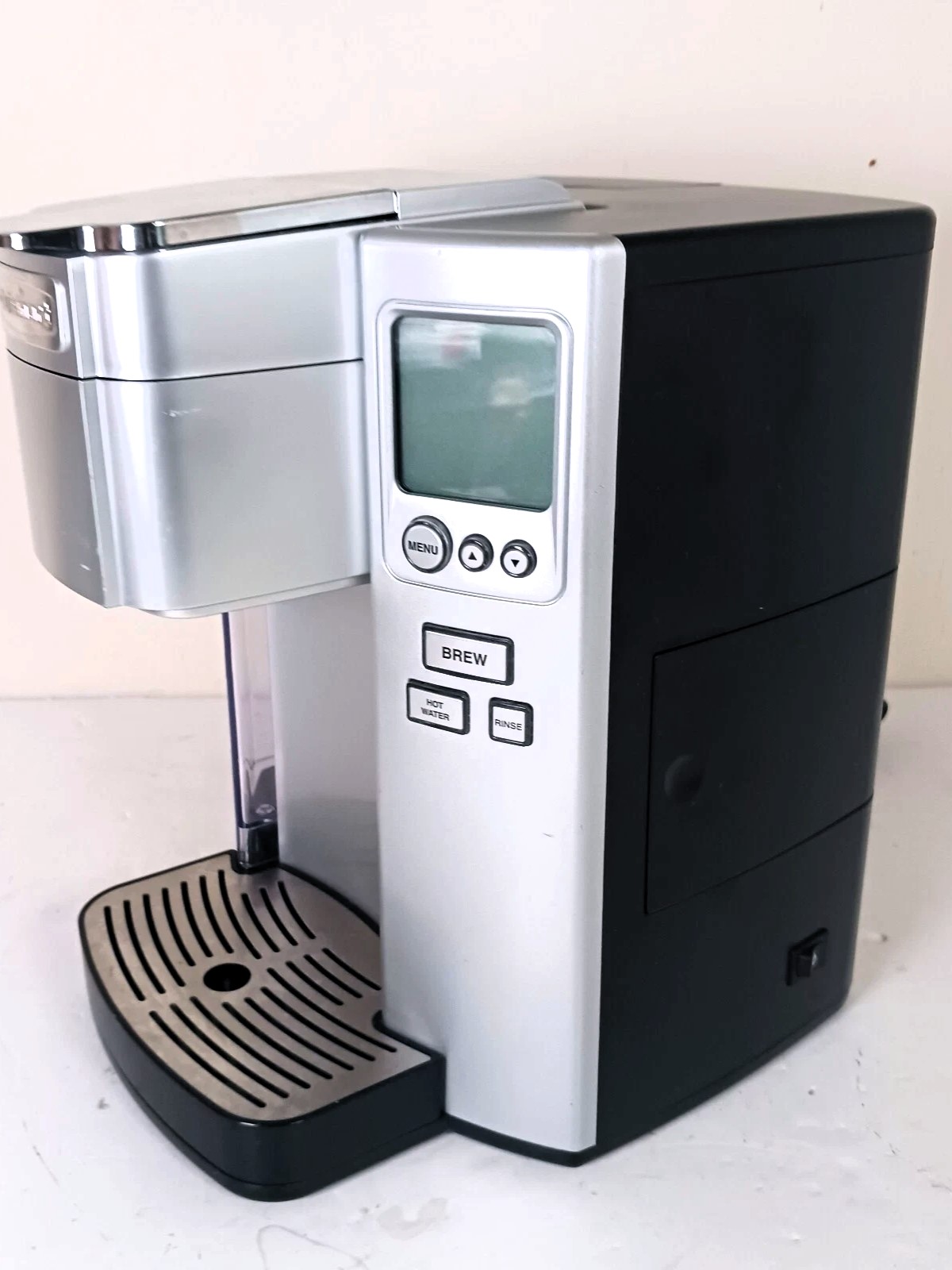
Knowing the parts helps you diagnose faster. Below are the usual suspects.
- Reservoir and float: If the float won’t drop, water can’t flow. Clean or replace the reservoir if cracked.
- Water filter cartridge: Trapped sediment reduces flow. Replace every 2 months or after heavy use.
- Entrance needle: Ground coffee or scale clogs the inlet needle. Clean gently to avoid damage.
- Exit needle: A clogged exit needle stops flow and can overflow the machine. Clean after every 100 uses.
- Pump: The pump pushes water. A failing pump may make noise but not move water.
- Check valve: A stuck valve can block water. Valve cleaning or change may be needed.
- Tubing and fittings: Small leaks or kinks reduce pressure and flow.
- Heating chamber and solenoid: If these fail, water may not route correctly.
When doing Keurig Coffee Maker Troubleshooting No Water Coming Out, inspect each part visually and by function. Replace only the broken parts to save money.
Descaling and Cleaning Procedures
Scale is a silent killer of flow. Regular cleaning keeps the machine working.
- Prepare descaling solution: Use the recommended descaler or a 1:1 white vinegar to water mix for older models.
- Empty and rinse: Remove the filter and empty the reservoir before starting.
- Run a full cycle: Start a few brew cycles with the descaler until the reservoir is empty.
- Let it sit: Allow the machine to sit for 15–20 minutes to loosen scale.
- Flush well: Run 4–6 cycles with fresh water to remove any descaler taste.
- Clean needles and drip tray: Use the paper clip tool and warm soapy water for small parts.
After descaling, re-test for water flow. Persistent blockage after a descale suggests a mechanical issue. Keurig Coffee Maker Troubleshooting No Water Coming Out improves a lot after proper descaling.

When to Call Support or Replace Parts
Some problems need pro help or new parts. Here is when to stop DIY.
- Pump is dead: No noise and no flow after testing. Pump replacement or pro repair is needed.
- Electronic faults: Error lights, unresponsive buttons, or odd behavior point to control board issues.
- Repeated leaks or cracked reservoir: Replace the reservoir or the unit if parts are discontinued.
- Cost exceeds value: If repair cost nears a new unit price, replacement may be smarter.
- Safety concerns: Strange smells or signs of electrical damage require a technician.
Before you call, note what you tried. This speeds service and helps them diagnose your Keurig Coffee Maker Troubleshooting No Water Coming Out issue.

Preventive Maintenance Tips
Small habits prevent big problems. Use these tips weekly or monthly.
- Keep the reservoir clean and refill daily. Stagnant water breeds scale and bacteria.
- Replace water filters regularly. Swap every 2 months or sooner with hard water.
- Descale regularly. Do it every 3 months with hard water, every 6 months with soft.
- Flush after each use if the machine sits unused. Run a water-only cycle before brewing.
- Clean the needles monthly. Quick cleaning prevents stubborn clogs.
- Use filtered water. It reduces mineral build-up and flavor issues.
These steps reduce the need for deep Keurig Coffee Maker Troubleshooting No Water Coming Out later. Small habits save time and money.

Troubleshooting Scenarios and Solutions (Real Cases)
I have repaired many Keurigs. Here are real situations and what worked.
- Case 1: Machine had water but no flow. The reservoir was cracked and air leaked in. Replacing the reservoir fixed it. Lesson: Inspect seals and plastic for cracks.
- Case 2: Loud pump but no water. The exit needle was clogged with compacted grounds. A careful needle clean restored flow. Lesson: Clean needles more often.
- Case 3: Intermittent flow. Scale in the passages caused partial blockages. A full descale and a new filter solved the issue. Lesson: Descale on schedule.
These examples show practical fixes for Keurig Coffee Maker Troubleshooting No Water Coming Out. Test simple things first.

Frequently Asked Questions of Keurig Coffee Maker Troubleshooting No Water Coming Out
Why does my Keurig have water in the reservoir but not brew?
Check that the reservoir is seated correctly and the float moves freely. Clean the entrance needle and run a water-only cycle to test the pump.
How do I unclog the Keurig brew needle safely?
Turn off and unplug the machine, then use a paper clip or the Keurig tool to clear the needle. Be gentle to avoid bending the needle or pushing debris further in.
Will descaling fix no water issues?
Descaling often restores flow when mineral scale blocks passages. If the pump or valve is faulty, descaling alone will not fix the problem.
How often should I replace the water filter to avoid clogs?
Replace the filter every two months or sooner with hard water. Regular replacement helps prevent slow flow and taste problems.
Can I run the Keurig without a filter to diagnose flow issues?
Yes, running without the filter helps isolate the problem. If flow improves, the filter is likely the issue.
Conclusion
You now have a clear map for Keurig Coffee Maker Troubleshooting No Water Coming Out. Start with simple checks like the reservoir and needles. Move to cleaning and descaling if needed. If the pump or electronics fail, weigh repair versus replacement. Try these steps now and save time and money. If this helped, leave a comment, share your fix, or subscribe for more hands-on guides.

