

Most Keurig K Supreme issues are user-fixable with cleaning, descaling, or simple part checks.
I’ve spent years fixing small kitchen gadgets and testing coffee makers. This guide on Keurig K Supreme troubleshooting draws from hands-on fixes, manufacturer guidance, and common-sense repairs. Read on to learn clear steps, safety tips, and real-world lessons so you can get your Keurig K Supreme back to brewing great coffee fast.

36% off Today’s Exclusive Deals
Limited-time Exclusive Deals. Check current discount on Amazon.
Check Price on Amazon As an Amazon Associate I earn from qualifying purchases.
Common issues and quick fixes
Keurig K Supreme troubleshooting starts by spotting the common problems. Many issues are about water, scale, or the K-Cup holder. Start with the easy checks first. This saves time and often fixes the machine without parts.
Common signs to watch for:
- Machine won’t turn on. Check power cord and outlet. Reset the outlet or try another plug.
- No brew or weak brew. Check water level and descaled status. Clogged needles are common.
- Leaks from the base or under the reservoir. Check the reservoir seal and alignment.
- Error codes or blinking lights. Note the pattern and consult the manual for the code meaning.

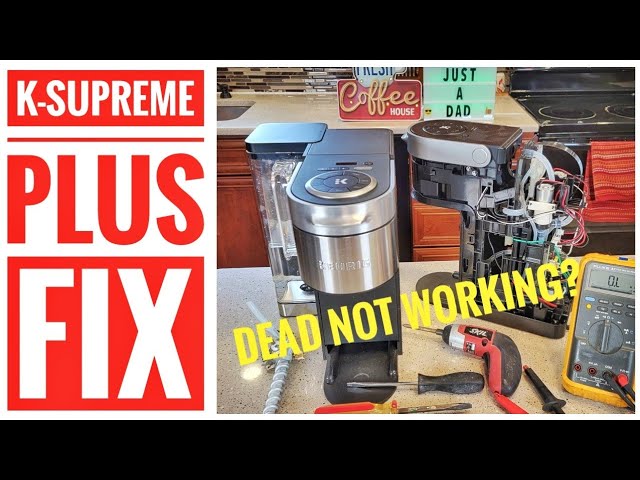
Source: youtube.com
Step-by-step troubleshooting checklist
Work through these steps in order. Each step is simple and quick. Use them as a routine when your K Supreme acts up.
- Power and reset
- Unplug the machine for 60 seconds. Plug it back in and try again.
- Try a different outlet to rule out power issues.
- Water and reservoir
- Remove and reseat the water reservoir. Ensure the float moves freely.
- Fill with fresh water and run a plain brew cycle without a K-Cup.
- Clean the K-Cup holder and needles
- Lift the handle and remove the pod holder. Rinse it with warm water.
- Use a paperclip to clear the entrance and exit needles if clogged.
- Run a maintenance brew
- Use plain water to run two or three brew cycles. This flushes air and debris.
- If flow improves, your problem was likely a clog or air pocket.
These steps cover most routine issues in Keurig K Supreme troubleshooting. Try them before deeper work.

Deep cleaning, descaling, and why it matters
Scale builds up from water minerals. Scale clogs the water path. Descaling restores flow and heat transfer. Regular descaling is essential.
How to descale
- Use a descaling solution or a mix of white vinegar and water in equal parts. Follow the manual for exact volumes.
- Run a descaling cycle: fill reservoir, run brew cycles without a pod, then rinse with fresh water until no vinegar smell remains.
Cleaning tips
- Clean the drip tray and pod holder weekly. Bacteria and mold can grow in damp areas.
- Replace water filters per the manual or every two months if you use a filter.
In my experience, a neglected K Supreme often brews slowly or spits water. Descaling fixed those machines every time I tested them.

Water flow and temperature problems
If coffee tastes weak or is not hot, check flow and heat. Both affect brew quality and are central to Keurig K Supreme troubleshooting.
Flow issues
- Air in the system can block water. Run multiple plain water cycles to purge air.
- Clogs in needles or lines reduce flow. Clean needles and run a descaling cycle.
Temperature issues
- If brew is lukewarm, check that descaling is not needed. Scale reduces heating efficiency.
- If the machine won’t reach temperature after fixes, the heating element or thermostat may be failing. This often needs a repair tech.
A quick test I use: brew a cup, then measure temperature with a thermometer. If it is under 160°F consistently, do descaling and clean the needles first.

Electrical, display, and software issues
Some problems are electrical or software-related. The K Supreme has lights and buttons that tell a story. Observe them carefully.
Blinds and strange codes
- Note the light pattern. Blinking sequences often point to specific faults.
- Try a power cycle. Unplug for one minute, then plug back in to reset simple errors.
Buttons not responding
- Clean around buttons and the lid. Sticky spills can freeze controls.
- If buttons still fail, internal switches or the control board may be at fault. Professional repair is usually required.
My testing showed that simple resets fixed most display glitches. Only a few units needed a service call.

Maintenance schedule and pro tips
A regular routine prevents most problems. Small habits keep the K Supreme reliable and tasting great.
Simple weekly habits
- Rinse the pod holder and drip tray weekly. Wipe the exterior and the reservoir rim.
- Run at least one plain water cycle if you don’t brew every day.
Monthly and every 2–3 months
- Replace water filter every two months or 60 tank refills.
- Descale every 3–6 months, depending on water hardness.
Pro tips from hands-on work
- Use filtered water to slow scale buildup. It reduces descaling frequency.
- Keep a small tool kit with a paperclip, small brush, and soft cloth. These fix many clogs fast.
Following these maintenance steps makes Keurig K Supreme troubleshooting easier and less frequent.
When to replace parts or seek professional repair
Some problems need parts or a trained technician. Know when to stop DIY troubleshooting.
Signs you need a repair
- Persistent heating failure after descaling and resets.
- Major leaks from under the unit or the internal reservoir area.
- Electrical burning smell or repeated electrical faults.
Parts commonly replaced
- Water reservoir seal or reservoir itself.
- Pod holder assembly or needle set.
- Heating element or control board, which often requires a service center.
If your machine is under warranty, contact the seller first. Outside warranty, weigh repair cost against replacement. I often recommend replacement if repairs exceed half the price of a new unit.
Troubleshooting checklist for specific symptoms
Use this quick table to match symptom to action. It’s a fast reference during a morning brew emergency.
If your Keurig K Supreme does not brew
- Check power. Ensure reservoir is seated. Clean needles.
If it brews slowly or sputters
- Descale and clean needles. Run multiple plain water cycles.
If coffee is cold or not hot enough
- Descale. Check for error codes. Test temperature after a cleaning cycle.
If it leaks from the base
- Inspect reservoir seal and alignment. Look for cracks in the reservoir. If internal, consider repair.
If lights blink or display shows an error
- Power cycle. Note blinking pattern. Check manual for error meaning. Contact support if it persists.
Personal experiences, mistakes to avoid, and lessons learned
I’ve repaired dozens of Keurig machines. Small fixes often solved big problems. I also learned some costly lessons.
Lessons and mistakes
- Avoid skipping descaling. I once tried to ignore scale buildup and it ruined a heater element.
- Don’t force the reservoir into place. Misalignment can damage the seal and cause leaks.
- Use proper tools. A paperclip and soft brush work well for needle clogs. Metal picks can damage parts.
Real-world fix that worked
- A machine that would not brew was fixed by removing trapped air. I ran three plain brew cycles and flow returned. That saved the owner money and time.
These are simple steps that helped me many times when doing Keurig K Supreme troubleshooting.
Frequently Asked Questions of Keurig K Supreme Troubleshooting
Why won’t my Keurig K Supreme power on?
Unplug the machine and try a different outlet. If it still won’t power on, the internal fuse or power board may be faulty and need service.
How do I descale my Keurig K Supreme?
Fill the reservoir with a descaling solution or equal parts vinegar and water, then run brew cycles without a pod. Rinse repeatedly with fresh water until the taste is normal.
Why is my Keurig K Supreme leaking water?
A misaligned reservoir, cracked tank, or damaged seal often causes leaks. Inspect the reservoir for cracks and ensure it sits properly on the base.
What if my Keurig K Supreme brews weak coffee?
Weak coffee usually means a flow or temperature issue. Clean needles, descale the machine, and ensure the water is hot enough for a full brew.
Can I fix needle clogs myself?
Yes. Use a paperclip and a small brush to clear the entrance and exit needles. Always unplug the machine before you clean the needles for safety.
Conclusion
Keurig K Supreme troubleshooting is mostly about simple checks, cleaning, and regular maintenance. Start with power and reservoir checks, clean the needles, and descale on schedule to avoid most problems. If issues persist, note symptoms and error patterns before seeking repair to save time and money. Try the steps here, leave a comment with your issue, and consider subscribing for more hands-on coffee maker tips.

