

Choosing a new phone is not easy, especially with the latest models like the Motorola Razr+ and the Xiaomi 14 Ultra. Both are packed with advanced features, but they are very different in style, technology, and price. If you are trying to decide between these two, you want to know more than just the specs. This article breaks down 14 key points, comparing each phone in detail, so you can confidently choose the one that fits your needs. You’ll get clear explanations, real examples, and practical advice. Whether you care about camera quality, battery life, or the unique folding design, you’ll find all the information you need here.
1. Design & Build Quality
The Motorola Razr+ stands out with its foldable clamshell design. When closed, it fits easily in your pocket or a small bag, making it very practical for people who don’t like bulky phones. The hinge feels sturdy and is designed to last for thousands of folds, but it’s still a moving part and needs gentle care. The outer shell uses premium materials like Gorilla Glass Victus and an aluminum frame, which helps protect against minor drops and scratches. Many users love the nostalgic flip-phone feel, but it’s also modern and slim, giving a stylish look that catches people’s attention.

36% off Today’s Exclusive Deals
Limited-time Exclusive Deals. Check current discount on Amazon.
Check Price on Amazon As an Amazon Associate I earn from qualifying purchases.The Xiaomi 14 Ultra, on the other hand, has a classic slab design. It’s larger and heavier, built with a strong metal frame and a glass back. Xiaomi also offers a vegan leather option for extra grip, which makes the phone less slippery and more comfortable to hold for long periods. The camera module on the back is big and prominent, signaling the phone’s focus on photography. The phone feels solid in hand, but it’s less compact than the Razr+ and might not fit comfortably in small pockets.
A less obvious insight: Foldable phones like the Razr+ often need special care, especially around the hinge and the screen crease. The screen may be more sensitive to dust and scratches around the hinge, and using the phone with dirty or sandy hands can cause problems. Some users buy special cases or screen protectors designed for foldables. If you value portability and a unique look, Razr+ is a winner. But for durability and a premium feel, Xiaomi 14 Ultra has the edge. If you often drop your phone or use it in rough conditions, the Xiaomi’s classic design is less risky.
2. Display Quality
The Razr+ features two screens: a 6.9-inch main foldable OLED and a 3.6-inch outer OLED. The main display offers vibrant colors, deep blacks, and smooth animations thanks to its 165Hz refresh rate. This high refresh rate is especially noticeable when scrolling through social media, playing games, or watching fast-paced videos. The outer screen is handy for quick messages, notifications, and even selfies, so you don’t always have to open the phone. This outer screen is also customizable—you can add widgets for weather, music, or your calendar.
Xiaomi 14 Ultra uses a 6.73-inch LTPO AMOLED with a sharp 3200 x 1440 resolution and 120Hz refresh rate. The display is extremely bright (up to 3000 nits), so it stays clear even in direct sunlight. It supports HDR10+ and Dolby Vision, which means streaming movies and TV shows look colorful and cinematic. Colors are accurate, and viewing angles are excellent, making the phone ideal for watching content or editing photos.
Here’s a direct comparison:
| Feature | Motorola Razr+ | Xiaomi 14 Ultra |
|---|---|---|
| Main Screen Size | 6.9-inch OLED | 6.73-inch AMOLED |
| Refresh Rate | 165Hz | 120Hz |
| Resolution | 2640 x 1080 | 3200 x 1440 |
| Brightness | 1400 nits | 3000 nits |
| Outer Screen | 3.6-inch OLED | None |
If you watch movies or play games, Xiaomi’s display is more immersive due to its higher resolution and brightness. For daily tasks and quick access, Razr+’s outer screen is very practical, especially when you want to check notifications without opening the device.
One thing beginners often miss is that the higher refresh rate on the Razr+ (165Hz) makes everyday use feel very smooth, but it can drain the battery faster if used all the time.
3. Performance & Processor
The Razr+ uses the Snapdragon 8+ Gen 1 chip, with 8GB or 12GB RAM. It handles multitasking, gaming, and apps smoothly. The processor is fast, but not the latest generation. In day-to-day tasks—like browsing, using social media, or watching videos—you’ll rarely notice any lag. However, in more demanding apps, such as heavy games or advanced video editing tools, the phone can get warm, and battery drains quicker.
The Xiaomi 14 Ultra features the Snapdragon 8 Gen 3, paired with 12GB or 16GB RAM. This is Qualcomm’s newest flagship chip. It scores over 2 million points on AnTuTu benchmarks, showing impressive power for gaming, video editing, and heavy tasks. The phone stays cool under load thanks to an advanced cooling system, and you can run several apps at once without slowdowns.
Most users won’t notice a big difference in day-to-day use, but for advanced tasks like 4K or 8K video editing, large file transfers, or playing the latest mobile games, Xiaomi is faster and more efficient. Beginners often miss that newer chips also mean better battery life and longer support for future apps.
If you want a phone that stays fast for several years, Xiaomi’s newer processor is a safer bet.
4. Storage Options
Motorola Razr+ comes with 256GB or 512GB internal storage. There’s no microSD slot, so you cannot expand storage. This is enough for most people, but if you shoot a lot of videos, especially in 4K, storage can fill up faster than you expect. Once the storage is full, you have to delete files or move them to the cloud.
Xiaomi 14 Ultra offers 256GB, 512GB, and 1TB options. Like the Razr+, there is no microSD slot, but 1TB is rare in phones. This is enough space for thousands of high-quality photos, long 8K videos, and many large apps or games. Professionals or content creators benefit from this extra space, as they don’t need to worry about running out of storage.
If you store lots of photos, videos, or install many apps, Xiaomi’s 1TB version gives you more freedom. For most users, 256GB is enough. But if you travel or work with media files, having extra storage is a big plus.
Beginners sometimes underestimate how quickly storage fills up with modern apps and media, so it’s better to get more if you can afford it.
5. Camera System
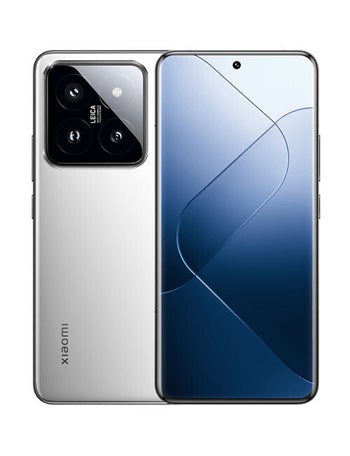
Razr+ has a dual camera setup: a 12MP main camera and a 13MP ultrawide. The cameras are good for everyday photos, especially in good light. The outer screen helps take selfies with the main camera, which often look better than selfies from regular front cameras. However, the cameras struggle in low light, and there’s no telephoto lens for zooming in without losing detail.
Xiaomi 14 Ultra features a quad camera system developed with Leica:
- 50MP main sensor (variable aperture for better low-light shots)
- 50MP periscope telephoto (5x optical zoom for distant subjects)
- 50MP telephoto (3.2x optical zoom for portraits)
- 50MP ultrawide (for landscapes and group shots)
Photos are sharp, colors are natural, and low-light performance is excellent. The Ultra can record 8K video and offers manual controls, letting you adjust settings like shutter speed and ISO. There’s also a special “Leica mode” for rich, cinematic colors. The camera app has many options, but is still easy for beginners.
Here’s a side-by-side overview:
| Camera Feature | Motorola Razr+ | Xiaomi 14 Ultra |
|---|---|---|
| Main Camera | 12MP | 50MP (Leica) |
| Ultrawide | 13MP | 50MP |
| Telephoto | None | 50MP (3.2x/5x) |
| Video | 4K | 8K |
If camera quality matters most to you, Xiaomi 14 Ultra is far ahead. Razr+ is good for casual photos, social media, or video calls, but not for serious photography. A non-obvious tip: Xiaomi’s camera app has RAW mode for professionals who want to edit their photos later, and the variable aperture helps you get the right depth of field, even in bright sunlight.
6. Battery Life & Charging
Motorola Razr+ has a 3800mAh battery. It supports 30W wired charging and 5W wireless charging. The battery lasts a full day with light use, but heavy use (especially with the high refresh rate or lots of video calls) drains it faster. Charging is not the fastest, but 30W will fill the battery in about an hour. Wireless charging is slow, so it’s best for overnight charging or topping up at your desk.
Xiaomi 14 Ultra has a 5300mAh battery, 90W wired charging, 80W wireless charging, and 10W reverse wireless charging. It lasts longer—usually a day and a half with normal use, even with heavy gaming or camera use. Charging is very fast: you can reach 100% in under 30 minutes with the included charger. Wireless charging is also fast enough to fully charge in about 50 minutes. Reverse wireless charging lets you charge other devices (like earbuds or another phone) using the Xiaomi’s back.
For travelers or busy users, Xiaomi’s battery is more reliable. Razr+ is fine for regular use, but you’ll need to charge more often if you use the outer screen or camera a lot. A practical tip: If you forget to charge at night, Xiaomi’s fast charging means you can plug in for just 10 minutes and get hours of use.
7. Software & User Experience
Razr+ runs Android 13 with Motorola’s clean interface. It’s close to stock Android, with useful features like Moto Actions (shake to turn on flashlight, twist to open camera). The menus are simple, and there’s little bloatware. Updates are promised for 2 years, so you’ll get new features and security patches for a while, but not as long as some competitors.
Xiaomi 14 Ultra uses HyperOS (based on Android 14). It’s highly customizable, with smart features like AI photo editing, multi-device connectivity, and advanced privacy controls. You can change themes, icons, and layout. Xiaomi promises at least 4 years of major updates. The software is powerful, but can feel overwhelming to beginners because of the many options and pre-installed apps.
A practical tip: Xiaomi’s software has more options, but can feel busy. If you want to do things your way, you’ll like HyperOS. Motorola’s interface is simple and easy for beginners, so there’s less to learn. If you like customizing, Xiaomi wins. If you prefer clean, fast menus, Razr+ is better. One subtle benefit: Motorola’s simple interface tends to run smoother on older hardware as the phone ages.
8. Connectivity & Network Support
Razr+ supports 5G, Wi-Fi 6E, Bluetooth 5.3, and NFC. It works well with US and global carriers, but lacks some high-frequency bands for ultra-fast 5G. Call quality is clear, and the phone can connect to most modern accessories.
Xiaomi 14 Ultra features 5G, Wi-Fi 7, Bluetooth 5.4, NFC, Ultra Wideband (UWB), and infrared remote. It supports more 5G bands, which is important for travelers and those in regions with advanced networks. Wi-Fi 7 is future-proof, offering faster and more stable connections, especially in crowded places like airports or events.
One insight: UWB allows Xiaomi to connect with smart devices (like smart locks or trackers) more precisely. For example, you can use your phone as a digital car key if your car supports UWB. Razr+ is good for standard connections, but Xiaomi offers more advanced options. Beginners often ignore UWB and IR blaster, but these features can make life easier if you use smart home devices.
9. Audio & Speaker Quality
Motorola Razr+ comes with stereo speakers and Dolby Atmos support. The sound is clear and balanced, good for calls and podcasts, but lacks deep bass and loudness. There’s no headphone jack, so you need wireless earbuds or a USB-C adapter for wired listening.
Xiaomi 14 Ultra has stereo speakers tuned by Harman Kardon, Dolby Atmos, and Hi-Res audio. The speakers are loud and crisp, with richer bass and better separation. No headphone jack here, but Xiaomi includes a USB-C to 3.5mm adapter in the box, which is convenient if you have wired headphones.
If you watch videos or listen to music, Xiaomi’s sound is noticeably better, with more volume and clarity. Razr+ is fine for casual use but doesn’t match Xiaomi’s high-end sound. One practical insight: the speaker quality also helps with clearer speakerphone calls in noisy environments.
10. Security Features
Razr+ offers face unlock and a side-mounted fingerprint sensor. Both work quickly and reliably. The fingerprint sensor is easy to reach and works even with wet fingers. Face unlock works well in good light but is less secure than 3D face scanning.
Xiaomi 14 Ultra has face unlock and an in-display ultrasonic fingerprint sensor. The ultrasonic sensor is faster and more secure than optical sensors, and works even with slightly dirty or wet fingers. Xiaomi also adds extra privacy features in software, like app lock, hidden folders, and file vault, which let you protect sensitive apps and documents.
For most users, both phones are secure. But if you care about advanced security, Xiaomi’s ultrasonic sensor and privacy tools are more impressive. It’s also easier to secure work or banking apps on Xiaomi thanks to these extra features.

11. Durability & Water Resistance
Motorola Razr+ is rated IP52. This means it’s protected against dust and light water splashes, but not full immersion. It will survive rain or a spill but not a drop in the sink or pool. The hinge area is especially sensitive and not fully sealed against water.
Xiaomi 14 Ultra is rated IP68. It can survive dust, rain, and even being submerged in water for a short time (up to 1.5 meters for 30 minutes). This makes it safer for outdoor use, travel, or rough environments.
A common mistake: Many think foldable phones are as durable as regular ones. Actually, Razr+’s hinge and folding screen need more care. Even tiny sand grains can cause problems. If you want a phone that can handle rough conditions, Xiaomi is safer. Beginners also forget that repair costs for foldable screens are usually higher.
12. Pricing & Value
Razr+ costs around $999 for the 256GB model. Prices may drop over time, and Motorola often offers discounts or trade-in deals. This makes the Razr+ more accessible if you want a stylish phone without a huge investment.
Xiaomi 14 Ultra starts at $1,299 for 256GB, rising to $1,499 for the 1TB model. It’s more expensive but offers more features, especially for those who want the best camera, battery, and performance.
Here’s a quick breakdown:
| Model | Base Price | Top Storage Price |
|---|---|---|
| Motorola Razr+ | $999 | $1,099 |
| Xiaomi 14 Ultra | $1,299 | $1,499 |
If you want a stylish foldable phone without breaking the bank, Razr+ is a good choice. For those who want top specs and are willing to pay, Xiaomi 14 Ultra gives more value for power users. Remember, resale value can be higher for Xiaomi in some markets due to demand for flagship cameras.
13. Special Features
Razr+’s foldable design is its main special feature. You can use the phone closed for quick tasks, or open it for full-screen apps. The outer screen is customizable with widgets and notifications. You can also take hands-free selfies by partially folding the phone—a trick not possible with slab phones.
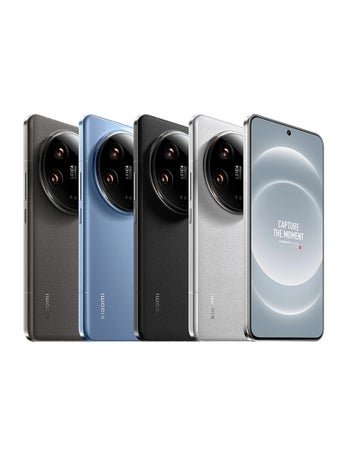
Xiaomi 14 Ultra offers several unique features:
- Variable aperture camera for professional photos, letting you adjust light and depth easily
- Ultra-fast charging that beats most competitors
- IR blaster for controlling home devices (TV, AC, fans, etc.)
- Reverse wireless charging for accessories like earbuds or even other phones
- Advanced AI tools for editing, organizing, and searching your photos by content
Beginners often miss how handy the IR blaster is. You can use your Xiaomi 14 Ultra as a remote for TVs, air conditioners, and more, which can be a lifesaver in hotels or offices. Another non-obvious feature: Xiaomi’s camera app can automatically remove unwanted objects from photos using AI, a trick that saves editing time.
14. Global Availability & Support
Motorola Razr+ is widely available in the US, Europe, and some Asian markets. Motorola offers official warranty and service centers in most regions. Software updates are regular, but support is limited outside main markets. Spare parts and repair centers are easier to find in the US and Europe.
Xiaomi 14 Ultra is sold in China, Europe, and some Asian countries. US availability is limited, and warranty support may not be as strong in all regions. Xiaomi’s updates are frequent, but sometimes delayed for global versions. If you buy from an unofficial seller, warranty claims can be difficult.
A non-obvious point: If you buy Xiaomi 14 Ultra in a country without official support, repairs and updates can be harder. You might need to send the phone abroad for repair, which costs more time and money. Razr+ is easier to buy and service in the US, making it safer for American buyers.
Side-by-side Summary
Here’s a quick summary of all 14 points to help you compare:
| Feature | Motorola Razr+ | Xiaomi 14 Ultra |
|---|---|---|
| Design | Foldable, compact | Classic, premium |
| Display | Dual OLED, 165Hz | AMOLED, 120Hz, HDR |
| Performance | Snapdragon 8+ Gen 1 | Snapdragon 8 Gen 3 |
| Storage | 256GB/512GB | 256GB/512GB/1TB |
| Camera | 12MP + 13MP | Quad 50MP, Leica |
| Battery | 3800mAh, 30W | 5300mAh, 90W |
| Software | Android 13, Moto UI | HyperOS (Android 14) |
| Connectivity | 5G, Wi-Fi 6E | 5G, Wi-Fi 7, UWB |
| Audio | Stereo, Dolby Atmos | Stereo, Harman Kardon |
| Security | Face, side fingerprint | Face, ultrasonic fingerprint |
| Durability | IP52 | IP68 |
| Price | $999 | $1,299 |
| Special Features | Foldable, outer screen | Variable aperture, AI, IR, reverse charging |
| Availability | US, Europe, Asia | China, Europe, Asia |
Practical Buying Advice
When choosing between Motorola Razr+ and Xiaomi 14 Ultra, think about your main priorities:
- If you want a compact, stylish phone for daily use, Razr+ is great. It’s light, fits anywhere, and feels fun to use.
- If you need the best camera, battery, and performance, Xiaomi 14 Ultra is unbeatable, especially for travelers, content creators, or tech lovers.
- For those who travel or live in the US, Razr+ offers easier support, quick repairs, and more consistent updates.
- If you work with media, need lots of storage, or love advanced features, Xiaomi is the smarter choice, especially for photography or video.
A common beginner mistake is buying based only on specs. Consider how you use your phone daily—do you need fast charging, lots of storage, or a foldable design? Also, think about long-term updates and repairs. For example, a foldable phone needs more care and is harder to repair, but offers a unique experience.
A slab phone like Xiaomi is more robust for heavy use.
Before you buy, read user reviews and check if the brand has strong support in your country. For more detailed specs and official reviews, you can check the Motorola Wikipedia page.
Frequently Asked Questions
Is The Motorola Razr+ Screen Durable?
The Razr+ uses a special foldable OLED, but it’s more sensitive to scratches and dust around the hinge. It’s fine for daily use, but avoid sharp objects and heavy pressure. Try to keep it away from keys or coins in your pocket, and consider a case for extra protection.
Can I Expand Storage On Either Phone?
No. Both phones lack a microSD slot. Choose a model with enough storage for your needs, especially if you take lots of photos or videos. Cloud storage can help, but isn’t always fast or private.
Which Phone Gets More Software Updates?
Xiaomi 14 Ultra promises 4 years of major updates, while Razr+ offers 2 years. Xiaomi’s updates are more frequent, but may be delayed for global users. If you want the latest features for longer, Xiaomi is better.
Is Xiaomi 14 Ultra Available In The Us?
Officially, Xiaomi 14 Ultra is not sold in the US. You can import it, but warranty and support may be limited. Razr+ is easier to buy and repair in the US, and supports more US carriers out of the box.
Which Phone Has Better Battery Life?
Xiaomi 14 Ultra has a bigger battery (5300mAh) and faster charging. It lasts longer than Razr+ (3800mAh), especially for heavy users. If you often forget to charge or use your phone all day, Xiaomi’s battery is more forgiving.
Choosing between these phones depends on your lifestyle, preferences, and budget. Both are excellent, but they serve different needs. Take your time, compare your priorities, and you’ll find the right fit.

