

Foldable smartphones are changing the way people use their devices. Two of the most discussed models right now are the Oppo Find N3 Flip and the Oppo Find N4 Flip. Both phones offer a unique folding design, advanced cameras, and top hardware. But if you are thinking about buying one, or just want to know the differences, it is important to look deeper than just the headlines.
This article compares the Oppo Find N3 Flip and Oppo Find N4 Flip. We will look at their design, screens, performance, cameras, battery, software, and extra features. You will see where each phone wins, where it falls short, and which one might fit you best.

36% off Today’s Exclusive Deals
Limited-time Exclusive Deals. Check current discount on Amazon.
Check Price on Amazon As an Amazon Associate I earn from qualifying purchases.Design And Build Quality
When you first see the Oppo Find N3 Flip and Find N4 Flip, both look stylish and modern. But a closer look shows several differences that could matter to you.
Oppo Find N3 Flip
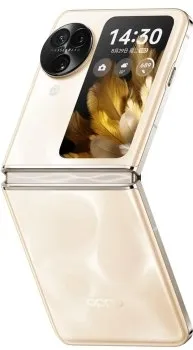
The Oppo Find N3 Flip has a glass and aluminum body, giving it a premium feel. The hinge is solid and lets you open and close the phone smoothly. Oppo worked hard to make sure the crease in the fold is less visible and less noticeable to your finger. The device is compact when folded, fitting easily into small pockets or bags.
Color options for the N3 Flip include Moonlight Muse (white), Mist Rose (pink), and Mirror Night (black). The phone weighs about 198 grams and is 7.8mm thick when open, 16mm when closed. The outer display is a vertical 3.26-inch AMOLED screen, one of the largest on a flip phone, useful for quick notifications and widgets.
Oppo Find N4 Flip
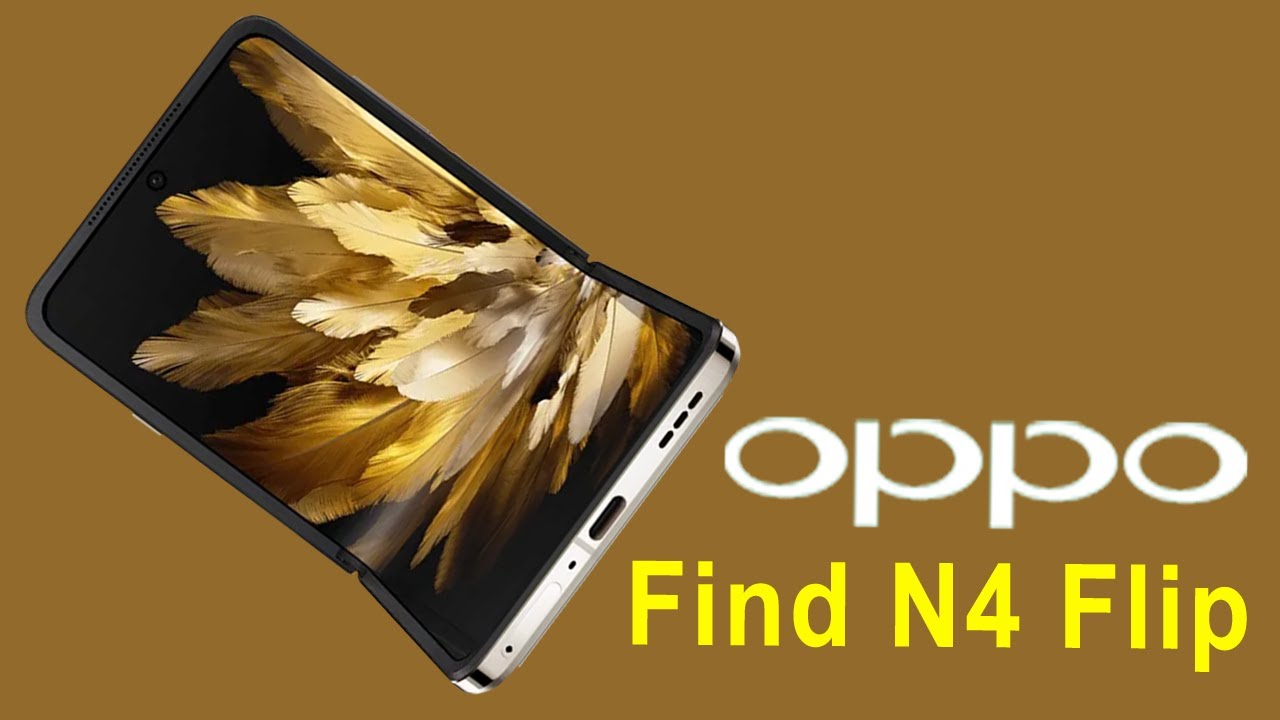
The Oppo Find N4 Flip keeps the same folding style, but with some upgrades. The hinge is redesigned, making it even smoother and more durable. Oppo claims it can survive up to 600,000 folds — a big step up from the N3 Flip’s 400,000 folds. The crease is even less visible, thanks to new materials and a tighter folding radius.
This model is slightly lighter, at 192 grams, and a bit thinner (7.6mm open, 15.2mm closed). The N4 Flip also introduces a matte finish option, which resists fingerprints better than the glossy glass of the N3 Flip. New colors like Ocean Blue and Forest Green give more personality choices.
Design Comparison Table
Here’s a quick look at the key design specs side by side:
| Feature | Oppo Find N3 Flip | Oppo Find N4 Flip |
|---|---|---|
| Weight | 198g | 192g |
| Thickness (open/closed) | 7.8mm / 16mm | 7.6mm / 15.2mm |
| Hinge Durability | 400,000 folds | 600,000 folds |
| Finish | Glossy glass | Matte & glossy |
| Outer Display | 3.26″ AMOLED | 3.4″ AMOLED |
Non-obvious insight: Many users ignore hinge durability, but for a foldable, this can add years to the phone’s life — especially if you open and close it often. The N4 Flip’s hinge is a real upgrade for heavy users.
Display Quality
The main reason people love flip phones is the ability to have a big screen in a small package. Both the N3 Flip and N4 Flip offer large, bright AMOLED displays that fold in half.
Oppo Find N3 Flip
The main screen is a 6.8-inch FHD+ AMOLED, with a resolution of 2520 x 1080 pixels. It supports a 120Hz refresh rate, making scrolling very smooth. Brightness peaks at 1,200 nits, so it is easy to use outdoors. The colors are vivid and blacks are deep, thanks to the AMOLED tech.
The cover screen (outside display) is 3. 26 inches, also AMOLED. It is handy for checking notifications, controlling music, taking selfies, or using simple widgets without opening the phone.
Oppo Find N4 Flip
The N4 Flip keeps the 6.8-inch size but improves the display further. The resolution is still 2520 x 1080, but the panel is brighter (up to 1,600 nits peak). The refresh rate is adaptive — it can switch between 1Hz and 120Hz, saving battery when high speed is not needed.
The outer display is slightly larger at 3. 4 inches. It supports more widgets and even allows some apps to run in full on the cover screen. The bezels are thinner, giving it a more modern look.
Non-obvious insight: Adaptive refresh rate is more than just a spec. It can help your battery last longer, especially if you spend a lot of time reading or looking at static images.
Performance And Hardware
How fast your phone feels depends on its processor, memory, and storage. Both these flip phones use top chips, but the N4 Flip makes some important leaps.
Oppo Find N3 Flip
Inside the N3 Flip is the MediaTek Dimensity 9200 processor. This is a flagship chip from MediaTek, built for speed and efficiency. It is paired with 12GB of RAM and either 256GB or 512GB of storage. You can run multiple apps, play games, and multitask without slowdowns.
The phone supports 5G, Wi-Fi 6, Bluetooth 5. 3, and has NFC for mobile payments.
Oppo Find N4 Flip
The N4 Flip moves to the MediaTek Dimensity 9300, which is even faster and uses less power. RAM options now go up to 16GB, and storage starts at 256GB but can go up to 1TB in some regions.
This model supports Wi-Fi 7, making it ready for next-generation wireless speeds. Bluetooth 5. 4 is included, and the NFC is improved for broader compatibility.
Performance Benchmarks
Below is a quick benchmark comparison (using Geekbench 6 scores as a reference):
| Model | CPU (Geekbench 6 Multi-core) | RAM | Storage |
|---|---|---|---|
| Oppo Find N3 Flip | 4,300 | 12GB | 256/512GB |
| Oppo Find N4 Flip | 5,100 | 12/16GB | 256GB-1TB |
Confident guidance: If you want the fastest performance for gaming, video editing, or heavy multitasking, the N4 Flip is the clear winner.
Camera Systems
Foldable phones often sacrifice camera quality to stay thin. Oppo, however, tries to balance both.
Oppo Find N3 Flip
The N3 Flip features a triple camera setup, which is rare for a flip phone:
- 50MP main camera (Sony IMX890 sensor, OIS)
- 32MP telephoto (2x optical zoom)
- 48MP ultra-wide
Selfies can be taken with a 32MP punch-hole camera or by using the main cameras with the cover screen as a viewfinder. The N3 Flip’s camera is co-developed with Hasselblad, known for natural color science.
Photos are sharp, with good dynamic range. Portraits look natural, and low-light shots are better than most other flip phones. Video recording supports 4K at 60fps.
Oppo Find N4 Flip
The N4 Flip introduces a new sensor for the main camera: a 50MP Sony LYT-900, with larger pixels for better low-light performance. The telephoto camera jumps to 48MP (3x optical zoom), and the ultra-wide is 50MP. Oppo also improves the image processing chip for faster, clearer photos.
Night mode is much better, with less noise in dark scenes. The selfie camera is now 40MP, and the cover screen can run full camera controls, making vlogging and selfies easier.
Practical tip: If you often take pictures at night or in tricky lighting, the N4 Flip’s new sensors give a visible boost.
Battery Life And Charging
Foldable phones have less space for big batteries, but Oppo has worked to squeeze as much life as possible.
Oppo Find N3 Flip
It has a 4,300mAh battery, enough for a full day of use for most people. With moderate use (calls, browsing, some video), you can expect 6-7 hours of screen-on time. There’s 44W SuperVOOC fast charging, which fills the phone from 0 to 60% in about 30 minutes.
Wireless charging is not available, which is common for flip phones due to space limits.
Oppo Find N4 Flip
The N4 Flip uses a slightly larger 4,500mAh battery. Thanks to the more efficient processor and adaptive refresh rate, real-world battery life improves by about 10-15%. This means lighter users can reach a day and a half on one charge.
Charging is even faster, with 65W SuperVOOC support. You get 0 to 80% in just 25 minutes. Still, no wireless charging, but the battery lasts longer and charges quicker.
Overlooked detail: Many users focus only on battery size, but software and screen tech matter just as much. The N4 Flip’s adaptive refresh rate is a quiet hero for better endurance.
Software Experience
Both phones run Oppo’s custom ColorOS, based on Android, but the N4 Flip brings some unique features.
Oppo Find N3 Flip
The N3 Flip ships with ColorOS 13, based on Android 13. The software is smooth, customizable, and has special features for the foldable screen:
- Multi-window support
- Quick app switching with gestures
- Widgets on the cover screen
- Flex mode (split-screen when partially folded)
Updates are promised for 2 years of major Android versions and 3 years of security patches.
Oppo Find N4 Flip
The N4 Flip launches with ColorOS 14 (Android 14). It adds:
- More cover screen widgets (weather, calendar, maps)
- Ability to reply to messages or run mini-apps directly on the outer display
- Improved privacy controls
- AI-powered image editing and translation
- 3 years of major updates, 4 years of security patches
The software feels more polished, with fewer bugs and smoother animations.
Non-obvious insight: Software update policy matters more on foldables, since bugs and security issues can affect both screens and the hinge’s special features.
Unique Features And Extras
Both phones offer features that help them stand out from the crowd.
Oppo Find N3 Flip
- FlexForm Mode: Use the phone in a half-open “laptop” position for video calls or hands-free photos.
- Hasselblad Pro Mode: Manual camera controls for photography fans.
- Dual SIM: Use two numbers at once.
- Face unlock and side fingerprint sensor for fast login.
Oppo Find N4 Flip
- FlexForm+ Mode: Adds more apps that work in half-folded mode (like YouTube, Zoom, and Instagram Live).
- AI Voice Transcription: Transcribe meetings or calls in real-time.
- Ultra-Responsive Hinge: Lets you set any folding angle for creative shots.
- IPX4 splash resistance: Better protection against accidental spills.
Expert tip: If you use your phone for work or creative projects, the N4 Flip’s flexible hinge and AI features can be a big time saver.
Pricing And Value
Price is always important, especially for high-end foldable phones.
- Oppo Find N3 Flip launched at about $999 USD for the 12GB/256GB version.
- Oppo Find N4 Flip starts at $1,099 USD for 12GB/256GB, with higher RAM and storage options costing more.
While the N4 Flip is pricier, it brings more upgrades: a better hinge, brighter display, improved cameras, and longer software support.
Common mistake: Many buyers only compare specs. But with foldables, real-world durability and software support are worth the extra investment, especially over 2–3 years.
Oppo Find N3 Flip: Who Should Buy?
The N3 Flip is for you if:
- You want a stylish, compact phone
- You value Hasselblad’s camera color science
- Price is important, and you don’t need every latest feature
- You are okay with slightly less battery life and hinge durability
Oppo Find N4 Flip: Who Should Buy?
The N4 Flip is the better choice if:
- You want top performance and the latest hardware
- You care about camera quality, especially in low light
- Long battery life and faster charging matter to you
- You plan to keep your phone for 3+ years and want long software support
- You use the cover display for more than just notifications
Data Table: Key Specs At A Glance
Here’s a summary of the most important specs:
| Spec | Oppo Find N3 Flip | Oppo Find N4 Flip |
|---|---|---|
| Main Display | 6.8″ FHD+ AMOLED, 120Hz | 6.8″ FHD+ AMOLED, 1–120Hz |
| Cover Display | 3.26″ AMOLED | 3.4″ AMOLED |
| Processor | Dimensity 9200 | Dimensity 9300 |
| RAM | 12GB | 12/16GB |
| Storage | 256/512GB | 256GB–1TB |
| Main Camera | 50+32+48MP | 50+48+50MP |
| Battery | 4,300mAh, 44W | 4,500mAh, 65W |
| Software | ColorOS 13 / Android 13 | ColorOS 14 / Android 14 |
| Hinge Durability | 400,000 folds | 600,000 folds |
| Price (launch) | $999 | $1,099 |
Frequently Asked Questions
What Are The Main Differences Between Oppo Find N3 Flip And N4 Flip?
The N4 Flip improves on the N3 Flip with a stronger hinge, brighter and more efficient display, faster processor, better cameras (especially for low light), longer battery life, and more advanced software. It also offers more RAM and storage options and better splash protection.
Can I Run Full Apps On The Cover Display Of The N4 Flip?
Yes, the N4 Flip allows certain apps to run in full on the outer screen, such as messaging apps, music, and camera controls. This is an upgrade over the N3 Flip, which mainly supports widgets and notifications on the cover display.
How Durable Are These Foldable Phones?
The N4 Flip’s hinge is rated for 600,000 folds, which is about 50% higher than the N3 Flip’s 400,000. This means the N4 Flip can last longer, especially if you open and close your phone many times a day. Both phones use tough glass and aluminum, but the N4 Flip adds IPX4 splash resistance.
Which Phone Has Better Camera Performance?
The N4 Flip uses newer sensors and advanced image processing, making it better for low-light shots, portraits, and zoomed photos. The N3 Flip still takes great pictures, especially with Hasselblad’s color tuning, but the N4 Flip is ahead for photography fans.

How Long Will Oppo Support Software Updates For These Devices?
The N3 Flip gets 2 years of major Android updates and 3 years of security patches. The N4 Flip extends this to 3 years of major updates and 4 years of security patches, making it a better choice if you plan to keep your phone for several years. For the latest update schedules, always check the official Oppo website.
Choosing between the Oppo Find N3 Flip and N4 Flip depends on your needs and budget. Both are excellent foldables, but the N4 Flip brings enough upgrades to be worth the extra cost for most users. If you want a stylish, flexible phone with the latest features, the N4 Flip should be your top pick.
If you can live without every new upgrade, the N3 Flip still offers great value and performance.

