

The folding phone market is growing fast, and two models are leading the race: the Samsung Galaxy Z Flip 7 and the Xiaomi Mix Flip. Both phones show how technology can fit into your pocket and open up for a big screen experience. If you are thinking about buying a foldable phone, comparing these two is important. They look similar from the outside, but their features, performance, and user experience have differences that matter.
Many people think foldable phones are just about style. But the reality is, choosing between the Galaxy Z Flip 7 and Mix Flip means looking at seven key aspects: Design, Display, Performance, Camera, Battery, Software, and Price/Value. Each has its strengths and weaknesses. Below, you’ll find detailed comparisons of these seven areas, including real-world insights, data, and examples. Whether you are a tech fan or a casual user, this guide will help you make a smart decision.

36% off Today’s Exclusive Deals
Limited-time Exclusive Deals. Check current discount on Amazon.
Check Price on Amazon As an Amazon Associate I earn from qualifying purchases.Design And Build Quality
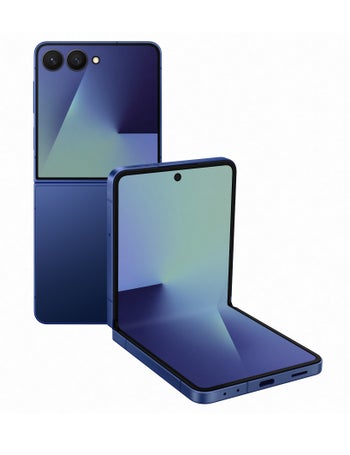
When you first see the Samsung Galaxy Z Flip 7 and Xiaomi Mix Flip, both look modern and stylish. But there are important differences in how they feel and last over time.
Galaxy Z Flip 7 uses a refined aluminum frame and Gorilla Glass Victus 2 on both the front and back. Samsung has improved the hinge mechanism for smoother folding and better dust resistance. The phone is IPX8 water resistant, which means it can handle splashes or short dips in water. This is useful if you use your phone outdoors or near water.
The Mix Flip is made from a magnesium alloy frame, which is lighter but still strong. Xiaomi’s hinge is also improved, using 3-layer design for better durability. However, Mix Flip does not have official water resistance, so you need to be more careful near liquids.
Both phones are thin when folded, but the Galaxy Z Flip 7 is slightly more compact. It measures 6.8 mm unfolded and 15.1 mm folded, while the Mix Flip is 7.1 mm unfolded and 15.4 mm folded. The difference is small but noticeable in your pocket.
You will notice the Galaxy Z Flip 7 feels more premium, with a smooth finish and tight build. The Mix Flip is lighter, which some people like, but it can feel less solid.
Non-obvious insight: Many beginners overlook hinge durability. Samsung’s hinge is tested for 400,000 folds, while Xiaomi’s is tested for 300,000 folds. If you fold your phone a lot, this matters for long-term use.
Display Experience
The folding screen is the main attraction. Both phones use flexible OLED technology, but the details are different.
Galaxy Z Flip 7 features a 6.7-inch Dynamic AMOLED 2X main display with FHD+ resolution (2640 x 1080). It supports 120Hz refresh rate and up to 1,800 nits peak brightness. The cover display is 3.4 inches, with always-on and widget support.
Mix Flip comes with a 6.8-inch AMOLED main screen at FHD+ (2560 x 1080), also with 120Hz refresh rate. Its peak brightness is 1,600 nits, slightly less than Samsung. The cover display is bigger at 3.6 inches, and supports more interactive widgets, including quick reply for messages.
Both displays are vibrant and sharp. The Galaxy Z Flip 7 has better color accuracy, thanks to Samsung’s calibration. The Mix Flip’s screen is more energy efficient, which helps battery life.
One thing users often miss: crease visibility. On Samsung, the crease is less noticeable because of improved folding glass. Xiaomi’s crease is more visible, especially in bright light. If you care about aesthetics, this may be important.
You can watch videos or play games on both, but Galaxy Z Flip 7 handles HDR content better. The cover display on Mix Flip is more useful for quick tasks and notifications.

Performance And Hardware
Power under the hood is important for smooth use. Both phones use the latest chipsets, but with different priorities.
Galaxy Z Flip 7 is powered by the Qualcomm Snapdragon 8 Gen 3 chip, paired with 8GB or 12GB RAM and 256GB or 512GB storage. Samsung’s software is optimized for multitasking and folding features, so apps run well even when switching screens.
Mix Flip uses the Snapdragon 8 Gen 3 as well, but has a 12GB RAM base and goes up to 16GB for premium models. Storage options are similar: 256GB, 512GB, and a rare 1TB version.
In everyday tasks like browsing, messaging, and streaming, both phones are fast. If you want to play heavy games, Mix Flip’s extra RAM helps with loading times and multitasking.
Here’s a comparison of key hardware specs:
| Feature | Galaxy Z Flip 7 | Mix Flip |
|---|---|---|
| Processor | Snapdragon 8 Gen 3 | Snapdragon 8 Gen 3 |
| RAM | 8/12 GB | 12/16 GB |
| Storage | 256/512 GB | 256/512/1 TB |
| Expandable Storage | No | No |
| Fingerprint Sensor | Side-mounted | Under display |
Samsung uses a side-mounted fingerprint sensor, which is fast and reliable. Xiaomi’s under-display sensor feels more modern but is sometimes slower.
Expert tip: Beginners often ignore thermal management. Mix Flip runs cooler during heavy use, thanks to a larger vapor chamber. If you plan to game or multitask for hours, this can be important.
Camera System
Foldable phones have to fit good cameras into small spaces. Both brands try to offer flagship quality, but there are differences.
Galaxy Z Flip 7 has a dual camera setup:
- Main: 50 MP, f/1.8, OIS
- Ultra-wide: 12 MP, f/2.2
- Front (selfie): 10 MP, f/2.4
Samsung uses its advanced image processing for clear, sharp photos. The main camera is strong in daylight and low light. The ultra-wide lens is good for group shots, but not as sharp as the main.
Mix Flip also has a dual camera:
- Main: 50 MP, f/1.7, OIS
- Ultra-wide: 13 MP, f/2.4
- Front (selfie): 16 MP, f/2.2
Xiaomi’s cameras offer more megapixels for selfies and ultra-wide shots. The main camera is similar in quality to Samsung, but Xiaomi tends to boost colors for a more vibrant look.
Both phones can record 4K video at 60fps. Galaxy Z Flip 7 has better stabilization, so videos are smoother. Mix Flip offers more modes, like AI portrait and night filters.
Here’s a quick camera feature comparison:
| Feature | Galaxy Z Flip 7 | Mix Flip |
|---|---|---|
| Main Camera | 50 MP, OIS | 50 MP, OIS |
| Ultra-wide | 12 MP | 13 MP |
| Selfie Camera | 10 MP | 16 MP |
| Video | 4K 60fps | 4K 60fps |
| Night Mode | Yes | Yes |
Experience-based advice: Beginners often miss how foldables let you use the main camera for selfies when folded. Both phones support this, but Samsung’s cover display is more responsive for framing shots.
Battery Life And Charging
Foldable phones usually have smaller batteries, but both companies try to maximize life and fast charging.
Galaxy Z Flip 7 packs a 3,700 mAh battery. It supports 25W wired charging and 15W wireless charging. Samsung’s software is optimized to save power, so you get about 14 hours of mixed use (web, video, calls).
Mix Flip has a 3,800 mAh battery, slightly bigger. Charging is faster: 67W wired, but no wireless charging. You can reach 100% in about 35 minutes. The battery lasts around 15 hours in typical use.
One detail many miss: Battery health management. Samsung includes software to limit charging speed and protect the battery over time. Xiaomi charges faster but the battery may age quicker if you always use the full speed.
Wireless charging is important for some users. If you like charging on a pad or using reverse wireless charging, Galaxy Z Flip 7 is better. Mix Flip focuses on speed.
Here’s a battery comparison:
| Feature | Galaxy Z Flip 7 | Mix Flip |
|---|---|---|
| Battery Size | 3,700 mAh | 3,800 mAh |
| Wired Charging | 25W | 67W |
| Wireless Charging | 15W | No |
| Reverse Charging | Yes | No |
| Battery Life | ~14 hours | ~15 hours |
Software And User Experience
Software makes a big difference in how you use a folding phone. Samsung and Xiaomi have different approaches.
Galaxy Z Flip 7 runs One UI 6.1 based on Android 14. Samsung’s interface is designed for foldables, with features like Flex Mode (apps split for half-screen use) and multitasking shortcuts. Updates are reliable, with 4 years of Android upgrades promised.
Mix Flip uses MIUI Fold 15, also based on Android 14. Xiaomi’s interface adds special widgets and shortcuts for folding screens. It is more customizable but can feel cluttered if you don’t tweak settings. Updates are less predictable, usually 2 years of Android upgrades.
Samsung’s software is more polished and stable. Flex Mode works well for video calls, notes, and camera use. Xiaomi’s software lets you personalize more, but some apps are not optimized for folding.
One non-obvious insight: App support. Samsung works closely with big apps (Instagram, YouTube, Google Maps) for foldable features. Xiaomi is catching up, but some apps don’t use the folding screen as well.
If you value updates and stability, Samsung wins. If you want customization, Mix Flip is more flexible.

Price And Value
Price is often the deciding factor. Both phones target premium buyers, but Xiaomi’s Mix Flip tries to offer more for less.
Galaxy Z Flip 7 starts at $1,099 for the base model (8GB/256GB). The 12GB/512GB version is $1,199. Samsung includes some extras, like trade-in deals and bundles.
Mix Flip starts at $899 for the 12GB/256GB model. The 16GB/1TB model is $1,099. Xiaomi’s pricing is more aggressive, especially in Asian markets. It includes a charger and case in the box, while Samsung does not.
Here’s a price comparison:
| Model | Galaxy Z Flip 7 | Mix Flip |
|---|---|---|
| Base Price | $1,099 | $899 |
| Top Model Price | $1,199 | $1,099 |
| Extras | No charger/case | Charger & case included |
| Warranty | 1 year | 1 year |
Common mistake: Many buyers focus only on price. It’s smart to consider what you get: Samsung’s updates, water resistance, and build quality may justify the higher cost. Xiaomi gives more RAM and storage for less.
Real-world Usage Examples
To help you decide, let’s look at how each phone fits different needs.
- Travelers: Galaxy Z Flip 7’s water resistance and durability are better for outdoor use.
- Students: Mix Flip’s larger cover screen and cheaper price make it good for quick tasks and messaging.
- Content creators: Samsung’s camera stabilization and app support are better for shooting videos and editing on the go.
- Gamers: Mix Flip’s extra RAM and cooler operation make it good for gaming.
- Business users: Both phones support multitasking, but Samsung’s software is more stable for productivity.
Non-obvious insight: Foldables are not just about folding. Samsung’s Flex Mode and Xiaomi’s custom widgets add special ways to use apps and the camera. Try these before you buy.
Which Should You Choose?
Choosing between the Galaxy Z Flip 7 and Mix Flip depends on your priorities.
- Pick Galaxy Z Flip 7 if you value build quality, water resistance, stable software, and camera performance.
- Pick Mix Flip if you want more RAM, faster charging, a bigger cover display, and lower price.
Both phones are great, but Samsung is more polished, while Xiaomi offers better hardware for less money. Think about how you use your phone every day. Do you need durability? Do you want more customization? Do you care about updates?
If you want more official specs, you can check Samsung’s official site for details.
Frequently Asked Questions
Is The Galaxy Z Flip 7 More Durable Than The Mix Flip?
Yes, the Galaxy Z Flip 7 is more durable. It has IPX8 water resistance and a hinge tested for 400,000 folds. The Mix Flip is strong but lacks water resistance and is tested for fewer folds.
Does The Mix Flip Support Wireless Charging?
No, the Mix Flip does not support wireless charging. Only the Galaxy Z Flip 7 has wireless and reverse wireless charging.
Which Phone Has A Better Camera For Selfies?
The Mix Flip has a higher resolution front camera (16 MP vs 10 MP). However, both phones let you use the main camera for selfies when folded, and Samsung’s cover display is more responsive.
Are Software Updates More Reliable On Samsung?
Yes, Samsung offers 4 years of Android upgrades and regular security patches. Xiaomi gives about 2 years of upgrades, and updates may be slower.
Which Phone Is Better For Gaming?
The Mix Flip is better for gaming. It has more RAM (up to 16 GB) and runs cooler during heavy use. Both use the Snapdragon 8 Gen 3, so performance is strong on each.
Both the Samsung Galaxy Z Flip 7 and Xiaomi Mix Flip show what is possible with folding phones. The right choice depends on your needs. Make sure to check all seven key areas before you decide. If you want a phone that combines style, performance, and value, either model can be a great pick.

