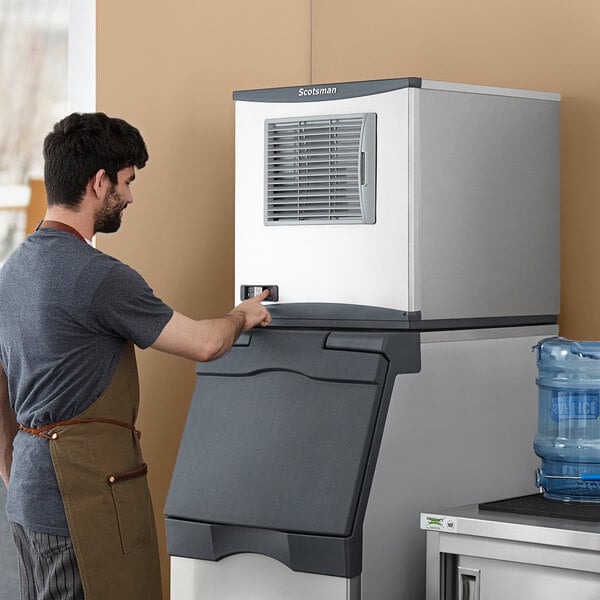
When your Scotsman ice maker stops working, it can cause real problems, especially in restaurants, hotels, or busy homes. No ice means unhappy customers or warm drinks. Instead of calling a technician right away, many common issues can be solved with a bit of knowledge and patience. In this guide, you’ll learn practical steps for Scotsman ice maker troubleshooting. Whether your machine makes thin ice, leaks water, or just won’t turn on, you’ll find clear solutions here.
How A Scotsman Ice Maker Works
Before troubleshooting, it helps to know the basics. A Scotsman ice maker draws water into a mold, freezes it, then drops the ice into a bin. The machine uses sensors, valves, and sometimes electronic controls to manage this process. If any part fails, the whole system can be affected.

36% off Today’s Exclusive Deals
Limited-time Exclusive Deals. Check current discount on Amazon.
Check Price on Amazon As an Amazon Associate I earn from qualifying purchases.Common Scotsman models include:
| Model | Ice Type | Production (lbs/day) |
|---|---|---|
| CU50GA-1A | Gourmet | 65 |
| SCN60PA-1SS | Nugget | 80 |
| C1848SA-32 | Small Cube | 1,900 |
Understanding your specific model helps you follow the right steps when a problem appears.
Common Problems And How To Diagnose Them
1. Ice Maker Won’t Start
If the machine won’t turn on at all, check these areas:
- Power supply: Make sure the unit is plugged in securely and that the outlet works (try another device).
- Circuit breaker: Sometimes, a tripped breaker is the only issue.
- Power switch: Some Scotsman models have a hidden switch on the back or side. Make sure it’s set to “on.”
If all these seem fine, check for blown fuses inside the machine. If you’re not comfortable opening panels, it’s best to call a professional.
2. Not Making Ice Or Producing Less Ice
When your Scotsman ice maker is not making ice, the following are the most likely causes:
- Dirty condenser coils: Dust and grease block heat transfer. Clean coils gently with a brush.
- Clogged water filter: Replace filters every 6 months. A clogged filter reduces water flow.
- Low water pressure: Scotsman machines need at least 20 psi. Check your home or building supply.
- Scale buildup: Hard water leaves mineral deposits inside the machine. This slows or stops ice production.
An easy test: Listen for the water fill and harvest cycles. If the machine is silent, a control board or sensor could have failed.
3. Ice Is Too Thin Or Too Thick
Ice thickness problems often relate to water level or harvest cycle.
- Thin ice: Usually means not enough water is entering the mold. Adjust the water float or check for leaks in the inlet valve.
- Thick ice: Too much water, a slow freeze, or a faulty timer. Make small adjustments (1/8 turn) to the water level screw, then test.
If adjusting doesn’t help, mineral scale may be insulating the evaporator. Descale the system with a recommended cleaner.
4. Water Leaks
Leaks can come from several places:
- Drain line: Make sure it’s not clogged or disconnected.
- Water inlet valve: Check for cracks or loose fittings.
- Internal hoses: Sometimes hoses inside the cabinet come loose.
Place a dry paper towel under the machine to help trace the source. Small leaks can cause big problems if left alone.
5. Machine Runs, But No Ice Is Released
If you hear the machine running but no ice drops into the bin, the evaporator might be too cold or too hot, or the harvest cycle is stuck.
- Evaporator temperature: Use a thermometer to check. Ideal is around 20°F (-6°C) during harvest.
- Sensors or switches: Faulty bin sensors can fool the machine into thinking it’s full.
- Mechanical jams: Sometimes a piece of ice gets stuck. Carefully remove it with a plastic tool.
If the ice melts and drips before falling, the freeze cycle is too short, or the refrigerant is low.
6. Unusual Noises
Scotsman ice makers are usually quiet. If you hear grinding, buzzing, or clicking, it may point to:
- Worn auger motor: For nugget ice machines, a failing motor makes grinding sounds.
- Loose parts: Panels or screws inside can vibrate.
- Pump issues: A failing water pump can buzz or hum loudly.
If you hear loud popping, the refrigerant system may be under stress. Turn off the unit and call for service.

Step-by-step Troubleshooting Process
Visual Inspection First
Start by unplugging the machine. Open the cabinet and look for:
- Signs of water or ice where they shouldn’t be
- Loose wires or connectors
- Scale or rust on metal parts
A flashlight can help spot problems in dark corners.
Cleaning And Maintenance
Many issues come from neglected cleaning. Clean all parts the manufacturer recommends:
- Turn off and unplug the machine.
- Remove all ice from the bin.
- Mix a Scotsman-approved ice machine cleaner with water (follow label directions).
- Pour the solution into the water reservoir.
- Run the cleaning cycle, then rinse thoroughly with fresh water.
- Wipe surfaces with a clean, dry cloth.
Regular cleaning prevents scale and mold buildup. Clean every 2-4 weeks in high-use environments.
Checking The Water System
Water supply issues are a top cause of poor ice production. Check:
- Inlet valve: Listen for water flow when the machine starts. If you hear nothing, the valve may be blocked or broken.
- Water filter: Replace if it’s older than 6 months.
- Float switch: Make sure it moves freely. Mineral deposits can make it stick.
A slow flow usually means a plumbing issue, not a machine failure.
Diagnosing Electrical Issues
If the unit won’t power up, test the outlet with a lamp or phone charger. Inspect the power cord for cuts or burns.
For more advanced steps, check internal fuses (refer to your user manual for location). Never bypass safety switches—they protect the machine and user.
Analyzing Error Codes
Many new Scotsman ice makers have a diagnostic display. Codes like “E1” or “E2” point to specific problems.
Here’s a comparison of common error codes:
| Error Code | Possible Cause | Action |
|---|---|---|
| E1 | Long Freeze Cycle | Check water flow, clean machine |
| E2 | Long Harvest Cycle | Check harvest sensor, bin switch |
| E3 | Short Freeze Cycle | Check refrigerant level |
Always clear error codes by turning the machine off, waiting 30 seconds, then restarting.
When To Call A Professional
Some problems need expert help:
- Compressor failure: If the machine is hot but silent, the compressor may be dead.
- Refrigerant leaks: Only a licensed technician should handle refrigerants.
- Electrical board issues: If replacing fuses or relays doesn’t help, the control board may be faulty.
Trying complex repairs without training can make things worse or void your warranty. When in doubt, contact a certified Scotsman technician.
Preventive Maintenance Tips
Avoid future problems with these simple habits:
- Clean often: Set a regular cleaning schedule on your calendar.
- Change filters: Replace every 6 months, or more in hard water areas.
- Check water lines: Inspect for kinks, leaks, or mineral buildup.
- Monitor ice quality: Cloudy or soft ice means it’s time for cleaning.
- Listen for changes: New noises often mean a part is wearing out.
Preventive steps can double the life of your Scotsman ice maker and keep ice production steady.
Common Mistakes To Avoid
New users often make these errors:
- Ignoring small leaks: Even a drip can cause mold or rust over time.
- Skipping maintenance: Cleaning isn’t optional—neglect leads to breakdowns.
- Using harsh chemicals: Only use recommended Scotsman cleaners to avoid damage.
- Overfilling the bin: Don’t try to stuff extra ice in; it can jam sensors and gears.
Simple awareness can prevent expensive repairs.
Scotsman Vs. Other Ice Makers: Troubleshooting Differences
How does Scotsman compare with other brands like Manitowoc or Hoshizaki for troubleshooting?
| Feature | Scotsman | Manitowoc | Hoshizaki |
|---|---|---|---|
| Diagnostic Codes | Easy-to-read display | Advanced, but more complex | Mostly manual, fewer codes |
| Cleaning Cycle | Automatic on most models | Automatic/manual | Mostly manual |
| Part Availability | High | Moderate | Moderate |
Scotsman machines are known for simple controls and easy part replacement, making DIY troubleshooting less stressful.
Non-obvious Insights For Better Results
Many guides miss these important tips:
- Ambient temperature matters: Ice makers work best between 50°F and 90°F. If your room is too hot or cold, ice output drops.
- Sanitize, not just clean: Cleaning removes dirt, but only sanitizer kills bacteria and mold. Run a sanitizer after every deep clean.
- Check the water supply before moving the machine: Relocating your ice maker can kink hoses or loosen connections, causing hidden leaks.
- Log your maintenance: Keep a notebook or digital log of cleaning dates, repairs, and filter changes. This helps if you need warranty service.
Where To Find More Information
Your Scotsman user manual is the best source for model-specific troubleshooting. You can also visit the Scotsman official service portal for guides, videos, and parts lists.
Frequently Asked Questions
Why Is My Scotsman Ice Maker Making Small Or Hollow Ice Cubes?
Small or hollow ice cubes usually mean low water flow or a clogged water filter. Replace the filter and check the water line for kinks or blockages. If the problem continues, scale buildup may be reducing water in the ice mold.
How Often Should I Clean My Scotsman Ice Maker?
Clean your Scotsman every 2-4 weeks in a commercial setting, or at least every 6 months at home. If you notice cloudy ice or odd tastes, clean sooner. Always use a Scotsman-approved cleaner and sanitizer.
Can I Use Vinegar To Clean My Scotsman Ice Maker?
No, you should not use vinegar. Scotsman recommends only approved ice machine cleaners to avoid damaging the metal and plastic parts. Vinegar can harm sensors and void your warranty.
My Scotsman Ice Maker Shows An E1 Error. What Does It Mean?
An E1 error means the freeze cycle is taking too long. This could be from a dirty condenser, low water flow, or scale inside the machine. Clean the condenser, replace the water filter, and run a descale cycle.
Does Scotsman Provide Warranty Service For Home Users?
Yes, Scotsman offers warranty service for home and commercial users. Keep your purchase receipt and maintenance log. Contact an authorized dealer or visit the Scotsman official service portal for support.
Taking care of your Scotsman ice maker saves time, money, and frustration. With these troubleshooting steps, you can solve most problems quickly and keep your drinks cold all year round.