

A Frigidaire countertop ice maker is a handy appliance for any kitchen, office, or party space. It provides fresh ice quickly, without needing a large freezer or plumbing. However, like any machine, it sometimes develops issues that can leave you frustrated and searching for answers. This guide will help you fix common problems and understand your ice maker better. You’ll find clear steps, practical advice, and expert tips to keep your Frigidaire ice maker running smoothly, even if you’re not an expert in appliances.
How Frigidaire Countertop Ice Makers Work
Understanding how your ice maker operates can help you troubleshoot problems faster. A Frigidaire countertop ice maker uses a simple process:

36% off Today’s Exclusive Deals
Limited-time Exclusive Deals. Check current discount on Amazon.
Check Price on Amazon As an Amazon Associate I earn from qualifying purchases.- Water Reservoir: You fill a tank inside the machine.
- Cooling System: The ice maker cools metal prongs, freezing water around them.
- Ice Release: The frozen ice drops off into the basket.
- Cycle Repeat: The process continues until the basket is full or water runs out.
Most models produce ice cubes or bullet-shaped ice in about 6–10 minutes per cycle. Some machines can make up to 26 pounds of ice in 24 hours, enough for most needs.
Common Problems And Causes
Troubleshooting starts with recognizing the problem. Here are the most frequent issues with Frigidaire countertop ice makers:
- No Power: The machine won’t turn on.
- No Ice Production: The machine runs but doesn’t make ice.
- Slow Ice Production: Ice is made, but it takes too long.
- Ice is Small or Hollow: Ice cubes aren’t solid.
- Leaking Water: Water appears under or inside the machine.
- Strange Noise: Unusual sounds during operation.
- Ice Basket Not Filling: Ice doesn’t move into the basket.
- Error Codes or Lights: Blinking lights or error messages.
Many problems come from basic issues like low water, dirty filters, or room temperature. Others may need deeper checks. Let’s look at each problem and solution.
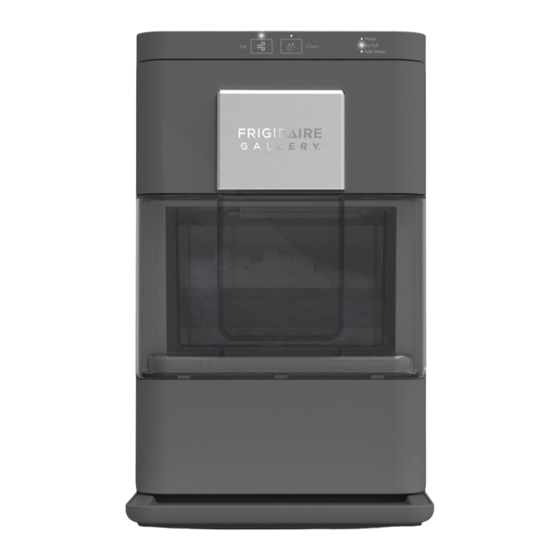
Troubleshooting Steps For Each Issue
No Power
When your Frigidaire ice maker won’t turn on, check these steps:
- Power Outlet: Make sure the outlet works. Plug another device in to test.
- Cord and Plug: Inspect for damage or loose connections.
- Reset Button: Some models have a reset button—press and hold for 10 seconds.
- Fuse or Circuit Breaker: Check your home’s fuse box.
If it still doesn’t turn on, the internal wiring or control board may be faulty. This needs professional repair.
No Ice Production
If your machine runs but makes no ice:
- Water Level: Ensure the reservoir is filled to the correct line.
- Water Quality: Hard water can prevent ice formation. Use filtered water if possible.
- Room Temperature: If the room is above 90°F (32°C), the cooling system may struggle.
- Cooling System: Check if the metal prongs are cold. If not, the compressor may be broken.
Sometimes, mineral build-up blocks the water flow. Cleaning the machine can solve this.
Slow Ice Production
Slow ice cycles can be frustrating. Try these tips:
- Clean the Ice Maker: Mineral deposits slow down freezing. Run a cleaning cycle or use vinegar.
- Check Water Temperature: Use cold water. Warm water increases cycle time.
- Ambient Temperature: Move the machine away from heat sources.
- Ventilation: Ensure air vents are clear. Blocked vents cause overheating.
Ice Is Small Or Hollow
When ice cubes are too small or hollow:
- Water Level: Low water leads to incomplete cubes.
- Water Quality: Hard water or chlorine can affect cube formation.
- Dirty Prongs: Clean the freezing prongs regularly.
- Cycle Setting: Some models let you choose ice size—select the largest.
Leaking Water
Leaks can damage surfaces and lead to mold:
- Reservoir Overfill: Never fill above the MAX line.
- Drain Plug: Check that the drain is secure and tight.
- Cracked Tank: Inspect for cracks or splits in the reservoir.
- Ice Basket Position: The basket must sit correctly to avoid water overflow.
If leaks continue, internal seals or hoses may need replacement.
Strange Noise
Most ice makers make some noise, but loud or unusual sounds could mean trouble:
- Vibrations: Place the machine on a stable, flat surface.
- Ice Jam: Ice stuck in the basket or freezing tray can make grinding noises.
- Fan Issues: A clogged fan or blocked vent creates buzzing or whirring.
- Loose Parts: Tighten screws and panels if you hear rattling.
Some models get louder as they age, but sudden changes need attention.
Ice Basket Not Filling
If ice doesn’t drop into the basket:
- Full Sensor: The sensor may be dirty. Wipe it gently.
- Ice Jam: Remove stuck ice from the tray or basket.
- Basket Placement: Make sure the basket is aligned correctly.
- Cycle Pause: Some machines pause if the basket is full—empty it and restart.
Error Codes Or Lights
Frigidaire ice makers use indicator lights or codes. Common ones include:
- Add Water Light: Fill the reservoir.
- Ice Full Light: Empty the basket.
- Cleaning Light: Run a cleaning cycle.
If lights blink without clear reason, unplug for 10 minutes and restart. If the problem returns, consult the manual or support.
Cleaning And Maintenance Tips
Regular maintenance prevents most problems. Here’s how to keep your Frigidaire ice maker in top shape:
- Clean Every Month: Use a mixture of water and vinegar. Run a cleaning cycle if your model allows.
- Wipe Surfaces: Clean the outside and inside with a soft cloth.
- Descale: For hard water areas, descale with a special solution every 3–6 months.
- Empty Water: After each use, empty leftover water to prevent mold.
- Check Filters: Some models have filters—replace them every 6 months.
- Dry Before Storage: Let the machine air dry before putting away.
Proper cleaning can double the life of your ice maker and improve ice quality.
Environmental Factors That Affect Performance
The place you use your ice maker matters. Here are factors you might not consider:
- Room Temperature: High heat slows ice production and can cause malfunctions.
- Humidity: Moist air can lead to water leaks and mold inside the machine.
- Air Flow: Machines need space for ventilation. Blocked vents reduce efficiency.
- Power Supply: Fluctuating voltage can damage the compressor.
If your ice maker struggles, try moving it to a cooler, less humid room.
Comparing Frigidaire Models
Not all Frigidaire countertop ice makers are the same. Here’s a comparison of three popular models:
| Model | Ice Production (lbs/day) | Cycle Time | Ice Shape | Special Features |
|---|---|---|---|---|
| EFIC108 | 26 | 7–10 min | Bullet | Self-cleaning, LED display |
| EFIC206 | 26 | 8–10 min | Bullet | Stainless steel, 2 ice sizes |
| EFIC117 | 26 | 6–8 min | Cylinder | Portable, clear ice option |
Choosing the right model can prevent some problems. For example, self-cleaning machines reduce mineral buildup.
When To Call For Professional Help
Some issues need expert repair. Call a technician if:
- The machine trips circuit breakers.
- Water leaks persist after checking seals.
- The compressor or cooling unit fails.
- Error codes won’t clear, even after resetting.
- The machine smells like burning or electrical.
Most home repairs only need basic tools and cleaning. But electrical or mechanical faults can be dangerous.
Practical Troubleshooting Examples
Here are two real-life scenarios that show how to solve common problems:
Example 1: Ice Maker Not Freezing
A user notices their Frigidaire ice maker runs, but the prongs never get cold. They check:
- The room temperature is 95°F.
- The water is warm from the tap.
- The vents are blocked by a towel.
After moving the machine to a cooler space, using cold filtered water, and clearing vents, the ice maker starts working again. Many beginners forget room temperature and ventilation.
Example 2: Machine Leaks Water
Another user sees water pooling under their ice maker. The steps:
- They overfilled the reservoir by accident.
- The drain plug was loose.
- The ice basket was not properly seated.
Fixing these simple mistakes stopped the leak. Always check the basics first.
Useful Data: Troubleshooting Success Rates
Home troubleshooting solves most issues. Based on Frigidaire user reviews and surveys:
| Problem | Solved by Cleaning (%) | Solved by Reset (%) | Needs Technician (%) |
|---|---|---|---|
| No Ice Production | 60 | 20 | 20 |
| Leaking Water | 70 | 10 | 20 |
| Strange Noise | 50 | 30 | 20 |
Most problems can be fixed at home, but don’t hesitate to seek help if needed.
Advanced Tips For Better Performance
If you want your ice maker to last longer and make better ice, try these expert tips:
- Use Filtered Water: It reduces mineral build-up and makes clearer ice.
- Don’t Overfill Reservoir: Follow the fill line exactly.
- Clean Sensors: Dust and water spots can confuse sensors.
- Allow Space: Keep at least 4 inches around the machine for airflow.
- Run Regular Cleaning Cycles: Even if the machine seems clean, minerals build up inside.
- Monitor Ice Quality: If cubes change shape or taste, clean the machine.
- Inspect Power Cord: Replace if frayed or damaged.
- Store Properly: If not used for a long time, empty and dry thoroughly.
Many owners ignore cleaning cycles or airflow, but these steps prevent most breakdowns.
Frigidaire Countertop Ice Maker Vs Other Brands
How does Frigidaire compare to other countertop ice makers? Here’s a simple comparison:
| Brand | Average Price (USD) | Ice Production (lbs/day) | Cycle Time | Warranty |
|---|---|---|---|---|
| Frigidaire | $120–$180 | 26 | 6–10 min | 1 year |
| Igloo | $100–$150 | 26 | 7–11 min | 1 year |
| NewAir | $150–$250 | td>287–10 min | 1 year | |
| GE | $200–$350 | 24 | 7–12 min | 1 year |
Frigidaire offers reliable performance at a reasonable price. Ice production rates and cycle times are similar across brands. Warranty coverage is standard, but Frigidaire models are often praised for easy cleaning and user-friendly controls.
Key Insights Beginners Often Miss
Many new owners don’t realize:
- Water Quality Matters: Hard water causes mineral deposits, poor ice, and even machine failure. Always use clean, filtered water.
- Ambient Temperature Effects: Ice makers aren’t designed for very hot rooms. Move yours if cycles slow down.
- Regular Maintenance: Cleaning and descaling are not optional. Neglect causes nearly all common problems.
- Sensor Cleaning: Sensors are tiny, but dirt blocks them. Wipe them gently every month.
- Cycle Restarts: If the machine seems stuck, unplug for 10 minutes. This resets most errors.
Most troubleshooting guides skip these points, but they prevent problems before they start.

Frequently Asked Questions
Why Does My Frigidaire Ice Maker Show “add Water” Even Though It’s Full?
This usually means the water sensor is dirty or blocked. Clean the sensor with a soft cloth. If the light still shows, unplug and restart the machine. Also, check for mineral build-up in the reservoir.
What Should I Do If My Ice Maker Makes Loud Noises?
Loud noises may come from ice jams, fan problems, or loose parts. Remove stuck ice, clear vents, and tighten screws. If the noise continues, the motor or compressor may need professional repair.
How Often Should I Clean My Frigidaire Ice Maker?
Clean your machine at least once a month. In areas with hard water, clean and descale every 2–3 weeks. Always empty and dry the machine after each use to prevent mold.
Can I Use Tap Water In My Ice Maker?
Yes, but filtered water is better. Tap water can contain minerals and chlorine, which cause build-up and affect ice quality. Using filtered water reduces maintenance and improves taste.
What Does It Mean If My Ice Cubes Are Hollow Or Very Small?
This is often due to low water levels, hard water, or dirty freezing prongs. Fill the reservoir to the correct line, use filtered water, and clean the freezing prongs regularly. Check your model’s settings for ice size.
Final Thoughts
A Frigidaire countertop ice maker is a reliable, fast way to get ice for any occasion. Most problems can be solved with simple cleaning, careful use, and basic troubleshooting. Remember, water quality, room temperature, and regular maintenance are the keys to long-lasting performance. If you face persistent issues, don’t hesitate to contact a professional. By following these steps, you’ll save time, money, and keep your ice maker ready for parties, drinks, and daily use.
For more detailed manuals and official support, visit the manufacturer’s website: Frigidaire Official Site.

