

Why Is My Atosa Ice Maker Making Small Cubes
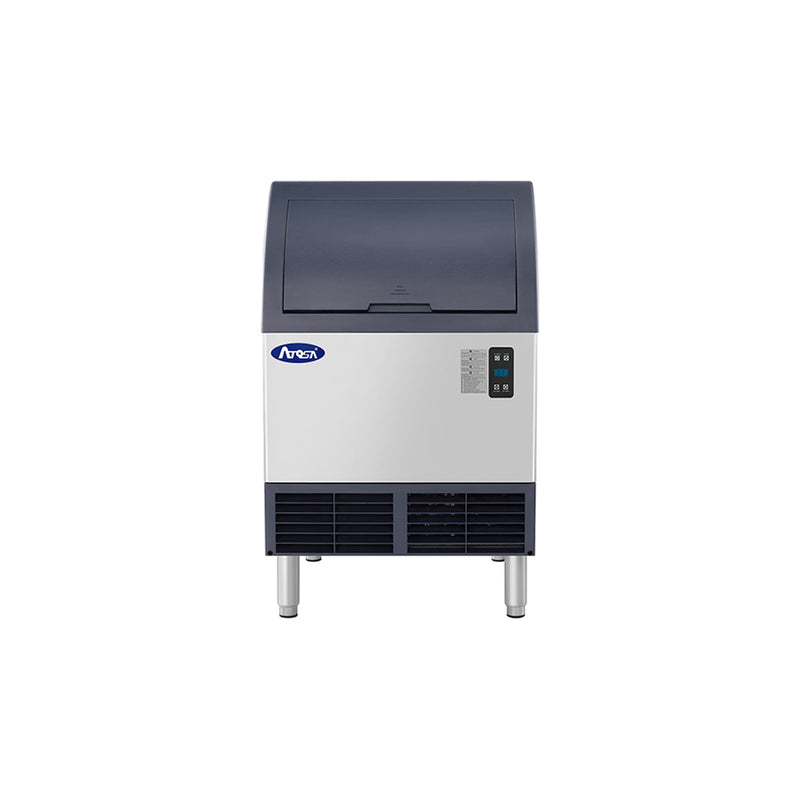
A commercial ice maker is the silent hero behind chilled drinks and fresh displays in restaurants, bars, hotels, and stores. So when your Atosa ice maker starts producing small ice cubes, it can disrupt business and create headaches. Many owners wonder, “Is something broken? Do I need a technician? Or is there a quick fix?” If you’re seeing small, misshapen, or thin cubes, you’re not alone. This problem is common, but it’s also solvable if you understand what’s happening inside your machine.
In this guide, you’ll learn why your Atosa ice maker is making small cubes, how to troubleshoot the problem, and what steps to take to get back to normal ice production. Whether you’re a business owner, kitchen manager, or maintenance staff, you’ll find clear explanations, real-world examples, and practical tips.

36% off Today’s Exclusive Deals
Limited-time Exclusive Deals. Check current discount on Amazon.
Check Price on Amazon As an Amazon Associate I earn from qualifying purchases.By the end, you’ll know what causes small cubes, how to fix them, and how to prevent issues in the future.
Understanding How Atosa Ice Makers Work
Before fixing small ice cubes, it helps to know how your Atosa ice maker operates. These machines use a cycle of freezing and harvesting to create uniform, solid ice cubes. The basic process looks like this:
- Water fills the evaporator tray or grid.
- A refrigeration system cools the evaporator, freezing the water into cubes.
- After the cubes are formed, the machine briefly warms the evaporator to release the cubes.
- The harvested ice drops into the storage bin, ready for use.
Most Atosa ice makers use air-cooled or water-cooled condensers. They rely on steady water flow, correct refrigerant pressure, and proper air circulation.
If any part of this process is disrupted—especially water supply or refrigeration—the ice cubes can become smaller, thinner, or incomplete. By understanding these steps, you can better spot what’s going wrong.
Main Causes Of Small Ice Cubes In Atosa Ice Makers
Small ice cubes are usually a sign that something in the process is off. Several factors can contribute, and sometimes more than one issue is at play.
1. Insufficient Water Supply
One of the most common reasons for small cubes is not enough water entering the ice maker. Here’s why this happens:
- Clogged water filter: Over time, the filter can fill with debris, reducing water flow.
- Low water pressure: If your building has weak water pressure, the machine may not fill properly.
- Kinked or blocked supply line: If the hose is bent or blocked, water can’t reach the machine efficiently.
- Scale buildup: Minerals from hard water can block internal pipes and valves.
When less water reaches the evaporator, the cubes freeze smaller than usual. Sometimes you may see “half-moons” or thin “slivers” instead of full cubes.
2. Problems With The Refrigeration System
The refrigeration cycle is critical for forming solid cubes. Problems in this system can lead to small or soft ice:
- Low refrigerant levels: If the machine has a refrigerant leak, the evaporator won’t get cold enough.
- Dirty condenser coils: Dust and grease on the coils reduce heat exchange, making it harder to freeze water.
- Faulty compressor: If the compressor is weak, the machine can’t cool the evaporator efficiently.
If the freezing process is too slow or uneven, the ice cubes will not reach the right size.
3. Incorrect Ice Cycle Settings
Many Atosa ice makers allow you to adjust the ice thickness or harvest cycle. If these settings are wrong:
- Short freeze cycle: The machine stops freezing before cubes are fully formed.
- Long harvest cycle: The ice may melt or break before dropping into the bin.
Accidental changes to settings often happen after routine cleaning or power outages.
4. High Ambient Temperature
The area around your ice maker affects how well it works. If the machine is in a hot kitchen or near cooking equipment, the higher temperature can cause:
- Slower freezing: The machine struggles to remove heat from the water.
- Smaller or softer cubes: Not enough time to freeze solid cubes before harvesting.
Manufacturers recommend keeping the surrounding temperature below 90°F (32°C) for best results.
5. Water Temperature
If the incoming water is too warm, it takes longer to freeze, resulting in smaller cubes or cubes that don’t fully form. This often happens in summer or if hot water accidentally connects to the machine.
6. Scale And Mineral Buildup
Hard water is common in many cities. Over time, minerals build up inside the machine, especially on the evaporator plate and water lines. This can cause:
- Poor water flow: Less water reaches the tray.
- Uneven freezing: Scale acts as insulation, making freezing less efficient.
7. Internal Component Failure
Sometimes, a part inside the ice maker fails, including:
- Water inlet valve malfunction: The valve may not open fully, reducing water flow.
- Faulty sensors: Incorrect readings can cause the machine to stop freezing too soon.
- Broken float switch: This switch controls water level and can stick or fail.
While less common, these issues usually require a technician to diagnose and repair.
Diagnosing The Problem: Step-by-step Troubleshooting
Finding out why your Atosa ice maker is making small cubes requires a methodical approach. Here’s a practical sequence to follow:
1. Check The Water Supply
- Inspect the water line for kinks or leaks.
- Make sure the water shutoff valve is fully open.
- Remove and examine the water filter. If it’s dirty or old (over 6 months), replace it.
- Test your water pressure. Atosa recommends at least 20 psi for proper operation.
2. Inspect The Machine’s Settings
- Look at the control panel for ice thickness adjustments.
- Reset to factory settings if you suspect changes.
- If unsure, consult the user manual for correct settings.
3. Examine The Environment
- Measure the air temperature around the machine.
- Move the ice maker away from ovens, fryers, or direct sunlight if possible.
- Make sure nothing blocks the machine’s air vents.
4. Check For Scale And Buildup
- Open the unit and look for white, chalky deposits on the evaporator or inside the reservoir.
- If you see buildup, plan a full cleaning and descaling (see section below).
5. Inspect The Refrigeration System
- Feel the condenser coils. If they are hot and dirty, clean them gently with a soft brush or vacuum.
- Listen for strange noises from the compressor.
- If you suspect refrigerant issues (e.g., ice not forming at all), call a qualified technician.
6. Observe The Ice Cycle
- Watch a full cycle: Is the water filling the tray? Does the freeze cycle last long enough?
- Are the cubes dropping before they are fully formed?
By following these steps, you’ll often find the main cause without guesswork.
How To Fix Small Ice Cubes In Your Atosa Ice Maker
Once you’ve identified the likely cause, you can take action. Most fixes are straightforward, but some need professional help.
Replace Or Clean The Water Filter
A clogged water filter is the easiest problem to solve. Replace the filter every 6 months—or sooner if your water is hard or dirty. After replacing, run a few cycles and check if ice size improves.
Clear And Straighten Water Lines
If the supply line is kinked or blocked, straighten it and flush out any debris. Make sure the hose is not pinched behind or under the machine.
Adjust The Ice Thickness Setting
On most Atosa ice makers, you can set the thickness of cubes using a control dial or button. Set it to “medium” for best results. Avoid “thin” settings unless you need fast-melting ice.
Clean And Descale The Ice Maker
Mineral buildup is a silent ice killer. Here’s a simple cleaning process:
- Turn off and unplug the machine.
- Remove visible ice and water from the bin.
- Mix a descaling solution (follow the manufacturer’s instructions).
- Pour the solution into the reservoir and run a cleaning cycle.
- Scrub the evaporator, tray, and water lines with a soft brush.
- Rinse thoroughly with clean water to remove all chemicals.
Regular cleaning (every 1-3 months) prevents future problems.
Improve Airflow And Room Temperature
Move the machine to a cooler spot if possible. Make sure there’s space around the vents—Atosa recommends at least 6 inches (15 cm) clearance on all sides. Use fans or open windows to reduce heat in the room.
Lower The Water Temperature
If the water entering the machine is warm, consider:
- Insulating the water line
- Running water for a minute before turning on the machine
- Installing a dedicated cold-water supply
Call A Technician For Refrigeration Problems
If you suspect refrigerant leaks, compressor failure, or electrical issues, do not attempt repairs yourself. A licensed technician can:
- Check refrigerant levels
- Repair or replace the compressor
- Diagnose internal electrical faults
Trying to fix these parts without training can be dangerous and may void your warranty.
How Different Issues Affect Ice Cube Size
Understanding the impact of each problem helps you prioritize fixes. Here’s a quick comparison:
| Issue | Effect on Ice Cubes | Difficulty to Fix |
|---|---|---|
| Low water supply | Small, thin, or incomplete cubes | Easy (filter, line check) |
| Refrigeration problems | Soft, partially frozen cubes | Hard (needs technician) |
| Dirty condenser coils | Small or irregular cubes | Medium (clean coils) |
| Scale buildup | Misshapen, cloudy cubes | Medium (descale) |
| Wrong settings | Thin or quick-melting cubes | Easy (adjust dial) |
This table shows that many causes are easy to fix without special tools.
Preventing Small Ice Cubes: Best Practices
Prevention is often easier than repair. Here’s how to keep your Atosa ice maker running smoothly:
- Change the water filter every 6 months. Mark your calendar or set reminders.
- Clean the machine regularly, especially in hard water areas.
- Check water pressure and supply lines monthly.
- Vacuum condenser coils every 2-3 months to remove dust and grease.
- Monitor room temperature—don’t place the ice maker near heat sources.
- Run a descaling cycle quarterly if your water is hard.
- Train staff to spot early signs of trouble, like slow ice production or odd cube shapes.
Consistent care can extend your machine’s life by years.
Real-world Example: Troubleshooting A Restaurant’s Atosa Ice Maker
Consider a busy diner that noticed their drinks were less cold and customers were complaining. The staff found small, half-formed ice cubes in the bin. Their maintenance routine was irregular, and the machine sat next to a hot fryer.
They followed these steps:
- Checked and replaced the old, clogged water filter.
- Cleaned thick dust off the condenser coils.
- Moved the machine a few feet from the fryer.
- Ran a full descaling cycle.
Within a day, ice cubes returned to normal size and customer complaints stopped. This example shows how several small issues can combine to cause big problems, but they’re fixable with simple actions.
When To Call For Professional Help
Some problems are best left to experts. Call a technician if:
- Ice production drops suddenly and cleaning doesn’t help.
- You hear loud noises, see leaks, or smell burning.
- The control panel shows error codes you can’t clear.
- Ice cubes are consistently soft, slushy, or wet.
A professional has the tools to check refrigerant, sensors, and complex electrical parts. Attempting these repairs yourself can risk further damage or void your warranty.
How Atosa Ice Makers Compare To Other Brands
Atosa ice makers are popular for their reliability and value, but how do they stack up against competitors when it comes to cube size problems?
| Brand | Common Small Cube Issues | Ease of DIY Repair | Filter Replacement Cost |
|---|---|---|---|
| Atosa | Filter clog, hot environment | Easy to moderate | $35–$50 |
| Manitowoc | Scale buildup, sensor faults | Moderate | $50–$80 |
| Scotsman | Water inlet valve failure | Moderate | $60–$90 |
| Hoshizaki | Condenser issues, water temp | Hard (often needs tech) | $70–$100 |
This comparison shows that Atosa models are generally easier and cheaper to maintain than some competitors. Their filter and part costs are often lower, and many problems can be fixed without special tools.
Water Quality And Ice Maker Performance
Water quality is often overlooked but is critical for consistent, full-size ice cubes. If your area has hard water (high in minerals like calcium and magnesium), you’ll see scale build up faster. Signs of hard water include:
- White deposits on faucets and sinks
- Cloudy or off-tasting ice
- More frequent filter changes
Consider these solutions:
- Install a water softener to reduce minerals entering the ice maker.
- Use pre-filters to catch sediment before it enters the machine.
- Test your water hardness with a simple kit from a hardware store.
Good water quality not only improves ice size but also extends your ice maker’s life.
Energy Efficiency And Ice Cube Size
Did you know that cube size also affects your machine’s energy use? When your Atosa ice maker struggles to freeze small cubes, it runs longer cycles, wasting power and raising utility bills. The U.S. Department of Energy says that regular cleaning and maintenance can cut energy use by up to 15% in commercial ice makers (DOE Office of Energy Efficiency).
Simple steps to boost efficiency:
- Keep condenser coils clean
- Replace water filters on time
- Fix small cube issues quickly to avoid overworking the machine
Over time, these habits can save hundreds of dollars per year in energy costs for a busy restaurant or hotel.
Frequently Asked Questions

Why Does My Atosa Ice Maker Suddenly Make Smaller Cubes Than Before?
The Most Common Reasons Are A Clogged Water Filter Or Low Water Pressure, Which Reduce The Amount Of Water In Each Cycle. Other Causes Include Hot Room Temperature, Dirty Condenser Coils, Or Incorrect Ice Thickness Settings. Check These Areas First For A Fast Solution.
How Often Should I Clean And Descale My Atosa Ice Maker?
For Best Results, Clean And Descale Every 1–3 Months, Especially If You Have Hard Water. Always Change The Water Filter At Least Every 6 Months. Regular Cleaning Prevents Scale And Mineral Buildup, Which Are Major Causes Of Small Cubes.
Can Using Warm Or Hot Water Affect My Ice Cubes?
Yes, Warm Or Hot Water Entering The Machine Makes It Harder To Freeze Ice Properly. This Leads To Smaller, Softer Cubes Or Incomplete Freezing. Always Connect Your Atosa Ice Maker To A Cold Water Line For Ideal Performance.
Are Small Ice Cubes A Sign My Machine Is Breaking Down?
Not Always. Small Cubes Usually Signal A Maintenance Issue—like Dirty Filters, Scale, Or Hot Surroundings—not A Serious Breakdown. However, If You’ve Checked All Common Fixes And The Problem Continues, Call A Technician To Check For Deeper Issues.

Will Using A Water Softener Help With Ice Cube Size?
Yes, A Water Softener Reduces Minerals In Your Water Supply, Which Slows Scale Buildup Inside The Ice Maker. This Leads To Better Water Flow, More Efficient Freezing, And Consistently Full-size Ice Cubes.
A well-maintained Atosa ice maker should produce solid, clear, and full-size cubes every cycle. By understanding the causes of small cubes—and knowing how to fix and prevent them—you’ll save money, avoid lost sales, and keep your customers happy. Regular care is the best investment you can make in your machine’s performance and your business’s reputation.

