

Most Waterway pump issues come from clogs, air leaks, or simple electrical faults.
I have spent years diagnosing pool and spa pumps, and I know how quickly a Waterway pump problem can ruin a swim. This guide on Waterway Pump Troubleshooting walks you through clear causes, step-by-step fixes, and simple maintenance tips. Read on to get confident with checks, safe repairs, and smart decisions that save time and money.

36% off Today’s Exclusive Deals
Limited-time Exclusive Deals. Check current discount on Amazon.
Check Price on Amazon As an Amazon Associate I earn from qualifying purchases.
How Waterway Pumps Work
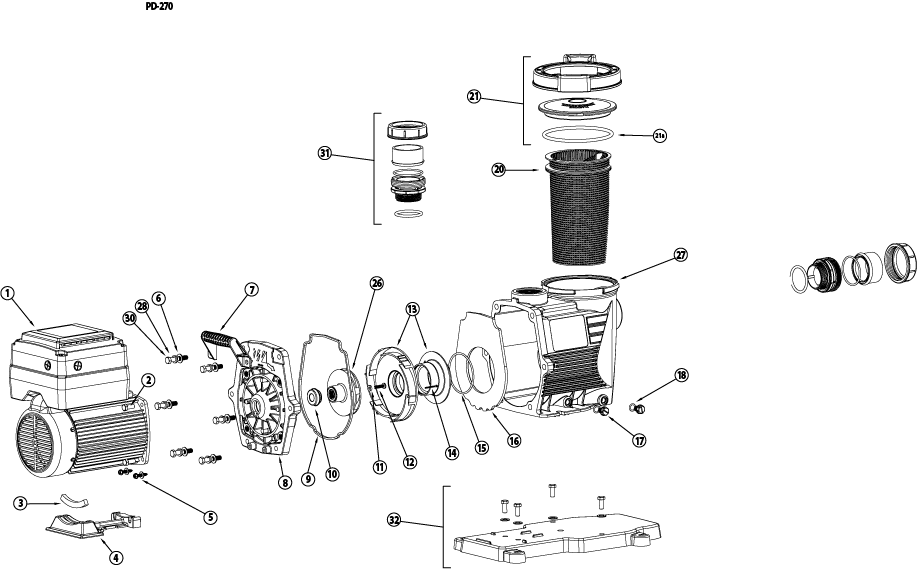
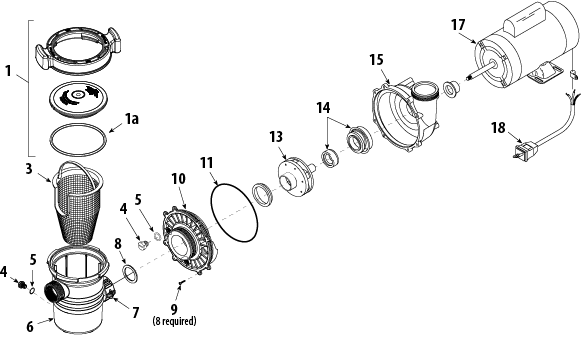
Waterway pump troubleshooting starts with a basic read on how these pumps work. A Waterway pump moves water using an impeller spun by a motor. The pump housing, volute, seal plate, and impeller must all work well for good flow. Knowing the parts helps you find clogs, leaks, or electrical issues fast.
Common Problems and Causes
Here are the frequent issues you will see during Waterway Pump Troubleshooting and their common causes.
- No flow or low flow. Often caused by clogged skimmer, closed valves, or a dirty impeller.
- Pump not priming. Usually due to air leaks in suction fittings, a low water level, or a bad lid O-ring.
- Loud or grinding noise. Bad bearings, debris in the impeller, or a misaligned motor can cause noise.
- Motor hums but pump does not start. This points to a bad start capacitor or a seized motor.
- Leaks at the seal plate or shaft. Worn mechanical seal or cracked housing are typical causes.
- Overheating and tripping breakers. Blocked flow, high voltage issues, or a failing motor are common drivers.
Each of these is a target for Waterway Pump Troubleshooting. Match the symptom to the likely cause before you act.

Step-by-Step Troubleshooting Guide
Follow this checklist for systematic Waterway Pump Troubleshooting. Use safety gear and turn off power before touching the pump.
-
Visual check
- Look for obvious cracks, loose fittings, or burned wires.
- Check water level in the pool or spa.
- Smell for burnt insulation or oil.
-
Test power and wiring
- Confirm breaker and timer are on.
- Use a multimeter to verify voltage at the motor.
- Inspect the cord and terminals for corrosion.
-
Check for prime and suction issues
- Open the pump lid and inspect the basket.
- Run the pump briefly to see if it draws water.
- Tighten the lid O-ring and replace if brittle.
-
Clear clogs and debris
- Remove and inspect the impeller for hair and leaves.
- Clean skimmer and pump baskets.
- Backwash or clean the filter if flow is low.
-
Diagnose motor problems
- Listen for humming or grinding.
- Test the capacitor and start relay.
- If bearings are noisy, plan for bearing or motor replacement.
-
Inspect seals and leaks
- Remove the motor and check the shaft seal.
- Replace a leaking mechanical seal promptly.
- Check the seal plate and housing for hairline cracks.
-
Run a final test
- Reassemble and fill with water.
- Turn power on and watch for steady flow and quiet operation.
- Check temperature and amperage against pump specs.
Use this routine for consistent Waterway Pump Troubleshooting. Small wins early often avoid big repairs later.
People Also Ask
- Why won’t my Waterway pump prime?
- Air is usually getting in on suction lines or the water level is low. Tighten fittings and refill the pool to resolve the issue.
- How do I test a pump capacitor?
- Disconnect power and use a multimeter with capacitance range. Replace if capacity is far below the rated value.

Maintenance and Prevention
Good upkeep reduces the need for Waterway Pump Troubleshooting. Keep tasks simple and regular.
- Clean baskets weekly. This prevents debris from reaching the impeller.
- Inspect O-rings and gaskets monthly. Replace brittle parts early.
- Lubricate motor bearings if serviceable. Use the correct grease as the manual suggests.
- Keep vents and motor area clear for cooling. Heat shortens motor life.
- Record run time and amperage. Sudden changes point to problems.
A steady maintenance habit cuts repair time and keeps the pump efficient.

When to Replace or Call a Pro
Not every fault needs a full replacement or a technician.
- Call a pro when electrical faults or motor rewires are needed. These can be dangerous.
- Replace the pump if the motor windings fail or the housing is cracked beyond repair.
- Consider replacement when repair cost exceeds half the price of a new pump.
- Hire a pro for complex seal plate or shaft work if you lack tools and space.
Be honest about skills and safety. Calling a qualified tech can save money and risk.

Personal Experience and Lessons Learned
I once diagnosed the same pool twice for “mystery” low flow. Both times the real issue was a tiny hair-bunch in the impeller. I learned quick checks save hours. Here are short lessons from my work:
- Always check the basket and impeller before testing electricity.
- Keep a small pump kit: O-rings, a seal kit, and a spare capacitor.
- Take photos before disassembly. Reassembly is faster that way.
- When in doubt, replace small parts. Cheap parts prevent big failures.
These simple habits make Waterway Pump Troubleshooting faster and less stressful.
Frequently Asked Questions of Waterway Pump Troubleshooting
What should I do if my Waterway pump hums but won’t start?
Turn off power and test the capacitor first. Replace a weak capacitor or call a technician to check the motor.
How often should I replace the pump shaft seal?
Check the shaft seal yearly for leaks or wear. Replace it as soon as you see weeping to avoid motor damage.
Can I run a Waterway pump with a cracked housing?
No. A cracked housing can cause rapid leaks and unsafe conditions. Replace or repair the housing before use.
Why does my pump trip the breaker after a short run?
This can mean motor overheating, low voltage, or a failing bearing. Check airflow, voltage, and current draw for diagnosis.
Is it safe to clean the impeller myself?
Yes, if power is off and the pump is drained. Wear gloves and remove debris gently to avoid damaging the impeller.
How long should a Waterway pump last with normal use?
Typical life ranges from 5 to 12 years depending on use, maintenance, and water chemistry. Proper care extends that span.
Conclusion
Waterway Pump Troubleshooting is about clear checks, steady upkeep, and safe choices. Follow the steps above to find clogs, fix air leaks, test electrical parts, and maintain good flow. Start with simple checks, keep a basic tool kit, and call a pro when the work crosses into electrical or major motor repair. Try one preventive task this week—clean the basket or inspect the O-ring—and save time and money. Share your experience, ask questions, or subscribe for more pump care tips.

