

Your AC gauge shows high pressure when the refrigerant side is too hot, overcharged, or blocked.
I’ve worked on HVAC systems for years and I’ll walk you through exactly why your AC gauge is showing high pressure, how the gauge works, common causes to check, safe diagnostic steps you can try, and when to call a pro. This guide focuses on real-world fixes and clear reasons so you can diagnose the problem and protect your system.

36% off Today’s Exclusive Deals
Limited-time Exclusive Deals. Check current discount on Amazon.
Check Price on Amazon As an Amazon Associate I earn from qualifying purchases.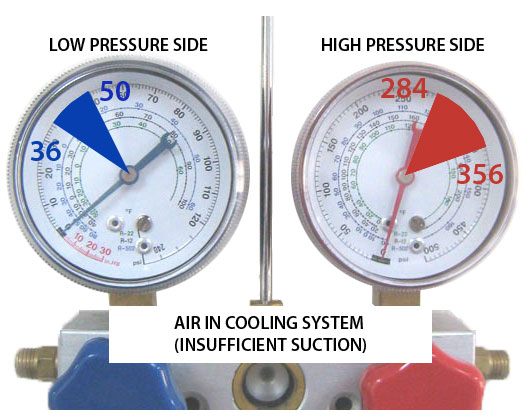
How AC gauges work and what "high pressure" means
An AC gauge set measures refrigerant pressures on the high and low sides. The high-side gauge reads the pressure in the condenser and discharge lines. Pressure rises when the refrigerant is hotter, more abundant, or cannot condense properly.
Knowing why your AC gauge is showing high pressure means knowing the link between temperature, pressure, and system flow. Pressure charts and manufacturer specs give the normal ranges. Compare your gauge readings to those specs before taking action.

Top causes: Why is my AC gauge showing high pressure?
Here are the most common causes you should check. Each cause affects pressure in a different way.
- Excess refrigerant charge
- Too much refrigerant raises high-side pressure because there is no room for vapor to condense properly.
- Restricted airflow across the condenser
- Dirty coils, blocked louvers, or a stalled fan raise condenser temperature and pressure.
- Dirty or damaged condenser coil
- A fouled coil traps heat and prevents proper heat transfer, so pressure climbs.
- Non-condensable gases in the system
- Air or nitrogen mixed with refrigerant causes unusually high head pressure and poor cooling.
- Faulty or stuck compressor
- A compressor that pumps too hard or fails to regulate pressure can push pressures high.
- Bad expansion device (TXV or orifice)
- If the metering device is clogged or stuck, high-side pressure increases while low-side may behave oddly.
- High ambient temperature
- Very hot days naturally raise high side pressure. Gauge peaks may be normal for extreme heat.
- Liquid line restriction
- Blockages cause improper flow and can reflect as high head pressure.
Why is my AC gauge showing high pressure? Most often it’s one of the items above. Start with the easy visual checks, then move to pressure and temperature tests.

How to diagnose safely and methodically
Safety first. Wear eye protection and gloves. Never open lines or vent refrigerant. Follow these steps.
- Visual inspection
- Check condenser fan and coil. Look for debris or bent fins. Inspect for oil streaks that mean leaks.
- Measure ambient and line temperatures
- Note outdoor air temp and measure suction and discharge line temps at the compressor.
- Read gauges properly
- Attach high- and low-side gauges correctly. Compare values to charts for your refrigerant at measured temperatures.
- Check for airflow issues
- Run the system and watch fan operation. Clean the condenser if clogged.
- Look for non-condensables
- High pressure that drops when you pull a vacuum or warm up might mean air in the system.
- Assess refrigerant charge
- Overcharged systems show high head pressure and poor cooling. Undercharge shows low suction pressure.
- Call a certified technician if unsure
- If tests show mixed signals, compressor issues, or suspected contaminants, call a pro.
From my experience, many homeowners stop at pressure and don’t check air flow. A dirty condenser coil is a simple fix but often missed.

Common fixes and when to DIY vs hire a pro
Some fixes you can handle. Others need certified HVAC techs and special tools.
DIY-friendly checks and fixes
- Clean the condenser coil with coil cleaner and a soft brush.
- Clear leaves, grass, and debris around the unit to improve airflow.
- Check and replace filter in the indoor unit to help overall flow.
- Confirm condenser fan runs and blades spin freely.
Call a pro for these cases
- Refrigerant charging or recovery
- Compressor replacement or internal diagnosis
- Adding vacuum and recharging after opening the system
- Removing non-condensables or contaminants
- Replacing TXV or metering device
Why is my AC gauge showing high pressure? If cleaning and airflow fixes don’t help, it’s often a refrigerant charge, contamination, or mechanical failure that requires certification to fix.

Risks and costs of ignoring high pressure readings
High pressure is not just a gauge number. It can cause real damage and higher bills.
- Compressor damage
- Persistent high pressure can overwork and destroy the compressor.
- Reduced cooling
- The system will be less efficient and cool poorly.
- Higher energy bills
- The system runs longer to reach setpoints.
- Leaks or safety failure
- Pressure spikes can worsen existing leaks or stress system parts.
Repair costs vary. Simple cleaning may cost little. Compressor replacement or major repairs can be expensive. It’s cheaper to diagnose early than to replace major parts later.
Preventive maintenance to avoid high pressure events
Regular care reduces episodes of high pressure and extends system life.
- Clean condenser and evaporator coils yearly.
- Change indoor filters monthly during heavy use.
- Keep outdoor unit clear of debris and vegetation.
- Schedule annual HVAC tune-ups with a certified tech.
- Monitor system performance on hot days for unusual pressure spikes.
From my hands-on experience, a seasonal tune-up prevented two compressor failures in one year for clients who otherwise would have faced big bills.
Real-world example and lessons learned
Case: A homeowner complained the AC wasn’t cooling and the high-side gauge read far above normal. I found the condenser full of pollen and a small rodent nest that blocked airflow. After cleaning and straightening fins, pressure returned to normal and cooling improved.
Lessons I learned from that job
- Always look for simple airflow causes first.
- Clean coils can solve many "high pressure" problems.
- Don’t rush to add refrigerant. Overcharging is common and expensive.
Why is my AC gauge showing high pressure? Often, the cheapest fix is the right first step: clean the unit and check fan operation.

PAA-style quick answers (People also ask)
- Why is my AC gauge showing high pressure when it was fine yesterday?
- Sudden debris, a failed fan, or an overcharge can cause fast pressure rises. Also check for non-condensables or a blocked coil.
- Can high ambient temperature make the gauge show high pressure?
- Yes. Very hot outdoor air raises condenser pressure and you can see normal-but-high readings on extreme heat days.
- Will adding refrigerant always fix high pressure?
- No. Adding refrigerant to an overcharged system makes pressure worse. Diagnose properly before adding refrigerant.
- How does a clogged TXV affect high-side pressure?
- A clogged TXV can cause erratic pressures. It may raise head pressure while starving the evaporator on the low side.
- Is it dangerous to run AC with high pressure?
- It can be. High pressure strains the compressor and may lead to failure or leaks. Stop and inspect if readings are high and persistent.
Frequently Asked Questions of Why is my AC gauge showing high pressure?
What does a high reading on the high-side gauge mean?
A high reading means the condenser side is at higher-than-normal pressure. It indicates heat removal is poor or the refrigerant is overcharged or contaminated.
Can dirty condenser coils make the gauge show high pressure?
Yes. Dirty or blocked coils trap heat and prevent condensing. That raises high-side pressure and reduces cooling.
Could a faulty fan cause high pressure on the gauge?
Absolutely. If the outdoor fan fails, airflow drops and condenser pressure rises quickly. Fan checks are a simple first step.
Is overcharging the refrigerant a common reason for high pressure?
Yes. Overcharging is common and it raises high-side pressure while hurting cooling performance.
When should I call an HVAC technician about high pressure?
Call a pro if cleaning and basic checks don’t fix the issue, if you suspect refrigerant work, or if pressures are extreme and persistent. Certified techs have tools and recovery equipment.
Can air in the system cause the gauge to show high pressure?
Yes. Non-condensable air or gases increase head pressure and reduce cooling efficiency. Evacuation and recharge by a pro is needed to remove them.
Will high ambient temperature always cause high pressure on the gauge?
High ambient temps raise pressure but readings should still fall within the manufacturer’s heat-chart range. If pressures exceed charts, other faults are likely.
How do I know if the compressor is causing high pressure?
Signs include unusual noises, high discharge temp, and pressure that doesn’t follow normal temperature-pressure charts. A tech can test motor amps and valve operation.
Is charging refrigerant at home safe for high pressure issues?
No. Refrigerant handling requires tools and certification. Incorrect charging can worsen pressure and damage the system. Hire a licensed technician.
How long can I run an AC system with high pressure?
You should avoid running long with high pressure. Brief tests are okay, but ongoing operation risks compressor damage and should be stopped until diagnosed.
Conclusion
High pressure on your AC gauge is a clear sign something is blocking heat transfer or flow. Common causes include dirty coils, restricted airflow, overcharging, non-condensables, faulty compressors, and extreme ambient heat. Start with simple checks like cleaning the condenser and verifying the fan. If pressures stay high, call a certified HVAC technician for safe diagnosis and repair.
Take action now: check the outdoor unit, clear debris, and schedule a tune-up if you see persistent high readings. Share your experience or questions below, and consider subscribing for more practical HVAC tips.

