

Yes, an AC gauge can suggest a refrigerant leak but cannot reliably locate or measure small leaks.
I’ve spent over a decade working with HVAC systems and writing clear, practical guides. This article answers the core question — Can an AC gauge detect refrigerant leaks? — and walks you through how gauges work, what they can and cannot do, real-world tips from the field, and the best steps to find and fix leaks safely. Read on to get a clear, usable plan for diagnosing refrigerant loss with AC gauges and other tools.

36% off Today’s Exclusive Deals
Limited-time Exclusive Deals. Check current discount on Amazon.
Check Price on Amazon As an Amazon Associate I earn from qualifying purchases.
How AC gauges work and what they measure
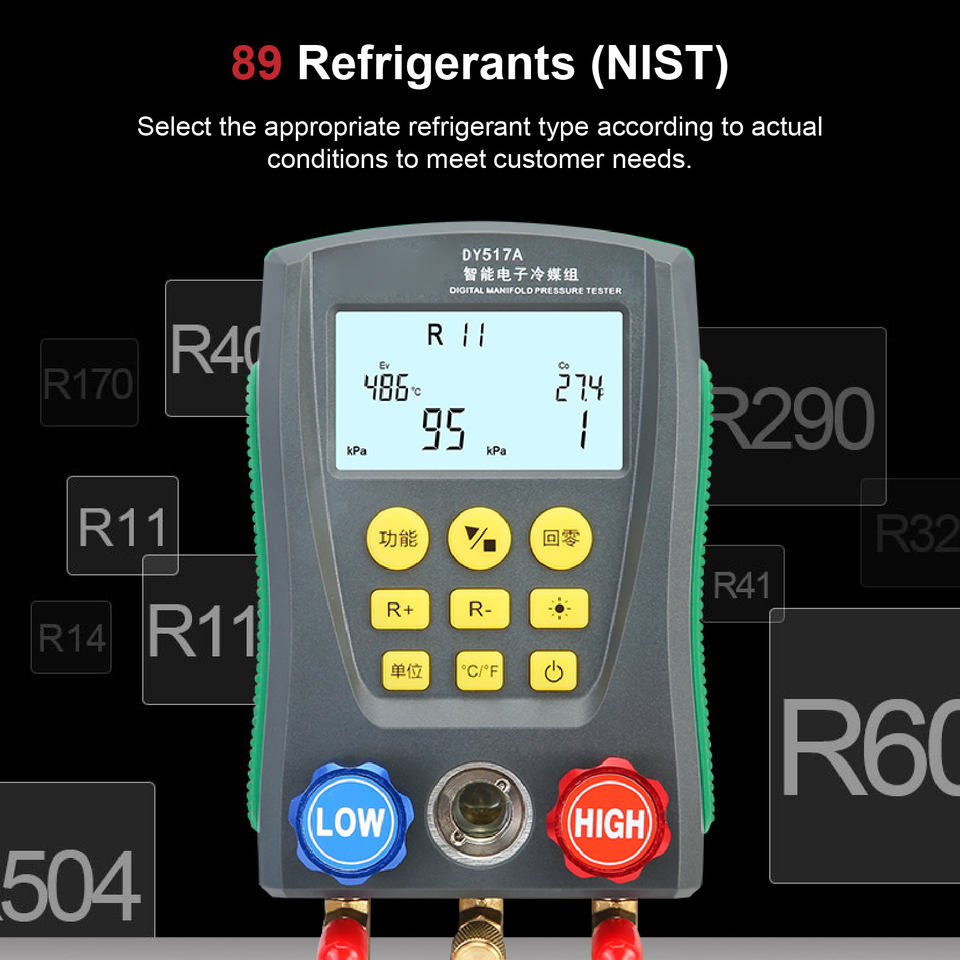
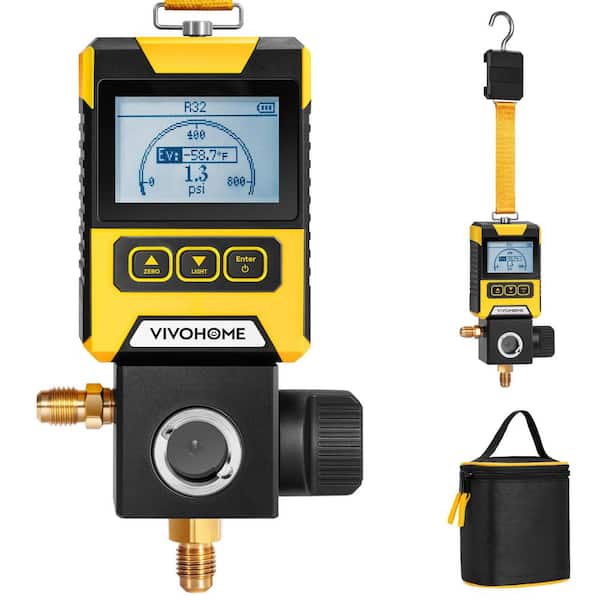
An AC gauge set measures system pressure on the low and high sides. It reads static and operating pressures. These numbers tell you how much refrigerant is in the system and how the system is behaving.
Gauges show pressure changes. A steady drop in pressure can point to a leak. But a pressure drop can also mean other issues like a stuck expansion valve, a failing compressor, or temperature differences.
Common gauge readings and what they hint at
- Low suction pressure and low head pressure — often not enough refrigerant or poor airflow.
- Low suction pressure and high head pressure — possible airflow block or overcharge in some systems.
- Gradual pressure loss when system is off — potential slow leak.
From my experience, gauges are the first tool I use. They give quick clues. But they are rarely the only tool I rely on for a confirmed leak.

Can an AC gauge detect refrigerant leaks?
Can an AC gauge detect refrigerant leaks? Yes, but with limits. A gauge can reveal abnormal pressures that suggest refrigerant loss. It can also confirm that a system is charged or losing charge.
A gauge can detect significant leaks because the pressures will fall or be out of expected ranges. For small or intermittent leaks, gauges often miss the leak unless you record pressures over time or use additional methods.
Practical scenarios
- Rapid pressure drop during operation — likely a larger leak or major failure.
- Slow pressure loss over days or weeks — possible small leak that a gauge alone won’t reliably reveal.
- Normal static pressures but poor cooling — could mean a sealed system issue not caused by a refrigerant leak.
Can an AC gauge detect refrigerant leaks? It often tells you there’s a leak, but not exactly where or how big it is. Use gauges to flag problems, then use targeted leak detection to confirm and locate the leak.

Signs of refrigerant leaks beyond gauge readings
Look for these signs alongside gauge data. Combining visual and sensory checks with pressure readings improves diagnosis.
Common signs
- Drop in cooling performance and longer run times.
- Ice forming on the evaporator coil or near service ports.
- Hissing sounds near lines or fittings.
- Oil stains on fittings or valves — refrigerant often leaves oil at the leak site.
I once diagnosed a system where gauges looked nearly normal. The owner noted an oily patch near a joint. That oil led me to a slow leak that the gauge alone had downplayed.

Limitations of AC gauges for leak detection
Can an AC gauge detect refrigerant leaks? It can indicate loss, but gauges have clear limits. Know these to avoid misdiagnosis.
Key limitations
- They cannot pinpoint leak location. Gauges show pressure, not where gas escapes.
- They may miss very small or intermittent leaks. Slow leaks require time-based monitoring or other tools.
- Ambient temperature and system load affect readings. A cold day can change pressures.
- Gauges measure total system pressure, so localized leaks on some circuits may not show clearly.
A gauge is a diagnostic hint, not a proof. Combine it with other methods for confident results.
Quick PAA-style question 1
How long should you monitor gauge readings to spot a slow leak?
Monitor pressures over several days with the system off and then running. A slow steady decline when off is a strong sign of a leak.
Quick PAA-style question 2
Can a charged indicator dye help after using a gauge?
Yes. Adding UV dye and using a UV lamp is a common next step after gauge readings suggest a leak.

Tools and methods that work with AC gauges for accurate leak detection
A layered approach works best. Use multiple tools to verify what gauges suggest.
Useful tools and methods
- Electronic leak detectors — sense refrigerant gas in air near lines and components.
- UV dye and UV lamp — helps spot oil-dye traces at the leak point.
- Soap bubble solution — simple, cheap, and effective on accessible joints.
- Nitrogen pressure testing — pressurize lines with dry nitrogen to find leaks without using refrigerant.
- Ultrasonic detectors — pick up the sound of escaping gas under pressure.
Step-by-step method I use
- Take baseline gauge readings with system off and then running.
- Record pressures to check for drops over time.
- Inspect for oil stains and listen for hissing.
- Use an electronic detector near fittings and joints.
- If needed, pressurize with nitrogen and test with soap or an electronic detector.
- Repair the leak and recover, evacuate, and recharge per spec.
Can an AC gauge detect refrigerant leaks? It plays a key role as the initial check. Then use detectors and pressure tests to find and confirm the leak.
Best practices for diagnosing and repairing refrigerant leaks
Follow safe steps. Improper handling risks injury and environmental harm.
Practical tips
- Turn off power before inspecting refrigerant lines.
- Use proper gauges and hoses rated for the refrigerant type.
- Recover refrigerant before opening the system. Follow regulations.
- Pressure-test with dry nitrogen rather than using system refrigerant as a tracer.
- After repair, evacuate the system and pull a vacuum to at least the manufacturer’s spec before recharging.
From field experience: don’t chase pressures alone. I once replaced a compressor because gauges suggested low charge. After a pressure test with nitrogen, we found a leaking line clamp that caused the problem. The clamp fix saved time and cost.

Frequently Asked Questions of Can an AC gauge detect refrigerant leaks?
What is the main role of an AC gauge in leak detection?
An AC gauge measures system pressure and helps detect abnormal pressure patterns that may indicate refrigerant loss. It’s a diagnostic starting point rather than a definitive leak locator.
Can an AC gauge find the exact spot of a refrigerant leak?
No. A gauge cannot pinpoint the leak location. You need detectors, UV dye, or pressure testing to locate the exact leak site.
Will a gauge detect a very small or slow leak?
Not reliably. Very small or intermittent leaks often require extended monitoring or more sensitive detectors to confirm.
Is nitrogen pressure testing safer than using refrigerant for leak checks?
Yes. Using dry nitrogen for pressure testing avoids releasing refrigerant and gives a clear way to find leaks with soap or electronic detectors.
Do all HVAC technicians use gauges the same way?
No. Gauge use varies by training and system type. Experienced technicians combine gauge readings with other tools and tests for accurate diagnosis.
Conclusion
An AC gauge can detect signs of refrigerant loss, but it cannot reliably locate small or intermittent leaks on its own. Use gauges as the first screen. Then add electronic detectors, UV dye, nitrogen pressure testing, and visual checks to find and fix the leak properly. If you suspect a leak, follow safety steps, recover refrigerant, and consider calling a licensed technician for repair and safe handling. Try the steps here on your system, subscribe for more HVAC tips, or leave a comment with your experience.

