

Digital AC gauges are typically accurate within 1–3% when properly calibrated and used.
I’ve worked with HVAC techs and tested many gauges in the field. I will walk you through how accurate are digital AC gauges, what affects their readings, and how to trust and verify measurements. This guide mixes clear facts, hands-on tips, and simple tests so you can get reliable pressure and temperature readings every time.

36% off Today’s Exclusive Deals
Limited-time Exclusive Deals. Check current discount on Amazon.
Check Price on Amazon As an Amazon Associate I earn from qualifying purchases.
How digital AC gauges work
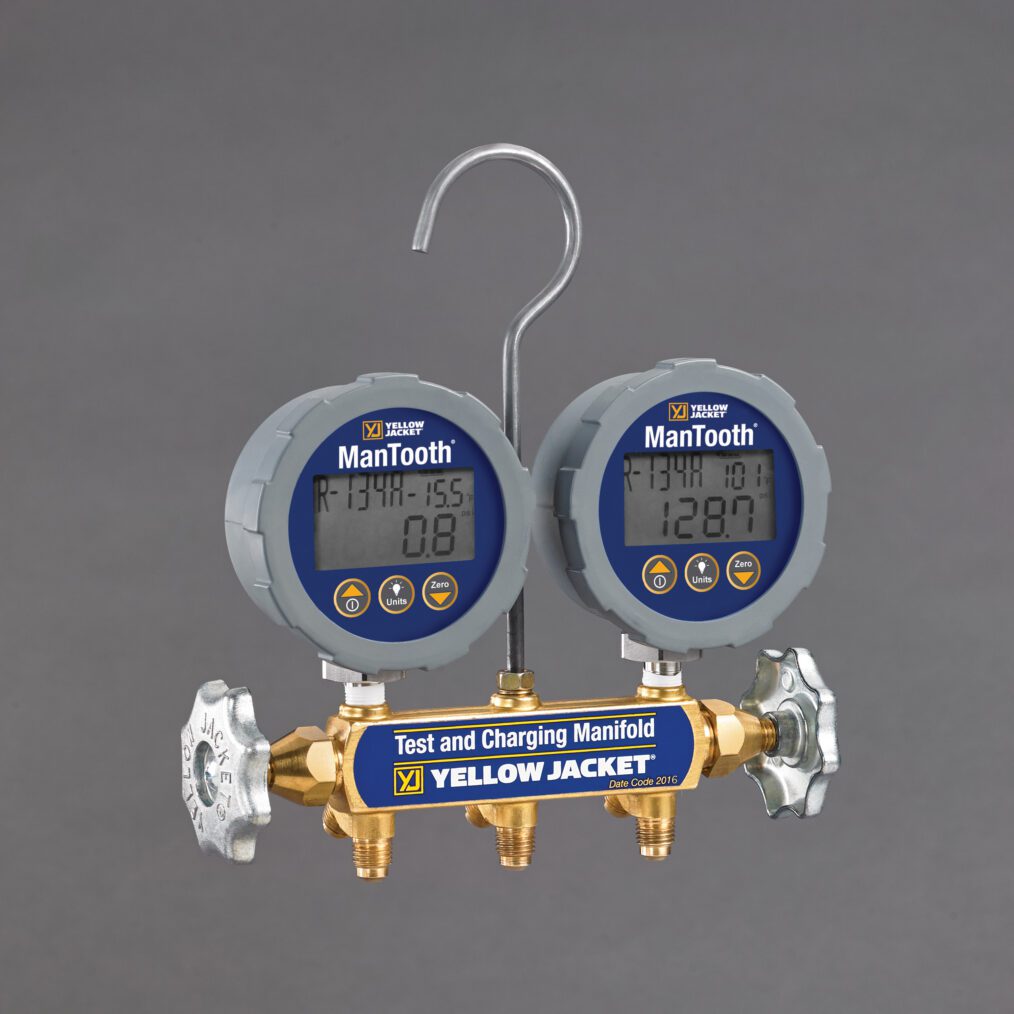
Digital AC gauges measure refrigerant pressure and sometimes temperature. They use electronic pressure sensors that convert pressure into a digital readout. Many models use piezoelectric or strain gauge sensors for stable output. Knowing how digital sensors work helps answer: How accurate are digital AC gauges?
Accuracy compared to analog gauges
Digital gauges often beat analog gauges in repeatability and resolution. They show smaller steps and fewer parallax errors than needle dials. However, cheap digital units can still drift or have temperature sensitivity. Comparing readings side-by-side is the best way to see real accuracy differences.

Factors that affect accuracy
Many things change gauge accuracy. Here are the main ones.
- Sensor quality: Higher-end sensors give lower error and better stability. Cheaper sensors can vary more.
- Calibration state: A gauge out of calibration can be off by several percent. Regular calibration keeps accuracy tight.
- Temperature: Electronics and sensors shift with ambient heat. Good units include temperature compensation.
- Hose length and fittings: Leaks or long hoses add small errors in real readings.
- Battery level: Low batteries may slow or change readings on some units.
Calibration, maintenance, and certification
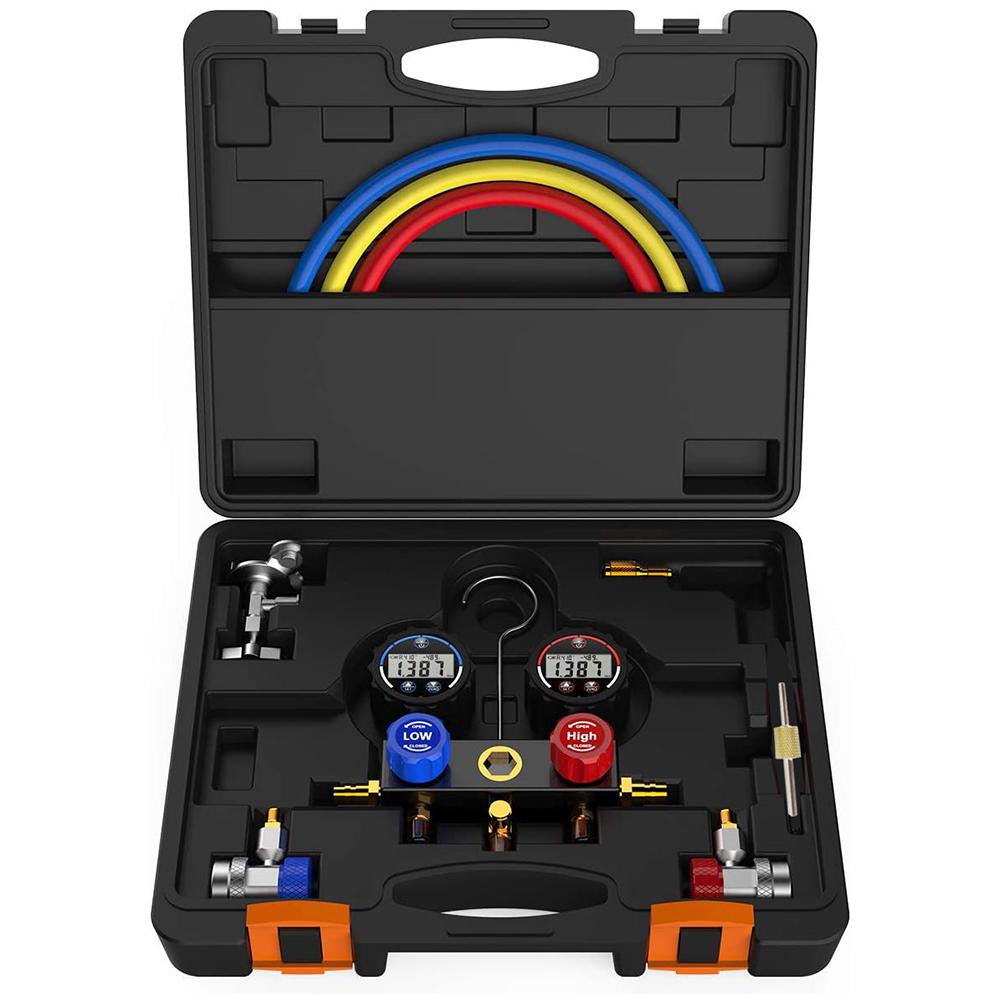
Calibration is the most important step to ensure accuracy. Send gauges to a lab or use a calibrated reference manifold for field checks. Follow a schedule: annual calibration is common; heavy use may need six-month checks. Keep connectors clean and hoses leak-free to preserve certified accuracy.

How to test and verify accuracy in the field
You can verify a digital AC gauge quickly with a few simple steps.
- Use a reference gauge: Compare your digital reading to a high-quality calibrated gauge.
- Check zero and scale: With vents closed, verify the gauge returns to true zero or ambient pressure reading.
- Perform a temperature compensation check: If the unit measures temperature, confirm it matches a known thermometer.
- Run a small known load: Observe repeatability by applying the same pressure twice and comparing readings.
These steps show if your gauge is trustworthy for diagnosing systems.
Practical tips and best practices
Small habits improve accuracy every day.
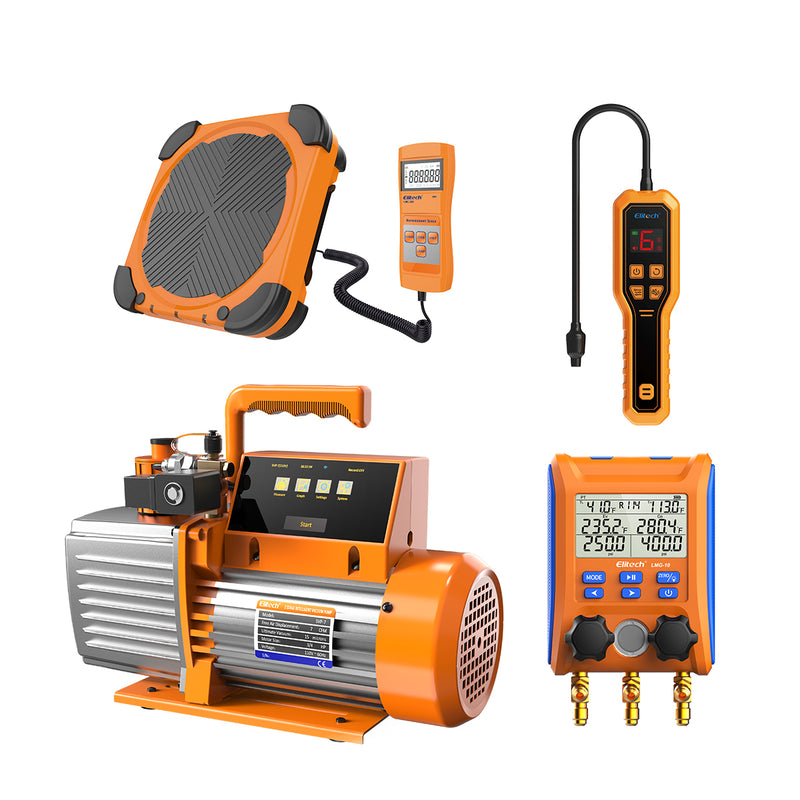
- Store gauges in a dry case away from heat and sun.
- Swap batteries before low-voltage warnings appear.
- Purge hoses before measuring to avoid contamination.
- Use short, quality hoses to reduce line errors.
- Calibrate regularly and keep calibration records for each tool.

Common mistakes and limitations
Even good gauges face limits. Watch out for these pitfalls.
- Expecting perfect absolute numbers: Field conditions cause small shifts.
- Ignoring temperature effects: Sensor drift with heat is real.
- Relying on a single reading: Take repeat readings for confidence.
- Using damaged hoses or fittings: Leaks skew results fast.
Buying guide: features to look for
Pick a gauge that matches how you work.
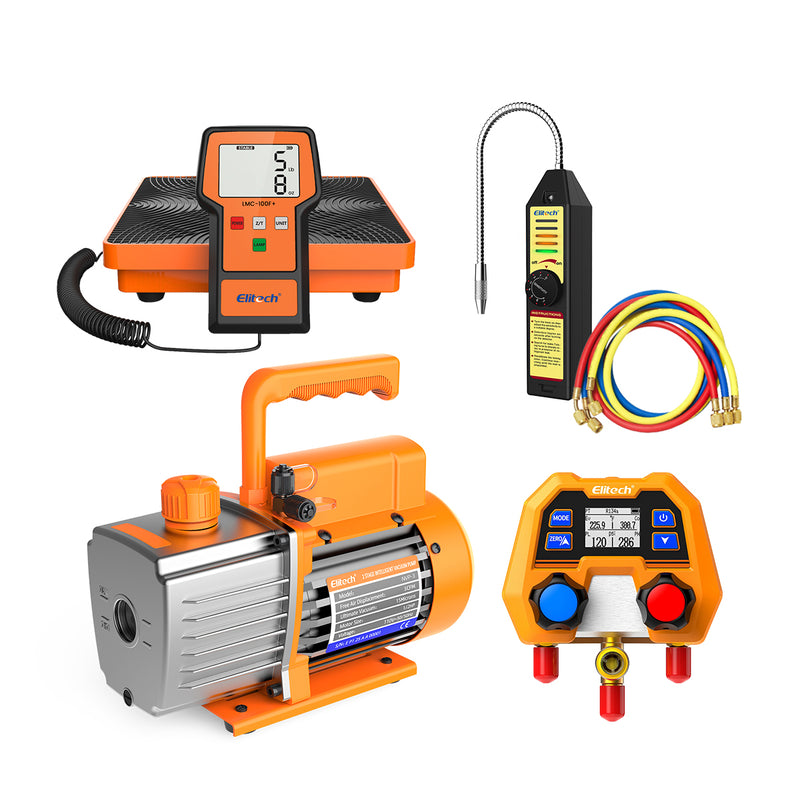
- Stated accuracy: Look for 1–3% reading accuracy on the datasheet.
- Calibration traceability: Prefer units calibrated to a recognized standard.
- Temp compensation: Built-in compensation improves real-world accuracy.
- Durable fittings and hoses: Metal fittings and braided hoses last longer.
- Data logging and USB: Useful for verification and service records.
These features help answer how accurate are digital AC gauges in real use.

Personal experience and real-world notes
I’ve used mid-range and pro-level digital AC gauges on systems from small split units to rooftop chillers. The pro units stayed within 1% after months of use. I once trusted a cheap unit and missed a small undercharge; that cost time and repeat trips. The lesson: spend on quality sensors and keep a simple verification routine. That habit gave me reliable answers to “How accurate are digital AC gauges?” in the field.
Frequently Asked Questions of How accurate are digital AC gauges?
How accurate are digital AC gauges compared to lab instruments?
Most good digital AC gauges reach 1–3% accuracy in the field. Lab instruments can be tighter, but field-grade accuracy is usually adequate for HVAC work.
How often should I calibrate a digital AC gauge?
Calibrate at least once a year for regular use and every six months for heavy use. Recalibrate immediately after any drop or damage.
Can ambient temperature affect digital AC gauge readings?
Yes. Temperature can shift sensor readings, but many quality gauges include temperature compensation to offset this effect. Still, verify in varied temperatures when possible.
Is a cheap digital AC gauge reliable for diagnostics?
Cheap units may work for rough checks but can drift and lack traceable calibration. For accurate diagnosis, invest in mid-to-high-end models.
How do I verify my digital AC gauge in the field?
Compare it against a calibrated reference gauge, check zero, and test repeatability under the same conditions. Simple tests like these reveal most accuracy issues.
Conclusion
Digital AC gauges can be highly accurate when you choose quality units and follow good practices. Use regular calibration, simple field checks, and solid handling to get consistent 1–3% accuracy. Start by verifying any new tool and keep a log of calibration dates. Take action: check your gauge today, note its calibration date, and upgrade if it can’t meet the accuracy you need. Share your experience or ask a question below to learn more.

