

Low pressure usually means low refrigerant, a restriction, or a faulty gauge reading.
I’ve worked on dozens of residential and automotive systems, and I know how confusing a low reading on an AC gauge can feel. This guide explains why is my AC gauge showing low pressure? in clear, practical terms. You’ll learn how gauges work, the most common causes, step-by-step diagnostic checks you can do safely, repair and cost expectations, and maintenance tips that prevent repeat problems. Read on to get confident about what that low pressure reading really means and what to do next.

36% off Today’s Exclusive Deals
Limited-time Exclusive Deals. Check current discount on Amazon.
Check Price on Amazon As an Amazon Associate I earn from qualifying purchases.
How AC gauges work and what “low pressure” means
An AC gauge set measures refrigerant pressure in the system. Low-side and high-side gauges show pressure under different conditions. When the low-side gauge reads low, it signals one of a few possible issues.
Pressure depends on refrigerant amount, temperature, and system flow. The gauge itself can also be wrong because of leaks, blockages, or user error. Knowing the basics helps you decide whether you need a simple fix or a professional repair.

Common causes of low pressure on the AC gauge
Below are the usual reasons you see low pressure on the gauge. Each cause affects pressure in a different way and needs a different fix.
- Low refrigerant charge – The system lost refrigerant through a leak or poor installation.
- Refrigerant leak – Even small leaks drop pressure over time and reduce cooling.
- Blocked or clogged expansion device – A clogged thermal expansion valve or orifice tube cuts refrigerant flow to the evaporator and lowers low-side pressure.
- Frozen evaporator – Low airflow or very low refrigerant can freeze moisture on the coil and make the pressure fall.
- Faulty gauge or hose – A damaged gauge, dirty hose, or stuck valve can report incorrect pressure.
- Compressor issues – A weak or failing compressor may not circulate refrigerant well, showing low pressure on the low side.
- High ambient temperature misreading – Pressure readings depend on outdoor temperature; comparing to correct target pressures matters.

Step-by-step diagnosis if your gauge is showing low pressure
Follow these safe and logical steps before assuming the worst.
- Check the gauge and setup
- Confirm gauges are attached correctly and valves are open.
- Inspect hoses for cracks, kinks, or blockages.
- Verify gauge calibration if available.
- Measure at known conditions
- Record pressures with the system off, idle, and under load.
- Compare readings to temperature-based pressure charts for your refrigerant.
- Look for leaks
- Use a UV dye or electronic detector to check service ports, hoses, fittings, and coils.
- Smell for oil or use bubble solution on exposed fittings.
- Check airflow and evaporator
- Ensure air filters are clean and blower runs properly.
- Poor airflow can cause low pressure and evaporator icing.
- Test compressor operation
- Listen for odd noises and check for correct clutch engagement in vehicle systems.
- Low suction pressure with a running compressor points to low refrigerant or internal restriction.
- Inspect expansion device
- A blocked or stuck expansion valve often drops low-side pressure sharply.
- Symptoms include fluctuating temperature and pressure readings.
These steps help you answer why is my AC gauge showing low pressure? in a methodical way. If you find a simple issue, you may be able to fix it. If not, you’ll have information for a technician.

Repair options, costs, and what to expect
Repairs vary widely depending on the cause. Here are common fixes and realistic costs.
-
Refrigerant recharge
-
Description: Add correct refrigerant after confirming no active leak.
-
Typical cost: Low to moderate, depending on refrigerant price and amount.
-
Leak repair and recharge
-
Description: Locate and reseal or replace leaking components, then recharge.
-
Typical cost: Moderate to high, depending on leak location and labor.
-
Replace expansion device or orifice tube
-
Description: Remove and replace clogged or faulty metering device.
-
Typical cost: Moderate; labor varies by system accessibility.
-
Compressor replacement
-
Description: Replace compressor and often receiver/drier or accumulator.
-
Typical cost: High; compressors are expensive and require proper evacuation and recharge.
-
Gauge or hose replacement
-
Description: Replace faulty gauges or hoses.
-
Typical cost: Low.
Important tips on repairs
- Never add refrigerant without finding leaks first.
- Use the correct refrigerant and follow manufacturer specs.
- Professionals will evacuate the system with a vacuum pump and weigh the refrigerant during recharge.

Preventive maintenance to avoid low-pressure readings
Good maintenance avoids surprises and saves money.
-
Schedule regular tune-ups
-
Replace filters and clean coils on a regular schedule.
-
Inspect belts and electrical connections for the compressor.
-
Monitor system performance
-
Keep a simple log of pressures and temperatures to spot trends early.
-
Address small leaks quickly before they cause major damage.
-
Maintain proper airflow
-
Clear debris from outdoor condensers and keep indoor vents unblocked.
-
Replace cabin filters in vehicles on time.
-
Use quality parts and proper charge
-
Cheap refrigerant or incorrect charging causes recurring low pressure issues.
-
Follow OEM service intervals for major components.
From years of fieldwork, systems with routine checks rarely return with low-pressure surprises. A little attention goes a long way.

PAA-style questions you might be asking right now
Why is my AC gauge showing low pressure when the compressor is running?
If the compressor runs but low pressure persists, likely causes are low refrigerant charge, a metering device blockage, or an internal compressor issue. Check for leaks, airflow, and expansion device operation.
Will adding refrigerant fix a low pressure reading?
Adding refrigerant can raise pressure temporarily, but it masks leaks. First confirm no leaks and that the compressor and metering device work properly.
Can a clogged filter cause low pressure on the gauge?
Yes. A dirty filter lowers evaporator airflow, which can cause lower evaporator pressure and a low-side gauge reading.
How accurate are DIY gauge readings?
DIY readings can be accurate if gauges are in good condition and you follow correct procedures. Calibration, hose condition, and temperature compensation matter.
How quickly should low pressure be addressed?
Fix low pressure promptly. Prolonged low refrigerant or frozen evaporators can damage the compressor and reduce efficiency.
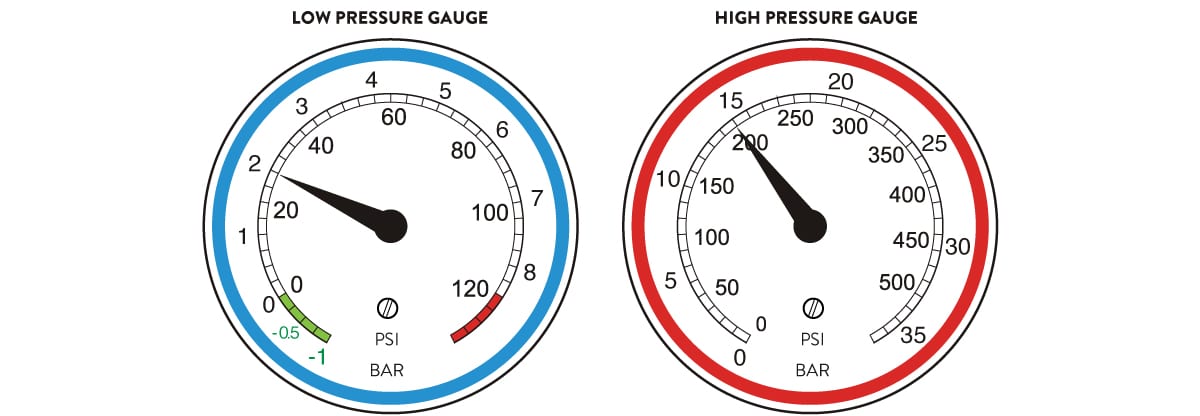
Frequently Asked Questions of Why is my AC gauge showing low pressure?
What does a low reading on the low-side gauge mean?
A low reading usually indicates low refrigerant, a flow restriction, or poor evaporator airflow. It can also result from gauge or hose problems.
Can a leak cause the low-side pressure to drop suddenly?
Yes, a significant leak can cause a sudden drop. Small leaks typically lower pressure gradually and reduce cooling over time.
Is it safe to add refrigerant myself when the gauge shows low pressure?
Only add refrigerant if you can confirm no active leaks and you know the correct type and charge amount. Otherwise call a qualified technician.
Why does the low-side pressure drop when the evaporator is frozen?
A frozen evaporator blocks airflow and reduces heat transfer, causing pressure to fall. Thawing and fixing airflow or refrigerant issues is required.
Could a bad gauge be the reason I see low pressure?
Yes. Damaged gauges, clogged hoses, or closed service valves can show falsely low readings. Inspect and replace faulty gauge equipment.
Conclusion
A low reading on an AC gauge points to a few key problems: low refrigerant, a restriction, airflow issues, or faulty measurement tools. Use logical checks—inspect gauges, search for leaks, verify airflow, and test compressor and expansion devices—so you know whether you can safely fix it or need a pro. From my hands-on experience, catching small leaks early and keeping to a maintenance schedule prevents most low-pressure headaches. Take action now: inspect your setup, log readings, and contact a certified technician if you’re unsure. Share your experience or questions below, or subscribe for step-by-step troubleshooting guides.

