

Yes. AC gauges are essential for safe, accurate refrigerant charging and proper system diagnosis.
I’ve spent years working in HVAC repair and training techs. I’ll walk you through why the question “Are AC gauges necessary for refrigerant charging?” matters. This article explains how gauges work, when they are required, the risks of guessing refrigerant levels, and real-world tips from field work. Read on to learn clear, practical steps you can trust.

36% off Today’s Exclusive Deals
Limited-time Exclusive Deals. Check current discount on Amazon.
Check Price on Amazon As an Amazon Associate I earn from qualifying purchases.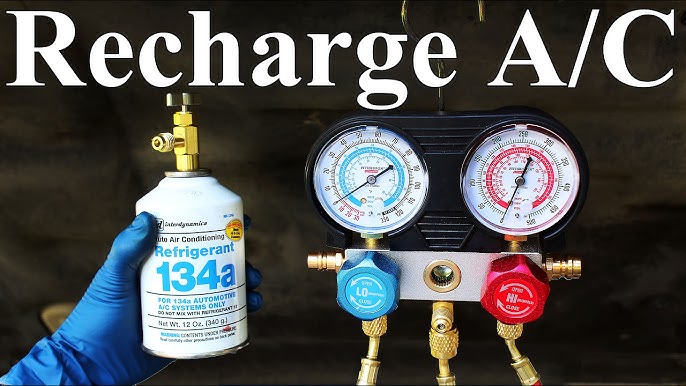
Are AC gauges necessary for refrigerant charging? Clear overview and why it matters
If you ask, "Are AC gauges necessary for refrigerant charging?" the short answer is yes for accurate and safe work. Gauges read pressure. Pressure tells you how much refrigerant is in the system. Without gauges, charging is guesswork.
AC gauges do more than count refrigerant. They reveal leaks, blockages, and system health. For pros and careful DIYers, gauges are a core tool. Below I explain how they help, when you might not need them, and the legal and safety reasons to use them.

How AC gauges work and what they measure
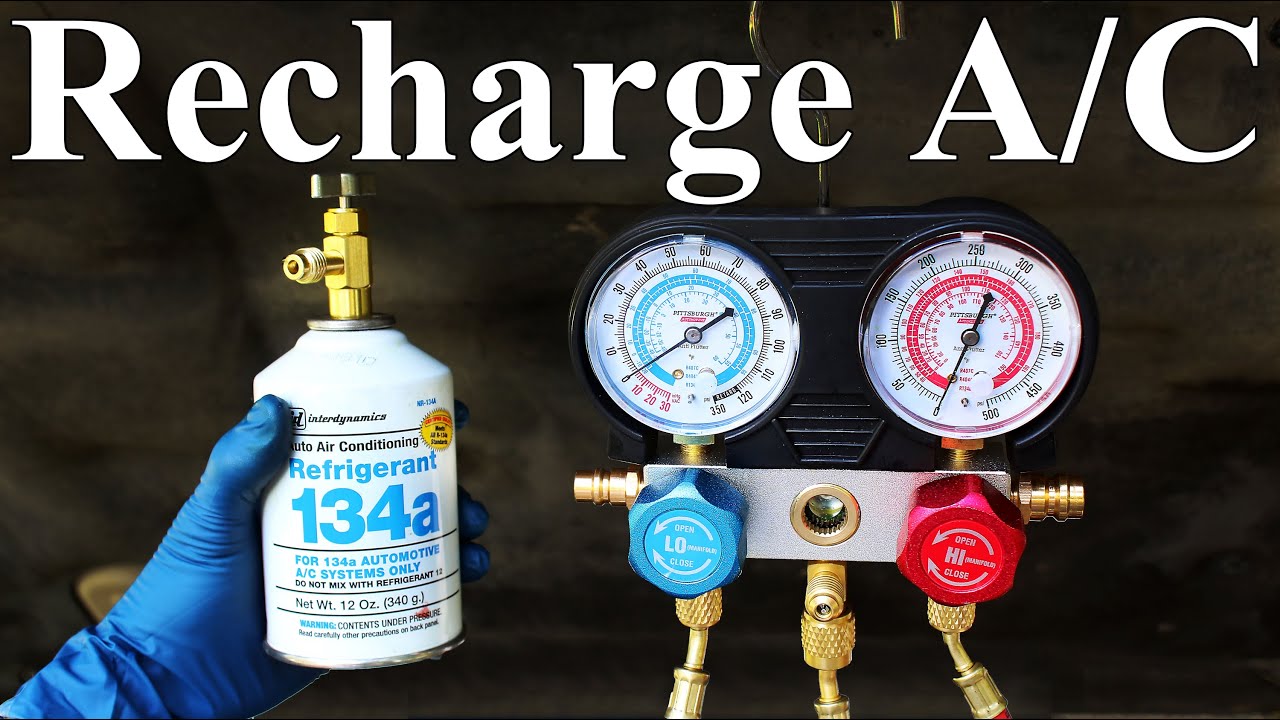
AC gauges attach to the service ports on an air conditioner. They measure low-side and high-side pressures. Those pressure readings help you figure out refrigerant state and charge.
Techs use pressure plus temperature to find the correct charge. Gauges come in two types. Analog gauges show needle pressure. Digital gauges give exact numbers and charts. Both map to refrigerant tables used in safe charging.

Why AC gauges are necessary for refrigerant charging
- Diagnose problems quickly. Gauges show if pressures are too high or low, pointing to leaks, bad compressors, or blocked coils.
- Ensure correct refrigerant amount. Proper charge keeps efficiency and extends equipment life.
- Protect the system. Overcharging or undercharging causes poor cooling and compressor damage.
- Meet legal and safety rules. Many regions require certified work and records.
I learned this the hard way. Early in my career, I topped up a system by feel. It ran poorly and the compressor failed in months. After that, I always used gauges and followed pressure-to-temperature charts. That saved time and money.

When you might not need AC gauges for refrigerant charging
There are a few narrow cases where gauges are not used:
- New sealed systems shipped pre-charged and labeled with correct refrigerant mass.
- Some plug-and-play mini-split units that are factory sealed and come with a fixed charge.
- Temporary diagnostics where a quick temperature check can confirm obvious faults.
Even then, gauges are helpful for confirmation. If you want a confident, accurate job, use gauges. If you skip them, expect more risk and less predictability.
Step-by-step: charging refrigerant correctly with AC gauges
- Prepare safety gear. Wear goggles and gloves. Work in a ventilated space.
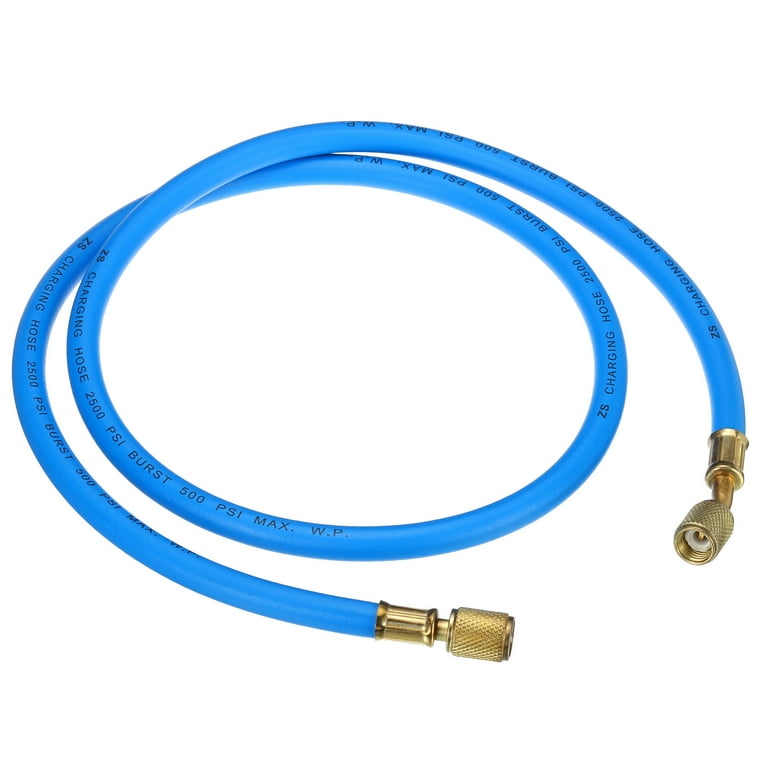
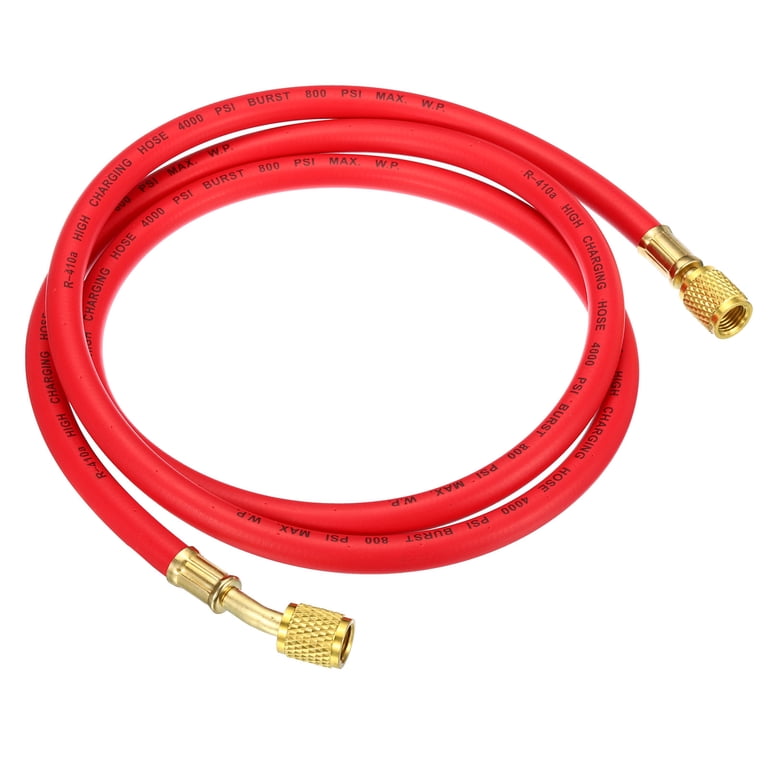
- Connect the gauges. Attach hoses to low and high service ports. Tighten fittings.
- Read static pressures. With the system off, note both sides. This helps find leaks.
- Start the system and record operating pressures and temperatures. Use a temperature probe at the suction line.
- Compare readings to the refrigerant pressure-temperature chart. This shows target pressures.
- Add refrigerant in small amounts. Do not dump refrigerant in quickly. Re-check pressures after each addition.
- Stop when pressures and temperature match spec. Monitor system run behavior for 10–15 minutes.
I follow this method on every job. It makes the process repeatable and reduces callbacks. If you don’t use gauges, you lose the feedback loop that prevents mistakes.
Safety, regulations, and environmental concerns
- Legal requirements: Many areas require certified technicians to handle refrigerants. Proof of correct charging may be needed.
- Environmental harm: Refrigerants are regulated. Overcharging and leaks release greenhouse gases. Proper charging reduces leaks and waste.
- Personal safety: Refrigerant can cause frostbite and asphyxiation in confined spaces. Gauges let you work without guesswork.
I always log pressure readings and refrigerant amounts. This record helps with compliance and future service. If you’re unsure about local rules, check with a licensed pro.
Common mistakes and how to avoid them
- Adding refrigerant without gauges. Result: wrong charge. Fix: always use gauges.
- Relying on temperature only. Result: hidden issues like restrictions. Fix: use both temp and pressure.
- Overcharging quickly. Result: compressor stress. Fix: add small amounts and re-test.
- Using the wrong refrigerant type. Result: system failure. Fix: verify refrigerant type before charging.
- Poor gauge calibration. Result: misleading data. Fix: use quality gauges and check calibration.
From my experience, rushing leads to the biggest errors. Slow, methodical checks prevent most problems.

Tools and accessories that pair with AC gauges
- Vacuum pump for evacuating moisture and air.
- Manifold set with built-in valves for safe control.
- Digital temperature probe to pair pressure with temperature.
- Scale for weighing refrigerant when charging by mass.
- Leak detector to find slow leaks before charging.
Using gauges with a scale gives the best result. Mass-based charging is more accurate than pressure-only methods. I carry both and use the scale on precision jobs.
Cost vs. value: are gauges worth buying?
Gauges range from budget to professional models. A basic set is affordable. A good digital set costs more but saves time and reduces errors.
Think of gauges as insurance. They pay off by avoiding failed compressors, lost time, and callbacks. For a homeowner who rarely works on AC, hiring a pro is cheaper than buying gear. For pros and frequent DIYers, gauges are a must.
Real-world examples and lessons learned
- Example 1: A condo unit with low cooling. Gauge readings showed a big suction pressure drop. Leak found at a brazed joint. Fix saved the compressor.
- Example 2: A rooftop unit had high head pressure. Gauges revealed a dirty condenser and a metering device issue. Cleaning and part swap fixed it.
- Lesson: Pressures tell a story. Reading them correctly leads to the right fix.
These cases taught me to trust my gauges but also to cross-check with temperatures and equipment history.
PAA-style questions (common user intents)
- Are AC gauges necessary for refrigerant charging? Yes, they provide the data you need to charge safely and accurately.
- Can I charge an AC by weight instead of gauges? You can charge by weight, but using gauges plus a scale gives the best result.
- Will a slight overcharge harm my AC? Even a small overcharge can reduce efficiency and stress the compressor over time.
- Do DIYers need a license to use refrigerant gauges? Some regions allow DIY with approved refrigerants, but many require certification for handling regulated refrigerants.
- Are digital gauges better than analog? Digital gauges offer precision and data logging, while analog can be rugged and cheaper.
Are AC gauges necessary for refrigerant charging? final takeaway and best practice
When you ask, "Are AC gauges necessary for refrigerant charging?" the best practice is clear: use them. They provide crucial pressure data, reduce risk, and help meet legal and environmental rules. For professionals, gauges are non-negotiable. For DIYers, invest in a quality set or hire a certified tech.
Practical next steps:
- Learn to read pressure-temperature charts.
- Use a scale for mass charging when possible.
- Keep records of readings and refrigerant amounts.
Frequently Asked Questions about Are AC gauges necessary for refrigerant charging?
Are AC gauges necessary for refrigerant charging?
Yes. Gauges give real pressure data needed to find the correct charge and system faults. Charging without them is guesswork.
Can I charge my AC without gauges if I use a thermometer?
A thermometer helps, but it does not replace pressure readings. Use both for an accurate charge.
What happens if I overcharge my AC?
Overcharging raises head pressure, reduces efficiency, and can damage the compressor over time. It also increases the risk of leaks.
Are digital gauges worth the extra cost?
Digital gauges provide precise readings and data logging, which improves diagnosis and repeatability. They are worth it for pros and serious DIYers.
Do I need certification to use AC gauges?
Many regions require certification to handle regulated refrigerants. Check local rules before purchasing or handling refrigerant.
Conclusion
AC gauges are a practical tool that make refrigerant charging safer, faster, and more accurate. They reduce guesswork, prevent damage, and help meet legal and environmental standards. Start by learning pressure-temperature basics, use a quality gauge set, and keep good service records. If you’re not comfortable, hire a certified technician.
Try this approach on your next service. Share your results or questions below, subscribe for more HVAC tips, or book a pro if you prefer hands-off certainty.

