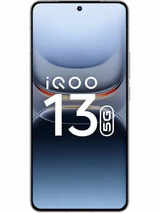
The smartphone world is changing fast, and 2024 brings two powerful devices: the Samsung Galaxy Z Flip 7 and the iQOO 13. Both are popular for different reasons—one for its unique folding design, the other for raw performance. If you are thinking about buying a new phone, comparing these two can help you make a smart choice. This article looks closely at seven important factors: design, display, performance, camera, battery, software, and price. You’ll see real data, clear examples, and some points many users miss. You will also find tables for direct comparison and answers to common questions. Whether you care about style, speed, or value, this guide will help you decide which phone fits you best.
Design
The design of a phone is the first thing people notice. The Samsung Galaxy Z Flip 7 grabs attention with its folding screen. It looks modern, almost futuristic. When closed, it’s compact and easy to carry. The hinge feels stronger than before, and Samsung says it can survive over 200,000 folds. The outside is made of Armor Aluminum and Gorilla Glass Victus 2, which protects it from drops and scratches.

36% off Today’s Exclusive Deals
Limited-time Exclusive Deals. Check current discount on Amazon.
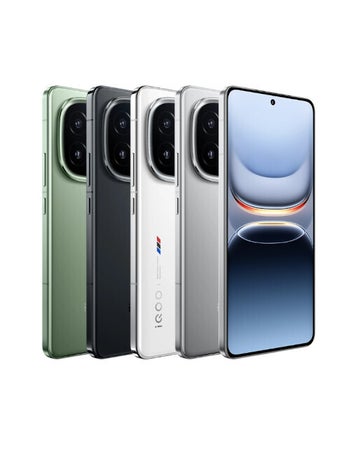
Check Price on Amazon As an Amazon Associate I earn from qualifying purchases.On the other side, the iQOO 13 follows a classic style. It has a regular, non-folding body, but it feels premium. The back uses matte glass with a metallic frame. The device is slim, and the corners are rounded for comfort. iQOO offers several colors, like Neon Blue and Carbon Black.
A non-obvious point: the Z Flip 7 is easier to fit in a small pocket or purse. However, its folding design also means there is a visible crease on the screen, which some users find distracting. The iQOO 13’s body is more solid, but it takes up more space. If you want a phone that stands out, the Z Flip 7 is the winner. If you value durability and simplicity, the iQOO 13 is better.
| Feature | Galaxy Z Flip 7 | iQOO 13 |
|---|---|---|
| Type | Foldable | Bar (Non-foldable) |
| Material | Armor Aluminum, Gorilla Glass Victus 2 | Matte Glass, Metal Frame |
| Weight | 188g | 195g |
| Colors | Graphite, Lavender, Cream | Neon Blue, Carbon Black, Pearl White |
| Water Resistance | IPX8 | IP68 |
Display
The display affects everything—watching videos, reading, or gaming. The Z Flip 7 uses a 6.7-inch Dynamic AMOLED main screen with FHD+ resolution (2640×1080 pixels) and a 120Hz refresh rate. When closed, you get a small cover screen (3.4-inch Super AMOLED) that shows notifications, widgets, or selfies.
The iQOO 13 has a larger 6.8-inch LTPO AMOLED display with QHD+ resolution (3200×1440 pixels) and a 144Hz refresh rate. The screen is flat, bright, and supports HDR10+. Colors look more natural and the higher resolution makes text sharper.
One insight many people miss: The Z Flip 7’s folding screen is flexible, but its crease is visible, especially in sunlight. Also, its cover screen is useful for quick tasks, but too small for serious work. The iQOO 13’s display is better for gamers and anyone who likes watching movies.
Brightness is another key point. The Z Flip 7 reaches up to 1,800 nits, which is good for outdoor use. The iQOO 13 goes up to 2,000 nits, making it even easier to see in sunlight.
| Feature | Galaxy Z Flip 7 | iQOO 13 |
|---|---|---|
| Main Screen Size | 6.7-inch | 6.8-inch |
| Resolution | FHD+ (2640×1080) | QHD+ (3200×1440) |
| Refresh Rate | 120Hz | 144Hz |
| Cover Screen | 3.4-inch | None |
| Peak Brightness | 1,800 nits | 2,000 nits |

Performance
When it comes to performance, both phones use the latest technology, but their focus is different. The Z Flip 7 runs on the Snapdragon 8 Gen 3 processor with 8GB or 12GB RAM. It handles daily tasks smoothly, and multitasking is fast. The folding design also allows Flex Mode, where the phone stands by itself for video calls or hands-free selfies.
The iQOO 13 uses the Snapdragon 8 Gen 3 too, but adds up to 16GB RAM and UFS 4.0 storage for faster file access. It’s built for speed, especially in gaming. Benchmark tests show the iQOO 13 scores over 1.7 million points on AnTuTu, which is higher than the Z Flip 7’s 1.6 million.
A practical insight: The Z Flip 7’s processor is fast, but the phone can get warm during long video calls or when folded for a long time. The iQOO 13 has a vapor chamber cooling system, which keeps temperatures lower during heavy gaming.
Another point: The iQOO 13 supports Wi-Fi 7, while the Z Flip 7 offers Wi-Fi 6E. Wi-Fi 7 is faster and more stable, but only useful if your router supports it.
Camera
Cameras are important for most users. The Z Flip 7 features a dual rear camera: a 50MP main sensor and a 12MP ultra-wide lens. The front camera is 10MP. Samsung’s software adds AI enhancements for better colors and low-light shots. The folding design lets you use the rear cameras for selfies, which means higher quality self-portraits.
The iQOO 13 has a triple camera setup: a 50MP main sensor, a 12MP telephoto lens (2x optical zoom), and a 48MP ultra-wide lens. The front camera is 16MP, which gives clearer selfies.
An overlooked detail: The Z Flip 7’s camera is best for creative angles and hands-free shots. For example, you can set it on a table, fold it halfway, and take a group photo without a tripod. The iQOO 13’s telephoto lens is excellent for zoomed shots, like at sports events or concerts.
Night photography is strong on both phones, but iQOO 13’s larger sensor captures more light. Video recording quality is also good: Z Flip 7 records up to 4K 60fps, while iQOO 13 does 8K 30fps. If you want more camera features, iQOO 13 wins. If you want creative selfies, Z Flip 7 is better.
| Feature | Galaxy Z Flip 7 | iQOO 13 |
|---|---|---|
| Main Rear Camera | 50MP | 50MP |
| Ultra-wide | 12MP | 48MP |
| Telephoto | None | 12MP (2x zoom) |
| Front Camera | 10MP | 16MP |
| Video Recording | 4K 60fps | 8K 30fps |
Battery
Battery life is often a deciding factor. The Z Flip 7 has a 3,800mAh battery, which is small compared to other phones. Samsung improved efficiency, so it lasts about 14 hours with mixed use. Fast charging is supported (25W wired, 15W wireless), but charging from 0% to 100% takes about 70 minutes.
The iQOO 13 has a bigger 5,000mAh battery. It lasts up to 20 hours with normal use, which is impressive. The phone supports 120W wired charging, filling the battery from 0% to 100% in just 22 minutes. Wireless charging is not available.
A non-obvious insight: The Z Flip 7’s battery is enough for casual users, but heavy users (gaming, video recording) will need to charge more often. The iQOO 13 is more reliable for people who travel or use their phone all day.
Another practical tip: The Z Flip 7’s battery life drops faster if you use the cover screen often or keep the main screen open for long periods. The iQOO 13’s battery is bigger, but fast charging means you rarely worry about running out.
Software
Software experience makes a phone enjoyable or frustrating. The Z Flip 7 runs One UI 6.1 based on Android 14. Samsung offers at least 4 years of software updates and 5 years of security patches. The interface is easy to use, with many customization options. Flex Mode lets you split the screen when folded, and there are special widgets for the cover screen.
The iQOO 13 uses OriginOS 4.0 on Android 14. It is fast, clean, and focused on performance. iQOO promises 3 years of updates and 4 years of security patches. The software has gaming tools, like Game Space, which boosts performance and blocks notifications during gaming. There are also options for customizing themes and icons.
One thing many users don’t realize: Samsung’s software is more polished, especially for multitasking and foldable features. The iQOO 13’s software is lighter and less cluttered, which some users prefer. However, Samsung’s longer update policy means your phone stays secure for more years.
Another insight: The Z Flip 7 supports Samsung DeX, so you can connect to a monitor and use your phone like a PC. The iQOO 13 does not have a desktop mode.
Price
Price is always important. The Z Flip 7 starts at $999 for the 8GB/256GB model. Prices go up for more storage. Samsung sometimes offers trade-in deals or bundles, like free cases or wireless chargers.
The iQOO 13 starts at $799 for the 12GB/256GB model. The 16GB/512GB version costs $899. iQOO phones are often sold online, sometimes with discounts or gifts.
A common mistake: People focus only on the starting price. But remember to check what is included—warranty, accessories, or after-sales support. Samsung has more global support centers, while iQOO’s service is stronger in Asia.
Another point: If you want a unique design and folding screen, Z Flip 7 is worth the extra cost. If you want top specs for less money, iQOO 13 is the smarter buy.
User Experience
How do these phones feel in daily use? The Z Flip 7 is fun and stylish. You can open it with one hand, use the cover screen for quick checks, and fold it to save space. People often notice and ask about it—it’s a conversation starter.
The software is smooth, and the camera is good for selfies and creative shots.
The iQOO 13 is about power. Apps open instantly, games run without lag, and the battery lasts longer. The camera is flexible for different situations—wide shots, zoom, or night photos. The display is bigger and brighter, making movies and games look great.
A hidden insight: The Z Flip 7’s folding screen is exciting, but it takes time to get used to. Some apps don’t work well in Flex Mode, and the crease can be distracting. The iQOO 13 is reliable and simple, but it lacks the “wow” factor of a foldable.
Another tip: Both phones are good for multitasking, but Samsung’s software makes it easier to split the screen or use pop-up windows. iQOO’s gaming tools are better for people who play a lot.
Which Phone Should You Choose?
Choosing between the Samsung Galaxy Z Flip 7 and iQOO 13 depends on your needs.
- Pick the Z Flip 7 if you want a unique design, creative selfies, and longer software support. It’s perfect for those who value style and innovation.
- Choose the iQOO 13 if you need speed, battery life, and a great camera for less money. It’s ideal for gamers, heavy users, or anyone who likes a solid, classic phone.
Here is a summary table to help you decide:
| Feature | Galaxy Z Flip 7 | iQOO 13 |
|---|---|---|
| Design | Foldable, stylish | Classic, durable |
| Display | 6.7-inch AMOLED, cover screen | 6.8-inch AMOLED, higher resolution |
| Performance | Snapdragon 8 Gen 3, up to 12GB RAM | Snapdragon 8 Gen 3, up to 16GB RAM |
| Camera | Dual rear, creative selfies | Triple rear, telephoto, better zoom |
| Battery | 3,800mAh, slower charging | 5,000mAh, fast charging |
| Software | One UI, DeX, longer updates | OriginOS, gaming tools |
| Price | $999+ | $799+ |
For more details about smartphone specs, visit the official Samsung Galaxy Z Flip page.
Frequently Asked Questions
Is The Samsung Galaxy Z Flip 7’s Folding Screen Durable?
Yes, the Z Flip 7’s screen uses Ultra Thin Glass and a strong hinge. It is tested for over 200,000 folds. However, avoid pressing hard on the screen and keep it away from sharp objects. Some users notice a crease, but it does not affect function.
Does The Iqoo 13 Support Wireless Charging?
No, the iQOO 13 does not have wireless charging. It supports 120W wired charging, which is much faster than most phones. You can fully charge the phone in about 22 minutes.
Which Phone Is Better For Gaming?
The iQOO 13 is better for gaming. It has a 144Hz display, vapor chamber cooling, and up to 16GB RAM. Games run smoother, and the phone stays cooler. The Z Flip 7 can play games well, but it may get warm during long sessions.
How Long Will Software Updates Be Available?
Samsung promises 4 years of Android updates and 5 years of security patches for the Z Flip 7. iQOO offers 3 years of updates and 4 years of security patches for the 13. Samsung’s policy is longer and gives more peace of mind.
What Are The Main Differences In Camera Quality?
The Z Flip 7 has a dual camera and uses the folding design for creative selfies. The iQOO 13 has a triple camera with a telephoto lens, better for zoom and wide shots. Both phones take good photos, but iQOO 13 is more flexible for different scenes.
Smartphone choices are personal. Both the Samsung Galaxy Z Flip 7 and iQOO 13 are excellent, but each shines in different ways. Think about what matters most—design, speed, battery, camera, or price—and you’ll find the phone that suits your life.