

Orbit sprinkler valve troubleshooting focuses on diagnosing solenoid, wiring, diaphragm, and debris issues.
I have spent years installing and repairing irrigation systems, and I know how small valve problems can ruin a watering schedule. This guide walks you through Orbit Sprinkler Valve Troubleshooting step by step. You will learn how the valves work, how to spot electrical and mechanical faults, and which fixes save time and money. By the end, you will feel confident diagnosing and repairing most common Orbit valve problems safely and quickly.

36% off Today’s Exclusive Deals
Limited-time Exclusive Deals. Check current discount on Amazon.
Check Price on Amazon As an Amazon Associate I earn from qualifying purchases.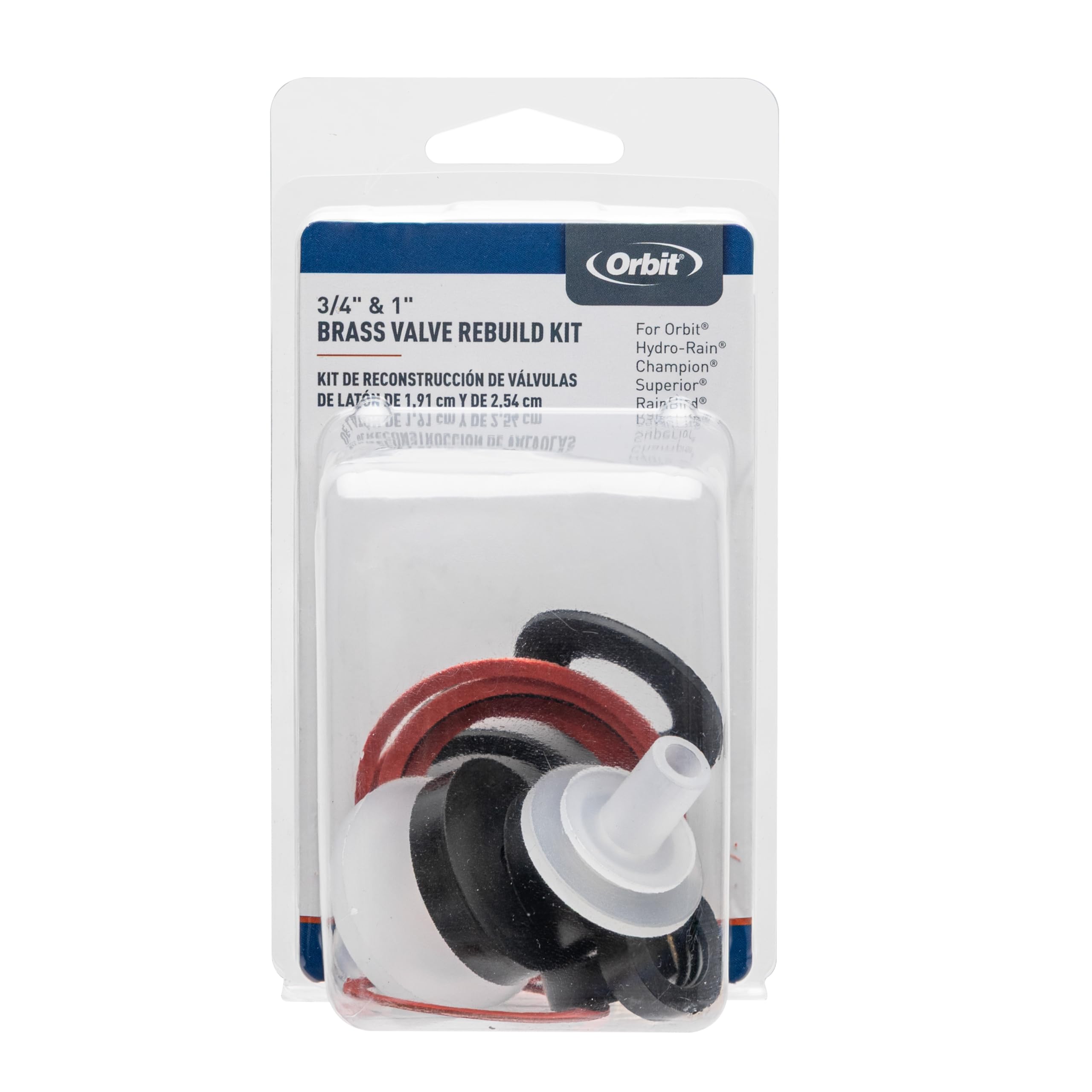
How Orbit valves work and why they fail
Orbit sprinkler valves control water flow to sprinkler zones. They use a solenoid, diaphragm, and valve body to open or close. A controller sends low-voltage power to the solenoid. The solenoid moves a plunger. The plunger changes pressure above the diaphragm. The diaphragm lifts and water flows.
Most failures come from dirt, broken diaphragms, clogged screens, or electrical faults. These issues cause valves to stick open, not open, or click without flowing water. Understanding the simple parts makes troubleshooting Orbit Sprinkler Valve Troubleshooting much faster.

Common problems you will see
- Valve won't open — The solenoid clicks but no water flows. This is common in clogged or broken diaphragms.
- Valve stays open — Water runs constantly. Often caused by tears in the diaphragm or debris under the seat.
- Weak flow or sputtering — Partially blocked inlet screen or low system pressure.
- Intermittent operation — Poor wiring or a failing controller zone output.
- Short cycling — Valve opens and closes rapidly due to electrical glitches or a damaged solenoid.
Each issue affects lawn health and water bills. Orbit Sprinkler Valve Troubleshooting helps you match the symptom to the right test and fix.

Step-by-step troubleshooting guide
- Safety first. Turn off the water and power to the controller. Work on one valve at a time.
- Listen and observe. Run the zone and note whether the valve clicks, stays closed, or stays open. This gives a clue to electrical versus mechanical problems.
- Manual open test. Use the manual bleed screw or lever on the valve to open it. If water flows, the valve body is clear and pressure is good. If not, the problem is upstream.
- Inspect the solenoid. Turn off water, remove the solenoid, and check for stuck plunger or corrosion. Clean or replace the solenoid if it does not move freely.
- Check wiring. Look for loose connectors, corroded terminals, or chewed wires. Test voltage at the valve while the zone runs. Expect around 20 to 24 VAC.
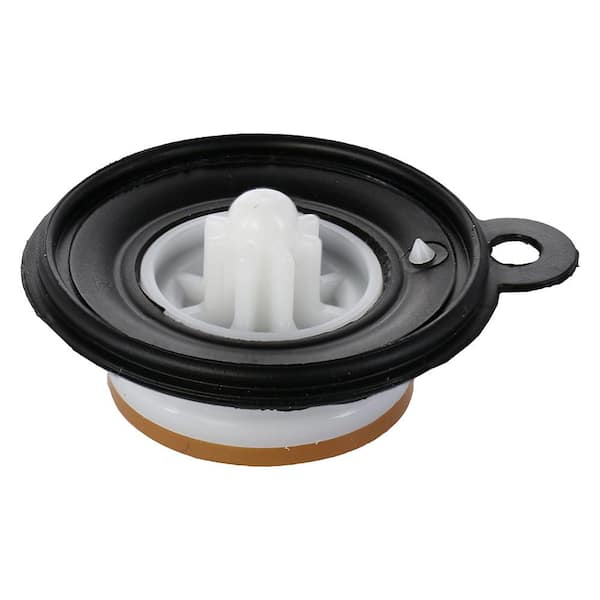
- Remove and inspect diaphragm and seat. Clear debris, check for tears, and replace worn parts. Small pebbles or grit often lodge under the seat.
- Clean inlet screen and filter. Sediment can reduce flow. Flush the line and check filters.
- Reassemble and test. Run the zone several times to confirm the repair holds.
This ordered approach makes Orbit Sprinkler Valve Troubleshooting methodical and fast.
Diagnosing electrical issues
Most electrical faults show as clicking without flow or complete silence. Use a multimeter and follow safety rules.
- Measure coil resistance. A working Orbit solenoid usually reads between 20 and 60 ohms. Very high or infinite resistance means a broken coil.
- Test for voltage. During an active cycle, you should see about 20 to 24 VAC at the valve wires. No voltage points to the controller, transformer, or wiring breaks.
- Check the controller. Swap a suspect zone with a known good zone to isolate controller problems. If the same valve works on a different zone, the controller output or program may be faulty.
Document your readings for future reference. Clear notes make follow-up fixes easier when troubleshooting multiple valves.

Dealing with mechanical failures
Mechanical issues are often simple to fix. Dirt and wear are the biggest culprits.
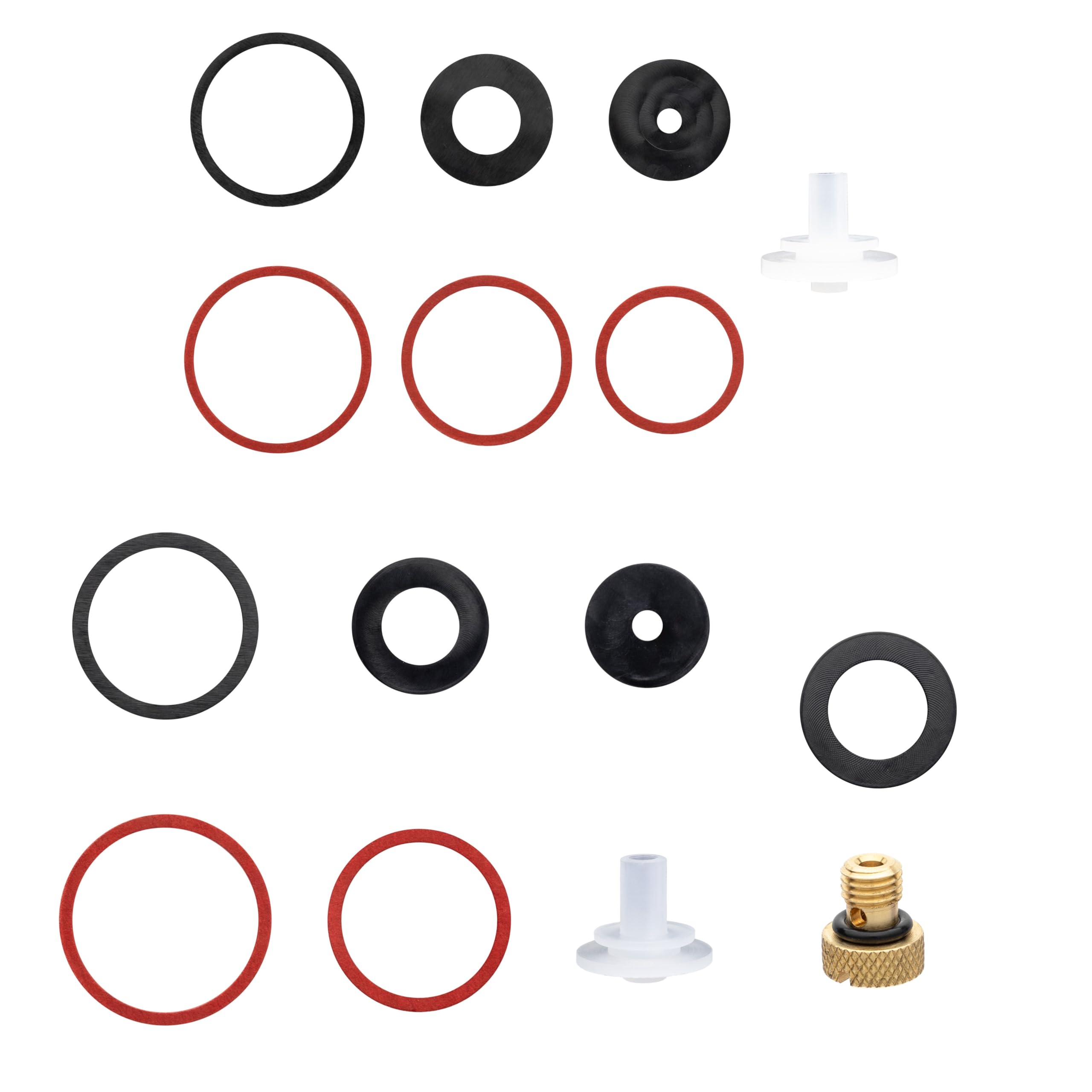
- Diaphragm tears. Replace the diaphragm and seat kit. This fix often restores normal operation.
- Debris under the seat. Remove, clean, and re-seat the parts. Small stones are common after sprinkler repairs or pipe work.
- Cracked valve body. Plastic can crack from freezing or impact. Replace the entire valve if the body leaks.
- Worn solenoid plunger. If the plunger binding creates slow or weak opening, replace the solenoid.
When you replace parts, use genuine Orbit-compatible kits. Cheap mismatched parts can cause new leaks or poor fits.

Maintenance tips to prevent failures
Regular care cuts down on Orbit Sprinkler Valve Troubleshooting. Follow a simple plan.
- Inspect valves each spring. Open lids, look for leaks, and operate each zone manually.
- Flush lines after repairs. This removes grit that damages diaphragms.
- Install a filter or screen on the mainline. This keeps grit out of all valves.
- Replace diaphragms and solenoids every few years as preventative maintenance.
- Winterize in cold climates. Drain or blow out lines to prevent frozen valve damage.
A small annual check saves time and water over the long run.
When to repair versus replace
Consider cost, age, and symptom persistence. Repair when parts are inexpensive and the body is intact. Replace when the valve body cracks or you see multiple repeated failures.
- Repair if the diaphragm, solenoid, or seat is the only issue. These parts are cheap and quick to swap.
- Replace if the valve is older than 10 years, the body leaks, or plastic threads are stripped.
- Replace when multiple zones show the same electrical problem, and the controller and wiring are ruled out.
Balancing time and cost helps you choose the right action during Orbit Sprinkler Valve Troubleshooting.
Personal experience and pro tips
I once fixed a yard where three zones failed after a landscaping project. The fix was simple. Dirt had entered the mainline and clogged three valve seats. I flushed the system and replaced two diaphragms. The client saved money and water that season.
Lessons I learned:
- Always flush after any pipe work.
- Keep spare diaphragms and a solenoid in the truck.
- Photograph wiring before disconnecting it. This saves time when reassembling.
These small habits make Orbit Sprinkler Valve Troubleshooting less stressful and more reliable.

Quick PAA-style questions
Q: How long do Orbit valves last?
A: With good care, valves can last 7 to 15 years. Parts like diaphragms wear sooner.
Q: Why does my valve click but not open?
A: Clicking with no flow usually means a torn diaphragm, debris at the seat, or no water pressure.
Q: Can I test a solenoid without removing it?
A: Yes. Measure resistance and voltage at the wire terminals while the zone runs. Low voltage or infinite resistance shows a problem.
These quick answers match common search intent for Orbit Sprinkler Valve Troubleshooting.
Frequently Asked Questions of Orbit Sprinkler Valve Troubleshooting
How do I test an Orbit valve solenoid?
Disconnect the two wires and use a multimeter to read resistance. You should also check for 20 to 24 VAC while the zone is active.
What causes a valve to stay open?
A torn diaphragm or debris under the seat usually prevents the valve from sealing. Low pressure can also prevent proper closing.
How do I clean a clogged valve?
Turn off water, disassemble the valve, remove debris from the seat and diaphragm area, flush the inlet, and reassemble.
When should I call a pro for valve problems?
Call a pro if you find cracked valve bodies, complex wiring faults, or repeated failures after basic repairs.
Are Orbit valve parts interchangeable across models?
Many parts are compatible but check part numbers. Using the correct diaphragm and seat ensures the valve seals and operates well.
Can low water pressure affect valve operation?
Yes. Low pressure may prevent the diaphragm from functioning properly. Check system pressure before replacing internal parts.
How often should I replace diaphragms and solenoids?
Inspect annually. Replace diaphragms every 2 to 5 years in dirty systems and solenoids every 5 to 10 years as needed.
Conclusion
Orbit Sprinkler Valve Troubleshooting is mostly about simple tests and clear steps. Start with observations, test the solenoid and wiring, then inspect the diaphragm and seat. Regular maintenance and a few spare parts will reduce calls and save water. Try the steps you learned here and track your results. If a problem persists, consider professional help. Share your experience or questions below, subscribe for more irrigation tips, or try a quick valve check this weekend.

