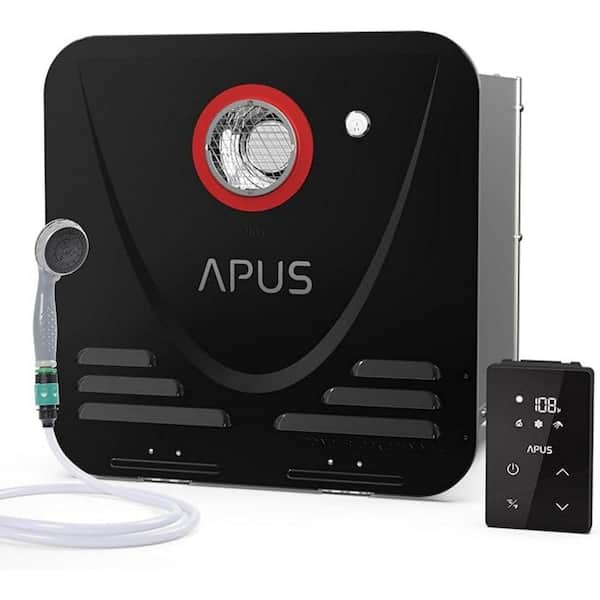
If you own an RV or plan to travel in one, hot water is more than a luxury—it’s a daily need. Whether you want a warm shower after a hike or need to wash dishes, your water heater choice matters. Two big names stand out: Apus RV tankless water heater and Suburban water heaters. Many RV owners wonder: which one is best for my needs? The answer isn’t the same for everyone, but understanding the differences can save you money, hassle, and even let you enjoy your adventures more.
Choosing the right water heater isn’t just about hot water. It’s about energy efficiency, space, installation, and even your travel style. Some people want endless hot water for long showers, while others care more about low maintenance. This article will help you make the best choice for your RV lifestyle, comparing every important feature, cost factor, and real-world experience of both Apus and Suburban models.

36% off Today’s Exclusive Deals
Limited-time Exclusive Deals. Check current discount on Amazon.
Check Price on Amazon As an Amazon Associate I earn from qualifying purchases.Understanding Rv Water Heaters
Before we dive into specific brands, it’s good to know the basics. RV water heaters come in two main types: tankless (on-demand) and tank-based (storage). Tankless heaters, like Apus, heat water as you need it. Tank-based, like Suburban, store hot water in a tank, ready to use.
A tankless system promises continuous hot water, but the flow rate and power source affect how much hot water you really get. Tank models have a set amount of hot water (often 6–12 gallons), so once it’s gone, you wait for the tank to heat up again. Each system has its strengths and weaknesses, which we’ll explore in detail.
Apus Rv Tankless Water Heater: What Makes It Special?
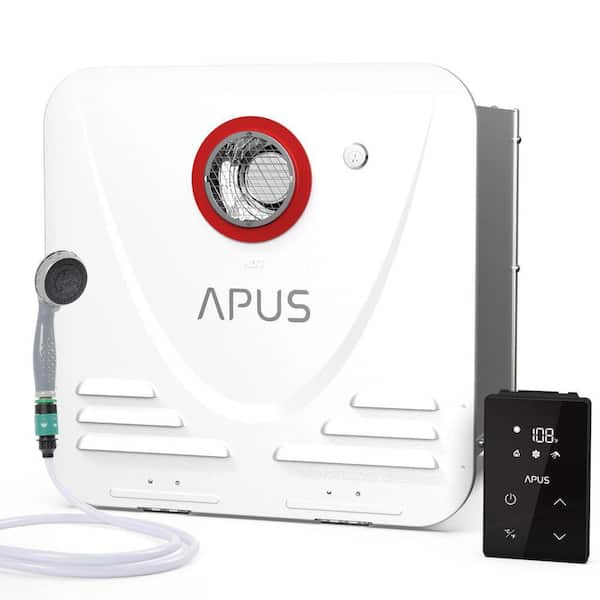
The Apus RV tankless water heater is a modern solution for those who want on-demand hot water. These heaters have become popular for several reasons:
- Compact design: No large water tank means more storage space in your RV.
- Energy savings: Heats water only when you need it, so you don’t waste propane or electricity.
- Endless hot water: Never run out during a long shower (as long as your water and energy supply last).
Many Apus models offer digital controls, which let you set precise temperatures. Some even have safety features like anti-scalding technology and freeze protection, which is great for cold-weather camping.
Key Features Of Apus Tankless Models
- Flow Rate: Usually 2–3 gallons per minute (GPM). Enough for a shower and a sink at the same time, but not for multiple showers at once.
- Fuel Source: Most run on propane, but some have electric or dual-fuel options.
- Installation: Wall-mounted, replacing an old tank or fitting into a new build.
- Maintenance: Needs regular flushing to prevent mineral buildup, but no tank means fewer corrosion issues.
Example: Apus 2.5 Gpm Model
- Delivers up to 2.5 GPM at 35°F temperature rise
- Digital temperature control (95–123°F)
- Automatic ignition
- Compact size: About 14 x 11 x 4 inches
- Propane use: About 42,000 BTU/hour at maximum
Suburban Water Heaters: The Classic Choice
Suburban is one of the most recognized names in RV water heaters. Their models are tank-based, available in sizes from 6 to 16 gallons. Suburban heaters are known for their durability, reliability, and easy parts availability.
Key Features Of Suburban Heaters
- Tank Sizes: 6, 10, 12, and 16 gallons.
- Recovery Rate: Heats about 10 gallons per hour (propane models).
- Fuel Source: Propane, electric, or both (dual-mode).
- Anode Rod: Protects the tank from corrosion, but needs to be replaced regularly.
- Manual and Automatic Ignition: Some models have pilot lights, others use electronic ignition.
Example: Suburban Sw6de
- 6-gallon tank
- Dual fuel: Propane and 120V electric
- Recovery: Up to 10.2 gallons/hour (propane), 6.1 gallons/hour (electric)
- Weight: 32 pounds (empty)
- Dimensions: 12.5 x 12.5 x 19.2 inches
Apus Vs Suburban: Feature Comparison
Understanding the specific differences between these two brands makes it easier to decide. Here’s a head-to-head comparison:
| Feature | Apus Tankless | Suburban Tank |
|---|---|---|
| Hot Water Supply | Endless (on-demand) | Limited (6–16 gallons) |
| Energy Efficiency | High (only heats when needed) | Lower (keeps tank hot) |
| Size | Compact (no tank) | Larger (needs tank space) |
| Maintenance | Flush for minerals | Replace anode rod, clean tank |
| Initial Cost | Higher | Lower |
| Installation | May need venting, plumbing changes | Direct tank replacement, simpler |
| Freeze Protection | Often built-in | Not standard, needs winterizing |
| Flow Rate | 2–3 GPM | Limited by tank size |
| Noise | Can be louder when running | Very quiet |
Performance In Real-world Use
When you’re on the road, numbers are less important than experience. Here’s how both brands perform in different travel situations.
Apus Tankless In Action
- Long Showers: No need to wait for the tank to refill—great for families or anyone who loves long showers.
- Cold Weather: Built-in freeze protection helps prevent damage, but you still need to drain water lines in very cold conditions.
- Water Pressure: Needs at least 0.5 GPM to activate. If your campground has low water pressure, performance can drop.
- Off-Grid: Uses more propane when running, but no standby loss (heat lost from stored water).
Suburban In Action
- Quick Hot Water: Hot water is ready as soon as you turn it on, but if you use it all, there’s a wait for reheating.
- Multiple Uses: Good for small families, but two people showering back-to-back might run out of hot water.
- Winterizing: Must be drained or winterized to avoid freezing and tank damage.
- Part Availability: Suburban parts are easy to find in RV shops across the US.
Installation And Compatibility
Apus Tankless Installation
Many RVers are surprised by the installation differences. Apus tankless heaters usually require:
- Plumbing adjustments: Since there is no tank, water lines may need rerouting.
- Venting: Proper venting is needed for propane models to avoid carbon monoxide buildup.
- Electrical hook-up: For digital controls or electric ignition.
- Space savings: Frees up space where the tank used to be.
Not every RV is a perfect fit for a tankless heater. Older RVs may need significant modifications, which can increase costs.
Suburban Installation
Suburban heaters are often a direct replacement for existing units. Many RVs are already designed for Suburban models. Installation is usually:
- Plug-and-play: Remove the old unit, install the new one in the same spot.
- Minimal venting changes: Uses the existing vent.
- Simple wiring: For models with electric ignition.
If you value simplicity and lower installation costs, Suburban has the edge.
Cost Comparison: Initial, Operating, And Maintenance
Let’s break down the real costs you’ll face, not just the price tag.
Initial Purchase Price
- Apus tankless: $400–$900, depending on model and features.
- Suburban tank: $350–$700 for most models.
Installation Costs
- Apus: $250–$600 (if retrofitting an old RV)
- Suburban: $100–$250 (often DIY-friendly)
Operating Costs
- Apus: Lower standby losses, but can use more propane if you take long showers.
- Suburban: Uses propane or electric to keep water hot, even when not in use.
Maintenance
- Apus: Annual flushing, occasional filter cleaning.
- Suburban: Anode rod replacement ($10–$20 yearly), tank flushing, more prone to scale in hard water.
Longevity
- Apus: Can last 10–15 years if maintained well.
- Suburban: 8–12 years, but tank corrosion can shorten lifespan if maintenance is skipped.
Here’s a quick overview:
| Cost Factor | Apus Tankless | Suburban Tank |
|---|---|---|
| Purchase Price | $400–$900 | $350–$700 |
| Install Cost | $250–$600 | $100–$250 |
| Annual Maintenance | $15–$40 | $20–$50 |
| Estimated Lifespan | 10–15 years | 8–12 years |
Non-obvious insight: Many owners forget to include the cost of winterizing. With a tankless heater, you often need to drain and protect both the heater and the water lines, especially if your RV will be in freezing weather.
Energy Efficiency And Environmental Impact
If you care about saving energy, tankless systems like Apus are naturally more efficient. They heat water only when you need it, so there’s no energy wasted keeping water hot all day. Suburban tank heaters use more energy, especially if you leave them on all the time.
Tankless heaters can save up to 20–30% on propane use if you have careful habits (short showers, turn off when not in use). However, long, frequent hot water use can cancel out these savings.
Suburban heaters can be efficient if you only turn them on before you need hot water, but many people leave them running, causing standby losses.
Environmental tip: If you often camp off-grid and rely on solar or batteries, a tankless heater will help conserve energy, but make sure your propane supply is sufficient.
Ease Of Use And Comfort
Apus tankless heaters offer digital control panels, letting you select exact water temperatures. This is great if you have small children or want to avoid scalding. Some models even remember your settings.
However, some users report cold water sandwiches—a burst of cold water between hot water cycles, especially if you turn the water off and on quickly (like during Navy showers).
Suburban heaters are simpler: hot water is always at the same temperature, but you can’t adjust it as precisely. There’s no cold water sandwich, but you might run out of hot water if you take long showers or have multiple users.
Practical tip: If you often use your RV shower back-to-back, tankless can offer more comfort, but only if your water pressure and flow rates are good.
Durability And Reliability
Suburban tank heaters have a long history and can last many years if you replace the anode rod and flush the tank regularly. Their parts are widely available, so repairs on the road are easier.
Apus tankless heaters have fewer moving parts inside, but the electronic controls can be sensitive to power surges or poor water quality. A well-maintained tankless heater can last longer, but repairs may be harder to find in remote areas.
Non-obvious insight: Tankless heaters can be more sensitive to mineral-rich (hard) water. If you travel in areas with hard water, regular flushing is even more important to prevent scale buildup.
Suitability For Different Rv Users
Not all RVers have the same needs. Here’s how the two systems stack up for common traveler types:
Full-time Rvers
- Apus tankless is ideal for those who want unlimited hot water and don’t want to wait for tanks to refill.
- Suburban is better if you travel in very remote areas where simple repairs and part availability matter more.
Weekend Campers
- Suburban heaters make sense for short trips. They’re simple, reliable, and you may not need endless hot water.
- Apus tankless is still an option, but the higher cost may not be justified for occasional use.
Families
- Apus provides a better experience if multiple people need to shower or do dishes in a row, as long as flow rates are enough.
- Suburban may run out of hot water if everyone showers back-to-back.
Solo Travelers
- Suburban is often enough, with less maintenance and lower cost.
- Apus is a luxury, but can be worth it if you value comfort and long showers.
Common Mistakes When Choosing
Choosing a water heater isn’t always simple. Many buyers make these mistakes:
- Ignoring water pressure: Tankless heaters need a minimum flow. If your RV or campsite has low pressure, you might not get hot water.
- Underestimating installation: Retrofitting a tankless heater can be complex and expensive.
- Forgetting about winterizing: Both systems need to be protected from freezing, but the steps are different.
- Overestimating savings: Tankless systems save money only if you use hot water efficiently.
- Not considering repair access: Suburban parts are everywhere, but tankless parts may be harder to find.
Real-world Example: Two Rvers, Two Choices
Let’s look at two RVers:
- Sarah travels full-time, loves long showers, and camps mostly in RV parks with good water pressure. She installs an Apus tankless heater, enjoys endless hot water, but needs regular flushing because she travels in hard water areas.
- Mike camps on weekends, sometimes off-grid. He chooses a Suburban heater for its reliability and easy repairs. He replaces the anode rod every year and flushes the tank before winter.
Both are happy—but for different reasons.
Which Should You Choose? A Quick Decision Guide
If you’re still unsure, consider these questions:
- Do you want endless hot water? Go with Apus tankless.
- Is simplicity and easy repair more important? Choose Suburban.
- Are you camping off-grid a lot? Apus saves energy, but Suburban is more reliable for repairs.
- Traveling in cold weather? Apus often has built-in freeze protection.
- On a tight budget? Suburban is cheaper to buy and install.
Here’s a final summary comparison:
| Best For | Apus Tankless | Suburban Tank |
|---|---|---|
| Long Showers | Yes | No |
| Short Trips | Maybe | Yes |
| Low Maintenance | Maybe | Yes |
| DIY Repair | Harder | Easier |
| Precise Temp Control | Yes | No |
| Budget-Friendly | No | Yes |
| Cold Weather | Better | Needs winterizing |

Frequently Asked Questions
What Is The Main Difference Between Apus Tankless And Suburban Tank Water Heaters?
The main difference is how they heat water. Apus tankless heaters provide on-demand hot water, so you never run out (as long as your water and energy supply last). Suburban heaters store hot water in a tank, so once you use it up, you wait for the tank to reheat.
How Hard Is It To Install A Tankless Water Heater In My Rv?
Installation can be challenging if you’re replacing a tank system. You may need to reroute plumbing, add new venting, and make electrical connections. Professional installation is often recommended, especially in older RVs.
Which System Is Better For Cold Weather Camping?
Apus tankless heaters often have built-in freeze protection, making them better suited for cold weather. Suburban tank heaters need to be properly winterized to avoid damage, as water left in the tank can freeze and crack the tank.
Is Maintenance Easier With Apus Or Suburban Water Heaters?
Suburban heaters need regular anode rod replacement and tank flushing. Apus tankless models require regular flushing to prevent scale, especially in areas with hard water. Both need attention, but the type of maintenance is different.
Where Can I Find More Information About Rv Water Heater Efficiency?
For more detailed information about RV water heater efficiency, visit the Wikipedia Water Heating page.
Final Thoughts
Choosing between an Apus RV tankless water heater and a Suburban tank water heater comes down to your style of travel, comfort needs, and willingness to maintain your system. If you want endless hot water, precise temperature control, and energy savings (with the right use habits), Apus is a great choice. If you prefer simplicity, easy repairs, and proven reliability, Suburban is hard to beat.
Remember, there’s no universal answer—only the right answer for your RV life. Weigh the features, costs, and maintenance needs honestly, and you’ll make a choice that keeps your travels comfortable and stress-free. Safe travels and enjoy every hot shower on the road!