

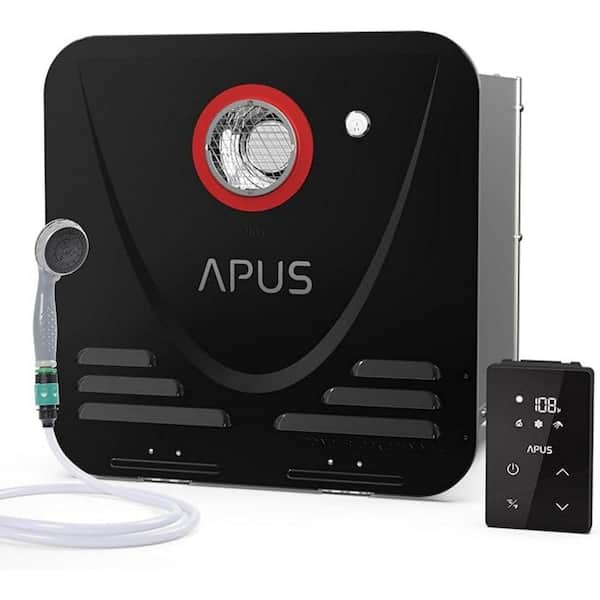
If you own an RV, you know how important hot water is for showering, washing dishes, and cleaning up after a long day on the road. The Apus RV tankless water heater promises endless hot water, compact design, and energy efficiency. But, like any appliance, it can have problems. Understanding how to troubleshoot these issues can save you time, money, and frustration. This guide will help you diagnose and fix common problems with your Apus RV tankless water heater, even if you are not an expert in plumbing or electronics.
Many users feel worried when their tankless water heater stops working, especially in the middle of a trip. You might see error codes, hear strange noises, or get only cold water from your faucets. Sometimes the cause is simple and can be fixed in minutes.

36% off Today’s Exclusive Deals
Limited-time Exclusive Deals. Check current discount on Amazon.
Check Price on Amazon As an Amazon Associate I earn from qualifying purchases.Other times, you might need to do a deeper check or call for help. In this article, you will learn step-by-step troubleshooting methods, from basic checks to more advanced fixes. You will also discover common mistakes, safety tips, and what to do if you need parts or professional service.
Understanding Your Apus Rv Tankless Water Heater
Before jumping into troubleshooting, it’s important to know how your Apus RV tankless water heater works. This will help you find the cause of the problem faster and avoid making things worse.
An RV tankless water heater heats water only when you need it. Unlike traditional tank heaters that store hot water, tankless models use a heat exchanger to warm up water as it passes through. This means you get hot water almost instantly and never run out, as long as the unit is working correctly.
Key parts of an Apus tankless water heater:
- Control board: The electronic “brain” that manages heating, safety, and error codes.
- Heat exchanger: The coil or plate where water gets heated.
- Gas burner or electric element: Provides the heat.
- Water flow sensor: Detects when you turn on a hot water tap.
- Temperature sensors: Protect the unit from overheating.
- Exhaust vent: Removes gases safely outside the RV.
Understanding these components helps you see why a problem might happen—like why you get only cold water when the burner doesn’t ignite or why you see an error code if the sensors detect a fault.
Safety Precautions Before Troubleshooting
Working on gas or electric appliances comes with risks. Always put safety first. Here are key steps to follow before you open or test anything:
- Turn off the power: Switch off the main breaker or unplug the heater.
- Shut off the gas: If your model uses propane, close the gas valve.
- Let parts cool: Hot water heaters can get very hot. Wait at least 15–30 minutes after use.
- Read the manual: Look for model-specific warnings and instructions.
- Wear safety gear: Use gloves and safety glasses to protect your hands and eyes.
Never try to repair gas leaks or electrical faults if you are unsure. It’s safer to call a certified technician in those cases.
Common Problems And Quick Fixes
RV owners most often run into a few common problems with their Apus tankless water heaters. Let’s look at these issues and the fastest ways to check and solve them.
No Hot Water
This is the most common complaint. You turn on the hot tap, but only cold water comes out.
Quick checks:
- Make sure the power switch is on and the unit has electricity.
- Check if the gas supply (for propane models) or electric supply is working.
- Confirm the water pump is on and there’s water in the tank.
- Look for error codes on the display.
If all these are fine, move to deeper troubleshooting.
Water Is Too Hot Or Too Cold
Sometimes the water temperature swings or is not what you set.
Quick checks:
- Make sure the temperature dial is set correctly.
- Check for any clogs in the water lines or shower head.
- Clean the water inlet filter—if it’s blocked, flow drops and temperature can change.
Error Codes On Display
Modern Apus units show error codes when there’s a fault. Write down the code and check your manual or the manufacturer’s website for what it means. Common codes include problems with ignition, flame detection, water flow, or overheating.
Strange Noises
Hearing banging, rattling, or whistling from your heater can mean:
- Mineral build-up inside the heat exchanger.
- Loose parts or mounting screws.
- Air in the gas line (for propane units).
A quick flush and tightening of fittings often help.
Water Leaks
Look for water under the heater or around fittings. Leaks usually mean loose connections, worn seals, or a cracked heat exchanger. Tighten connections gently and replace any damaged seals. Always dry the area and check again after repairs.
Step-by-step Troubleshooting Guide
Let’s look at a structured approach for diagnosing and fixing problems with your Apus RV tankless water heater.
Step 1: Check Power And Control Settings
- Make sure the unit is plugged in and switched on.
- Check the main power breaker. Reset if it has tripped.
- Test the control panel—does it light up or show any codes?
- Set the temperature to medium and try running hot water.
If the unit does not power on, check for a blown fuse or tripped breaker. Replace fuses with the correct type only.
Step 2: Inspect Water Flow
- Open a hot water tap fully.
- Listen for the heater clicking or igniting.
- If nothing happens, check the RV’s water pump and tank level.
- Clean or replace the water inlet filter (often located at the water line entry).
- Make sure all valves are open.
Low or no water flow often stops the heater from firing for safety reasons.
Step 3: Test Gas Supply (propane Models)
- Make sure the propane tank is full and the valve is open.
- Check for leaks using a spray bottle with soapy water—bubbles mean a leak.
- Inspect the gas line for kinks or blockages.
- Listen for a clicking sound when the heater tries to ignite.
If you smell gas, turn everything off and ventilate the area before doing anything else.
Step 4: Flush The Heat Exchanger
Mineral deposits from hard water can build up inside, causing poor performance or overheating. Flushing the unit helps restore function.
How to flush:
- Turn off the heater and let it cool.
- Connect hoses to the inlet and outlet.
- Use a special tankless water heater flush kit and follow the instructions.
- Run a vinegar solution through the heat exchanger for 30–45 minutes.
- Rinse with clean water before reconnecting.
Do this every 6–12 months, or more often if you have hard water.
Step 5: Decode And Clear Error Codes
Error codes point to the exact problem. Here are the most common codes for Apus heaters:
| Error Code | What It Means | Action |
|---|---|---|
| E1 | No ignition/flame | Check gas supply, igniter, flame sensor |
| E2 | Overheating | Flush unit, check for blockages |
| E3 | Low water flow | Clean filter, check pump and lines |
| E4 | Temperature sensor fault | Inspect/replace sensor |
After fixing the cause, reset the unit (usually by turning it off for 30 seconds). If the code returns, the component may need replacement.
Step 6: Examine The Exhaust And Air Intake
A blocked exhaust or air intake can stop the heater from running. Inspect both for spider webs, dirt, or debris. Clear them gently with a brush or compressed air.
Step 7: Check For Leaks And Corrosion
Inspect all water and gas connections. Tighten loose fittings, and replace any worn seals or O-rings. Look for rust or corrosion on pipes—these can signal deeper problems that need professional help.
Step 8: Test With Different Water Sources
If you’re parked at a campsite with low water pressure, try switching to the RV’s onboard tank and pump. Some tankless heaters need a minimum flow rate to work. Compare your heater’s specs with your water source.
| Water Source | Typical Pressure (PSI) | Impact on Heater |
|---|---|---|
| RV Pump | 40–55 | Usually enough for most tankless units |
| Campsite Faucet | 30–60 | Varies; low pressure can cause ignition failure |
| Gravity Fill | 10–20 | Often too low for tankless operation |
If the heater works with one source but not another, the issue is likely water flow or pressure.
Advanced Troubleshooting Tips
Some problems are less obvious and need a bit more investigation.
Ignition Problems
If the unit clicks but does not light, or shuts off after a few seconds:
- Inspect the igniter—look for dirt or carbon build-up.
- Clean the flame sensor with fine sandpaper.
- Check wiring connections to the gas valve and control board.
- Confirm battery voltage if your heater uses a 12V ignition system.
Low battery voltage or loose wires can cause ignition to fail.
Temperature Fluctuations
If your hot water goes from warm to cold and back again:
- Check for other appliances running at the same time. A toilet flush or washing machine can cause a drop in water flow.
- Make sure the minimum flow rate is met (usually 0.5–0.7 GPM).
- Inspect the temperature sensor wiring.
- Clean or replace the shower head or faucet aerator if water flow is weak.
Error Code Loops
If you clear an error code but it returns immediately:
- Double-check for hidden blockages in air, gas, or water lines.
- Inspect the control board for signs of water damage or burnt parts.
- Try resetting the heater to factory settings (see your manual).
If codes persist, the control board or sensor may need replacement.
When To Call A Professional
Some problems are best left to experts. Call for help if:
- You smell gas and cannot find the source.
- The heater trips breakers or blows fuses repeatedly.
- There is visible damage to the control board or wiring.
- You find a cracked heat exchanger (can cause carbon monoxide leaks).
- You feel unsure about any repair step.
Attempting repairs beyond your skill level can void your warranty or create safety risks.

Preventive Maintenance For Long Life
A little prevention goes a long way with your Apus RV tankless water heater. Here’s how to reduce future problems:
- Flush the heat exchanger every 6–12 months.
- Clean water inlet filters every trip.
- Inspect exhaust and intake for blockages.
- Check all connections for leaks.
- Test the heater before each trip.
Consider installing a water softener if you travel in areas with hard water. This reduces mineral build-up and extends heater life.
Real-world Troubleshooting Example
Let’s look at a common scenario:
You are camping and notice you have only cold water. The Apus heater shows error code E1. You check and see the propane tank is low. After swapping tanks, the error remains. You clean the igniter and flame sensor. Still, no luck.
Finally, you find the battery voltage is only 10. 5V—the heater needs at least 11V to fire. After charging the battery, everything works.
Non-obvious insights:
- Low battery voltage can cause ignition failure, even with a full gas tank.
- Dirty flame sensors are a frequent cause of E1 errors and can be cleaned without replacing the part.
Finding Replacement Parts And Support
When you need new parts, buy only from authorized dealers or directly from Apus. Using the wrong part can cause damage or void your warranty. Keep your model number and serial number handy for faster service.
For technical support, visit the Apus official website or call their helpline. Some RV forums and YouTube channels also have repair guides, but always double-check advice with the manufacturer.
For more details about tankless water heater technology, see Wikipedia.
Frequently Asked Questions
Why Does My Apus Rv Tankless Water Heater Keep Shutting Off?
Most shut-offs happen due to low water flow, overheating, or ignition problems. Check that water filters are clean, the gas supply is steady, and the exhaust vent is clear. Error codes can guide you to the specific cause.
How Often Should I Flush My Tankless Water Heater?
Flush the unit at least once a year, or every 6 months if you have hard water. This helps prevent mineral build-up and keeps the heater working efficiently.
Can I Run My Tankless Water Heater On A Generator?
Yes, but make sure your generator provides stable voltage and enough power for the unit. Low or fluctuating voltage can cause the heater to fail or display error codes.
What Is The Minimum Water Pressure Needed?
Most Apus RV tankless water heaters need at least 40 PSI to operate reliably. Check your user manual for the exact number, as it can vary by model.
Where Can I Find The Error Code List For My Model?
You can find the full error code list in your user manual, on the Apus website, or sometimes on a sticker inside the heater’s service panel.
—
Having a reliable hot water supply makes RV life much more comfortable. By understanding how your Apus RV tankless water heater works and learning to troubleshoot common problems, you can solve most issues quickly and get back to enjoying your trip. Simple checks and regular maintenance will help your heater last for years. If you ever feel stuck, don’t hesitate to ask for help—safety always comes first.


