

The world of RV living is changing fast. Modern travelers want more comfort, better technology, and smarter use of space. Hot water is no exception. If you’re thinking about replacing your old Suburban water heater with an Apus RV tankless water heater, you’re not alone. Many RV owners are considering the switch. But does the Apus really measure up? Can it fully replace your Suburban unit, or are there hidden challenges? Let’s dive deep into this comparison, so you can make a confident decision for your RV lifestyle.
Understanding The Basics: Suburban Vs. Apus Rv Water Heaters
Before you swap out anything, it’s important to know what each type offers.

36% off Today’s Exclusive Deals
Limited-time Exclusive Deals. Check current discount on Amazon.
Check Price on Amazon As an Amazon Associate I earn from qualifying purchases.Suburban water heaters are a familiar sight in RVs. These are tank-style heaters—typically 6 or 10 gallons. They store hot water and keep it ready. Suburban models often run on propane, electricity, or both (dual fuel). They’re reliable, but they do have limits. The tank size controls how much hot water you get before it runs cold.
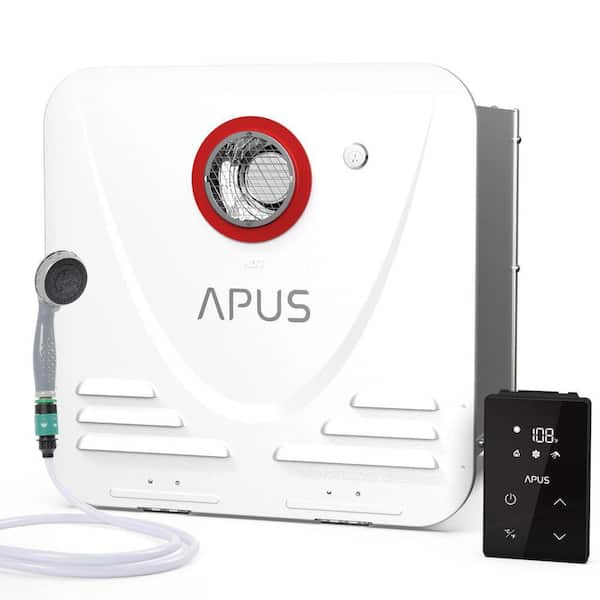
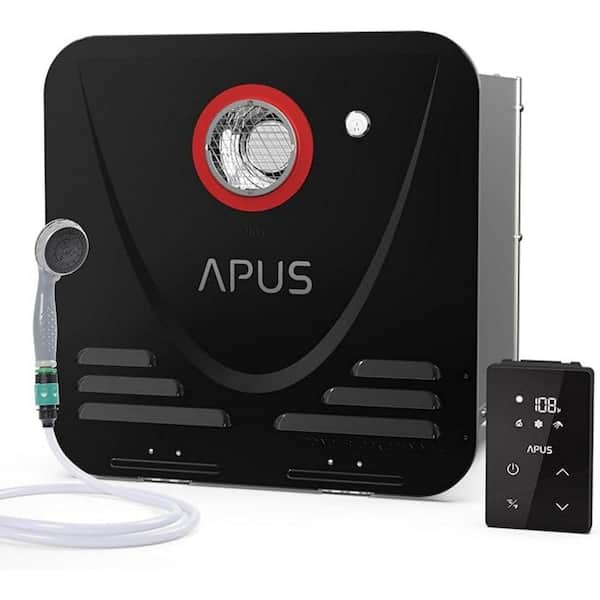
Apus RV tankless water heaters are different. Instead of a tank, they heat water as you use it. You turn on the faucet, and cold water flows through the heater. A burner or electric element instantly warms the water, so (in theory) you get endless hot water—until you run out of propane, electricity, or water supply.
Let’s break down how these two types compare, and what it means for your RV experience.
Key Differences: Tank Vs. Tankless In Rvs
To see if an Apus can replace a Suburban, you need to understand where they differ. Here’s a side-by-side look at the essentials.
| Feature | Suburban (Tank) | Apus (Tankless) |
|---|---|---|
| Heating Method | Pre-heats & stores water | Heats water on demand |
| Hot Water Supply | Limited by tank size (6-10 gal) | Continuous (while supply lasts) |
| Fuel Options | Propane, electric, or both | Mainly propane (some electric models) |
| Install Size | Bigger, needs dedicated space | Compact, saves space |
| Startup Wait | Heats entire tank (10-30 mins) | Heats instantly as needed |
| Maintenance | Flush tank, replace anode rod | Descale, clean filters |
| Freeze Protection | Most models have basic protection | Some models have advanced features |
| Cost | Lower upfront, higher long-term (due to maintenance) | Higher upfront, lower long-term |
Non-obvious insight: Many RVers underestimate how much faster a tankless heater can drain their propane, especially when boondocking.

Installation: Is The Apus A True Drop-in Replacement?
Most people hope for an easy swap. Reality is more complex.
Physical Fit And Connections
Suburban water heaters fit into a standard-sized cutout in your RV wall. The Apus unit is generally smaller, but not always a perfect match for the existing hole.
- Apus tankless heaters often require an adapter plate to cover the gaps.
- Propane, water lines, and electrical wiring might need adjustments.
- Exhaust venting may be different—tankless units can need special vent kits.
Tip: Measure your current cutout and compare it to the Apus specs before buying. Don’t assume “RV tankless” means universal fit.
Plumbing And Gas Requirements
Suburban heaters use common 1/2″ water lines and standard propane connections. Apus units typically match these, but:
- The gas flow rate for a tankless heater can be higher, needing a larger propane line or better regulator.
- Some RVs have outdated or corroded fittings—replace them for safety.
- Hot/cold water lines may need rerouting if the in/out ports are not in the same place.
Non-obvious insight: If your RV has a bypass valve for winterizing, you may need to rework it. Tankless systems sometimes need a different winterizing approach.
Electrical Needs
If your Suburban heater uses electric heating, it’s usually wired for 120V AC. Apus tankless models are mostly propane-only, but some need a 12V or 120V connection for electronics and ignition.
- Check your RV’s power setup. Some Apus units draw more amps than your old heater’s control board.
- Installing a dedicated fuse or circuit may be required.
Advice: If you’re not comfortable with gas or electrical work, hire a certified RV technician. Safety matters more than saving on install costs.
Performance: Hot Water Experience In Real Life
Switching from a tank to a tankless heater changes how you use hot water.
Endless Hot Water—with Limits
The big promise of the Apus is “endless hot water.” In reality, this depends on:
- Incoming water temperature (colder water needs more heating power)
- Flow rate (how many gallons per minute you use)
- Available propane or electricity
On a cold morning, the unit may struggle to reach the top advertised temperature if you run multiple faucets.
Real-world Example
Let’s say you’re showering and someone else starts washing dishes. A Suburban tank can run out after a few minutes, but the Apus will keep supplying hot water—as long as you don’t exceed its flow capacity.
However, if you open two faucets at once and the total flow is above the heater’s rating (e. g. , 2. 5 GPM), the water may not get hot enough.
Hot Water Delay
Tankless systems have a short “startup lag. ” When you turn on the hot tap, there’s a brief delay (2–8 seconds) before hot water arrives. This is normal, but wastes a bit of water.
Pro tip: Collect the first cold water in a pitcher for cleaning or plants.
Consistency And Comfort
Some tankless heaters (including Apus) can “cycle” or change temperature if the flow rate changes suddenly. This means your shower may briefly get hotter or cooler if someone else uses water.
This is less common in Suburban tanks, but it can still happen if the tank runs low.
Energy Use And Efficiency
One reason people switch to tankless: energy savings.
Propane And Electric Consumption
- Suburban tanks keep water hot 24/7, so they use propane or electricity even when you’re not using water.
- Apus heaters only use energy when you open the tap.
Result: Tankless is usually more efficient, especially for weekend or occasional use.
But, there’s a catch:
- If you have long showers or use a lot of hot water, the Apus may burn through propane quickly.
- For families, a tankless can actually use more fuel per day than a tank, because you’re not limited by tank size.
Practical Example
A Suburban 6-gallon propane heater uses about 10,000–12,000 BTU/hour. The Apus tankless model may use 42,000–55,000 BTU/hour—but only when running.
If you love quick showers, tankless saves you money. If you take long, hotel-style showers, expect higher propane use.
Standby Losses
Suburban tanks lose heat over time (“standby losses”), so they kick on and off all day. Apus units have almost zero standby loss.
Non-obvious insight: If you camp in cold weather, the Suburban tank can help warm your RV’s water bay. The Apus does not.
Maintenance And Longevity
How Do These Two Compare Over Years Of Use?
Suburban Water Heater
- Needs regular flushing to remove scale and debris
- Anode rod must be checked and replaced (protects tank from corrosion)
- More parts to fail (tank, thermostat, heating element)
Apus Rv Tankless Heater
- No anode rod, but must be descaled (especially if you use hard water)
- Filters need cleaning
- Electronics may be sensitive to voltage spikes or low battery
Tip: Use a water filter to extend the life of any RV water heater.
Expected Lifespan
- Suburban tanks last 5–10 years with good care
- Apus tankless units can last 10–15 years, but electronics may fail sooner if exposed to moisture or voltage problems
Non-obvious insight: Tankless heaters hate freezing. If you camp below freezing, use the built-in freeze protection or drain the unit completely.
Cost Comparison: Upfront And Long-term
Let’s look at what you’ll spend—both now and later.
Upfront Costs
- Suburban tank replacement: $400–$700 (parts only)
- Apus tankless unit: $600–$1,000+
- Installation labor: $200–$500 (higher for tankless if modifications needed)
Long-term Costs
- Suburban: More frequent maintenance, higher energy use
- Apus: Fewer replacement parts, lower energy use (if you conserve)
Sample Cost Breakdown
| Cost Type | Suburban (Tank) | Apus (Tankless) |
|---|---|---|
| Unit Price | $500 | $850 |
| Install (Average) | $300 | $400 |
| Annual Maintenance | $50–$100 | $30–$60 |
| Propane (Yearly, avg user) | $120 | $100 |
| Expected Lifespan | 8 years | 12 years |
Key takeaway: If you use your RV often and want long showers, expect to spend a little more on the tankless upfront, but possibly save over time—especially if you’re careful with hot water use.
Common Problems When Upgrading
Many RVers run into these issues when making the switch:
- Size mismatch: The Apus may not cover the old cutout. Plan for an adapter plate.
- Water flow errors: Tankless heaters need a minimum water flow to “fire.” Low-flow faucets or water pumps can cause the heater to “short cycle” or fail to light.
- Propane shortages: Because there’s no tank limit, you may use more propane than expected.
- Electrical glitches: If your battery is weak, the Apus may not ignite properly.
- Winterizing confusion: Procedures differ. Never put RV antifreeze through a tankless unit unless the manual says it’s safe.
Practical tip: Test all systems before your first big trip after the upgrade.
Is The Apus Right For Your Rv Lifestyle?
Not every RVer will benefit from a tankless upgrade. Consider:
- Full-timers who shower often and want household-style comfort love the Apus.
- Weekend campers or those who boondock for long periods may prefer the simplicity and lower propane use of a tank.
- Families may enjoy endless hot water, but need to watch propane levels.
- Small rigs or vans gain valuable storage space with a tankless system.
Real-world User Reviews And Feedback
What Do Apus Owners Say After Making The Switch?
Positive feedback:
- “I love never running out of hot water, even when both of us shower.”
- “The Apus freed up storage space in my tiny trailer.”
- “It’s quieter—no ‘whoosh’ sound when the burner cycles on and off.”
Negative feedback:
- “It took me hours to get the plumbing right.”
- “In cold weather, the water doesn’t get as hot as I’d like.”
- “I have to be careful not to waste propane when dry camping.”
Common theme: The biggest adjustment is learning to manage water and energy differently than with a tank heater.
Apus Vs. Suburban: Quick Reference Table
Here’s a summary for fast decision-making.
| Feature | Suburban (Tank) | Apus (Tankless) |
|---|---|---|
| Hot Water Limit | 6–10 gallons per use | Unlimited (with enough supply) |
| Space Needed | Larger cutout | Compact, saves storage |
| Energy Efficiency | Lower, due to standby losses | Higher, uses energy only when needed |
| Maintenance | Regular tank flushing, anode rod | Descale, clean filter |
| Upfront Cost | Lower | Higher |
| Installation Difficulty | Moderate (direct swap) | Moderate to high (may need mods) |
Final Thoughts: Should You Replace Your Suburban With An Apus?
So, can the Apus RV tankless water heater replace a Suburban water heater? The answer is yes—with some planning and adjustments. The Apus offers modern convenience, endless hot water, and energy savings for the right user. But it’s not a “plug and play” swap for everyone.
Installation may require extra work, and you need to learn new habits to get the most out of it.
If you value unlimited hot showers and have the budget for the upgrade, the Apus is a smart choice. For those who camp off-grid, in cold climates, or want the simplest system, sticking with a Suburban tank heater may be best.
Whatever you choose, match your water heater to your travel style—and enjoy the comfort of hot water on the road.
For more technical specifications and installation guides, visit the official RV Repair Club.
Frequently Asked Questions
What Is The Main Advantage Of A Tankless Rv Water Heater Over A Tank Model?
The biggest benefit is continuous hot water. Tankless heaters like the Apus heat water as you use it, so you’re not limited by a fixed tank size. This means longer showers and less waiting for water to reheat.
Does An Apus Tankless Heater Fit In The Same Cutout As A Suburban Heater?
Not always. The Apus is usually smaller than a Suburban tank, so you may need an adapter plate or extra trim to cover gaps. Check your measurements before buying.
Will A Tankless Heater Work With My Existing Propane System?
Most RV propane systems are compatible, but tankless heaters often need a higher gas flow. Make sure your propane lines and regulator are in good shape, and consider an upgrade if your RV is older.
How Do I Winterize An Apus Tankless Water Heater?
Follow the manufacturer’s instructions. In most cases, you need to drain the unit completely and avoid running RV antifreeze through the heater unless the manual says it’s safe. Some Apus models have built-in freeze protection.
Is A Tankless Water Heater Worth The Cost For Weekend Rvers?
It depends on your habits. If you love long showers and want the latest tech, it’s a good investment. But if you camp mostly in mild weather and take quick showers, a Suburban tank may be more cost-effective and simpler to maintain.

