

If you love camping off-grid, you know that a hot shower can feel like luxury. The Apus RV tankless water heater has become a popular choice for many boondockers who want instant, endless hot water while exploring wild places. But is it really possible to use this type of water heater while boondocking, where power and water are limited? Let’s dig into what you need to know before installing or using an Apus tankless heater on your next trip.
What Is Boondocking And Why Does It Matter For Water Heaters?
Boondocking means camping without hookups—no city water, no electric plug, no sewer connection. You rely on your RV’s onboard systems: batteries, propane, water tanks, and sometimes solar panels or generators. Because resources are limited, every device you use must be efficient and compatible with off-grid life.

36% off Today’s Exclusive Deals
Limited-time Exclusive Deals. Check current discount on Amazon.
Check Price on Amazon As an Amazon Associate I earn from qualifying purchases.A traditional RV water heater uses a tank and heats water slowly, which can waste both energy and water. Tankless water heaters like the Apus heat water only when you need it, so you never run out of hot water (as long as you have fuel and water). But there are trade-offs—especially when boondocking.
How The Apus Rv Tankless Water Heater Works
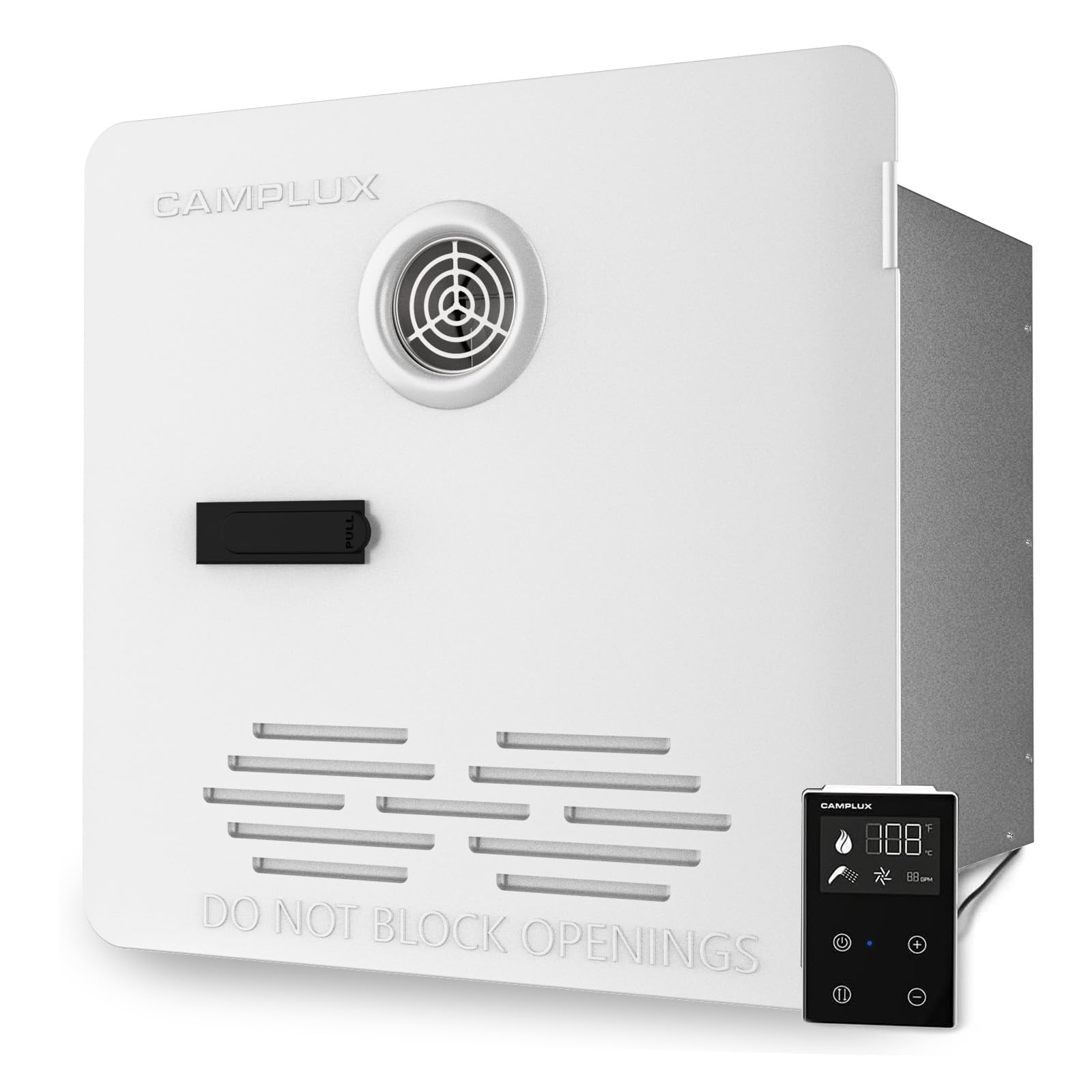
The Apus RV tankless water heater is designed for mobile use. Instead of storing hot water, it heats water instantly as it passes through the unit. Most models use propane as the main heating source and need 12V DC power for the control panel and ignition.
Key Features Of Apus Tankless Heaters
- On-demand heating: Water heats only when you turn on the tap.
- Endless supply: No waiting for a tank to refill and reheat.
- Compact size: Saves space in small RVs.
- Digital controls: Easy temperature adjustments.
- Safety features: Includes flame detection, overheat protection, and freeze protection.
This design is perfect for RVs with limited space, but there’s more to consider when you’re away from hookups.

Power And Fuel Requirements For Boondocking
Boondocking means every amp, every gallon, and every pound of propane counts. Let’s look at what the Apus tankless heater needs to operate.
Propane Usage
Most Apus tankless heaters use propane for the main burner. Typical consumption is about 20,000–40,000 BTUs per hour (check your specific model). If you take a 10-minute shower, you’ll use a small fraction of a standard 20-pound propane tank. However, using hot water for dishes and multiple showers can add up quickly.
Electrical Power Draw
The heater needs 12V DC power for ignition, the control panel, and sometimes a small fan. The draw is usually around 1.5–2.5 amps while running. If you use solar panels or conserve battery power, this is manageable, but frequent use will add up over several days.
Water Supply
The Apus heater gives you endless hot water—but only as long as you have cold water in your fresh tank. Most RV fresh water tanks hold 30 to 60 gallons. A tankless heater can use water quickly, so you must be careful with how long you shower or wash dishes.
Is The Apus Rv Tankless Water Heater Good For Boondocking?
The short answer: Yes, you can use an Apus RV tankless water heater while boondocking, but you need to plan carefully.
Advantages
- No waiting: Never wait for a tank to heat up after someone else showers.
- Lighter weight: No heavy water tank to carry or heat.
- Consistent temperature: Less fluctuation during use.
- Space saving: More storage in your RV.
Challenges
- Water usage: Easy to use more water than you have.
- Propane limits: Can drain your propane supply if used heavily.
- Electrical draw: Continuous use can strain your batteries.
- Minimum flow rate: Some models require a certain water flow to activate, which can be an issue if you try to conserve water.
Let’s compare the Apus tankless heater to a standard 6-gallon tank heater for boondocking:
| Feature | Apus Tankless | 6-Gallon Tank Heater |
|---|---|---|
| Hot Water Supply | Endless (limited by water/fuel) | 6 gallons per cycle |
| Heating Time | Instant | 10–30 minutes |
| Water Use Control | Requires discipline | Built-in limit |
| Propane Use | Continuous while in use | Heats tank, then idles |
| Space Needed | Small | Larger |
Tips For Using The Apus Tankless Water Heater While Boondocking
You can make the most of your Apus heater off-grid with smart habits and a little planning.
1. Manage Water Use
The biggest risk with tankless heaters is using too much water. Because you’re not limited by a tank, it’s easy to take longer showers or use more hot water than you meant to. Set a timer for showers, and turn off the water while soaping up (“navy shower”).
2. Monitor Propane
Track how much propane you use daily. If you’re running other appliances (stove, fridge, furnace) on the same tank, your supply may run out faster than expected. Carry an extra tank if possible.
3. Watch Your Batteries
The 12V draw is low, but it adds up. If your batteries are weak, the heater may shut off or fail to ignite. Solar panels or a generator can help keep batteries topped up.
4. Use Low-flow Fixtures
Many Apus heaters have a minimum flow rate—often around 0.5 to 1.0 gallons per minute (GPM)—to activate. If you try to conserve water by using a trickle, the heater may not turn on. Install a low-flow shower head that matches your heater’s minimum requirement.
5. Adjust The Temperature
Set your desired temperature on the control panel. If you set the water too hot, you’ll need to mix with cold water, which wastes both hot and cold water. Setting the right temperature means you use only what you need.
6. Protect Against Freezing
If you’re camping in cold weather, make sure your heater’s freeze protection is working. Some models have electric freeze protection, which draws battery power even when you’re not using hot water.
7. Routine Maintenance
Tankless heaters need regular cleaning to prevent scale buildup, especially if you use hard water. Follow the manufacturer’s maintenance schedule to keep your heater efficient.
Real-world Examples: Boondocking With The Apus Heater
Let’s look at how actual boondockers use the Apus tankless heater in the wild.
Family Of Four, Two-week Trip
A family with a 45-gallon fresh water tank and 40 pounds of propane managed daily quick showers for all four members by using navy showers and limiting dishwashing. They found that, by sticking to short showers and careful propane use, they could last up to a week before refilling water and propane.
Solo Traveler, Long-term Off-grid
A solo traveler with a solar system and two 6V batteries found the Apus heater worked well for occasional showers and hand washing. By only using hot water every other day, they stretched their resources and rarely worried about running out of power or propane.
Common Challenge: Minimum Flow Rate
Several users note that if water pressure drops below the minimum flow, the heater won’t ignite. This usually happens if the water pump is weak or you’re almost out of water. It’s important to check your pump’s specs and keep your water tank at least half full to avoid this issue.
Installation Considerations For Boondocking
Installing a tankless water heater in your RV is usually straightforward, but a few details are essential for boondocking.
Sizing The Unit
Choose a model that matches your RV’s water system and expected use. Oversized units waste energy and may not work well with low water pressure.
Venting
Most Apus heaters need proper venting. Make sure you follow safety guidelines to avoid carbon monoxide buildup, especially if you’re parked in a small space without much airflow.
Electrical Connections
Wire the unit directly to your RV’s 12V system with the correct fuse. Avoid long, thin wires that can cause voltage drops, especially important when running on batteries.
Water Pressure
Check the required minimum water pressure for your heater. Most work well with standard RV water pumps, but very old or weak pumps may need an upgrade.
How Much Water And Propane Will You Use?
Estimating your water and propane use is key for planning boondocking trips. Here’s a simple calculation based on typical usage:
- Shower (navy style): 3 gallons water, 0.1 pounds propane
- Washing dishes (quick): 1 gallon water, 0.03 pounds propane
- Hand washing: 0.2 gallons per use
If you take one short shower and wash dishes each day, a family of two would use about 8 gallons of water and 0.26 pounds of propane daily for hot water. A standard 20-pound propane tank could last over 70 days for hot water alone, but real-world use with other appliances will be shorter.
Here’s a quick reference:
| Activity | Water Used (gallons) | Propane Used (pounds) |
|---|---|---|
| Shower (5 minutes) | 5–7 | 0.15–0.2 |
| Navy Shower (2 minutes) | 2–3 | 0.08–0.12 |
| Dishes (per meal) | 1–2 | 0.03–0.06 |
Comparing The Apus To Other Rv Tankless Water Heaters
If you’re still deciding, it helps to see how Apus compares to other popular brands for boondocking:
| Brand | BTU Range | Minimum Flow Rate | Freeze Protection | Price Range |
|---|---|---|---|---|
| Apus | 20,000–40,000 | 0.5–1.0 GPM | Electric or Manual | $$ |
| Girard | 18,000–42,000 | 0.8 GPM | Electric | $$$ |
| Suburban | 12,000–16,000 | 0.5 GPM | Manual Drain | $$ |
| Truma AquaGo | 20,000–60,000 | 0.4 GPM | Electric/Auto | $$$$ |
Non-obvious insight: The minimum flow rate is just as important as BTU rating for boondocking, because it controls how little water you can use and still get hot water. Cheaper models may not work well if you want to be super-conservative with water.
Common Mistakes Boondockers Make With Tankless Water Heaters
Many new users run into the same problems. Here’s how to avoid them:
- Ignoring the minimum flow rate: If you try to use too little water, you’ll get cold showers. Always check your model’s specs.
- Overusing water: Endless hot water is tempting. Always set limits, especially on group trips.
- Not monitoring propane: Remember that other appliances share the same supply.
- Forgetting about freeze protection: In cold weather, leaving water in the heater can cause damage.
- Incorrect installation: Poor venting or wiring can be dangerous. Always follow the manual or hire a professional.
Who Should (and Shouldn’t) Use An Apus Rv Tankless Heater While Boondocking
If you want comfort and convenience and are willing to manage your resources carefully, the Apus is a great choice for most boondockers. It’s best for:
- Couples or solo travelers who want quick, hot showers
- Families willing to set limits on water use
- RVers with solar or generator backup for batteries
You might want to avoid tankless heaters if:
- You have a very small water tank or weak water pump
- You camp in very cold areas without freeze protection
- You don’t want to monitor propane and battery levels
Maintenance And Troubleshooting Tips
- Descale the unit every 6–12 months if you use hard water.
- Check propane lines for leaks regularly.
- Test freeze protection before cold trips.
- Keep spare fuses for the control panel.
- Watch for error codes and keep the manual handy.
A common issue is ignition failure due to low battery voltage. If your heater won’t start, check your batteries before calling for service.

Where To Learn More
For more technical details, installation guides, or troubleshooting, the manufacturer’s manual is always your best resource. You can also find useful tips on forums and RV groups. For a broader look at tankless water heaters, see the Wikipedia entry on tankless water heaters.
Final Thoughts
So, can you use the Apus RV tankless water heater while boondocking? Absolutely—with smart planning and careful resource management. You’ll enjoy the luxury of instant hot water in the wild, but you must be disciplined with your water and propane use. Install your unit correctly, monitor your supplies, and educate everyone in your group about how to shower and do dishes the boondocking way. For many, the convenience and comfort are well worth the extra attention. With a little practice, you may wonder how you ever camped without it.
Frequently Asked Questions
Does The Apus Tankless Water Heater Work With Solar Power?
The Apus uses propane for heating and 12V DC for controls. If your RV’s batteries are charged by solar panels, you can run the heater, but the heater itself is not directly solar-powered. Make sure your solar setup can keep your batteries charged, especially on cloudy days.
How Long Can I Shower With A Tankless Heater When Boondocking?
You can take as long a shower as you want—until you run out of water or propane. Most boondockers limit showers to 2–5 minutes to save water and fuel. Use a timer or turn off the water while soaping up to stretch your resources.
What Happens If My Water Pump Is Weak Or My Tank Is Low?
If your water pressure drops below the heater’s minimum flow rate, it may not ignite. Keep your water tank at least half full and check your pump’s specs. Upgrading to a stronger pump may help.
Does The Apus Heater Work In Freezing Weather?
Many Apus models have freeze protection, but it draws battery power. Always drain the heater if you expect freezing temps and won’t use it, or keep your RV heated. Check the manual for your specific model’s freeze protection features.
Is The Apus Tankless Heater Safe For Off-grid Use?
Yes, as long as you install it properly with correct venting, follow the maintenance schedule, and monitor your propane and battery levels. Always use a carbon monoxide detector in your RV when running propane appliances.

