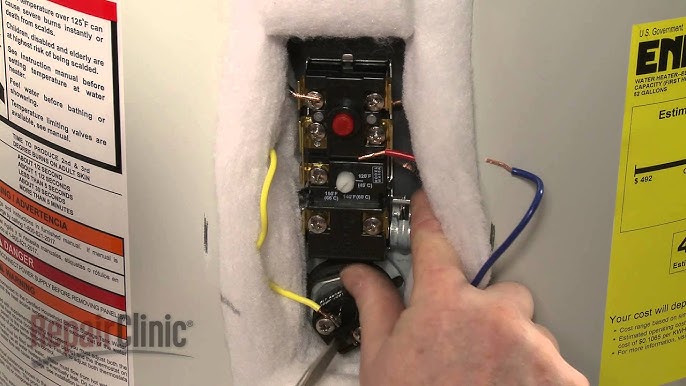
Troubleshooting your AO Smith electric water heater can feel overwhelming, especially if you aren’t a plumber or an experienced handyman. Many users face problems like no hot water, strange noises, leaks, or inconsistent temperatures. These issues can disrupt daily routines and create stress. But the good news is: most water heater problems have clear causes and practical solutions. You don’t need advanced skills to check or fix many issues. With the right guidance and a careful approach, you can solve most of the common problems yourself. This article is designed to help you do just that. We’ll explain the main problems, show you how to diagnose them, and walk you through step-by-step solutions. Along the way, you’ll find useful tables, examples, and insights that most beginners miss. By the end, you’ll have the confidence to tackle AO Smith electric water heater troubleshooting and know when it’s time to call a professional.
Understanding Your Ao Smith Electric Water Heater
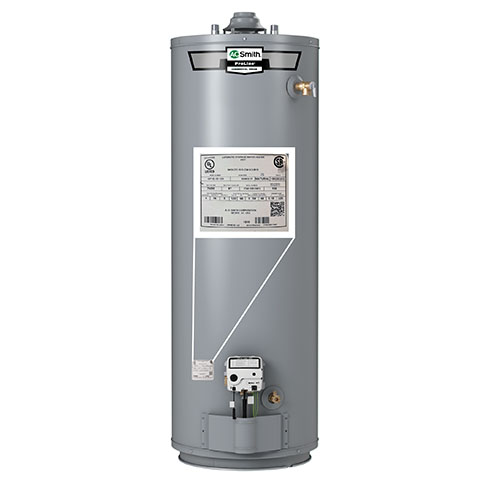
Before you start troubleshooting, it’s important to know the basic parts of your AO Smith electric water heater. This helps you find problems faster and avoid mistakes.

36% off Today’s Exclusive Deals
Limited-time Exclusive Deals. Check current discount on Amazon.
Check Price on Amazon As an Amazon Associate I earn from qualifying purchases.Main Components
- Tank: Holds the water and keeps it hot.
- Heating elements: Electric rods that heat the water.
- Thermostats: Control the temperature of the water.
- Dip tube: Brings cold water into the tank.
- Anode rod: Prevents rust and corrosion.
- Drain valve: Used to empty the tank.
- Pressure relief valve: Releases pressure if it gets too high.
How The System Works
Cold water enters the tank through the dip tube. The heating elements warm the water, and the thermostats monitor the temperature. When you use hot water, it leaves through the outlet pipe. If the tank gets too hot or pressure builds up, the pressure relief valve opens to keep things safe.
Common Electric Water Heater Models
AO Smith offers several electric water heater models. Here’s a quick comparison of three popular types:
| Model | Tank Size (Gallons) | Element Power (Watts) | Warranty (Years) |
|---|---|---|---|
| Signature 100 | 40 | 4500 | 6 |
| Signature 500 | 50 | 5500 | 10 |
| ProLine XE | 80 | 6000 | 12 |
Knowing your model helps you find compatible parts and accurate troubleshooting steps. Always check your user manual for specific details.
Safety First: Preparation Before Troubleshooting
Troubleshooting an electric water heater involves electricity and hot water. Safety comes first. Here are the main safety steps:
- Turn off power: Locate the circuit breaker for your water heater and switch it off.
- Turn off water supply: Close the cold water valve above the heater.
- Let the tank cool: Wait at least 30 minutes before touching anything.
- Wear protective gear: Gloves and safety glasses prevent injuries.
Never skip these steps. Many accidents happen because people forget to turn off the power. If you’re unsure, ask for help or call a professional.
Diagnosing Common Ao Smith Electric Water Heater Problems
Let’s go through the most frequent problems. For each, you’ll learn how to spot the issue and what causes it.
1. No Hot Water
If you turn on the tap and get cold water, your heater isn’t working. The most common causes are:
- Tripped circuit breaker
- Broken heating elements
- Faulty thermostat
- Loose wiring
Diagnosis Steps
- Check the circuit breaker.
- Inspect the thermostat settings.
- Test the heating elements with a multimeter.
2. Insufficient Hot Water
You get some hot water, but not enough. Possible reasons include:
- Small tank size
- Sediment buildup
- Faulty lower heating element
- Incorrect thermostat setting
Diagnosis Steps
- Confirm thermostat is set to 120-140°F.
- Check for sediment in the tank.
- Test both heating elements.
3. Water Too Hot
If your water is scalding, the problem usually comes from:
- Thermostat set too high
- Thermostat malfunction
Diagnosis Steps
- Check thermostat setting.
- Replace thermostat if needed.
4. Strange Noises
If you hear popping, hissing, or rumbling:
- Sediment buildup
- Heating element scaling
- Loose parts
Diagnosis Steps
- Flush the tank.
- Inspect heating elements for scale.
5. Leaking Water
Water pooling around the heater is a serious issue. Causes include:
- Loose connections
- Cracked tank
- Faulty pressure relief valve
- Damaged drain valve
Diagnosis Steps
- Inspect all connections.
- Check pressure relief valve.
- Examine tank for cracks.
6. Discolored Or Smelly Water
If your hot water looks rusty or smells bad:
- Corroded anode rod
- Bacterial growth
- Rust inside tank
Diagnosis Steps
- Inspect and replace anode rod.
- Flush tank.
- Clean inside of tank.
Step-by-step Troubleshooting Guide
Now, let’s dive deeper into how to fix each problem. This section gives you clear steps and practical tips.
Fixing No Hot Water
Step 1: Check The Circuit Breaker
Go to your electrical panel. Find the breaker labeled “Water Heater. ” Flip it off and back on. Sometimes, breakers trip and need resetting.
Step 2: Test Heating Elements
Use a multimeter. Remove the access panel on your heater. Set the multimeter to ohms. Touch one probe to each screw on the element. If you see no reading, the element is broken and needs replacing.
Step 3: Inspect Thermostat
Look for signs of burning or loose wires. If the thermostat looks damaged, replace it.
Step 4: Tighten Wiring
Loose wires can cause power loss. Tighten all connections with a screwdriver.
Fixing Insufficient Hot Water
Step 1: Adjust Thermostat
Set both upper and lower thermostats to 120-140°F. Most users prefer 120°F for safety and energy savings.
Step 2: Flush The Tank
Sediment can block heating. Attach a garden hose to the drain valve, open it, and let water flow until clear. This should be done once a year.
Step 3: Replace Heating Elements
If flushing doesn’t help, test elements and replace if needed.
Step 4: Upgrade Tank Size
If your family uses more hot water than your tank can supply, consider a larger model.
Fixing Water That Is Too Hot
Step 1: Lower Thermostat Setting
Turn the thermostat down to 120°F. This prevents scalding and saves energy.
Step 2: Replace Thermostat
If water stays hot after adjusting, the thermostat is faulty. Replace it with a compatible AO Smith part.
Fixing Strange Noises
Step 1: Flush Tank
Sediment causes popping and rumbling. Flush the tank as described above.
Step 2: Clean Heating Elements
Remove the elements and soak in vinegar to dissolve scale. Scrub gently.
Step 3: Tighten Parts
Loose fittings can rattle. Tighten all connections.
Fixing Leaks
Step 1: Inspect Connections
Look at all pipe joints and valves. Tighten with a wrench.
Step 2: Check Pressure Relief Valve
Lift the valve lever. If water leaks, the valve may need replacing.
Step 3: Replace Drain Valve
If water leaks from the drain, install a new valve.
Step 4: Examine Tank
If you see rust or cracks on the tank, replacement is necessary. Don’t try to patch a cracked tank.
Fixing Discolored Or Smelly Water
Step 1: Replace Anode Rod
Unscrew the anode rod from the top. If it’s corroded, install a new one.
Step 2: Disinfect Tank
Fill the tank with a mix of water and hydrogen peroxide. Let sit for several hours, then flush.
Step 3: Flush Tank Regularly
Regular flushing keeps water clean and prevents bacteria.
Practical Maintenance Tips
Preventing problems is easier than fixing them. Here are three tips to keep your AO Smith electric water heater in good shape:
- Annual flushing: This removes sediment and keeps heating elements efficient.
- Check anode rod every two years: Replace if it’s worn out.
- Inspect for leaks monthly: Small leaks can turn into big problems.
Maintenance Schedule Example
| Task | Frequency | Benefit |
|---|---|---|
| Flush tank | Once a year | Removes sediment |
| Check anode rod | Every 2 years | Prevents corrosion |
| Inspect for leaks | Monthly | Stops water damage |
| Test heating elements | Annually | Ensures hot water |
Set reminders on your phone or calendar. Regular maintenance saves money and prevents emergencies.
Troubleshooting Advanced Issues
Some problems are more complex and require advanced tools or knowledge. Here are two non-obvious issues beginners often miss:
Electrical Short Or Burnt Wiring
If your heater keeps tripping the breaker or won’t turn on, check for burnt wires. Remove the access panel and look for blackened wires or melted insulation. If you find these, call a licensed electrician. Never try to fix burnt wiring yourself.
Faulty Thermostat Calibration
Sometimes, thermostats are not calibrated correctly, causing inconsistent temperatures. Use a thermometer to measure water temperature at the tap. Compare with the thermostat setting. If there’s a big difference, replace the thermostat.
Comparing Element Types
Some AO Smith heaters use low-watt density elements, which are more resistant to sediment buildup. Here’s a quick comparison:
| Element Type | Sediment Resistance | Heating Speed | Typical Lifespan (Years) |
|---|---|---|---|
| Low-watt density | High | Slower | 8-10 |
| High-watt density | Low | Faster | 5-7 |
Choosing the right element type can reduce maintenance and increase heater lifespan.
When To Call A Professional
Some issues are too risky or complex for DIY troubleshooting. Call a licensed plumber or electrician if:
- You smell burning near the heater.
- Water leaks from the tank itself.
- You see melted wires or burnt parts.
- The heater trips the breaker repeatedly.
- You’re unsure about any step.
Professional help costs more, but safety is priceless. For warranty repairs, always use authorized service.
Energy Efficiency And Cost Tips
AO Smith electric water heaters are designed for efficiency, but you can save even more. Here are three tips:
- Insulate the tank: Use a water heater blanket to reduce heat loss.
- Lower thermostat setting: 120°F is usually enough for most homes.
- Fix leaks fast: Even small leaks increase energy waste and bills.
According to the US Department of Energy, lowering your water heater temperature by 10°F can save 3–5% on energy costs. Insulating pipes and the tank can save up to $20 per year.
Real-world Example: Family Troubleshooting
Let’s look at a real example. A family of four noticed their AO Smith heater wasn’t providing enough hot water. They checked the thermostats—both set at 120°F. Next, they flushed the tank and found heavy sediment. After cleaning, they tested the heating elements and found the lower one was broken.
Replacing the element restored full hot water supply. This simple process saved them $200 compared to a plumber’s visit.
Common Mistakes Beginners Make
Avoid these errors when troubleshooting:
- Forgetting to turn off power: Always shut off electricity before opening panels.
- Not checking both thermostats: AO Smith heaters often have two thermostats. Check both.
- Skipping annual flushing: Sediment buildup is the cause of many problems.
- Using wrong replacement parts: Always match the model number.
Ao Smith Warranty And Support
AO Smith offers warranties from 6 to 12 years, depending on the model. If you have a newer heater, check your warranty before making repairs. Using unauthorized parts or improper repairs can void your warranty. For technical support, visit the official AO Smith website or call their helpline.
You can find more detailed technical information at AO Smith Official Site.
Frequently Asked Questions
What Should I Do If My Ao Smith Electric Water Heater Is Leaking?
First, turn off power and water supply. Check all fittings and valves for leaks. If the leak comes from the tank itself, you need a replacement. For leaks at the drain valve or pressure relief valve, tighten or replace the parts.
How Often Should I Flush My Ao Smith Electric Water Heater?
Flush your tank at least once a year. This removes sediment and keeps the heater working efficiently. If your water is hard (contains lots of minerals), you may need to flush every six months.
Why Is My Water Heater Making Popping Or Rumbling Noises?
These noises are caused by sediment buildup. As water heats, trapped bubbles make popping sounds. Flushing the tank usually solves this. If the problem continues, check the heating elements for scale.
How Can I Check If My Heating Elements Are Broken?
Use a multimeter. Remove the access panel and set the multimeter to ohms. Test each element. If you get no reading, the element is broken. Replace with a compatible AO Smith part.
Can I Install A Larger Tank To Get More Hot Water?
Yes, but make sure your home’s electrical system can handle the larger heater. Check the amperage and wiring. Consult a professional if you’re unsure.
Troubleshooting your AO Smith electric water heater doesn’t have to be difficult. With careful steps and regular maintenance, you can solve most problems yourself. Remember to stay safe, use the right tools, and check your warranty before making repairs. If an issue feels too complex, don’t hesitate to call a professional.
By following these guidelines, you’ll keep your water heater running efficiently, save money, and enjoy reliable hot water every day.