

A Whirlpool hot water heater is a reliable appliance found in many homes. It delivers warm water for showers, cleaning, and cooking. But sometimes, it stops working as expected. When your Whirlpool water heater fails, daily routines become stressful. Fixing issues quickly can save money and restore comfort.
This guide will help you troubleshoot Whirlpool hot water heater problems step by step. Even if you are not an expert, you can follow clear instructions and avoid common mistakes. With simple explanations and real examples, you’ll learn to identify causes and solutions for most heater troubles.

36% off Today’s Exclusive Deals
Limited-time Exclusive Deals. Check current discount on Amazon.
Check Price on Amazon As an Amazon Associate I earn from qualifying purchases.Understanding Your Whirlpool Hot Water Heater
Before fixing problems, it’s important to know how your Whirlpool hot water heater works. Most Whirlpool models use electricity or gas to heat water stored in a tank. The main parts include:
- Thermostat: Controls water temperature.
- Heating element (electric models) or gas burner (gas models): Heats the water.
- Dip tube: Brings cold water into the tank.
- Anode rod: Prevents rust inside the tank.
- Pressure relief valve: Releases extra pressure for safety.
Each part plays a role in providing hot water. If one fails, you may notice changes like colder water, strange noises, or leaks.
Common Whirlpool Hot Water Heater Problems
Many issues affect Whirlpool hot water heaters. Some are simple, others need professional help. Here are the most frequent problems:
- No hot water
- Not enough hot water
- Water is too hot
- Leaking water heater
- Strange noises
- Water smells bad or looks rusty
- Pilot light won’t stay lit (gas models)
- Error codes on display (digital models)
Each problem has several possible causes. Let’s look at how to troubleshoot them.
Troubleshooting No Hot Water
If your Whirlpool heater produces no hot water, follow these steps:
Electric Models
- Check power supply
- Make sure the heater is plugged in.
- Check the circuit breaker. If it’s off, reset it.
- Look for blown fuses.
- Inspect thermostat settings
- Set the thermostat to at least 120°F.
- If the thermostat is broken, replace it.
- Test heating elements
- Turn off power.
- Use a multimeter to check resistance. A healthy element shows 10–16 ohms.
- Replace faulty elements.
Gas Models
- Check gas supply
- Make sure the gas valve is open.
- Smell for gas leaks (if you suspect a leak, stop and call a professional).
- Inspect pilot light
- If the pilot is out, relight it following Whirlpool’s instructions.
- If it won’t stay lit, the thermocouple may be faulty.
- Check burner
- Remove cover and see if the burner ignites.
- Clean or replace the burner if needed.
Example
A homeowner found their electric heater off. The breaker was tripped due to a storm. Resetting the breaker restored hot water.
Troubleshooting Not Enough Hot Water
If your water is not hot enough or runs out quickly, try these solutions:
- Thermostat setting
- Set the thermostat higher (120–140°F). Avoid setting above 140°F for safety.
- Tank size
- If your family is larger than the heater’s capacity, upgrade to a bigger tank.
- Sediment buildup
- Over time, minerals form sediment at the bottom, reducing heating efficiency.
- Flush the tank yearly to remove sediment.
- Faulty dip tube
- If the dip tube is broken, cold water mixes with hot water.
- Replace the dip tube if you notice short bursts of hot water followed by cold.
Practical Tip
Many people forget to flush their tank. This simple step improves heating and extends the heater’s life.
Troubleshooting Water That Is Too Hot
Water that is too hot can be dangerous. Adjust the thermostat:
- Lower thermostat setting
- Set it to 120°F for safe, comfortable water.
- Check thermostat accuracy
- Use a thermometer to test water temperature.
- If the thermostat is faulty, replace it.
- Stuck heating element or gas control
- Sometimes a heating element or gas valve gets stuck on.
- Test and replace if needed.
Non-obvious Insight
Older thermostats can malfunction without obvious signs. If water stays hot even after lowering the setting, replace the thermostat.
Troubleshooting Leaks
A leaking water heater is urgent. Water can damage floors and walls. Here’s how to find the cause:
- Check connections
- Inspect pipes at the top and sides.
- Tighten loose fittings.
- Inspect pressure relief valve
- If water leaks from the valve, it may be faulty or the tank pressure is too high.
- Replace the valve or lower the thermostat.
- Look for tank cracks
- If the tank itself leaks, it usually means internal rust.
- Replace the entire heater.
- Drain valve leak
- If water drips from the drain valve, tighten it.
- Replace if damaged.
Data Table: Leak Causes And Solutions
| Leak Location | Possible Cause | Recommended Action |
|---|---|---|
| Top pipes | Loose fittings | Tighten connections |
| Pressure relief valve | High pressure or faulty valve | Replace valve, adjust thermostat |
| Bottom of tank | Tank rust or crack | Replace heater |
| Drain valve | Loose or damaged valve | Tighten or replace valve |
Troubleshooting Strange Noises
Water heaters sometimes make rumbling, popping, or hissing sounds. These noises can signal problems:
- Sediment buildup
- Sediment traps heat, causing rumbling.
- Flush the tank to remove sediment.
- Heating element issues
- Electric heaters may hiss if elements are covered in minerals.
- Clean or replace heating elements.
- Expansion and contraction
- Metal parts expand and contract as they heat. This is normal, but loud noises should be checked.
Example
After years without maintenance, a heater started rumbling. Flushing the tank removed sediment and stopped the noise.
Troubleshooting Bad Smells And Rusty Water
If your hot water smells like rotten eggs or is rusty, here’s what to do:
- Bacteria growth
- Bacteria can grow in warm tanks, causing a sulfur smell.
- Flush the tank with chlorine bleach (follow Whirlpool’s instructions).
- Anode rod failure
- The anode rod prevents rust. If it wears out, water turns rusty.
- Replace the anode rod every 3–5 years.
- Pipe corrosion
- Sometimes old pipes cause rust. Check if cold water is also rusty. If yes, pipes need replacing.
Data Table: Smell And Color Problems
| Symptom | Likely Cause | Solution |
|---|---|---|
| Rotten egg smell | Bacteria in tank | Flush with bleach |
| Rusty water | Anode rod failure | Replace anode rod |
| Rusty cold water | Pipe corrosion | Replace pipes |
Troubleshooting Pilot Light Problems (gas Models)
If the pilot light won’t stay lit, your heater won’t heat water. Common causes:
- Dirty pilot orifice
- Dirt blocks gas flow. Clean the orifice gently.
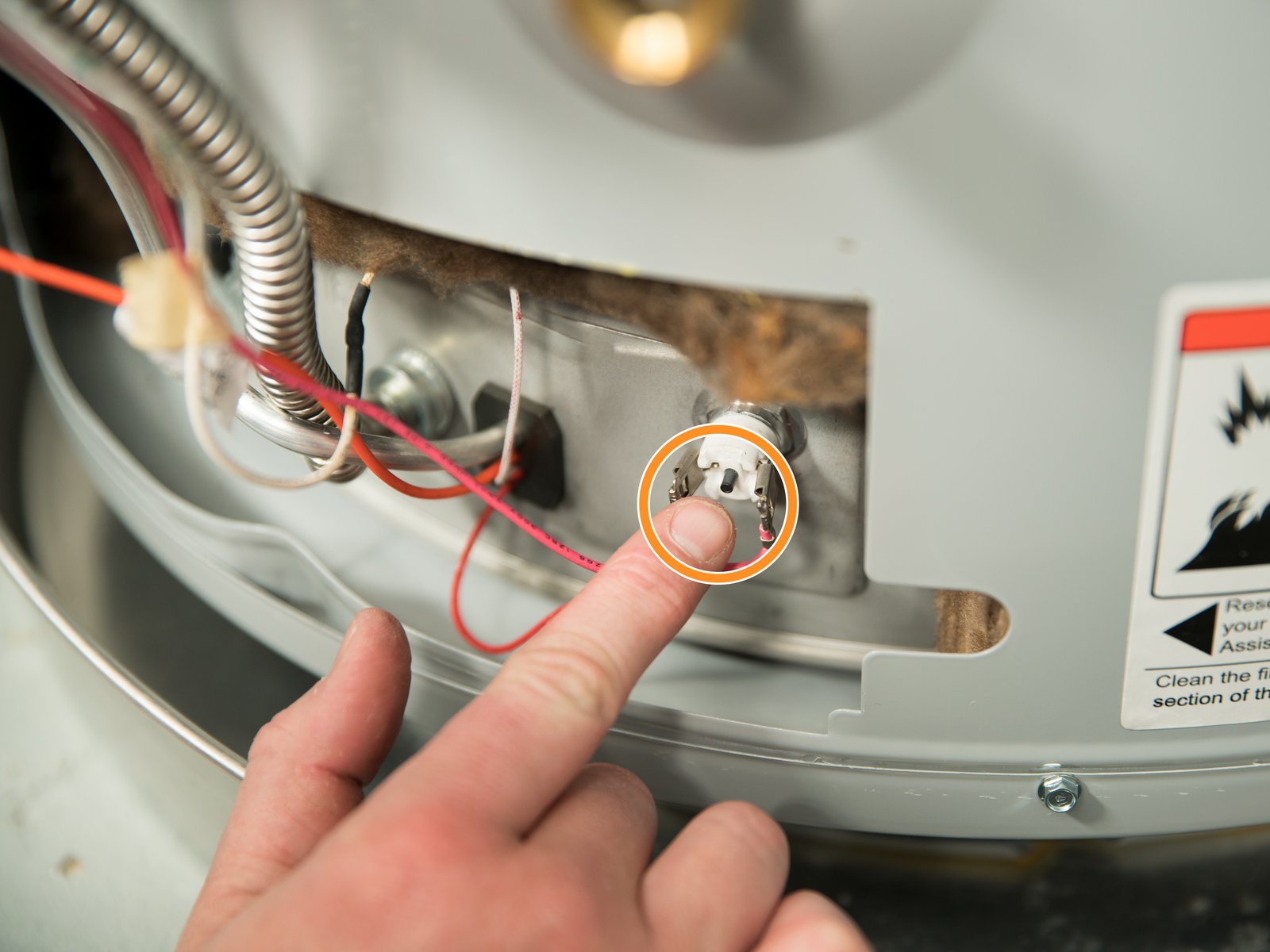
- Faulty thermocouple
- The thermocouple senses heat and keeps the pilot lit.
- Replace the thermocouple if it’s broken.
- Gas supply issues
- Make sure the gas valve is open.
- If you smell gas, leave the area and call for help.
Example
A user noticed their pilot light kept going out. The thermocouple was bent and not touching the flame. Straightening it fixed the issue.
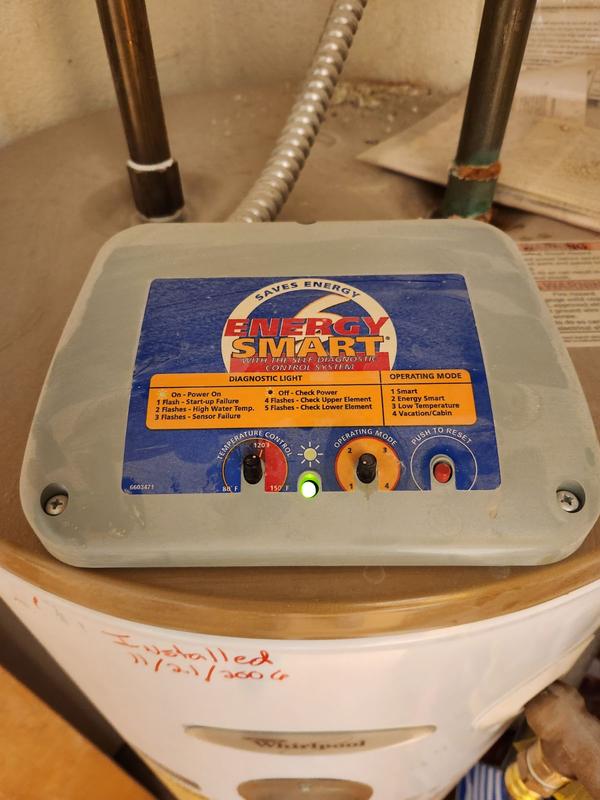
Troubleshooting Error Codes (digital Models)
Modern Whirlpool water heaters show error codes on a digital display. Each code points to a specific issue.
- Check the manual
- Find the meaning of the code in your Whirlpool manual.
- Common codes
- E1: Thermostat sensor problem
- E2: Heating element failure
- E3: Pressure issue
- Reset the heater
- Sometimes, unplugging and plugging back in resets the error.
- Call support
- For unusual codes, contact Whirlpool support for guidance.
Practical Advisor Tip
Many people ignore error codes or reset the heater without fixing the cause. Always investigate what the code means before resetting.
Maintenance Tips To Prevent Problems
Regular maintenance can prevent most heater troubles. Here are key tips:
- Flush the tank yearly
- Removes sediment and improves heating.
- Check the anode rod
- Replace every 3–5 years.
- Inspect connections
- Look for leaks and tighten fittings.
- Test the pressure relief valve
- Lift the lever to check if water flows. Replace if not.
- Set thermostat to safe level
- 120°F is recommended for most homes.
Data Table: Maintenance Frequency
| Task | Frequency | Notes |
|---|---|---|
| Flush tank | Yearly | Removes sediment |
| Replace anode rod | 3–5 years | Prevents rust |
| Test relief valve | Yearly | Ensures safety |
| Check thermostat | Yearly | Adjust for comfort |
When To Call A Professional
Some problems are simple to fix, others are not. Call a licensed plumber if:
- The tank leaks from the bottom
- There’s a strong gas smell
- Error codes won’t clear
- You feel unsure about electrical or gas repairs
Trying to fix serious problems yourself can be dangerous. Whirlpool offers customer support and warranty service for most models.
Whirlpool Water Heater Model Differences
Whirlpool makes several types of hot water heaters. Knowing your model helps with troubleshooting.
Electric Models
- Use heating elements and thermostats
- Easier for basic repairs
Gas Models
- Use burners, pilot lights, and thermocouples
- Need gas safety checks
Digital Models
- Show error codes
- Advanced diagnostics
Hybrid Models
- Combine electric and heat pump technology
- More efficient but complex
Always check your model number before buying parts or following guides.
Replacement Parts And Where To Find Them
Common replacement parts for Whirlpool heaters include:
- Heating elements
- Thermostats
- Anode rods
- Dip tubes
- Pressure relief valves
- Thermocouples (gas models)
Buy genuine Whirlpool parts from hardware stores or Whirlpool’s official website. Using non-genuine parts can void your warranty.
Safety Precautions
Safety is important when working with water heaters.
- Always turn off power or gas before repairs.
- Wear gloves and goggles.
- Never touch electrical parts with wet hands.
- If unsure, call a professional.
Real-life Troubleshooting Example
Let’s walk through a full troubleshooting case:
A family noticed their Whirlpool water heater produced only lukewarm water. They checked the thermostat, which was set at 120°F. Flushing the tank improved the temperature for a few days, but the problem returned. They tested the heating element with a multimeter—one element showed no resistance (burned out).
Replacing the element restored hot water. Regular maintenance would have prevented the failure.
Common Mistakes When Troubleshooting
Avoid these mistakes:
- Skipping basic checks
- Always check power, gas, and thermostat first.
- Ignoring error codes
- Error codes help diagnose problems.
- Not flushing the tank
- Sediment buildup is a leading cause of heater issues.
- Buying wrong parts
- Match parts to your model number.
- Forgetting safety
- Power and gas must be off before repairs.
Whirlpool Hot Water Heater Performance Vs. Other Brands
How Does Whirlpool Compare With Other Brands?
| Feature | Whirlpool | Rheem | AO Smith |
|---|---|---|---|
| Warranty | 6–12 years | 6–12 years | 6–10 years |
| Ease of repair | High | Medium | Medium |
| Parts availability | Excellent | Good | Good |
| Energy efficiency | High (hybrid models) | High | Medium |
Whirlpool heaters are easy to repair, and parts are widely available. Their hybrid models offer good energy savings. However, other brands may have longer warranties or special features.
Whirlpool Hot Water Heater Troubleshooting Checklist
To quickly review, follow this simple checklist:
- Check power or gas supply
- Inspect thermostat setting
- Test heating elements or burner
- Flush tank for sediment
- Inspect for leaks
- Check anode rod
- Look for error codes
- Replace faulty parts as needed
- Call a professional if unsure
Frequently Asked Questions
What Should I Do If My Whirlpool Heater Has No Power?
First, check the circuit breaker and fuses. If they are fine, inspect the power cord and thermostat. If the heater still has no power, contact a licensed electrician.
How Often Should I Flush My Whirlpool Water Heater?
Flush the tank once a year. This removes sediment and improves heating efficiency. In areas with hard water, flush every six months.
Why Does My Hot Water Smell Bad?
Bad smells usually mean bacteria growth in the tank. Flush the tank with chlorine bleach. If the smell returns, replace the anode rod.
Can I Replace The Heating Element Myself?
Yes, if you have basic tools and follow safety steps. Turn off power, drain the tank, and use a wrench to remove the element. If unsure, call a plumber.
Where Can I Find Official Whirlpool Parts?
Buy parts at hardware stores or Whirlpool’s website. Always use parts matching your model number. For more information, visit Whirlpool Water Heaters.
A Whirlpool hot water heater is dependable, but problems can happen. With careful troubleshooting and regular maintenance, most issues are easy to solve. Understanding your heater’s parts and symptoms helps you act fast. If you follow the advice in this guide, you’ll keep your water heater running smoothly.
When in doubt, ask for professional help. Hot water is essential for a comfortable home—keep your Whirlpool heater in top shape and enjoy peace of mind every day.

