

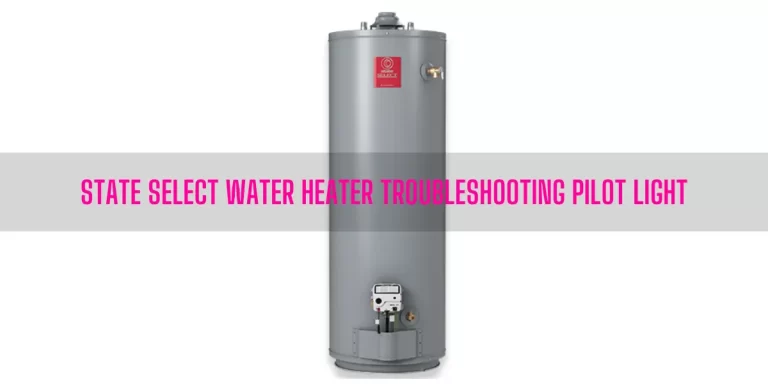
State Select Water Heater Troubleshooting
A water heater is something you rarely think about—until it stops working. The State Select water heater is trusted for its reliability, but even the best units can face issues over time. If you’re suddenly dealing with cold showers, strange noises, or leaks, you’re not alone. Many homeowners find troubleshooting their water heater confusing, especially when jargon and technical instructions feel overwhelming.
This article helps you diagnose and fix common problems with State Select water heaters. Every step is explained in simple, clear language. You’ll find practical advice, essential safety tips, and data tables to help you identify issues quickly. Whether your water heater is gas or electric, you’ll learn how to solve problems efficiently and avoid mistakes that can cost you money.

36% off Today’s Exclusive Deals
Limited-time Exclusive Deals. Check current discount on Amazon.
Check Price on Amazon As an Amazon Associate I earn from qualifying purchases.Understanding State Select Water Heaters
Before you start troubleshooting, it’s important to know the basics. State Select water heaters come in gas and electric models. Both types heat water for your home, but their parts and operation are different.
Key Features
- High efficiency: State Select models are designed to save energy.
- Safety systems: Built-in sensors protect against overheating and leaks.
- Warranty: Most units have warranties ranging from 6 to 12 years.
Common Model Types
| Model Type | Fuel Source | Main Features |
|---|---|---|
| State Select ProLine | Gas | Fast heating, high efficiency |
| State Select ProLine XE | Electric | Digital controls, energy saving |
| State Select Hybrid | Electric/Heat Pump | Advanced heat pump, low energy use |
Knowing your model helps you find the right troubleshooting steps. Always check your unit’s label for the serial number and model details before starting.
Safety Precautions Before Troubleshooting
Safety must come first. Water heaters use electricity or gas, and sometimes both. Mistakes can cause injuries, fires, or property damage.
- Turn off power: For electric models, switch off the breaker.
- Turn off gas supply: For gas models, close the gas valve.
- Let water cool: Wait several hours after turning off the heater.
- Wear gloves: Protect your hands from sharp edges and hot surfaces.
- Check for leaks: If you see water pooling, shut off the main water supply.
Never ignore a gas smell. If you detect natural gas odor, leave your home and call your gas company immediately.
Diagnosing Common State Select Water Heater Problems
Now let’s get practical. Most water heater issues fall into a few categories. Below, you’ll find clear explanations and real examples for each.
1. No Hot Water
This is the most frequent complaint. The cause depends on whether your heater is electric or gas.
Electric Model
- Tripped breaker: Check your home’s electrical panel. Reset if needed.
- Faulty heating element: The element may burn out over time.
- Thermostat failure: If the thermostat isn’t working, it won’t signal the heater.
Gas Model
- Pilot light out: Older models have a pilot flame. Newer models use electronic ignition.
- Gas valve issues: If the valve is faulty, gas won’t reach the burner.
- Thermocouple failure: This safety device cuts off gas if the pilot goes out.
Quick Troubleshooting Steps
- Check power/gas supply.
- Inspect thermostat settings.
- Look for error codes on digital models.
- Test heating element or pilot light.
2. Water Too Hot Or Too Cold
A sudden change in water temperature is frustrating. It often points to thermostat problems or sediment buildup.
- Thermostat misadjusted: Set between 120–140°F for safety.
- Broken thermostat: Replace if it doesn’t respond.
- Sediment buildup: Minerals in water can insulate the heating element.
Example
If your shower is suddenly scalding, check the thermostat first. If adjusting it doesn’t help, consider replacing it.
3. Water Leaks
Leaks can cause expensive damage if ignored. Most leaks start small.
- Loose connections: Tighten pipes and fittings.
- Faulty pressure relief valve: This valve releases excess pressure. If it leaks, replace it.
- Tank corrosion: If you see rust, the tank may be failing.
Non-obvious Insight
Not all leaks are from the tank. Sometimes water comes from condensation or nearby pipes. Wipe the area dry and check again in an hour.
4. Strange Noises
Water heaters should run quietly. If you hear popping, rumbling, or hissing, it’s time to act.
- Sediment buildup: Minerals settle at the bottom and cause noise.
- Expansion: Metal parts expand and contract as they heat.
- Loose heating element: Tighten or replace if needed.
Practical Tip
Flush your heater once a year to prevent sediment. This simple step keeps your unit running smoothly and reduces noise.
5. Pilot Light Won’t Stay Lit (gas Models)
This is a common gas heater problem. Several parts can cause the issue.
- Dirty pilot: Clean the pilot assembly.
- Thermocouple: Replace if it’s not sensing heat.
- Gas supply: Check for blockages or low pressure.
Example
If your pilot light flickers and dies, a faulty thermocouple is often the culprit. Replacing it takes less than an hour and costs under $20.
6. Low Hot Water Pressure
If your hot water trickles out slowly, the cause is often a blockage.
- Sediment in pipes: Flush pipes to clear buildup.
- Partially closed valve: Open the shutoff valve fully.
- Old plumbing: Rust or mineral buildup inside pipes.
Data Table: Causes Of Low Hot Water Pressure
| Cause | Typical Solution |
|---|---|
| Sediment in heater | Flush tank |
| Clogged pipes | Replace or clean |
| Valve partly closed | Open valve |
7. Error Codes And Digital Controls
Modern State Select models often display codes when something goes wrong.
- E01: Thermostat failure
- E02: Heating element issue
- E03: Sensor malfunction
Check your manual for a full list. These codes speed up diagnosis and help you fix problems faster.
Step-by-step Troubleshooting Guide
Here’s a practical guide to solving the most common State Select water heater problems. Follow each step in order.
Step 1: Check Power And Gas Supply
- Electric: Make sure the breaker is on.
- Gas: Confirm the gas valve is open.
Step 2: Inspect For Leaks
Look around the tank, pipes, and valves. Tighten loose fittings.
Step 3: Adjust Thermostat
Set the thermostat between 120–140°F. Use a thermometer to check water temperature.
Step 4: Flush The Tank
Sediment buildup is a hidden problem. Here’s how to flush your tank:
- Turn off power/gas.
- Attach a garden hose to the drain valve.
- Open the valve and drain water into a bucket.
- Close valve and refill tank.
Flush once a year for best results.
Step 5: Test Heating Elements Or Pilot Light
For electric heaters: Remove access panel, test element with a multimeter.
For gas heaters: Check pilot light and thermocouple.
Step 6: Reset The System
Some units have a reset button. Press it to restart controls.
Step 7: Check Error Codes
Read the display and consult your manual.
How To Replace Common Parts
Sometimes, parts need replacing. Here’s what to do for the most frequent replacements.
Heating Element (electric Models)
- Turn off power.
- Remove access panel.
- Disconnect wires.
- Unscrew element and replace.
- Reconnect wires and close panel.
Thermostat
- Turn off power.
- Remove panel.
- Disconnect wires and remove old thermostat.
- Install new thermostat and reconnect wires.
- Set desired temperature.
Thermocouple (gas Models)
- Turn off gas supply.
- Remove burner assembly.
- Unscrew old thermocouple.
- Install new thermocouple and reassemble.
Pressure Relief Valve
- Turn off water supply.
- Drain some water from tank.
- Unscrew old valve.
- Install new valve.
Preventative Maintenance Tips
Regular maintenance extends the life of your State Select water heater and reduces repairs.
- Flush tank yearly: Prevents sediment buildup.
- Check anode rod: Replace if worn. The anode rod attracts rust, protecting the tank.
- Test pressure relief valve: Lift the lever once a year. Replace if it doesn’t snap back.
- Inspect for leaks: Walk around your heater monthly.
Data Table: Maintenance Frequency
| Task | Recommended Frequency |
|---|---|
| Flush tank | Annually |
| Check anode rod | Every 2–3 years |
| Test relief valve | Annually |
| Inspect for leaks | Monthly |

When To Call A Professional
Some problems are too complex or risky for DIY repairs. If you notice these signs, call a licensed plumber:
- Gas smell
- Major leaks
- Repeated tripped breakers
- Error codes you can’t clear
- Burn marks or melted wires
Expert help protects your home and keeps your water heater safe.
Common Mistakes When Troubleshooting
Even experienced homeowners make mistakes. Here are pitfalls to avoid:
- Skipping safety steps: Always turn off power/gas before working.
- Using wrong parts: Only use parts made for your model.
- Ignoring leaks: Small leaks can lead to big problems.
- Over-tightening fittings: Can crack pipes or valves.
- Not flushing tank: Sediment shortens heater life.
Non-obvious Insight
Many people forget to check the anode rod. This simple part prevents tank corrosion. Replace it every few years to avoid tank failure.
Comparing State Select Water Heaters With Other Brands
How does State Select compare to other water heaters? Here’s a quick look at efficiency, lifespan, and warranty.
| Brand | Efficiency (%) | Average Lifespan (years) | Warranty (years) |
|---|---|---|---|
| State Select | 80–90 | 8–12 | 6–12 |
| Rheem | 78–88 | 7–11 | 6–10 |
| AO Smith | 80–89 | 8–12 | 6–10 |
| Bradford White | 79–87 | 7–10 | 6–10 |
State Select is known for long warranties and high efficiency. This makes it a strong choice for reliable hot water.
How To Read Your State Select Water Heater Manual
Your manual is your best resource. It contains troubleshooting guides, error codes, and maintenance instructions. If you lost your manual, you can download a replacement from the official State Water Heaters website or contact their support.
Many manuals also include wiring diagrams and part lists. Use these for repairs and upgrades.
Where To Find Replacement Parts
Only buy OEM parts (Original Equipment Manufacturer) for State Select water heaters. These guarantee proper fit and safe operation.
- Online retailers: Home Depot, Amazon, official State Water Heaters site.
- Local plumbing stores: Check with your supplier for correct part numbers.
- Manufacturer support: Contact State Water Heaters for advice.
For more in-depth technical support, visit the official State Water Heaters resource page at State Water Heaters.
Saving Energy With Your State Select Water Heater
Troubleshooting isn’t just about fixing problems—it’s also about improving efficiency.
- Lower thermostat to 120°F: Saves energy and prevents scalding.
- Insulate pipes: Reduces heat loss.
- Install a timer: For electric models, use a timer to cut off power overnight.
- Fix leaks quickly: Even small leaks waste energy.
Example
Lowering the thermostat just 10 degrees can reduce energy use by 5%. Over a year, this adds up to noticeable savings.
Frequently Asked Questions
What Should I Do If My State Select Water Heater Is Leaking?
First, turn off the water supply and power/gas. Dry the area and look for the source. Tighten fittings if possible. If the leak is from the tank or pressure relief valve, call a plumber. Don’t ignore leaks—they can cause major damage.
Why Is My State Select Water Heater Not Heating Water?
Check the power or gas supply. For electric models, look at the breaker and heating element. For gas models, check the pilot light and thermocouple. Also, make sure the thermostat is set correctly. If you see error codes, consult your manual.
How Often Should I Flush My State Select Water Heater?
Flush your tank once a year to remove sediment. If your water is hard (contains lots of minerals), consider flushing every six months. This keeps your heater running efficiently.
Is It Safe To Repair My State Select Water Heater Myself?
Yes, for simple tasks like replacing heating elements or thermostats, as long as you follow safety steps. Turn off power/gas and let the tank cool. For complex repairs or gas leaks, always call a licensed plumber.
Where Can I Find The Correct Replacement Parts For My State Select Water Heater?
Use OEM parts from official retailers or the State Water Heaters website. Local plumbing stores can also help. Always check your model number to ensure proper fit.
Your State Select water heater is a key part of your home. By learning simple troubleshooting steps and avoiding common mistakes, you can keep your unit running for years. Regular maintenance, smart repairs, and knowing when to call a professional make all the difference.
If you follow this guide, you’ll save money, stay safe, and enjoy reliable hot water every day.

