

If your Bradford White electric water heater isn’t working as expected, it can quickly disrupt your daily routine. Cold showers, dishes left undone, and frustrated family members can all result from a heater problem. The good news? Many issues are easy to diagnose and fix, even if you’re not a professional plumber. This guide will help you understand, troubleshoot, and solve common problems with your electric water heater, giving you confidence and peace of mind.
You’ll learn how the system works, what signs to watch for, and which steps to take before calling in a pro. The goal is simple: empower you to restore hot water safely and efficiently.

36% off Today’s Exclusive Deals
Limited-time Exclusive Deals. Check current discount on Amazon.
Check Price on Amazon As an Amazon Associate I earn from qualifying purchases.How A Bradford White Electric Water Heater Works
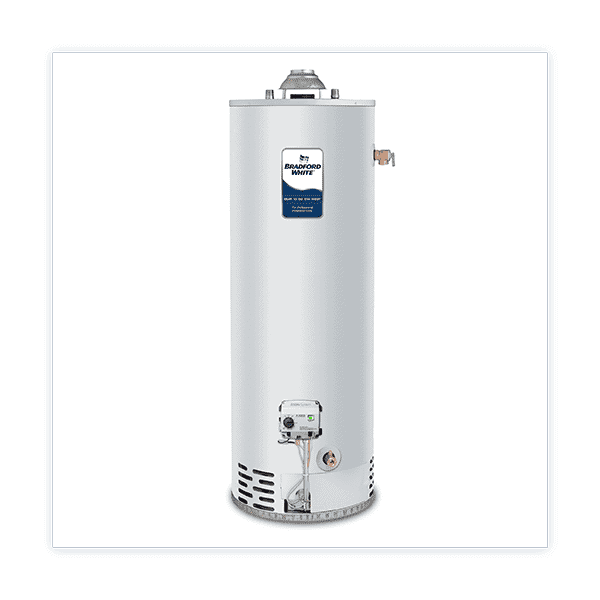
Understanding the basic operation of your water heater makes troubleshooting much easier. At its core, an electric water heater uses electric heating elements inside a tank to heat water. Cold water enters at the bottom, the elements heat it up, and hot water exits at the top when you open a tap. The unit also has a thermostat that controls the water temperature and a reset button for safety.
Key Components:
- Heating elements: Usually two (upper and lower), responsible for heating the water.
- Thermostats: One for each element, regulating temperature.
- Dip tube: Brings cold water to the bottom of the tank.
- Anode rod: Prevents tank corrosion.
- T&P valve: Releases pressure if it gets too high.
- Reset button: Shuts off power if the unit overheats.
Many problems trace back to these parts. Knowing their function helps you pinpoint the issue.
Common Problems And Symptoms
Bradford White electric water heaters are reliable, but even the best can develop problems over time. Here’s what you might notice:
- No hot water
- Water is not hot enough
- Water is too hot
- Water takes too long to reheat
- Strange noises
- Leaking water
- Discolored or smelly water
- Pilot light issues (for hybrid electric/gas models)
Each symptom points to different possible causes. Recognizing the right sign is the first step to a solution.
Initial Safety Precautions
Before you start any troubleshooting, safety comes first. Electric water heaters use high voltage. Follow these steps to avoid accidents:
- Turn off power at the breaker panel (usually a double-pole 30A breaker).
- Use a non-contact voltage tester to confirm power is off.
- Let the unit cool before opening panels or touching parts.
- Wear insulated gloves and safety glasses.
If you’re unsure or uncomfortable, stop and call a licensed professional. Working with electricity can be dangerous.
Troubleshooting Steps For Bradford White Electric Water Heaters
Let’s walk through the most common problems, their likely causes, and step-by-step fixes. Not every issue is a DIY job, but many are.
No Hot Water
This is the most frequent complaint. If there’s no hot water at all, try these steps:
- Check the circuit breaker: Make sure it hasn’t tripped.
- Press the reset button: Located on the upper thermostat, under the access panel.
- Test the thermostats: Use a multimeter to check for continuity.
- Test the heating elements: Faulty elements are a common reason for no hot water.
Example Fix: Replacing A Heating Element
If your multimeter shows a broken element (no continuity), turn off power, drain the tank, and unscrew the bad element. Install a new one with the same wattage and voltage rating.
Insight: Many users forget to bleed the air from the tank after replacing an element. Open a hot water tap and let it run until all air is out, or you’ll risk “dry firing” the new element.
Water Is Not Hot Enough
If the water is warm but not hot, possible causes include:
- One element is burned out (tank only heats halfway).
- Thermostat set too low (should be 120–140°F for most homes).
- Sediment build-up on elements, reducing efficiency.
Tip: Measure the water temperature at a faucet. If it’s below 120°F, adjust the thermostat upward in small increments.
Water Is Too Hot
Scalding water is dangerous. If your water is too hot:
- Thermostat may be set too high or malfunctioning.
- Thermostat contacts may be stuck in the “on” position.
- Wiring errors after repairs can cause constant heating.
Lower the thermostat and test again. If water stays too hot, replace the thermostat.
Water Takes Too Long To Reheat
If hot water runs out fast and takes hours to come back:
- Elements may be partially failing.
- Sediment may insulate the elements.
- Tank may be undersized for your needs.
Example: A 40-gallon tank with two healthy 4500-watt elements should fully reheat in about 1–2 hours. Longer means a problem.
Strange Noises
Hearing popping, hissing, or rumbling? It’s usually caused by mineral deposits or scale on the elements. Flushing the tank helps.
Non-obvious insight: Many people ignore these noises, but they often signal early element failure. Addressing it early saves money.
Leaking Water
Leaks can develop from:
- Loose connections at elements or thermostats.
- Failed T&P valve (safety issue).
- Corroded tank (requires replacement).
Warning: Water around electrical parts is dangerous. Turn off power and water supply immediately.
Discolored Or Smelly Water
Rust-colored water points to a worn anode rod or tank corrosion. Rotten egg smell means bacteria inside the tank. Replace the rod and flush the tank.
Pilot Light Issues
Some hybrid models use a small pilot. If it won’t stay lit, check for:
- Faulty thermocouple.
- Clogged pilot orifice.
- Air in gas line (for gas-assist units).

Diagnostic Tools And When To Use Them
You don’t need many tools for basic troubleshooting. Here are the essentials:
- Screwdrivers: For access panels.
- Multimeter: For checking voltage and continuity.
- Non-contact voltage tester: For safety.
- Socket wrench: For heating element removal.
- Bucket and hose: For draining the tank.
Pro tip: A cheap multimeter is one of the best investments for any homeowner with an electric water heater.
How To Test And Replace Heating Elements
Heating elements are the most replaced part in a Bradford White electric water heater. Here’s how to test and change them:
- Turn off power at the breaker.
- Remove the access panel and insulation.
- Disconnect wires from the element.
- Use a multimeter to check resistance (should read 10–16 ohms for most models).
- If reading is infinite or zero, the element is bad.
- Drain the tank below the element.
- Unscrew the element using a special socket.
- Clean the opening, install a new element, and tighten.
- Reconnect wires, fill the tank, and restore power.
Caution: Never power the heater with a dry tank—it will destroy the new element instantly.
Thermostat Troubleshooting And Adjustment
Thermostats control the water temperature. If the tank overheats or water is cold, the thermostat may be at fault.
- Turn off power.
- Remove access panel and insulation.
- Use a multimeter to check for continuity.
- If the thermostat fails, replace it with the same model.
Adjustment: Turn the dial to set the desired temperature, usually 120°F for safety and efficiency.
Non-obvious insight: Bradford White thermostats often have a reset button that trips if the tank overheats. Repeated tripping points to a deeper issue, like a stuck thermostat or shorted element.
Flushing The Tank To Remove Sediment
Sediment build-up lowers efficiency and can damage elements. Flushing is simple:
- Turn off power and cold water supply.
- Connect a hose to the drain valve.
- Open a hot water tap in the house.
- Open the drain valve and flush until clear water flows.
Frequency: Once a year is enough for most homes.
Tip: If the drain valve clogs, remove it and use a small screwdriver to clear debris.
Common Error Codes And What They Mean
Newer Bradford White electric water heaters have digital displays for error codes. Here’s what some typical codes mean:
| Error Code | Meaning | Action |
|---|---|---|
| E01 | Upper element failure | Test/replace upper element |
| E02 | Lower element failure | Test/replace lower element |
| E03 | Thermostat error | Test/replace thermostat |
| E04 | High temperature limit tripped | Press reset; check for cause |
| E05 | Sensor error | Inspect and replace sensor |
Always consult your specific model’s manual for code meanings.
When To Call A Professional
Some problems should not be handled by non-professionals:
- Water leaking from the tank body
- Repeated breaker trips
- Electrical smells or visible wiring issues
- Unfamiliar error codes
If you’ve done basic checks and the problem persists, it’s time for expert help. Safety is more important than DIY pride.
Preventive Maintenance Tips
Regular care can extend the life of your Bradford White electric water heater:
- Flush the tank annually to reduce sediment.
- Test the T&P valve every 6 months.
- Inspect wiring for signs of wear or heat.
- Replace the anode rod every 3–5 years.
- Check for leaks around elements and valves.
Unexpected tip: If your water heater is more than 10 years old, start saving for a replacement. Most tanks last 8–12 years; older units are more likely to fail suddenly.
Comparing Bradford White To Other Brands
How does Bradford White stack up against competitors like Rheem and AO Smith? Here’s a quick look at key differences:
| Feature | Bradford White | Rheem | AO Smith |
|---|---|---|---|
| Tank Warranty | 6-10 years | 6-12 years | 6-10 years |
| Element Material | Copper/Low-watt density | Copper | Stainless steel |
| Digital Controls | Most models | Most models | High-end only |
| Serviceability | High | Medium | Medium |
| Price Range | $$ | $$ | $$$ |
Bradford White units are known for their durability, easy service, and strong warranty support.
Energy Efficiency And Cost Considerations
Many users overlook the impact of a poorly performing water heater on their electric bill. A failing thermostat or element can waste energy, costing you hundreds of dollars per year.
Energy-saving tips:
- Lower the thermostat to 120°F.
- Insulate hot water pipes.
- Fix leaks quickly.
- Install a timer if your model supports it.
Fact: The average U.S. household spends about 18% of its energy bill on water heating. Small improvements can make a big difference.
Upgrading Or Replacing Your Water Heater
When repair costs approach 50% of the price of a new unit, replacement becomes a smart option. Consider:
- Age of the unit (over 10 years old)
- Frequency of repairs
- Drop in efficiency or recovery time
- Tank leaks (which can’t be repaired)
Newer models offer better energy efficiency, digital controls, and longer warranties. If you’re thinking of upgrading, compare ENERGY STAR ratings and rebate programs in your area.
Troubleshooting Quick Reference Table
Here’s a summary of symptoms, causes, and fixes for fast reference:
| Symptom | Possible Cause | Action |
|---|---|---|
| No hot water | Tripped breaker, bad element, faulty thermostat | Check breaker, test/replace part |
| Warm, not hot | One bad element, low thermostat setting | Test/replace element, adjust thermostat |
| Water too hot | Thermostat set high, stuck contacts | Lower thermostat, replace if needed |
| Leaks | Loose connections, failed T&P valve, tank corrosion | Tighten, replace valve, call pro |
| Strange noises | Sediment build-up | Flush tank |
| Discolored water | Worn anode rod, tank corrosion | Replace rod, flush tank |
Frequently Asked Questions
Why Does My Bradford White Electric Water Heater Keep Tripping The Reset Button?
A tripped reset button usually means overheating. Common causes are a stuck thermostat, shorted heating element, or wiring problems. Resetting without finding the cause can lead to further issues. Test both thermostats and elements to identify the fault.
How Often Should I Flush My Bradford White Electric Water Heater?
Flushing the tank once per year is recommended for most homes. In areas with hard water, do it every six months. Regular flushing removes sediment, improves efficiency, and extends the heater’s lifespan.
Can I Replace A Heating Element Myself, Or Should I Call A Professional?
Replacing a heating element is a manageable DIY job if you’re comfortable with basic tools and safety steps. Always turn off power and drain the tank first. If you’re unsure or see signs of corrosion, call a professional.
What Temperature Should I Set My Bradford White Electric Water Heater?
The optimal setting for most homes is 120°F. This is hot enough for cleaning and bathing, but not so high it causes scalding or wastes energy. Some users prefer 130–140°F for dishwashing, but higher temperatures increase energy use and risk.
Where Can I Find Official Manuals Or Support For My Bradford White Water Heater?
You can find official manuals, troubleshooting guides, and support resources at the Bradford White official website. This site offers downloadable documents and contact information for technical support.
Final Thoughts
Troubleshooting a Bradford White electric water heater might seem complex, but with patience and the right knowledge, many issues are simple to address. Start with safety, identify the symptom, and use this guide to walk through logical steps. Regular maintenance not only solves small problems but also prevents bigger ones. When in doubt, don’t hesitate to contact a professional—safety is always the top priority.
With a little effort, you can keep your hot water flowing and your household happy for years to come.

