

Keeping your pool at the right temperature can make all the difference between a relaxing swim and an uncomfortable experience. Rheem pool heaters are popular for their reliability and efficient heating, but like any machine, they can sometimes run into problems. A heater that suddenly stops working, throws error codes, or struggles to keep your pool warm can quickly turn pool time into frustration. The good news? Many common issues can be fixed with a bit of knowledge and some basic troubleshooting.
This guide will walk you through the most frequent Rheem pool heater problems, practical troubleshooting steps, and expert tips to get your heater back on track. Whether you’re a new pool owner or you’ve had your Rheem heater for years, you’ll find clear explanations, real examples, and non-obvious advice that can save you time and money.

36% off Today’s Exclusive Deals
Limited-time Exclusive Deals. Check current discount on Amazon.
Check Price on Amazon As an Amazon Associate I earn from qualifying purchases.Let’s dive in.
Understanding Your Rheem Pool Heater
Before troubleshooting, it helps to know how your Rheem pool heater works. Most models use either gas (natural gas or propane) or electricity to heat water as it circulates through the unit. Sensors, valves, and electronic controls monitor temperature and safety. When something goes wrong, the heater often displays an error code or indicator light to point you in the right direction.
Main Types Of Rheem Pool Heaters
- Gas Pool Heaters: Use natural gas or propane. Heats water quickly, suitable for large pools or spas.
- Electric Heat Pumps: Use electricity to transfer heat from the air to the water. More energy-efficient but slower to heat.
Key Components
- Thermostat/Temperature Control: Sets and monitors the desired pool temperature.
- Pressure Switch: Ensures water is flowing before the heater runs.
- High Limit Switch: Shuts off heater if water gets too hot.
- Ignition System: Starts the gas burner (for gas models).
- Heat Exchanger: Transfers heat to the pool water.
- Control Board: “Brain” of the heater, manages sensors and functions.
A basic understanding of these parts makes troubleshooting faster and safer.
Common Rheem Pool Heater Problems
Most Rheem heater issues fall into a few categories. Addressing the root cause is more effective than just resetting the unit. Here are the most frequent problems:
- Heater Won’t Turn On: No power, tripped breakers, or failed switches.
- No Heat or Low Heat: Clogged filters, thermostat issues, or dirty burners.
- Error Codes: Indicates problems like ignition failure, water flow, or sensor error.
- Heater Cycles On and Off: Water flow issues, thermostat misreading, or faulty sensors.
- Unusual Noises: Scale buildup, debris, or mechanical issues.
- Leaking Water: Damaged heat exchanger or plumbing connections.
- Soot or Bad Smell: Burner problems (gas models) or poor combustion.
Not every problem means you need a service call. Many can be fixed with simple steps.
Basic Troubleshooting Steps
Start with the basics before opening up the heater or calling a pro. Most issues have simple causes.
Step 1: Check Power And Settings
- Make sure the heater switch is ON.
- Verify thermostat is set higher than current pool temperature.
- Inspect circuit breakers and fuses at the main panel.
- For electric models, confirm the GFCI outlet is working.
It’s easy to overlook a tripped breaker or a setting change.
Step 2: Confirm Water Flow
- Clean the pool filter and pump basket.
- Ensure all valves are open.
- Check for air locks in the plumbing.
- The heater needs proper water flow to operate. Low flow triggers safety switches.
Step 3: Review Error Codes
Rheem heaters display error codes on the control panel. Each code points to a specific issue. Consult your heater’s manual for a full list. Here’s a quick reference for common codes:
| Error Code | Meaning | Possible Solution |
|---|---|---|
| IF | Ignition Failure | Check gas supply, igniter, flame sensor |
| LO | Low Water Flow | Clean filters, check pump, inspect valves |
| HS | High Limit Switch | Allow to cool, check for blockages |
| AO | Air Flow/Pressure | Inspect venting, clean blower intake |
If you’re not sure about a code, the manual or the Rheem website can help.
Step 4: Reset The Heater
Sometimes, a simple reset can clear minor glitches:
- Turn off power to the heater for 1 minute.
- Turn power back on and restart.
If the problem returns, further troubleshooting is needed.
Troubleshooting By Problem Type
Below, you’ll find step-by-step instructions for the most common Rheem pool heater issues.
Heater Will Not Start
When the heater doesn’t start, check these points:
- Power Supply: Confirm that the unit is plugged in and the breaker is ON. For hardwired units, check the connection at the heater.
- Thermostat Setting: The heater will not turn on if the set temperature is lower than the water temperature.
- External Controls: If you use a pool automation system, make sure it’s set to allow heating.
- Safety Switches: Many units have a manual safety reset button—press it if available.
- Error Messages: Note any codes on the display panel.
A common mistake is overlooking the pool’s timer or automation system, which can override the heater settings.
Heater Runs But Does Not Heat
If the heater turns on but the pool stays cold:
- Dirty Filter: A clogged filter reduces water flow and heating efficiency.
- Bypass Valves: If your system has a heater bypass, ensure it is closed so water flows through the heater.
- Gas Supply (for gas models): Confirm gas valves are open. Check for empty propane tanks.
- Thermostat Calibration: If the thermostat reads incorrectly, the heater may shut off too soon.
- Scale Buildup: Hard water can create scale inside the heat exchanger, blocking heat transfer.
For electric models, make sure the heat pump is not in “cool” mode by mistake.
Heater Cycles On And Off
Short cycling can wear out components quickly. Causes include:
- Low Water Flow: Dirty filters, closed valves, or undersized pumps.
- Incorrect Thermostat Setting: Set at or below current water temperature.
- Faulty Sensors: Pressure or temperature sensors can fail over time.
- Air in System: Air bubbles in the plumbing can disrupt flow.
Addressing water flow is the most common fix for short cycling.
Error Code Troubleshooting
When your Rheem heater flashes an error code, use this approach:
- Read the Code: Look up the code in your manual.
- Basic Fixes: Many codes relate to water flow, ignition, or sensors.
- Check Connectors: Loose or corroded wires can cause false errors.
- Reset and Retest: After fixing the root cause, clear the code by resetting the heater.
Some codes, like “IF” for ignition failure, may require checking the flame sensor or igniter. These parts can often be cleaned with a soft brush.
Unusual Noises
Unusual sounds often indicate a problem:
- Whistling/Hissing: Air leak or gas pressure issue.
- Banging/Knocking: Scale or debris inside the heat exchanger.
- Rattling: Loose panels or hardware.
Scale buildup is a silent killer for pool heaters. If you have hard water, flush the heat exchanger with a descaling solution at least once a year.
Water Leaks
Water under or around the heater can be serious:
- Condensation: Some moisture is normal, especially on cool mornings.
- Leaking Unions/Fittings: Tighten or replace O-rings and gaskets.
- Cracked Heat Exchanger: Usually caused by freezing or corrosion. Needs professional repair.
Never run a heater with visible leaks; water can damage internal electronics.
Soot, Smoke, Or Bad Odors
For gas heaters, soot or a rotten egg smell means incomplete combustion:
- Dirty Burners: Clean with compressed air.
- Blocked Vent: Check for debris or animals in the vent pipe.
- Gas Supply Issues: Low gas pressure or wrong fuel type.
If you smell gas, turn off the heater and call a technician immediately.

Advanced Troubleshooting Tips
Some heater problems require a bit more skill, but can still be tackled by a confident DIYer.
Checking The Pressure Switch
The pressure switch ensures there’s enough water flow for safe operation. If it fails, the heater won’t fire.
- Use a multimeter to test for continuity.
- Adjust the switch if your flow rate is borderline low.
- Replace the switch if it’s defective.
Cleaning The Flame Sensor
A dirty flame sensor can cause ignition failures:
- Turn off power and gas.
- Remove the sensor (usually one screw).
- Clean gently with fine steel wool.
- Reinstall and test.
Flushing The Heat Exchanger
Mineral buildup reduces heater efficiency:
- Turn off power and water.
- Disconnect heater plumbing.
- Run a descaling solution (like vinegar or commercial cleaner) through the exchanger.
- Rinse thoroughly and reconnect.
Regular flushing keeps heating fast and efficient.
Updating Heater Firmware
Some newer Rheem heaters allow firmware updates for bug fixes. Check the manual or the official Rheem site for instructions.
Preventive Maintenance For Fewer Problems
Most heater breakdowns are preventable with regular care.
- Clean Filters Weekly: Dirty filters are the top cause of heater shutdowns.
- Inspect Plumbing: Look for leaks or worn fittings monthly.
- Flush Heat Exchanger Annually: Especially in hard water areas.
- Check Burner/Vent (Gas Models): Clean at least once a year.
- Test Safety Switches: Make sure they trip and reset correctly.
A simple maintenance log can help you track what you’ve done and when.

When To Call A Professional
While many issues can be fixed by the owner, some require a qualified technician:
- Gas Leaks: Never attempt to repair gas lines yourself.
- Electrical Problems: If you’re not sure, always call an electrician.
- Major Leaks: Cracked heat exchangers or large water leaks need expert help.
- Repeated Error Codes: If errors return after resets and basic fixes, deeper diagnostics are needed.
Professional servicing keeps your warranty intact and ensures safety.
Non-obvious Troubleshooting Insights
- Automation System Conflicts: Pool automation systems can accidentally override heater settings or cause communication errors. Always double-check the settings in both the heater and the pool controller.
- Heater Placement Matters: Install the heater on a level, stable surface with good airflow. Blocked vents or airflow can cause overheating and errors, especially with heat pumps.
- Voltage Fluctuations: Unstable power supply can cause random shutdowns or display glitches. Installing a surge protector can prevent damage to the control board.
- Ambient Air Temperature: Heat pumps lose efficiency in cold weather. In very cold climates, a gas heater may be more reliable.
Comparing Gas Vs. Electric Rheem Heaters
Understanding the differences can help you troubleshoot more effectively.
| Feature | Gas Heater | Electric Heat Pump |
|---|---|---|
| Heating Speed | Fast (hours) | Slow (days) |
| Energy Cost | Higher per use | Lower per use |
| Best For | Cold climates, quick heat | Warm climates, steady use |
| Maintenance | Burner cleaning, vent checks | Coil cleaning, airflow checks |
| Common Issues | Ignition, soot, leaks | Low efficiency in cold, airflow errors |
Real-world Example: Diagnosing A “lo” Error
Let’s walk through a common scenario. Your Rheem heater displays “LO” (low water flow):
- Check Filter: Find the pressure gauge on your pool filter. If it reads high, clean or backwash the filter.
- Inspect Pump Basket: A clogged basket starves the heater of water.
- Look for Air Bubbles: Air in the pump sight glass means you may have a suction leak.
- Check Valve Positions: Make sure all pool valves are open for full flow.
- Pressure Switch: If all else fails, the pressure switch may be stuck or faulty.
Addressing water flow often fixes this error in minutes.
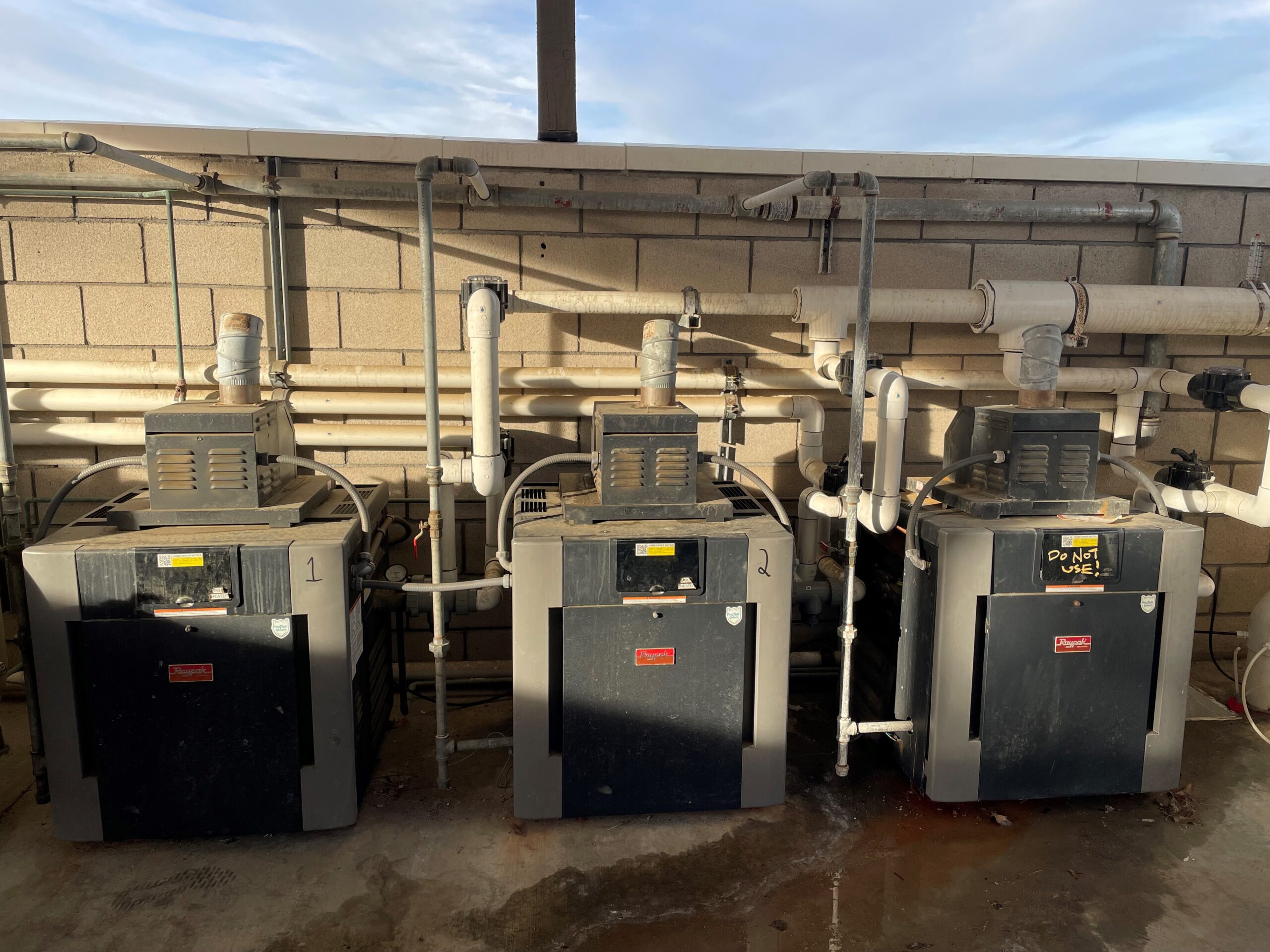
Costs: Diy Vs. Professional Repair
How Much Can You Expect To Spend?
| Repair Type | DIY Cost | Pro Cost |
|---|---|---|
| Clean Filter/Basket | $0 (your time) | $100–$150 |
| Replace Pressure Switch | $25–$60 | $150–$250 |
| Descale Heat Exchanger | $20–$50 | $200–$400 |
| Control Board Replacement | $150–$300 | $400–$700 |
DIY fixes save money, but know your limits for safety.
Pool Heater Troubleshooting Safety Tips
- Turn off power and gas before opening the heater.
- Wear gloves and safety glasses.
- Work in a ventilated area when cleaning burners or using chemicals.
- Never bypass safety switches.
Safety is always more important than a quick fix.
Frequently Asked Questions
Why Does My Rheem Pool Heater Keep Shutting Off?
Heaters often shut off due to low water flow, dirty filters, or an incorrectly set thermostat. Check for error codes, clean your filter, and ensure all valves are open. If the problem continues, a sensor or pressure switch may be failing.
How Often Should I Service My Rheem Pool Heater?
Basic maintenance, like cleaning filters and checking burners, should be done at least once a season. A full professional service is recommended once a year, especially before peak pool season.
What Does The “if” Error Mean On My Rheem Heater?
The “IF” error stands for ignition failure. This can be caused by a dirty or faulty igniter, no gas supply, or a problem with the flame sensor. Clean the sensor and check the gas line. If it persists, call a technician.
Can I Use My Pool Heater In Freezing Weather?
Gas heaters can operate in cold weather, but electric heat pumps lose efficiency below 50°F (10°C). If you live in a region with freezing winters, consider winterizing your heater or using a gas model for reliable heating.
Where Can I Find More Detailed Troubleshooting Guides?
The official Rheem website offers manuals and troubleshooting help for all models. You can visit the Rheem Troubleshooting Resource for more information.
Regular care and quick troubleshooting keep your pool heater running smoothly. Remember, the key to a warm pool is not just fixing problems but preventing them before they start. With the right approach, your Rheem pool heater will deliver comfort and reliability for years to come.

