

If your Generac pressure washer suddenly stops working, it can ruin your cleaning plans. Maybe water is not spraying, the engine won’t start, or pressure drops unexpectedly. These machines are powerful, but like all tools, they sometimes have problems. The good news is, you don’t always need to call a technician. With the right approach, you can fix most issues yourself—even if you’re not a professional.
This guide will help you understand the most common problems with Generac pressure washers. You’ll learn how to spot the cause, what steps to try first, and when you really need expert help. Along the way, you’ll see clear examples, practical tips, and even how to prevent these issues next time.

36% off Today’s Exclusive Deals
Limited-time Exclusive Deals. Check current discount on Amazon.
Check Price on Amazon As an Amazon Associate I earn from qualifying purchases.Let’s get your cleaning power back on track.
Understanding Your Generac Pressure Washer
Before fixing problems, it’s helpful to know how a pressure washer works. A Generac pressure washer uses a gasoline engine or electric motor to power a pump. This pump increases water pressure from your garden hose, pushing it through a spray wand. The result: powerful water jets that can clean driveways, cars, siding, and more.
Key parts include:
- Engine or motor (gas or electric)
- Pump (creates high pressure)
- Spray wand and nozzle
- Hoses (water in and out)
- Detergent tank (on some models)
If any of these parts fail, your machine won’t work as expected. Most problems trace back to one of these components.
Common Generac Pressure Washer Problems (and Solutions)
1. Pressure Washer Won’t Start
This is one of the most frequent complaints. The washer might be silent, sputter, or just not fire up.
Causes and Fixes:
- Empty fuel tank: Check gas level. Fill with fresh fuel if needed.
- Stale gas: Old gasoline causes hard starting. Drain and refill if it’s over 30 days old.
- Dirty air filter: Clogged filter restricts air. Remove and clean or replace.
- Spark plug issues: A fouled or loose plug stops ignition. Remove, clean, gap, or replace spark plug.
- Faulty switch (electric models): For electric units, make sure the power switch is on and outlet works.
- Low oil: Some Generac models have oil sensors. If oil is low, the engine won’t start.
Non-obvious tip: If you store your washer in a cold place, old oil can get thick. Try changing to a thinner oil grade for cold weather starts.
2. Pressure Washer Starts, But No Pressure
Sometimes the engine runs, but water just trickles out—or there’s no pressure at all.
Possible Causes:
- Clogged nozzle: Dirt or debris blocks water flow. Remove nozzle and clean with a needle.
- Air in hose: Air pockets reduce pressure. Run the washer with the trigger squeezed (no nozzle attached) for 1–2 minutes.
- Water supply issue: Make sure your hose is fully open, and the supply is at least 20 PSI.
- Faulty unloader valve: This valve controls pressure. If stuck, it needs cleaning or replacement.
- Leaky connections: Check all hose fittings for tightness.
Practical example: If you notice water leaking under the unit, a loose hose or O-ring is often the cause. Tighten connections and replace worn O-rings.
3. Pressure Fluctuates Or Pulsates
If you feel the pressure “surge” or “drop and rise” while spraying, something is disrupting flow.
Main Causes:
- Dirty inlet filter: A blocked filter restricts water. Remove and rinse it.
- Worn pump seals: Seals inside the pump can wear out, letting water escape.
- Inconsistent water supply: Make sure your outdoor faucet delivers steady water.
- Spray wand or nozzle blockage: Try a different nozzle to see if the problem stops.
Insight: Many people forget that long garden hoses or narrow hoses can reduce flow. Always use a hose at least ¾” diameter for best results.
4. Soap Or Detergent Not Dispensing
Detergent injection is useful for washing cars, siding, or decks. But sometimes, the soap doesn’t mix with water.
What to Check:
- Wrong nozzle: Detergent only works with the low-pressure soap nozzle (usually black).
- Clogged detergent tube: Remove and rinse the tube in warm water.
- Detergent valve closed: Some models have a valve—ensure it’s in the open position.
- Thick detergent: Only use pressure washer-safe soaps. Household cleaners may be too thick.
Extra tip: After using soap, always flush the tube with clean water to prevent clogs next time.
5. Engine Runs Poorly Or Stalls
The engine starts but runs rough, smokes, or stops after a few minutes.
Check for:
- Dirty carburetor: Gummed-up fuel can block jets. Clean the carburetor or use a fuel system cleaner.
- Bad spark plug: Replace if it’s black, oily, or cracked.
- Fuel filter blockage: Replace if dirty.
- Choke position: Make sure the choke is set properly for starting and running.
- Overheating: Give the machine a rest every 30–60 minutes.
Non-obvious insight: Ethanol gas absorbs water and can cause starting and running issues. Use ethanol-free gas if available.
6. Water Leaks
Water leaking from the pump, hoses, or wand means something is loose or worn.
Troubleshooting Steps:
- Check O-rings: These rubber rings seal connections. Replace cracked or flattened O-rings.
- Tighten fittings: Use a wrench, but don’t overtighten.
- Inspect hoses: Replace any hose that’s soft, bulging, or has pinholes.
- Pump leaks: If water drips from the pump housing, the seals may need replacing.
7. Pressure Washer Won’t Shut Off
If the engine keeps running after you release the trigger, or the pump still pushes water, the unloader valve may be stuck.
- Unloader valve issue: Remove and clean the valve. Replace if it’s damaged.
- Sticking trigger: Spray the trigger mechanism with lubricant.
- Pump bypass failure: If the pump can’t bypass pressure, it may overheat. Never let the engine run for more than 2 minutes without spraying.
Troubleshooting By Symptom: Quick Reference
Here’s a handy chart to match common symptoms with likely causes and fixes.
| Symptom | Likely Causes | Quick Fix |
|---|---|---|
| Engine won’t start | No fuel, bad spark plug, dirty air filter | Refuel, replace plug, clean filter |
| No pressure | Clogged nozzle, air in hose, faulty unloader | Clean nozzle, purge air, check unloader |
| Water leaks | Worn O-rings, loose fittings, cracked hoses | Replace O-rings, tighten, replace hose |
| Soap not dispensing | Wrong nozzle, clogged tube, thick soap | Use soap nozzle, clean tube, use correct soap |
| Pressure surges | Dirty inlet, inconsistent water supply | Clean filter, check supply |
Preventive Maintenance Tips
Keeping your Generac pressure washer in good shape helps avoid most problems. Here’s what you should do regularly:
- Use fresh fuel: Old gas causes most engine problems.
- Change oil every season: Dirty oil harms the engine.
- Clean/replace air filter: Check every 25 hours of use.
- Flush detergent system: Rinse with water after every use.
- Store indoors: Keep the washer dry and away from freezing temperatures.
- Run pump saver: Use a pump protector before storing for winter.
- Check hoses and O-rings: Replace at the first sign of wear.
Pro tip: Many users overlook the need to “winterize” their washer. Freezing water inside the pump can crack it. Always drain or use antifreeze if storing in cold climates.
When To Call A Professional
Not all problems should be fixed at home. If you notice any of these, seek help:
- Engine makes grinding noises
- Pump leaks oil
- Strong burning smell
- Repeated electrical issues (electric models)
- Machine is under warranty
Trying to fix complex engine or pump problems without proper tools can cause more damage. Generac’s customer support or a certified repair shop can handle these issues safely.
Advanced Troubleshooting: Deeper Issues
If you’ve checked all basics and still have trouble, look deeper:
Pump Problems
A failing pump shows reduced pressure, water leaks, or strange noises.
- Check oil level (if applicable): Some pumps need oil. Low oil can destroy the pump.
- Inspect valves and seals: These can wear out after years of use.
- Listen for rattling: Internal pump parts may have come loose.
Electrical Issues (electric Models)
- Check GFCI plug: Press “reset” on the plug. If it keeps tripping, the cord or motor may be bad.
- Inspect power cord: Cuts, nicks, or exposed wires are dangerous.
- Test outlet: Plug in a lamp to make sure the outlet works.
Fuel System Complications
- Carburetor cleaning: Old gas gums up the tiny jets. Remove and clean carefully.
- Fuel line cracks: If fuel leaks, replace the line.
Unloader Valve Testing
If pressure is low or pump overheats:
- Remove and inspect the unloader valve: Look for rust, debris, or stuck parts.
- Lubricate or replace: Don’t force stuck parts.
Comparing Generac With Other Brands
How do Generac pressure washers stack up to other leading brands? Here’s a comparison to give you context for troubleshooting and expectations.
| Brand | Average PSI Range | Common Issues | Average Repair Cost |
|---|---|---|---|
| Generac | 2700–4200 | Pump leaks, hard starts, unloader issues | $50–$150 |
| Simpson | 3000–4400 | Wand leaks, nozzle clogs, soap system faults | $60–$170 |
| Ryobi | 1800–3000 | Electrical failures, hose bursts | $40–$130 |
| DeWalt | 2800–4200 | Stalling, unloader failures | $70–$180 |
Note: Costs vary by location and whether you use official service.
How To Read Error Codes And User Manual Tips
Some advanced Generac models display error codes or warning lights. Always check your user manual, but here are some common codes:
- E01: Low oil
- E02: Overheating
- E03: Pump fault
If you lose your manual, download it from the official Generac website or trusted sources. Manuals often list unique troubleshooting steps for your specific model.
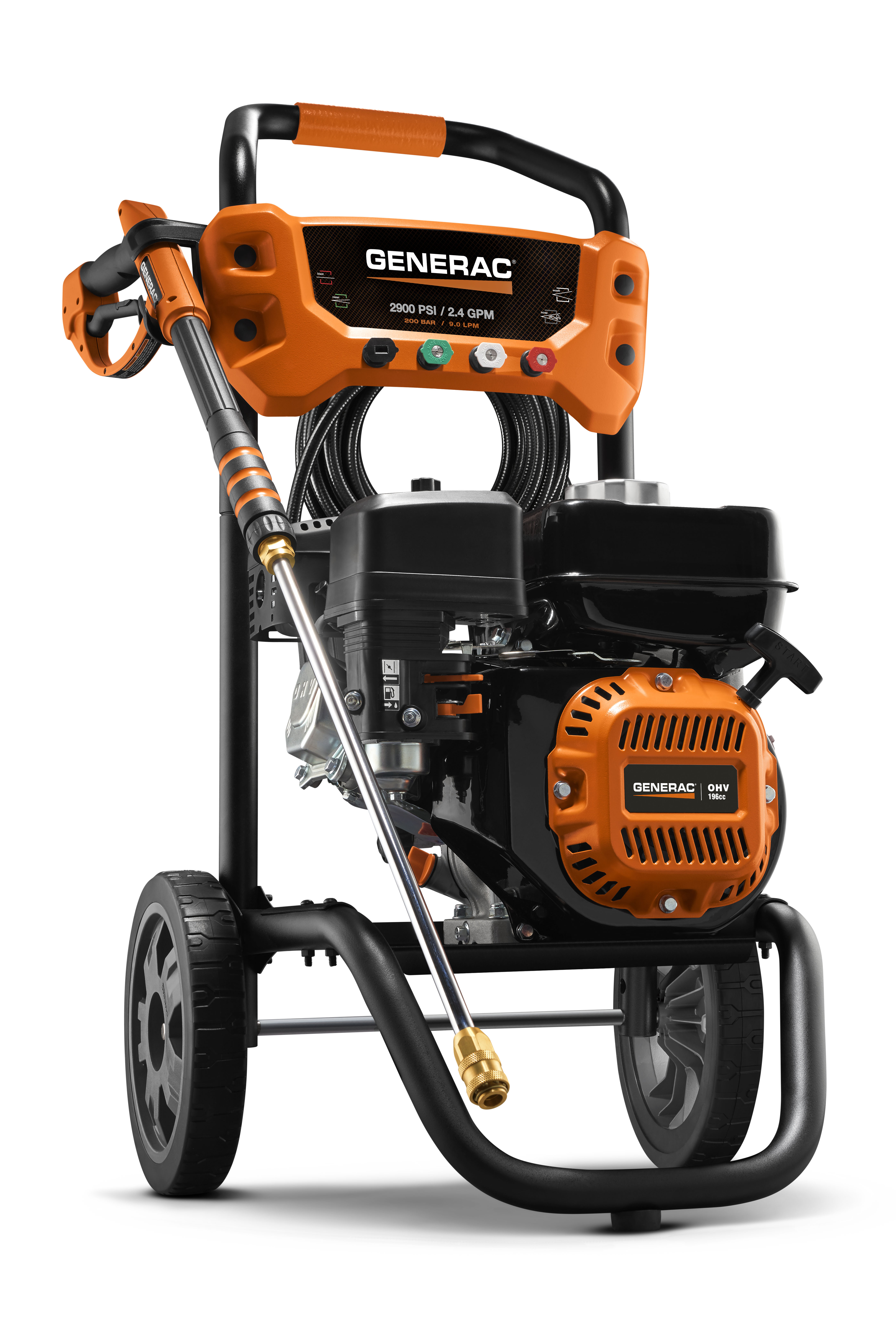
Essential Spare Parts To Keep On Hand
Having a few spare parts can save you time and frustration. Here’s what most owners find useful:
- Spark plug: For quick replacement if the engine won’t start.
- Air filter: Cheap and easy to swap.
- O-rings: For all hose connections.
- Nozzles: They can clog or get lost.
- Detergent tube: Spare for when one clogs.
- Pump saver fluid: Prevents rust and freezing.
Example: Diagnosing A Real-world Issue
Suppose your Generac 3100 PSI washer starts fine but loses pressure after 10 minutes. You’ve checked fuel and oil—both fine.
Here’s how you’d troubleshoot:
- Shut off and inspect nozzle: Remove and clean out debris.
- Check for hose kinks or leaks: Replace any damaged hoses.
- Run with no nozzle for 1 minute: Purge any air.
- Touch pump housing: If it’s very hot, unloader valve might be stuck—remove and clean.
- If still no fix: Check water inlet filter, then inspect pump seals.
Result: Most times, cleaning the nozzle or unloader valve restores normal pressure. If not, a new pump may be needed.
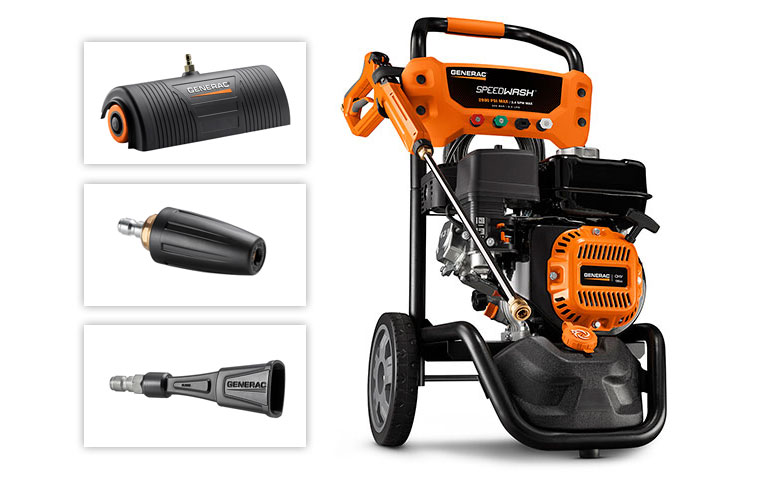
Quick-glance: Maintenance Vs. Repair Needs
To help you decide when to fix at home or seek service, here’s a simple breakdown.
| Issue | DIY Fix | Professional Needed |
|---|---|---|
| Replace spark plug | Yes | No |
| Clean/replace air filter | Yes | No |
| Rebuild pump | No | Yes |
| Check hoses/O-rings | Yes | No |
| Fix engine knock | No | Yes |
Where To Find Help And Replacement Parts
You can buy Generac parts at hardware stores, online retailers, or directly from the Generac website. Always use genuine parts for best results. For technical support, Generac’s customer service is helpful and often responds within 24 hours.
A good resource for pressure washer troubleshooting is the Generac Product Support page.
Frequently Asked Questions
Why Does My Generac Pressure Washer Only Run For A Few Minutes And Then Stop?
This usually means there’s a fuel or overheating issue. Check for stale gasoline, a blocked air filter, or low oil. If you’re using the wrong oil in cold weather, the engine may seize. Always let the machine cool between long uses.
What Type Of Oil Should I Use In My Generac Pressure Washer?
Most models need SAE 30 for warm weather or SAE 10W-30 for cooler temperatures. Always check your manual, as using the wrong oil can cause engine damage or hard starts.
How Often Should I Change The Spark Plug?
Replace the spark plug every season, or after 100 hours of use. If the engine misfires or starts hard, change it sooner. Always use the correct spark plug type.
Why Does My Pressure Washer Leak Water From The Bottom?
Leaks usually come from worn pump seals or cracked hoses. If tightening connections doesn’t stop the leak, the pump may need new seals or a rebuild. Avoid using the washer until leaks are fixed to prevent damage.
Can I Use Any Soap In My Generac Pressure Washer?
Only use detergents made for pressure washers. Regular dish soap or thick cleaners can clog the system. After using soap, run clean water through the detergent tube and system.
Keeping your Generac pressure washer running strong isn’t difficult if you know what to look for. Most issues have simple fixes if you act early and follow a routine maintenance schedule. When in doubt, don’t hesitate to ask for help or visit the Generac support page.
The right troubleshooting steps will keep your cleaning power ready for any job.

