

Few things are more frustrating on a cold morning than turning on your car’s heater and feeling nothing but cold air. If you’ve ever wondered why your heater isn’t working, the answer often hides behind your dashboard: the heater core. This small but crucial part acts like a tiny radiator, using hot engine coolant to warm up the air that blows into your cabin. When something goes wrong with the heater core, it can affect both your comfort and your car’s health.
Diagnosing heater core problems isn’t always simple. Symptoms can be confusing, and the core itself is hard to reach. But with the right knowledge, you can spot issues early, avoid unnecessary repairs, and keep your car running smoothly. Let’s dig into heater core troubleshooting—covering how it works, what can go wrong, and how you can fix problems with confidence.

36% off Today’s Exclusive Deals
Limited-time Exclusive Deals. Check current discount on Amazon.
Check Price on Amazon As an Amazon Associate I earn from qualifying purchases.How The Heater Core Works
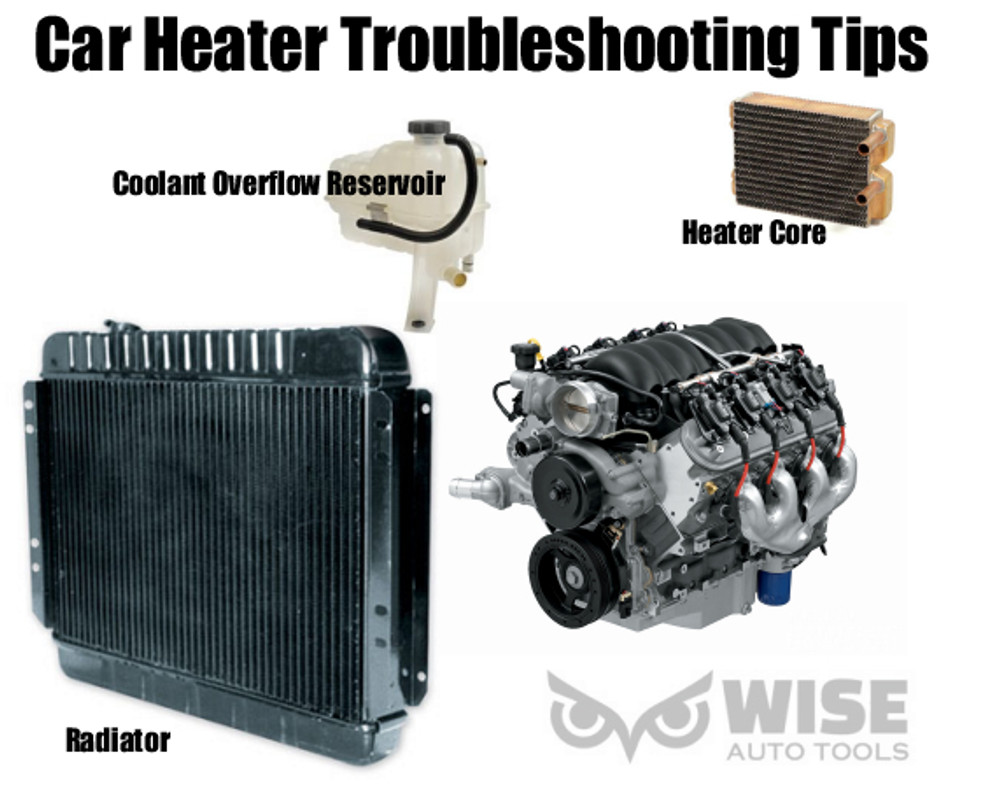
To understand troubleshooting, it helps to know what the heater core does. The heater core is a small, rectangular device, usually made of aluminum or brass, located under your dashboard. Hot coolant from the engine flows through it. A fan blows air across the heated fins of the core, sending warm air through your car’s vents.
Here’s a simple breakdown of the process:
- The engine heats the coolant as it runs.
- Hot coolant is directed into the heater core.
- The blower motor pushes air over the heater core.
- The air heats up and enters the cabin.
If any part of this process breaks down, your heater stops working as expected. Problems with the heater core can also lead to engine overheating or coolant leaks, so it’s more than just a comfort issue.
Common Signs Of Heater Core Problems
Heater core trouble isn’t always obvious. Some symptoms can mimic other issues, like a failing thermostat or a clogged radiator. Still, a few warning signs point directly to the heater core:
1. Foggy Windows
If your windows fog up with a sweet smell inside the car, it often means coolant vapor is leaking from the heater core. This happens because the heater core is leaking hot coolant into the air system, which then condenses on the cold glass.
2. Sweet Smell Inside The Cabin
Coolant has a unique sweet odor. If you notice this smell, especially when the heater is on, it’s a strong sign of a heater core leak.
3. Wet Floorboards
Coolant dripping from the heater core often ends up on the passenger side floor. If you find damp carpet and your coolant is low, check for a heater core leak.
4. Poor Heater Performance
If the air from your vents doesn’t get warm—even when the engine is hot—the heater core may be clogged or blocked. Sometimes, you might get only a little heat, or the air might go from hot to cold as you drive.
5. Engine Overheating
A leaking or blocked heater core can cause coolant loss or restrict coolant flow, leading to engine overheating. This is a serious issue, as it can damage your engine if ignored.
6. Low Coolant Levels
If you need to refill coolant often and don’t see leaks under the car, the heater core could be leaking inside the cabin.
7. Visible Coolant Drips
Look under the dashboard or check the HVAC ducts for green, orange, or pink drops. This is a clear sign that coolant is escaping from the core.
8. Gurgling Sounds
Air trapped in the cooling system can cause bubbling or gurgling noises behind the dashboard, usually after a leak has allowed air into the lines.
Causes Of Heater Core Failure
Understanding what causes heater core problems can help you prevent them. Here are the most common reasons heater cores fail:
Age And Corrosion
Over time, coolant breaks down and loses its protective qualities. Old coolant can corrode the thin metal inside the heater core, causing leaks.
Coolant Contamination
Dirt, rust, or other debris in the cooling system can clog the small tubes in the heater core, reducing heat output.
Physical Damage
A heater core can sometimes be damaged during other repairs or by a failed water pump pushing debris through the system.
Poor Maintenance
Neglecting regular coolant changes makes heater core problems more likely. Fresh coolant contains additives to protect against corrosion.
Excessive Pressure
A failing radiator cap or blocked radiator can cause pressure to build up, leading to cracks in the heater core.
Diagnosing Heater Core Issues
Pinpointing a heater core problem requires careful inspection and testing. Here’s how to troubleshoot step by step:
Step 1: Check The Coolant Level
Low coolant is the first thing to check. A drop in coolant without visible leaks often points to a heater core issue.
Step 2: Inspect For Leaks
Look at the passenger side floor for dampness or colored stains. Use a flashlight to check under the dash for drips or wetness.
Step 3: Smell For Coolant Odor
Start the car and turn on the heater. If you notice a sweet smell, it’s a sign that coolant is leaking inside.
Step 4: Feel The Hoses
With the engine running and warm, feel both heater hoses that enter the firewall. Both should be hot. If one is much cooler, the heater core may be blocked.
Step 5: Check For Fog Or Steam
If fog appears on the inside of your windshield, especially when using the defroster, suspect a leaking heater core.
Step 6: Listen For Noises
Gurgling, sloshing, or bubbling sounds from the dashboard area suggest air is in the system, often due to a coolant leak.
Step 7: Test Heater Output
Set the heater to maximum heat and fan speed. If the air stays cold, the heater core might be blocked or the blend door (which directs air flow) is malfunctioning.
Step 8: Pressure Test The System
A cooling system pressure tester can help spot leaks. Pump up the pressure and watch for drops, which indicate a leak somewhere—possibly in the heater core.
Step 9: Use A Cooling System Dye
Special UV dye added to coolant can make leaks easy to spot with a UV light.
Example Troubleshooting Table
Here’s a quick reference for heater core symptoms:
| Symptom | Possible Cause | Quick Check |
|---|---|---|
| Foggy windows | Heater core leak | Check for coolant smell |
| Cold air from vents | Blocked heater core | Feel heater hoses |
| Wet floor | Coolant leak | Look under dash |
| Engine overheating | Coolant loss or blockage | Check coolant level |
Diy Heater Core Troubleshooting Steps
If you’re comfortable with basic car repairs, these steps can help you pinpoint heater core issues before visiting a mechanic.
1. Check For Leaks
- Place a paper towel or cloth on the passenger side floor overnight.
- Inspect for coolant spots in the morning.
- Use a flashlight to check for moisture around the heater core housing.
2. Feel Heater Hoses
- Locate the two hoses going from the engine bay into the firewall.
- Run the engine until it reaches normal temperature.
- Both hoses should be hot to the touch. If one is cold, there’s likely a blockage.
3. Monitor Coolant Level
- Mark the coolant reservoir with a line.
- Check daily for a few days to see if the level drops.
4. Use A Cooling System Pressure Tester
- Rent or borrow a pressure tester.
- Pump up to system pressure (usually 15 psi).
- Watch the gauge—if it drops, inspect for leaks, especially inside the cabin.
5. Add Uv Dye (advanced)
- Buy a UV dye kit from an auto parts store.
- Add dye to coolant and run the engine.
- Use a UV flashlight to check for leaks under the dash.
Tip: If you find a heater core leak, don’t just add stop-leak products. These can clog other parts of the system and cause more problems.
Common Heater Core Problems And Fixes
Now let’s look at the most frequent heater core issues and what you can do about them.
Leaking Heater Core
If you discover coolant on your floorboards, you’re likely dealing with a leaking heater core. This usually requires replacing the heater core, as repairs are rarely effective long-term.
Blocked Heater Core
A blocked core won’t let hot coolant flow, resulting in weak or no heat. Sometimes, you can flush the heater core to clear blockages.
How To Flush A Heater Core
- Disconnect both heater hoses from the engine (wait until the engine is cool).
- Attach a garden hose to one heater core tube.
- Run water through the core until it flows clear from the other tube.
- Reconnect hoses and refill coolant.
Flushing can restore heat if the blockage is mild, but it won’t fix leaks or serious corrosion.
Air Trapped In The System
Air pockets can prevent coolant from reaching the heater core. Bleed the system by running the engine with the radiator cap off (only when cool) and adding coolant as needed.
Faulty Blend Door Or Controls
If the heater core is working but you still get cold air, the blend door (which mixes hot and cold air) may be stuck. This usually requires dashboard removal and is best left to a professional.
Professional Vs. Diy Repair
Heater core replacement is one of the most labor-intensive jobs on a car. In many vehicles, the dashboard must be removed, which can take 6–10 hours of work. Labor costs often outweigh the part itself—a heater core may cost $50–$150, but labor can add $500–$1,000.
If you have experience and the right tools, DIY replacement is possible. However, due to the complexity, most drivers choose a professional repair.
Comparison: Diy Vs. Professional Repair
| Factor | DIY Replacement | Professional Replacement |
|---|---|---|
| Cost | Parts only ($50–$150) | Parts + labor ($600–$1,200) |
| Time | 6–12 hours (varies) | 6–10 hours |
| Tools Needed | Specialty tools, patience | Professional equipment |
| Risk | High (complex, risk of damage) | Low (warranty, experience) |
Preventing Heater Core Problems
While some heater core failures are unavoidable, good maintenance greatly reduces your risk. Here’s what you can do:
Change Coolant Regularly
Fresh coolant contains additives that prevent corrosion. Follow your car’s maintenance schedule, usually every 2–5 years.
Use The Right Coolant
Mix the correct type and ratio for your vehicle. Using the wrong coolant can cause chemical reactions and blockages.
Flush The Cooling System
Every few years, flush the system to remove debris and prevent clogs.
Watch For Early Warning Signs
Don’t ignore a sweet smell, foggy windows, or changes in heater performance. Early attention can prevent bigger problems.
Avoid Stop-leak Products
These additives can clog the small passages in the heater core and other parts of the cooling system.
Keep An Eye On The Temperature Gauge
Overheating can damage the heater core. If your temperature gauge rises above normal, stop and check the cooling system.
Real-world Example: Troubleshooting A 2010 Honda Civic
Let’s walk through a real case. A 2010 Honda Civic owner noticed weak heat and a sweet smell in the cabin. The coolant level was dropping, but no leaks appeared under the car.
The driver checked the passenger floor mat and found it damp. Both heater hoses were hot, but fog started forming on the windshield.
Diagnosis: Leaking heater core.
Solution: The owner decided on professional replacement. The dashboard was removed, the heater core changed, and the cooling system flushed. The problem was solved, and the heater worked like new.
Non-obvious insight: Heater core leaks can sometimes smell faint, and not all leaks are large enough to soak the carpet. Even a slightly sweet odor that appears only with the heater on can be an early warning.
When To Replace The Heater Core
You should replace the heater core if:
- Coolant is leaking inside the cabin
- The heater core is blocked and flushing fails
- You have persistent foggy windows with a sweet smell
Tip: Replacing the heater core is a good time to check the condition of heater hoses, the blower motor, and other HVAC components. A mechanic can inspect these while the dashboard is out, saving on future labor.
The Role Of The Heater Core In Engine Cooling
Many drivers don’t realize the heater core is a backup for cooling the engine. In an overheating situation, turning on the heater full blast can help reduce engine temperature by sending extra heat into the cabin. If your heater core is blocked, you lose this emergency cooling option.
Another insight: A blocked heater core can sometimes cause overheating only when the heater is on, due to pressure changes in the cooling system. Don’t overlook the heater core if you have strange temperature spikes.
Cost Of Ignoring Heater Core Problems
Delaying heater core repairs can lead to:
- Engine overheating and head gasket failure
- Mold and mildew inside the cabin
- Damage to electronics under the dashboard
- Expensive repairs later
Timely diagnosis and repair save money and keep your car safe.
Comparison: Heater Core Vs. Other Hvac Problems
Heater core issues aren’t the only reason for poor heating. Here’s how they compare:
| Problem | Symptom | Fix |
|---|---|---|
| Heater core leak | Wet floor, sweet smell, foggy windows | Replace heater core |
| Faulty thermostat | Cold air, engine slow to warm up | Replace thermostat |
| Blend door failure | Stuck on hot or cold air only | Repair blend door |
| Clogged radiator | Overheating, poor heat | Flush/replace radiator |
This comparison helps you narrow down issues before you start repairs.
Resources For Further Learning
If you want more detailed technical information, the Society of Automotive Engineers (SAE) offers in-depth guides on automotive heating and cooling. For general car maintenance, see the Wikipedia Heater Core article.
Frequently Asked Questions
Why Does My Car Heater Blow Cold Air But The Engine Is Hot?
This usually means the heater core is blocked or there’s air trapped in the cooling system. It can also mean the blend door isn’t directing air properly. Check heater hoses—if one is cold, the core is likely blocked.
Can I Drive With A Leaking Heater Core?
You can drive for a short distance, but it’s not recommended. Coolant loss can cause engine overheating and serious damage. Leaking coolant inside the cabin can also harm electronics and create a health risk due to mold.
How Much Does It Cost To Fix A Heater Core?
Costs vary by vehicle. Parts usually run $50–$150. Labor is the big factor—expect $500–$1,000 or more at a shop. DIY repair is cheaper but much more difficult.
What Happens If I Ignore A Heater Core Problem?
Ignoring it can lead to engine damage, mold in the cabin, electrical problems, and expensive repairs. Early attention saves money and keeps your car reliable.
Is Heater Core Troubleshooting The Same For All Cars?
The basic symptoms are similar, but repair difficulty varies. Some vehicles allow easy access to the heater core, but most require removing the dashboard. Always check your vehicle’s repair manual for specific instructions.
A working heater core is essential for comfort and engine health. With careful troubleshooting, you can spot problems early and make smart repair choices. If you’re unsure, it’s always best to consult a trusted mechanic before tackling major repairs yourself.

