

A backyard pool should be a place of relaxation and fun, but when your Jandy pool heater stops working, it can quickly turn into a source of frustration. Whether you use your pool year-round or just for summer, a heater keeps the water comfortable, extends your swimming season, and adds value to your home. But like any machine, a pool heater can develop issues over time. Some problems are simple to fix, while others need a professional. This guide helps you troubleshoot your Jandy pool heater, showing you how to identify common faults, understand error codes, and decide when to call for help. By the end, you’ll feel confident handling most heater issues and know how to keep your pool warm and inviting.
How Jandy Pool Heaters Work
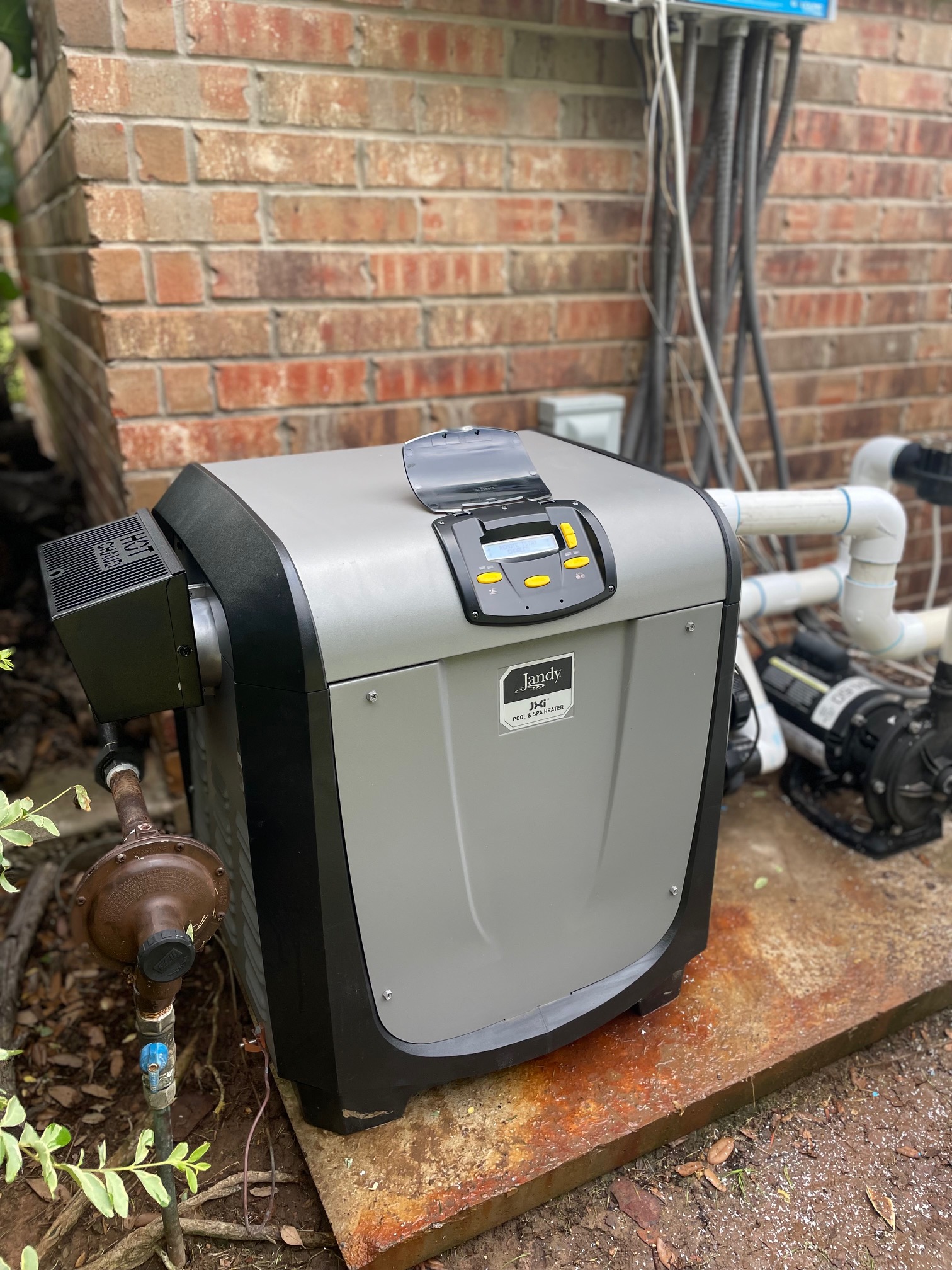
Before you can fix a problem, you need to know how the system works. Jandy pool heaters use either gas (natural gas or propane) or electricity (heat pumps) to raise the water temperature. Cold water from your pool enters the heater, passes through a heat exchanger, and returns to the pool warm. A control board manages the process, responding to temperature settings, water flow, and safety sensors.

36% off Today’s Exclusive Deals
Limited-time Exclusive Deals. Check current discount on Amazon.
Check Price on Amazon As an Amazon Associate I earn from qualifying purchases.Key components include:
- Heat exchanger: Transfers heat from gas combustion or electric coils to the water.
- Burners or compressor: Heats the exchanger (gas = burners, electric = compressor).
- Control board: “Brain” of the system, managing temperature and safety.
- Sensors and switches: Monitor flow, temperature, pressure, and more.
- Ignition system: Lights the gas burners (in gas heaters).
Understanding these basics helps you pinpoint where things might go wrong.
Common Jandy Pool Heater Problems
Heater issues usually fall into a few main categories. Here’s what most pool owners encounter:
- Heater won’t turn on
- Heater turns on, then shuts off
- Heater stays on but water doesn’t get hot
- Error codes on display
- Unusual noises or smells
Let’s explore each problem and how to troubleshoot it.
Heater Won’t Turn On
Few things are more frustrating than pressing the power button and getting nothing. If your Jandy heater is completely unresponsive, focus on these areas.
Power And Electrical Issues
First, check the basics:
- Is the heater plugged in and receiving power?
- Is the circuit breaker on?
- For gas heaters, is there power to the control panel?
If your heater uses a GFCI outlet, press the “reset” button. Sometimes, the outlet trips after a power surge or rainstorm.
If you have a heat pump model, ensure the disconnect box (usually near the unit) is in the “on” position.
Control Settings
- Double-check your thermostat setting. Make sure it’s set higher than the current pool water temperature.
- Some Jandy models have a spa/pool toggle. Make sure it matches your intended setting.
- If you use a pool automation system, check if the heater is enabled in the app or remote.
Safety Switches
Heaters have several safety switches (pressure, limit, and flow switches). If any detect a problem, the unit won’t start.
- Is the pool pump running? Heaters need water flow to operate.
- Check your filter and skimmer baskets. A clogged filter can reduce water flow, triggering the safety switch.
Non-obvious Insight
Many owners overlook the temperature sensor. If it fails, the heater may think the water is already warm enough and refuse to turn on. Try lowering and then raising the temperature setpoint to see if the heater responds.
Heater Turns On Then Shuts Off
Sometimes, your Jandy heater starts, heats for a few minutes, then shuts off unexpectedly.
Flow And Pressure Problems
Low water flow is a common cause:
- Check the pool pump speed and filter pressure. If the filter is dirty, clean it.
- Verify all pool valves are open and water is circulating freely.
If you recently backwashed your filter or changed pump speed, the water flow may have changed enough to affect the heater.
Overheating Or High Limit
Heaters have high limit switches for safety. If water inside the heater gets too hot, the switch opens and the unit shuts down.
- Make sure the bypass valve isn’t diverting water away from the heater.
- If you installed a solar heater or other device, the water path may be too slow or blocked.
Venting Issues
Gas heaters need proper airflow for safe operation. If the vent is blocked (by leaves, debris, or a bird nest), the heater can overheat and shut off.
- Inspect the vent pipe for obstructions.
- Never operate the heater with a blocked vent—this can be dangerous.
Non-obvious Insight
A loose wire or bad connection on the control board can cause intermittent shutdowns, especially after the heater vibrates or heats up. Gently press on connectors (with power off) to check for loose plugs.
Heater Runs But Water Stays Cold
If your heater runs but the pool never gets warm, the problem is usually with the heat transfer process.
Heat Exchanger Issues
The heat exchanger is the heart of the heater. Over time, it can get clogged with scale, minerals, or debris, especially if you have hard water.
- Look for error codes related to “heat rise” or “low temperature”.
- Inspect the exchanger for visible buildup.
- Use a descaling product made for pool heaters if needed.
Gas Supply (for Gas Heaters)
If the gas supply is low, the burners may light but not produce enough heat.
- Check the gas valve—is it fully open?
- For propane, is the tank full?
- Have a technician check gas pressure if you suspect a problem.
Compressor Problems (for Heat Pumps)
Heat pumps rely on a compressor and refrigerant to transfer heat. If the refrigerant is low or the compressor is faulty, the heater won’t warm the water.
- Listen for unusual clicking or buzzing from the heat pump.
- Compressor repairs require a professional.
Incorrect Sizing
A heater that is too small for your pool will run constantly but never reach the set temperature. Check your heater’s BTU rating and compare with your pool size.
Here’s a quick BTU comparison guide:
| Pool Size (Gallons) | Recommended Heater Size (BTU) |
|---|---|
| Up to 10,000 | 100,000–150,000 |
| 10,000–20,000 | 200,000–250,000 |
| 20,000–30,000 | 300,000–350,000 |
| 30,000+ | 400,000+ |
If your heater is undersized, consider adding a solar cover to help retain heat.
Understanding Jandy Heater Error Codes
Most modern Jandy heaters have a digital display that shows error codes. These codes help you quickly identify the problem area.
Here are some common codes and what they mean:
| Error Code | Possible Cause | What to Check |
|---|---|---|
| “LO” or “LOW” | Low water flow | Clean filter, check pump, open valves |
| “HI” or “HIGH” | Overheating | Check water flow, inspect bypass valve, clear vent |
| “IF” | Ignition failure | Gas supply, igniter, flame sensor |
| “AO” or “AOP” | Auto-off protection | Electrical issue, call a technician |
| “SNS” | Sensor problem | Check temperature sensor, wiring |
Tip: Always refer to your specific model’s manual, as codes may differ between Jandy heater versions.
Unusual Noises Or Smells
Strange sounds and smells can warn you about mechanical or safety problems. Don’t ignore these signs.
Common Heater Noises
- Clicking: Normal during ignition, but repeated clicking may mean a faulty igniter.
- Banging or popping: Can signal scale buildup inside the heat exchanger.
- Humming: Often a sign of a failing fan motor or compressor (in heat pumps).
Unusual Smells
- Gas smell: If you notice the odor of gas, shut off the heater and main gas valve immediately. Call a professional. Gas leaks are dangerous.
- Burning smell: Could be leaves or debris inside the heater, or a sign of electrical overheating.
What To Do
- Turn off power and gas supply before inspecting the heater.
- Remove the heater’s front panel and look for debris, insects, or burned wires.
- Never operate a heater if you suspect a gas leak.
Step-by-step Troubleshooting Guide
If you’re not sure where to start, follow these steps:
- Check power and circuit breaker. Reset any tripped breakers or GFCI outlets.
- Verify water flow. Make sure the pump is running and water is moving through the heater.
- Inspect filter and baskets. Clean or backwash the filter if pressure is high.
- Set the thermostat. Raise the setpoint above the current water temperature.
- Check error codes. Read the display and consult your manual.
- Listen and smell. Note any unusual sounds or odors.
- Test the heater in spa mode (if available). Sometimes, the issue is with pool mode only.
- Look for obvious damage. Check wires, hoses, and the heat exchanger.
If the heater still won’t work, it’s time to call a professional. Some repairs (like gas valve or compressor replacement) need a licensed technician.
When To Call A Professional
Not all heater problems are DIY-friendly. Call a certified pool technician if:
- You smell gas
- There are error codes you don’t understand
- The heater leaks water or gas
- The heat exchanger or compressor is damaged
- Electrical issues are suspected
Attempting complex repairs without the right training can void your warranty or create safety hazards.
Preventive Maintenance Tips
Preventing problems is easier than fixing them. Regular maintenance extends the life of your Jandy heater and keeps it running efficiently.
Routine Tasks
- Clean or backwash the pool filter monthly, or as needed.
- Inspect heater vents and air intakes for leaves and debris.
- Check gas supply connections for leaks (use soapy water, not a flame).
- Flush the heat exchanger with a descaling solution each year, especially in hard water areas.
- Test your water chemistry weekly. Imbalanced water can damage heater parts.
Seasonal Shutdown
If you close your pool for winter:
- Drain the heater completely to prevent freeze damage.
- Disconnect power and gas supply.
- Cover the heater with a waterproof cover.
Upgrading Controls
Consider connecting your Jandy heater to a smart pool controller. This lets you monitor error codes, change settings, and receive alerts on your phone—making troubleshooting easier than ever.

Jandy Pool Heater Vs. Other Brands
If you’re comparing Jandy heaters to other brands, here’s how they stack up on key factors:
| Feature | Jandy | Hayward | Pentair |
|---|---|---|---|
| Efficiency | Up to 95% | Up to 95% | Up to 96% |
| Digital Controls | Yes (most models) | Yes | Yes |
| Warranty | 1-5 years | 1-5 years | 1-3 years |
| Parts Availability | High | High | Moderate |
| Noise Level | Low | Low | Low |
Jandy heaters are known for quiet operation and easy integration with pool automation systems, making them a popular choice for tech-savvy homeowners.
Safety Tips During Troubleshooting
Working with pool heaters involves water, electricity, and sometimes gas. Always put safety first.
- Turn off all power before opening the heater.
- Shut off the gas valve before inspecting burners or connections.
- Never bypass safety switches—they protect you and your equipment.
- Use insulated tools and wear gloves.
- Keep children and pets away during maintenance.
If you ever feel unsure, stop and call a professional. Your safety is worth more than a quick fix.
Frequently Asked Questions
How Often Should I Service My Jandy Pool Heater?
You should have your Jandy heater professionally serviced once a year. In between, perform regular maintenance like cleaning the filter, checking vents, and monitoring for error codes.
Why Does My Jandy Heater Keep Showing “lo” Error?
A “LO” error means low water flow. Check your pool filter, pump, and any valves for blockages. Clean the filter and ensure the pump is running at the correct speed.
Can I Use My Jandy Heater During Winter?
Most Jandy heaters are designed to operate in mild winter conditions. However, if temperatures drop below freezing, you should winterize the heater to prevent freeze damage. Always drain the heater and pipes if not in use.
What Is The Lifespan Of A Jandy Pool Heater?
With proper care, a Jandy pool heater typically lasts 8 to 12 years. Lifespan depends on usage, water chemistry, and maintenance.
Where Can I Find Official Manuals And Support For My Jandy Heater?
You can download official manuals, troubleshooting guides, and find authorized service centers at the Jandy official support site.
A well-maintained pool heater keeps your water comfortable and extends your swimming season. By understanding how your Jandy heater works and following these troubleshooting steps, you can fix most problems quickly and safely. If you ever feel out of your depth, don’t hesitate to call a professional—sometimes, expert help is the best solution.
Enjoy your warm pool and peace of mind!

