

Many RV owners and campers wonder if they can use both gas and electric at the same time on a Suburban water heater. This question comes up often, especially when people want faster hot water or worry about efficiency. Understanding how your water heater works and the right way to use it can save you trouble and money. Let’s explore the answer, see how the system functions, and look at practical tips for safe and efficient operation.
How Suburban Water Heaters Work
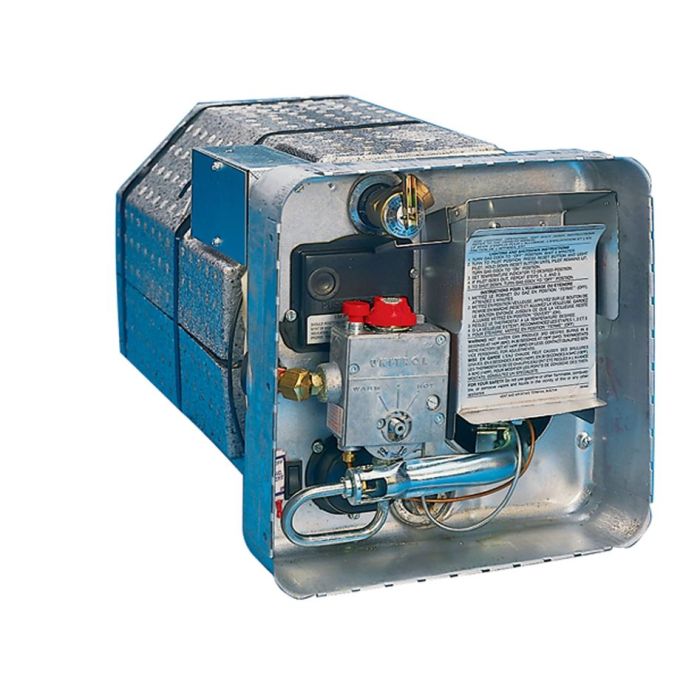
Suburban is a well-known brand for RV water heaters. Their models usually have two ways to heat water: propane gas and electricity. Both systems are designed to heat the same water tank, but they use different sources.

36% off Today’s Exclusive Deals
Limited-time Exclusive Deals. Check current discount on Amazon.
Check Price on Amazon As an Amazon Associate I earn from qualifying purchases.- Gas mode: Uses propane and a pilot light or electronic ignition. The burner heats the water quickly.
- Electric mode: Uses a heating element inside the tank. It’s slower than gas but convenient if you have access to shore power.
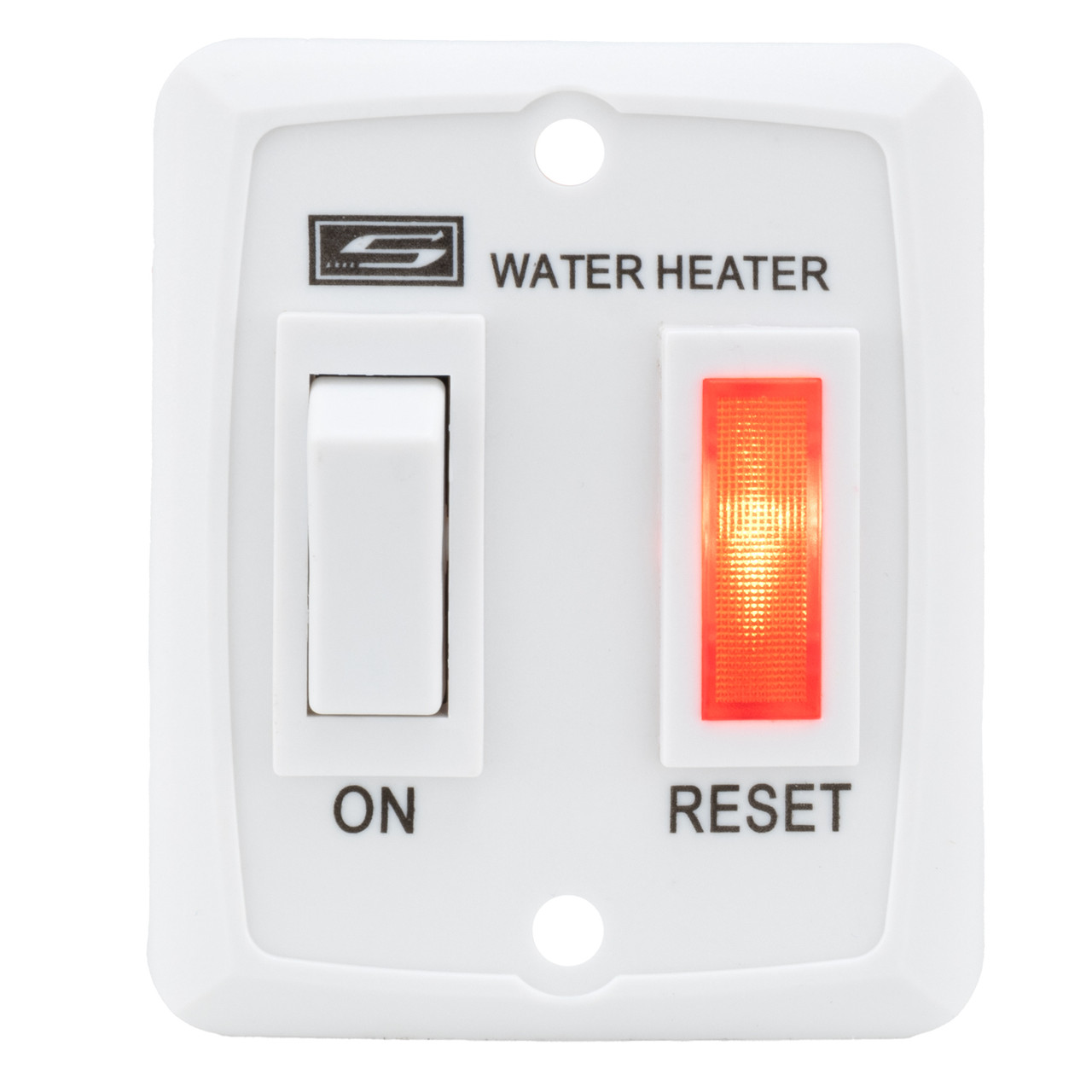
Most Suburban heaters have switches for both modes. Some newer models even allow you to control them from inside your RV. The gas and electric systems are separate, but they share the same tank.
Can You Run Gas And Electric Together?
The short answer is: Yes, you can run both gas and electric modes at the same time on most Suburban water heaters. In fact, many users do this to get hot water faster. When both systems are on, they work together to heat the tank. The combined output means the water gets hot more quickly than with just one mode.
Why Use Both Modes?
Using gas and electric at the same time has several benefits:
- Faster recovery time: The tank heats up faster, so you get hot water sooner.
- Extra capacity: If your RV has several people or you need more hot water for showers, dishes, or laundry, both modes help meet demand.
- Redundancy: If one mode fails (for example, you run out of propane), the other can still heat water.
But there are also things to consider. Running both modes increases energy use. If you’re on a limited electrical hookup, this could cause problems.
How Much Power Do Gas And Electric Use?
Let’s look at typical power usage.
| Mode | Typical Output | Energy Source |
|---|---|---|
| Gas (Propane) | 12,000 BTU/hr | Propane tank |
| Electric | 1,440 Watts | 120V AC power |
Gas mode heats water faster (higher BTU), but electric mode is useful when you’re plugged in at a campground.
Common Scenarios: When To Use Both Modes
Here are some situations where running both gas and electric together makes sense:
- Morning rush: If several people need to shower, both modes will refill the tank faster.
- Busy kitchen: When you’re cooking, washing dishes, and need a lot of hot water.
- Cold weather: Water cools faster, so dual heating keeps up with demand.
If you’re camping off-grid, gas is usually best. If you have full hookups, electric is convenient. Using both can be helpful if your campground allows it.
Safety Considerations
Safety is important when running any appliance with gas and electricity. Suburban water heaters are designed to be safe, but you should always follow these precautions:
- Check for leaks: Inspect propane lines for leaks before using gas mode.
- Don’t overload circuits: Electric mode draws a lot of current. Make sure your RV’s electrical system can handle it.
- Monitor thermostat: Suburban heaters have thermostats to prevent overheating, but check for signs of malfunction.
- Regular maintenance: Clean burner, check heating element, and flush the tank to avoid buildup.
- Ventilation: Ensure proper ventilation for gas mode to avoid carbon monoxide.
Most modern Suburban heaters have safety shut-offs and sensors. Still, you should never ignore warning signs like strange smells or noises.
How To Activate Both Modes
Turning on both gas and electric is simple, but do it correctly:
- Turn on gas mode: Switch on propane at the tank, then activate the water heater’s gas switch.
- Turn on electric mode: Flip the electric switch (usually located near the heater or inside the RV).
- Wait for recovery: Both systems will heat the tank together. Hot water should be ready in about 20-30 minutes (faster than single mode).
If you’re unsure, check your RV’s manual. Most Suburban heaters have clear instructions and labels.
Comparing Recovery Times
Recovery time means how fast the heater can heat cold water to the set temperature. Here’s how gas, electric, and combined modes compare:
| Mode | Recovery Time (6-gallon tank) | Recovery Time (10-gallon tank) |
|---|---|---|
| Gas Only | ~20 minutes | ~30 minutes |
| Electric Only | ~40 minutes | ~55 minutes |
| Both Modes | ~15 minutes | ~22 minutes |
As you can see, using both modes reduces recovery time by about 25-40%. This is helpful if you need hot water quickly.
How Running Both Modes Impacts Energy Consumption
Using both gas and electric means you’re drawing from both propane and your electrical supply. This can be good or bad, depending on your situation.
- Higher propane use: Gas mode burns more propane.
- Higher electric use: Electric mode uses up to 12 amps.
- Faster heating: Combined modes increase total energy used, but shorten heating time.
For example, if you have a 30-amp RV hookup and run other appliances, turning on electric mode may push you near the limit. Always check your RV’s power rating.
Example Power Calculation
If your electric water heater draws 1,440 watts (12 amps) and your air conditioner uses 1,500 watts (12. 5 amps), you’re already at 24. 5 amps. Add other appliances, and you might trip the breaker.
Non-obvious Insights For Beginners
- Switch order matters: If your campground has unstable power, turn on gas first. If the electric mode fails (breaker trips), gas will keep heating.
- Thermostat sync: Both modes use the same thermostat. If the water reaches the set temperature, both systems shut off. You won’t “double heat” the water, but you’ll get there faster.
Many beginners think running both will waste energy. In reality, both systems shut off when water is hot, so you only use what you need.
Practical Tips For Efficient Use
- Use both modes only when needed: For daily use, one mode is usually enough.
- Flush the tank regularly: Hard water can cause buildup, slowing heating.
- Monitor propane levels: Running out during shower time is no fun.
- Check campground rules: Some places limit electrical use or charge extra.
If you’re planning a busy morning or have guests, turn both modes on ahead of time.
Common Mistakes To Avoid
- Ignoring circuit limits: Overloading your RV’s electrical system can cause shutdowns.
- Not checking propane: Running out of gas mid-shower is common if you forget to check.
- Skipping maintenance: Dirty burners or heating elements reduce efficiency.
- Leaving both modes on all day: This uses more energy than needed. Turn off when not required.
Comparison: Suburban Vs. Other Brands
Suburban is a leader in RV water heaters, but other brands like Atwood offer similar features. Here’s a quick comparison:
| Brand | Dual Mode? | Recovery Speed | Common Tank Sizes |
|---|---|---|---|
| Suburban | Yes | Fast (combined modes) | 6, 10, 12 gallons |
| Atwood | Yes | Medium | 6, 10 gallons |
| Dometic | Some models | Medium | 6, 10 gallons |
Suburban water heaters are known for reliability and strong recovery rates, especially when both modes are used.

Real-world Example
Let’s say you’re camping with a family of four. Everyone wants to shower in the morning, and you also need hot water for dishes. If you use only electric mode, you’ll wait longer between showers. If you use only gas, it’s faster but burns more propane.
Running both modes means you never run out, and the wait time is shorter.
Manufacturer Recommendations
Suburban and most RV manufacturers allow running both modes. They recommend it for busy times or when fast recovery is needed. Always check your RV’s manual for specific details, as wiring and controls can vary.
According to RVUSA, using both gas and electric at the same time is common and safe if your RV’s electrical system can handle the load.
Frequently Asked Questions
Can Running Both Modes Damage My Suburban Water Heater?
No, Suburban water heaters are designed to handle both modes. The thermostat controls the heating, so you won’t overheat the water. Just make sure your RV electrical system is not overloaded.
Is It Safe To Run Both Gas And Electric At The Same Time?
Yes, it’s safe. Both systems are separate and have built-in safety features. Always check for propane leaks and monitor your circuit breakers.
Will I Get Hotter Water If I Use Both Modes?
No, you will not get “hotter” water. The thermostat sets the maximum temperature. Using both modes just heats the water faster.
Should I Always Use Both Gas And Electric?
No, you don’t need both all the time. Use both when you need fast recovery or extra hot water. For daily use, one mode is usually enough.
What Happens If One Mode Fails?
If electric mode fails (for example, power outage), gas mode will still work if you have propane. If gas mode fails (out of propane), electric mode will keep heating if you have power. This redundancy is helpful for RV living.
Final Thoughts
Running both gas and electric at the same time on a Suburban water heater is not only possible but often practical. You get fast hot water and extra capacity, which is valuable for families and busy campers. Just remember to watch your electrical limits, check propane levels, and follow safety guidelines. With the right approach, you’ll enjoy reliable hot water every time you need it.

