

Lighting your Suburban Advantage RV tank water heater can feel confusing, especially if you’re new to RV life. Whether you’re preparing for a weekend getaway or living full-time on the road, hot water is a must for comfort and hygiene. Knowing how to safely light your water heater saves you time and prevents common mistakes that can lead to frustration or even damage. This guide will walk you step-by-step through the process, explain the equipment, and help you avoid rookie errors. Let’s make sure your next hot shower in the RV is just a few minutes away.
Understanding Your Suburban Advantage Rv Water Heater
Before you start, it’s helpful to know a little about your Suburban Advantage water heater. These heaters are designed for RV use and are popular because they’re reliable, efficient, and easy to maintain. Most models use propane, though some have electric heating elements too.

36% off Today’s Exclusive Deals
Limited-time Exclusive Deals. Check current discount on Amazon.
Check Price on Amazon As an Amazon Associate I earn from qualifying purchases.You’ll find two main types:
- Manual Pilot Light: You must light the flame yourself with a match or igniter.
- Direct Spark Ignition (DSI): The heater lights itself when you flip a switch inside your RV.
This article focuses on the manual pilot light version, as DSI models only require you to turn on the switch and wait.
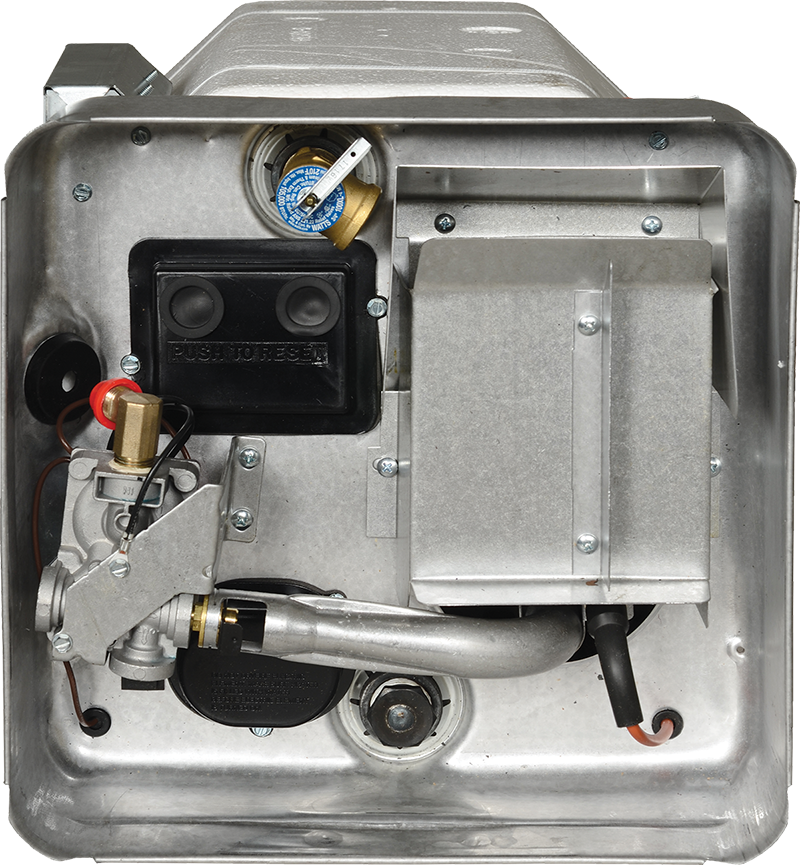
Key Components To Know
- Pilot Light: Small flame that lights the main burner.
- Gas Control Knob: Lets you turn the gas ON, OFF, or to PILOT.
- Access Panel: The door outside your RV where the heater is located.
- Ignition Button (if equipped): Sometimes called a piezo igniter; it sparks to light the pilot.
- Thermocouple: Safety device that senses the pilot flame and controls gas flow.
Understanding these parts makes the lighting process much easier.
Safety First: Preparing To Light Your Water Heater
Working with propane is safe if you follow basic rules. Take a few moments to prepare before trying to light the heater.
1. Check For Propane
Make sure your propane tank is not empty. No gas means no hot water. You can check your tank gauge or gently pour hot water down the side of the tank and feel where the temperature changes.
2. Inspect For Leaks
Safety is critical. Smell for gas near the water heater. If you notice a strong odor, do not proceed—propane leaks are dangerous. Use a soapy water solution on the connections to check for bubbles (which indicate leaks).
3. Ensure Adequate Ventilation
Open windows or doors near the water heater before you start. Propane needs oxygen to burn safely.
4. Gather Tools
If your model requires manual ignition, have a long-reach butane lighter or safety match ready. Don’t use short matches; it puts your hand too close to the flame.
Step-by-step: How To Light A Suburban Advantage Rv Tank Water Heater
Here’s the most important part—lighting the heater. Take your time, and don’t rush.
1. Open The Access Panel
Find the access panel for your water heater on the outside of your RV. It usually has a small latch or lock. Open it to reveal the burner assembly and controls.
2. Set The Gas Control Knob
You’ll see a gas control knob with settings like OFF, PILOT, and ON.
- Turn the knob to OFF and wait at least 5 minutes. This clears out any leftover gas.
- After 5 minutes, turn the knob to PILOT.
3. Light The Pilot
- Press and hold the gas control knob down (this allows gas to flow to the pilot).
- While holding the knob, use your lighter to reach the pilot light area (you’ll see a small metal tube).
- If your heater has a piezo igniter, press it several times until you see a blue flame.
Pro Tip: Sometimes the pilot area is hard to see. Try looking from a side angle or use a small mirror to check for the flame.
4. Hold And Release
Keep holding the control knob down for 30–60 seconds after the pilot lights. This gives the thermocouple time to heat up and tell the system it’s safe to keep the gas flowing.
- Slowly release the knob. If the pilot stays lit, continue.
- If the flame goes out, repeat the process. If it won’t stay lit after three tries, wait 10 minutes and try again.
5. Turn To On
Once the pilot is burning, turn the gas control knob to ON. You may hear a click or whoosh as the main burner lights (if the water is cold).
6. Close The Access Panel
Carefully close and latch the access panel. This keeps out wind and debris, which can blow out the flame or cause problems.
7. Check For Operation
Inside your RV, run a hot water faucet for a minute. After a few minutes, you should feel the water heating up. If not, check for error lights or relight the pilot.
Common Problems And How To Fix Them
Even with clear instructions, things can go wrong. Here’s how to handle the most frequent issues.
Pilot Won’t Light
- No gas: Check your propane tank and make sure the main valve is open.
- Air in the line: If the heater hasn’t been used in a while, there may be air in the gas line. Hold the pilot knob down and try lighting several times to purge air.
- Dirty pilot orifice: Spider webs or dirt can block the pilot tube. Clean gently with compressed air.
Pilot Lights, But Goes Out When Released
- Bad thermocouple: If the thermocouple isn’t heated properly, it won’t signal the gas to stay on. It may need replacement.
- Weak flame: The pilot flame should be steady and blue. If it’s yellow or weak, clean the pilot assembly or check for low gas pressure.
Main Burner Doesn’t Ignite
- Thermostat set too low: Turn up the temperature setting.
- Faulty control board: On newer models, the control board may fail. This needs professional repair.
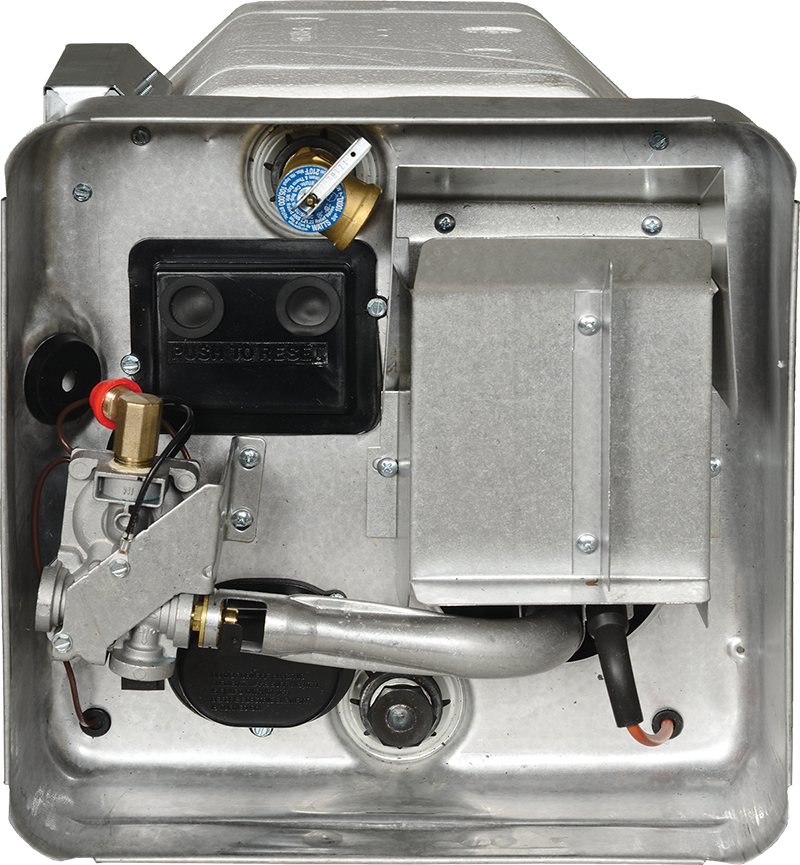
Detailed Comparison: Suburban Advantage Vs. Atwood Rv Water Heaters
Understanding how your Suburban Advantage model compares to others can help you troubleshoot and maintain your heater better. The table below highlights some key differences between Suburban and Atwood RV water heaters.
| Feature | Suburban Advantage | Atwood |
|---|---|---|
| Tank Material | Steel with porcelain lining | Aluminum |
| Anode Rod | Yes (needs replacement) | No (aluminum tank resists corrosion) |
| Recovery Rate | 10.2 gallons/hour | 7.2 gallons/hour |
| Heating Method | Propane/Electric | Propane/Electric |
Insight: Suburban tanks tend to last longer if you replace the anode rod regularly. Atwood tanks need less maintenance but recover hot water more slowly.
Essential Maintenance Tips For Long Life
Regular care keeps your RV water heater working efficiently and safely. Here’s what you should do:
- Check the Anode Rod (Suburban only): Replace every year or when it’s 75% worn. This prevents tank corrosion.
- Flush the Tank: Once a year, drain and flush the tank to remove sediment. Sediment makes the heater less efficient.
- Inspect Burner Assembly: Look for soot, spider webs, or debris. Clean with compressed air.
- Test the Pressure Relief Valve: Lift and release the valve lever every few months to make sure it’s not stuck.
- Check for Leaks: Inspect gas lines and connections for leaks using soapy water.
Neglecting these simple steps leads to expensive repairs and can even be dangerous.

Safety Features: What Protects You?
Suburban Advantage models include several safety features:
- Thermocouple: Cuts gas if the pilot goes out.
- Pressure Relief Valve: Prevents dangerous pressure build-up.
- Sealed Burner Compartment: Keeps flames away from the RV interior.
These features work silently in the background, but you should always keep an eye on your system. If you smell gas or see water dripping from the compartment, turn everything off and call a professional.
Typical Lighting Sequence Timing
How long does it take to get hot water after lighting the heater? The answer depends on several factors.
| Tank Size | Time to Heat (Cold Start) | Recovery Time (After Use) |
|---|---|---|
| 6 gallons | 20–30 minutes | 15–20 minutes |
| 10 gallons | 30–45 minutes | 20–30 minutes |
Note: Colder outside temperatures and starting with very cold water will increase heating time.
Mistakes To Avoid When Lighting Your Water Heater
Beginners often make errors that can be costly or dangerous. Here’s what to watch for:
- Skipping the leak test: Never light the heater if you suspect a gas leak.
- Not waiting after turning OFF: Failing to wait 5 minutes can cause a small explosion (gas build-up).
- Using wrong lighter: Short matches or lighters can burn your fingers. Always use a long-reach lighter.
- Forgetting the access panel: Leaving it open can blow out the pilot or invite pests inside.
Non-obvious insight: If your RV sits unused for months, spiders can build webs in the burner tube, blocking gas flow. Inspect and clean before each trip.
When To Call A Professional
While most RVers can light and maintain their water heater, some problems need expert help:
- Persistent pilot outages: Could mean a bad gas valve or thermocouple.
- Strange noises: Whistling, popping, or roaring could indicate a blocked burner or bad regulator.
- Water leaks: Leaking around the tank or fittings often requires special tools.
If you’re ever unsure, it’s better to get professional help than risk damage or injury.
Real-world Example: Lighting The Heater In Cold Weather
Imagine you arrive at a campsite on a chilly morning. You turn on the hot water, but nothing happens. Here’s how you’d proceed:
- Open the outside access panel.
- Wait 5 minutes with the gas OFF.
- Turn to PILOT, hold down, and light with a long lighter.
- Hold for 60 seconds (cold weather needs a bit longer).
- Turn to ON. Wait inside for 30 minutes for hot water.
Extra tip: In very cold weather, the thermocouple can take longer to warm up. Be patient and hold the knob a bit longer before releasing.
How To Tell If Your Model Is Dsi (electronic Ignition)
If you don’t see a manual pilot knob, but instead have a red switch inside your RV marked “Water Heater,” you likely have a DSI model. Lighting these just requires flipping the switch. If you try to light a DSI unit manually, you can damage the system. Always check your owner’s manual for the correct procedure.
For more technical details, you can check the RV.com water heater guide.
Frequently Asked Questions
How Often Should I Relight My Suburban Water Heater’s Pilot?
You should only need to relight the pilot if the flame goes out or after you refill your propane tank. If the pilot keeps going out, check for drafts, low gas pressure, or a dirty pilot tube.
Can I Leave My Rv Water Heater On All The Time?
It’s safe to leave the heater ON during your trip, but turn it OFF when driving or storing your RV. This saves propane and reduces wear.
What Temperature Should I Set My Water Heater To?
Most Suburban water heaters are pre-set to about 120°F (49°C). This is hot enough for showers but not so hot as to cause burns.
Is It Normal For Water To Drip From The Access Panel?
A small amount of dripping from the pressure relief valve is normal when water expands during heating. Continuous leaking means the valve or another part may need replacement.
Why Does My Water Smell Like Rotten Eggs?
This is usually caused by bacteria in the water reacting with the anode rod. Flushing the tank and replacing the anode rod usually fixes the issue.
Lighting a Suburban Advantage RV tank water heater is a skill every RV owner should know. With a little practice and the right safety steps, you’ll enjoy hot water on the road without stress. Always keep your equipment clean, follow the manufacturer’s advice, and don’t hesitate to ask for professional help when needed. Safe travels and happy camping!

