

The promise of “endless hot water” has changed how many people live in and enjoy their RVs. The Apus RV Tankless Water Heater claims to be one of those game changers, but does it really deliver? Many RV owners are tired of short, cold showers and the limitations of traditional tank heaters. If you’re thinking about upgrading or just curious about how these devices work, you’re in the right place. Let’s break down how the Apus system works, what “endless” truly means, and whether this tankless water heater is the answer to your hot water needs on the road.
How Tankless Water Heaters Work In Rvs
Tankless water heaters are very different from the old-fashioned tank models. Traditional RV water heaters use a storage tank that holds a set amount of hot water—usually between 6 and 10 gallons. When you use it up, you have to wait for the tank to refill and reheat.

36% off Today’s Exclusive Deals
Limited-time Exclusive Deals. Check current discount on Amazon.
Check Price on Amazon As an Amazon Associate I earn from qualifying purchases.A tankless water heater heats water only when you need it. Cold water flows through a heat exchanger inside the unit, where gas or electricity quickly heats it to the set temperature. There’s no storage tank, so in theory, the hot water doesn’t run out as long as you have enough fuel and water supply.
What’s Unique About Rv Tankless Models?
Tankless units for RVs are designed to be compact and energy efficient. They fit into small spaces and are built to handle movement, vibration, and the changing water pressures found in RV plumbing systems. The Apus is one such model, and it aims to balance size, energy efficiency, and performance.
The Apus Rv Tankless Water Heater: Key Features
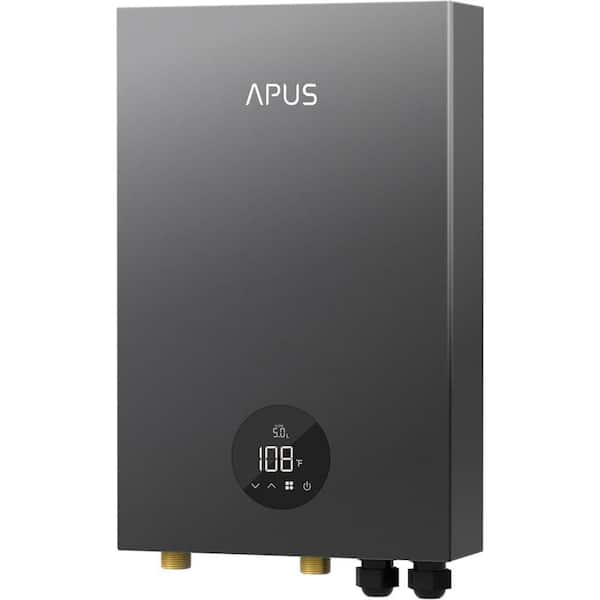
The Apus stands out in a crowded market. Here’s what makes this model special for RV users:
- On-Demand Heating: Water is heated only when you turn on the tap.
- Compact Size: Easily fits into most RV water heater compartments.
- Digital Control Panel: Lets you set your preferred temperature.
- Propane Operation: Uses propane gas, common in most RVs, for heating.
- Freeze Protection: Built-in systems help protect the heater in cold weather.
- Flow Rate: Delivers between 2.5 and 3.0 gallons per minute (GPM), depending on the model.
Let’s take a closer look at what these features mean for day-to-day RV living.
What Does “endless Hot Water” Really Mean?
The phrase endless hot water is both true and misleading. If you have enough propane and a steady water supply, the Apus can provide hot water as long as you keep the tap open. But a few factors can affect this:
- Fuel Supply: If you run out of propane, the hot water stops.
- Water Source: City water hookups usually provide steady pressure and flow. If you’re using your fresh water tank, you’re limited by the tank’s size and your pump’s power.
- Flow Rate Limit: If you demand more hot water (by running multiple faucets or a high-flow showerhead), the water might not get as hot or the heater might not keep up.
So, “endless” is possible—but only within these limits.
Comparing The Apus To Traditional Rv Water Heaters
Many RVers want to know if switching to the Apus is worth it. Here’s how it compares to a typical 6-gallon tank model:
| Feature | Traditional Tank Heater | Apus Tankless Heater |
|---|---|---|
| Hot Water Supply | Limited (6-10 gallons) | Continuous (as long as water/fuel last) |
| Recovery Time | 20-40 minutes | Instant |
| Size | Bulky | Compact |
| Energy Use | Heats all water, even if not used | Heats only on demand |
| Winterization | Must be drained or bypassed | Has freeze protection |
The Apus gives a clear advantage in hot water supply and speed. But is the reality always as perfect as the brochure promises?
Real-world Performance: What To Expect
To understand if the Apus RV Tankless Water Heater truly delivers endless hot water, it’s important to look at real-life experiences and data.
Flow Rate In Practice
Most Apus models provide around 2.6–2.8 GPM at a moderate temperature rise (say, from 50°F to 105°F). This is enough for one standard shower or two low-flow fixtures at the same time. However, if you shower and run the kitchen sink together, the water may not get as hot as you want.
Temperature Fluctuations
Some tankless heaters can produce “cold water sandwiches”—brief bursts of cold water during use. The Apus has digital controls to help reduce these, but rapid changes in water flow (like turning a faucet off and then on quickly) can still cause a short temperature drop.
Water Pressure Needs
The Apus operates best with steady water pressure (over 40 PSI). If your RV’s water pump is weak or your campground’s supply is low, the heater might not perform at its best. Many users add a pressure regulator for consistent results.
Altitude And Weather
Propane heaters can lose efficiency at high altitudes (above 5,000 feet). Cold weather also affects performance—if incoming water is very cold, the heater has to work harder. The Apus includes freeze protection, but you’ll use more propane in winter.
Installation And Compatibility
Installing the Apus is not very complicated for someone with basic RV maintenance skills, but it’s important to check a few things first:
- Size: Make sure the unit fits your compartment.
- Ventilation: The heater needs proper venting for safety.
- Gas Connection: You need a reliable propane line.
- Electrical: Some models need a 12V DC power source for controls and ignition.
- Water Lines: Must connect to standard RV plumbing.
Many users swap their old tank heater for the Apus with minimal changes, but always double-check measurements and connections.
Pros And Cons Of The Apus Rv Tankless Water Heater
Every product has strong points and weak spots. Here’s a balanced look at the Apus:
Pros:
- Endless hot water (within supply limits)
- Energy efficient—no standby heat loss
- Quick recovery—no waiting between showers
- Saves space in small RVs
- Digital controls make temperature setting easy
- Freeze protection for cold climates
Cons:
- Needs steady water and propane supply
- Sensitive to water pressure changes
- May struggle with two high-flow uses at once
- More expensive than basic tank heaters
- Digital parts can fail in rough conditions
Cost And Value: Is It Worth Upgrading?
A major concern is price. The Apus tankless water heater typically costs between $450 and $800, depending on the model and features. Installation may add $100–$300 if you hire a professional. Traditional tank heaters often cost less—between $250 and $500.
But the value of endless hot water is hard to measure. Many RVers say that being able to take longer showers or wash dishes without rushing is a huge upgrade. Also, because the Apus heats water only when needed, it can reduce propane use over time.

Practical Tips For Using The Apus Effectively
Getting the best results from your Apus tankless heater isn’t just about installing it. Here are some tips from experienced users:
- Use Low-Flow Fixtures: Swapping to a 1.5 GPM showerhead can help the heater keep up and save water.
- Check Water Pressure: Add a pressure regulator if your supply is inconsistent.
- Monitor Propane: Keep an eye on your tank level, especially if you use the heater often.
- Adjust Temperature: Set your desired temperature on the control panel—usually 110°F to 120°F is plenty.
- Winterize Carefully: Even with freeze protection, drain water lines when storing your RV in freezing weather.
A non-obvious insight: Don’t set the temperature too high. If you set it at 130°F, you may have to mix a lot of cold water at the tap, which can confuse the heater and cause temperature swings. Set it close to your ideal shower temperature for the best, most stable results.
Common Mistakes To Avoid
Many new users make these errors:
- Ignoring water pressure: If your RV pump is weak, the heater may shut off or give lukewarm water.
- Trying to use too many fixtures at once: Tankless heaters have a maximum flow rate. Stick to one shower or faucet for the best results.
- Not reading the manual: The Apus digital controls have useful features that many skip.
Another overlooked point: Altitude adjustment. If you travel in the mountains, check if your model needs a special kit or setting to operate efficiently.
How Does The Apus Compare To Other Rv Tankless Heaters?
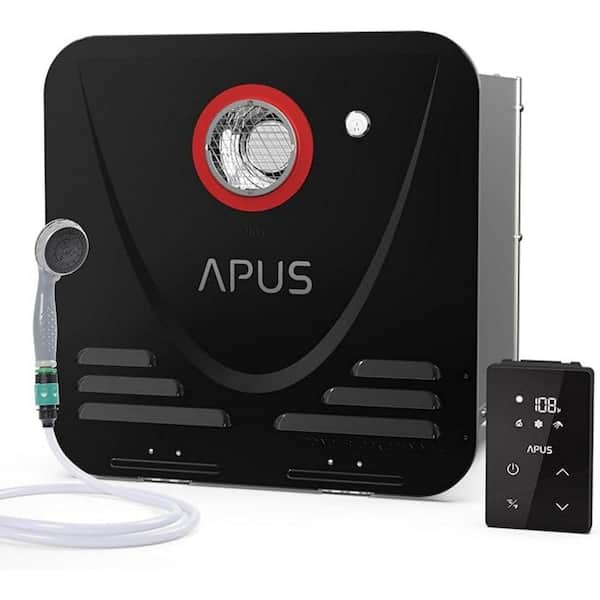
The Apus is often compared to models from Girard, Suburban, and Furrion. Let’s see how they stack up in a few key areas:
| Brand | Max Flow Rate (GPM) | Freeze Protection | Digital Controls | Average Price |
|---|---|---|---|---|
| Apus | 2.8 | Yes | Yes | $600 |
| Girard | 2.4 | Yes | Yes | $700 |
| Suburban | 2.6 | Optional | No | $550 |
| Furrion | 2.4 | Yes | Yes | $650 |
The Apus offers a slightly higher flow rate and competitive pricing. The digital controls and freeze protection make it a solid choice for most RVers.
Who Should Choose The Apus Rv Tankless Water Heater?
The Apus is best for:
- Full-time RVers who want home-like showers
- Families who need back-to-back hot water use
- Travelers who visit cold areas and need freeze protection
- Anyone frustrated by tank heater limitations
It’s less ideal for:
- RVers with very limited propane supply
- Campers who often boondock with low water pressure
- Those on a tight budget who don’t mind short showers
Long-term Reliability And Maintenance
Tankless heaters like the Apus are built to last 8–12 years with proper care. Regular maintenance includes:
- Flushing with vinegar or a descaling solution every 6–12 months (especially in hard water areas)
- Checking for leaks and loose connections
- Keeping air vents clear of dust and debris
- Testing the digital panel and freeze protection before each trip
A tip most beginners miss: Install a water filter before the heater to prevent minerals from clogging the heat exchanger.
Environmental And Energy Benefits
Because the Apus only heats water as you need it, it can save propane compared to tank heaters (which keep water hot all the time). Less fuel use means fewer emissions and a smaller environmental footprint. Also, you use less water because you don’t have to run the tap waiting for hot water to arrive.
User Experiences: What Real Owners Say
Online reviews and RV forums show that most owners are happy with the Apus, especially after learning how to use it properly. Common praise includes:
- “I can take a 15-minute shower with no problem.”
- “It fits right where my old heater was and the install was easy.”
- “We love being able to wash dishes and shower without rushing.”
But some challenges are also mentioned:
- “The water is not as hot when we run two things at once.”
- “Took time to get used to the digital controls.”
These real-world stories back up the claim of endless hot water—but also show the importance of understanding the system’s limits.
Apus Rv Tankless Water Heater: Specs At A Glance
Here’s a quick summary of the Apus’s technical details:
| Specification | Details |
|---|---|
| Fuel Type | Propane (LPG) |
| Max Flow Rate | 2.8 GPM |
| Temperature Range | 95°F–124°F (Adjustable) |
| Power Source | 12V DC (controls/ignition) |
| Freeze Protection | Yes (automatic) |
| Weight | Approx. 25 lbs |
| Dimensions | 12.5” x 12.5” x 15.5” |
Where To Find More Information
To compare RV water heaters or learn more about propane appliances, check reliable sources like the Wikipedia page on tankless water heaters.
The Bottom Line: Does The Apus Rv Tankless Water Heater Provide Endless Hot Water?
The answer is yes—with reasonable expectations. The Apus can provide continuous hot water for showers and daily tasks, as long as you have enough propane and water supply, and you don’t exceed its flow rate. It’s a big step up from traditional tank heaters, especially for families or anyone who wants comfort on the road.
But “endless” doesn’t mean unlimited. You need to manage your propane and water, use low-flow fixtures, and understand how the system works to get the best results. For most RVers, though, the comfort and convenience are well worth it.
Frequently Asked Questions
How Long Can You Shower With The Apus Tankless Water Heater In An Rv?
You can shower as long as you want, as long as you have enough propane and water. The heater doesn’t run out of hot water like a tank model, but your RV’s fresh water or propane tank may run dry after 20–30 minutes of continuous use.
Is The Apus Tankless Water Heater Hard To Install?
Most users find it straightforward if replacing an old RV water heater. You need basic tools and knowledge of propane and water connections. Some people hire a professional for safety and to ensure proper venting.
Can The Apus Tankless Heater Work Off-grid Or While Boondocking?
Yes, but it depends on your water and propane supply. If you boondock often, make sure your water pump can deliver at least 40 PSI. Monitor your propane closely, as the heater uses more fuel than a tank model during long showers.
Will The Apus Heater Work In Freezing Temperatures?
The Apus has built-in freeze protection, but it’s not foolproof. Always drain your lines if you store your RV in freezing conditions, and keep the heater powered on when temperatures drop.
What Maintenance Does The Apus Tankless Water Heater Need?
Flush the unit with a descaling solution every 6–12 months, especially in hard water areas. Check all gas and water connections regularly, and keep vents clear. Install a water filter to extend the unit’s life.
With the right setup and habits, the Apus RV Tankless Water Heater can give you the freedom of hot water on demand—making your RV life more comfortable wherever you go.

