Living sustainably is not just a trend; it is a practical approach to making sure our planet stays healthy for future generations. As people become more aware of climate change and environmental problems, many want to make choices that reduce harm to the earth.
But starting a sustainable lifestyle can feel confusing or even overwhelming. The good news is that even small changes matter, and living sustainably is possible for everyone, no matter where you live or how much money you have.

36% off Today’s Exclusive Deals
Limited-time Exclusive Deals. Check current discount on Amazon.
Check Price on Amazon As an Amazon Associate I earn from qualifying purchases.This guide will show you how to live sustainably in everyday life. You will learn what sustainability really means, why it matters, and how to make simple, lasting changes at home, at work, and in your community. Along the way, you will see practical examples, get tips to save money, and discover non-obvious ways to make a difference.
Sustainable living is not about being perfect; it’s about making better choices, step by step.
What Does Sustainable Living Mean?
Living sustainably means making decisions that meet your needs without harming the ability of future generations to meet theirs. In simple words, it’s about using resources wisely and reducing waste and pollution. The main idea is to balance what you take from nature with what you give back.
Sustainability covers many parts of life, including energy use, waste management, food choices, and even how you travel. It does not mean giving up everything or living uncomfortably. Instead, it’s about being aware and making smart choices that have a positive impact.
Key Principles Of Sustainability
- Reduce, reuse, recycle: Use less, find new uses for things, and recycle materials.
- Use renewable resources: Choose energy and products that can be replaced naturally.
- Protect natural systems: Support clean air, water, and soil.
- Think long-term: Consider how your choices affect the future.
Understanding these principles helps you find new ways to live more sustainably in daily life.
Sustainable Living At Home
Your home is a great place to start making sustainable changes. You spend much of your time there, and even small actions can add up to a big difference over time.
Energy Use And Efficiency
Most homes use energy for heating, cooling, cooking, and lighting. But much of this energy is wasted. Making your home more energy-efficient helps the planet and lowers your bills.
Ways To Save Energy
- Switch to LED bulbs: They use up to 80% less energy than old bulbs.
- Unplug devices: Many electronics use power even when off. Unplug chargers and devices when not in use.
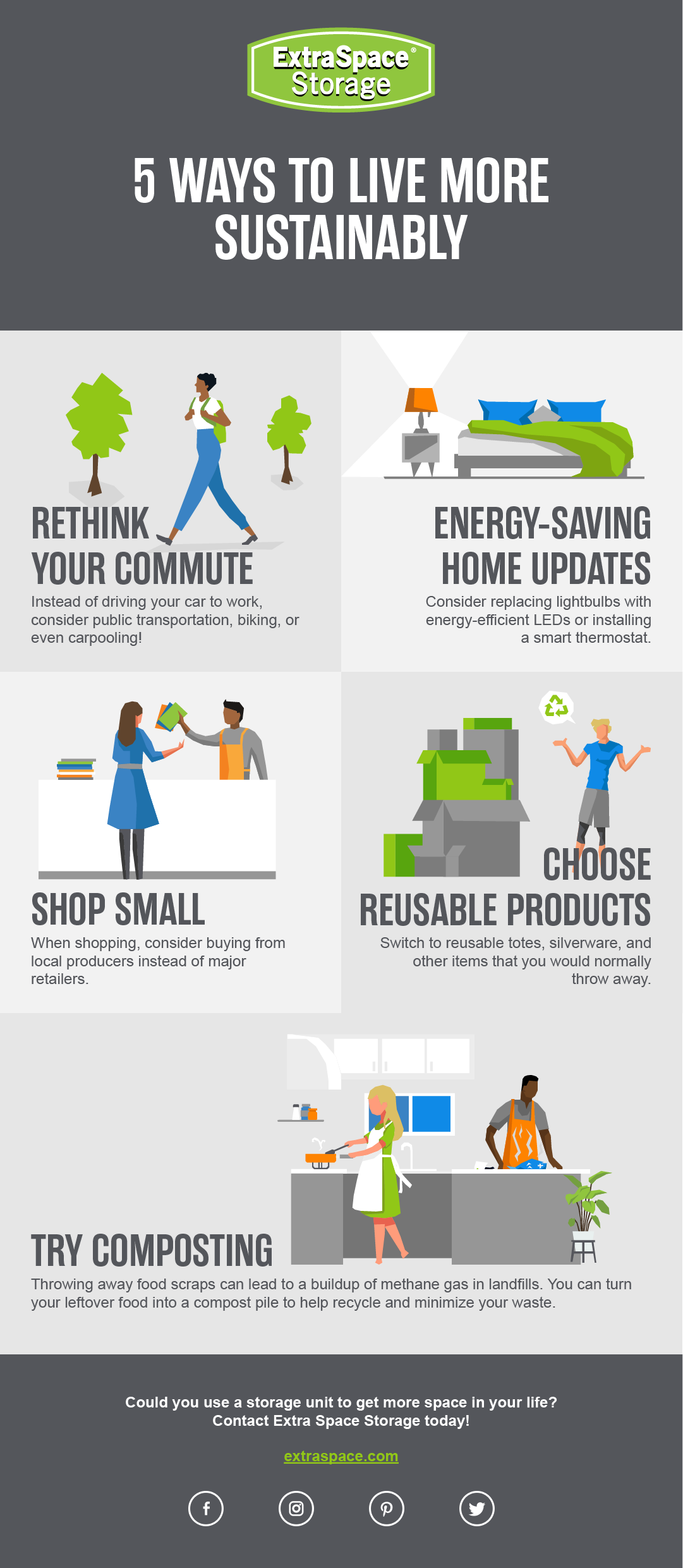
- Use smart thermostats: These adjust heating and cooling automatically to save energy.
- Seal windows and doors: Prevent heat loss in winter and cool air loss in summer.
- Wash clothes in cold water: Most energy goes to heating the water. Cold washes are just as effective for most loads.
Home Energy Comparison
Here’s how different home energy sources compare for carbon emissions:
| Energy Source | CO₂ Emissions (g/kWh) | Renewable? |
|---|---|---|
| Coal | 820 | No |
| Natural Gas | 490 | No |
| Solar | 48 | Yes |
| Wind | 12 | Yes |
Switching to renewable energy when possible can greatly reduce your impact.
Water Conservation
Fresh water is a limited resource in many places. Saving water at home helps the environment and cuts your water bill.
Simple Ways To Save Water
- Take shorter showers (aim for 5 minutes or less).
- Fix leaks right away — a dripping tap can waste gallons each day.
- Turn off the tap while brushing teeth.
- Use a broom instead of a hose to clean driveways.
- Install low-flow showerheads and toilets.
Waste Reduction And Recycling
The world produces over 2 billion tons of solid waste every year. Most of it ends up in landfills or pollutes nature. Reducing waste at home is one of the easiest ways to live sustainably.
Practical Steps
- Use reusable bags, bottles, and containers.
- Compost food scraps to make natural fertilizer.
- Buy products with less packaging.
- Sort your trash: Know what can be recycled in your area and follow the rules.
Waste Breakdown Time Table
See how long common household items take to break down:
| Item | Time to Decompose |
|---|---|
| Banana Peel | 2-5 weeks |
| Paper Towel | 2-4 weeks |
| Plastic Bag | 10-20 years |
| Aluminum Can | 80-200 years |
| Glass Bottle | 1 million years |
Small choices, like using a reusable bottle instead of a plastic one, really make a difference over time.
Non-obvious Home Tips
- Set your refrigerator temperature just above freezing (37-40°F) to save energy and keep food safe.
- Line-dry clothes when possible. Dryers use a lot of energy, and air drying helps clothes last longer.
Sustainable Food Choices
The food you eat has a bigger impact on the environment than you might think. Farming uses land, water, and energy, and food waste is a huge problem.
Eat More Plant-based Foods
Eating less meat and more plants can lower your carbon footprint. For example, producing 1 pound of beef uses about 1,800 gallons of water, while 1 pound of vegetables uses less than 50 gallons.
You don’t need to stop eating meat completely. Try a “Meatless Monday” or swap one meal per day for a vegetarian option. Beans, lentils, tofu, and whole grains are filling and good for you.
Buy Local And Seasonal
Food that travels long distances uses more fuel and loses nutrients. Buying local and in-season food supports farmers near you and reduces transportation emissions.
- Shop at farmers’ markets.
- Choose produce that is in season.
- Look for labels showing where food comes from.
Reduce Food Waste
About one-third of food produced in the world is lost or wasted. This wastes all the resources used to grow, transport, and package it.
How To Cut Food Waste
- Plan meals before shopping.
- Store food properly to make it last longer.
- Use leftovers creatively: Soups, stir-fries, and salads.
- Compost food scraps instead of throwing them away.
Non-obvious Food Tips
- Check “use by” vs. “best before” dates. Many foods are still safe after the “best before” date if they look and smell fine.
- Regrow vegetables from kitchen scraps, like green onions or lettuce, in a cup of water.
Sustainable Transportation
How you travel affects your carbon footprint. Cars are convenient but use a lot of fossil fuels.
Walk, Bike, Or Use Public Transport
- Walking and biking produce zero emissions and are good for your health.
- Public transport, like buses or trains, moves many people at once and uses less energy per person.
If you must drive, try carpooling or combining errands to make fewer trips.
Choose Greener Vehicles
If you’re buying a car, look for fuel-efficient or electric models. They cost less to run and pollute less.
Vehicle Type Comparison
| Vehicle Type | CO₂ Emissions (g/mile) | Average Cost per Mile |
|---|---|---|
| Gasoline Car | 404 | $0.57 |
| Hybrid Car | 196 | $0.50 |
| Electric Car | 96 | $0.31 |
| Bus | 150 | $0.20 |
| Bicycle/Walk | 0 | Negligible |
Non-obvious Transport Tips
- Check tire pressure: Properly inflated tires save fuel.
- Travel light: Extra weight in your car means more fuel used.
Sustainable Shopping Habits
Everything you buy has an environmental footprint. This includes how it’s made, shipped, used, and thrown away.
Buy Less, Choose Well
Before buying, ask: Do I really need this? Can I borrow or repair instead? Quality items last longer and save money in the long run.
Support Ethical Brands
Look for products made with fair labor, organic materials, or eco-certifications. Many companies now share how they protect workers and the planet.
Secondhand First
Buying used clothes, furniture, or electronics saves resources and prevents waste. Thrift stores, online marketplaces, and swaps are good places to start.
Non-obvious Shopping Tips
- Avoid fast fashion. Cheap, trendy clothes often wear out quickly and end up in landfills.
- Buy in bulk to reduce packaging waste, but only for things you will actually use.
Sustainable Lifestyle In Community
You don’t have to make changes alone. Working together with others makes a bigger impact.
Share And Borrow
- Share tools, books, or equipment with neighbors.
- Use community libraries or tool libraries if available.
Get Involved
- Join local clean-ups or tree-planting events.
- Support community gardens or urban farms.
- Talk to local leaders about sustainable policies, like better recycling programs or public transport.
Non-obvious Community Tips
- Start a “repair café”: A place where people help each other fix broken items.
- Organize swap events for clothes, books, or toys.
The Role Of Technology In Sustainable Living
Technology can help us live more sustainably if we use it wisely.
Smart Home Devices
Smart thermostats, lights, and plugs can reduce energy use. Some can even learn your habits to save more power.
Apps For Sustainable Choices
Many apps help you track your energy use, find local food, or learn how to recycle correctly. For example, some apps scan products to show their environmental impact.
Non-obvious Tech Tips
- Don’t upgrade devices too often. Keeping your phone or laptop longer saves resources.
- Dispose of electronics properly: E-waste contains harmful chemicals. Many stores offer recycling programs.
Challenges And How To Overcome Them
Living sustainably is not always easy. Sometimes, eco-friendly products cost more, or habits are hard to change. But you can overcome these challenges with good planning and a positive mindset.
Common Obstacles
- Higher upfront costs for things like solar panels or electric cars.
- Lack of time to shop or cook sustainably.
- Limited options in some areas.
How To Succeed
- Start small: Change one habit at a time.
- Set realistic goals: Don’t try to do everything at once.
- Look for community support: Friends or local groups can help.
- Celebrate progress: Every step counts, even small ones.
Non-obvious Success Tips
- Track your progress: Seeing your savings or waste reduction can be motivating.
- Share your journey: Others might join you or offer new ideas.

The Bigger Picture: Why Sustainable Living Matters
Sustainable living is not just about personal choices. It connects to global issues like climate change, pollution, and resource shortages. If everyone made even a few small changes, the impact would be huge.
According to the United Nations, if the world population reaches 9.7 billion by 2050, we would need almost three planets’ worth of resources to maintain current lifestyles. Clearly, this is not possible. That’s why sustainable living is so important.
Personal Impact
Living sustainably can also improve your health, save you money, and build stronger communities. It’s about living with purpose and care.
Global Impact
- Less pollution and waste
- More natural spaces protected
- Better quality of life for people everywhere
If you want more in-depth information, the United Nations Environment Programme has resources on sustainable lifestyles.
Frequently Asked Questions
What Is The First Step To Living Sustainably?
Start with one small change that feels easy for you. This could be using a reusable bag, switching to LED bulbs, or taking public transport once a week. Small steps build habits and confidence.
Is Sustainable Living Expensive?
Not always. Some changes, like using less energy or water, actually save money. Buying better-quality items can cost more at first but last longer. You do not have to buy all new eco-products to make a difference.
How Can I Make My Workplace More Sustainable?
Talk to your manager or team about ideas like recycling bins, energy-saving lights, or paperless meetings. Suggest carpooling or remote work to reduce commuting. Many companies are open to employee suggestions.
Can Children Learn About Sustainable Living?
Yes, children can learn about sustainability through simple actions like recycling, gardening, or turning off lights. Teaching kids early helps them build good habits for life.
Does Individual Action Really Matter?
Yes, every person’s choices add up. If millions of people make small changes, the effect is huge. Also, individual action can inspire companies and governments to make better policies.
Living sustainably is a journey, not a destination. The most important thing is to keep learning, stay curious, and remember that your choices matter. With each step, you help build a better world — for yourself, your family, and everyone who comes after.