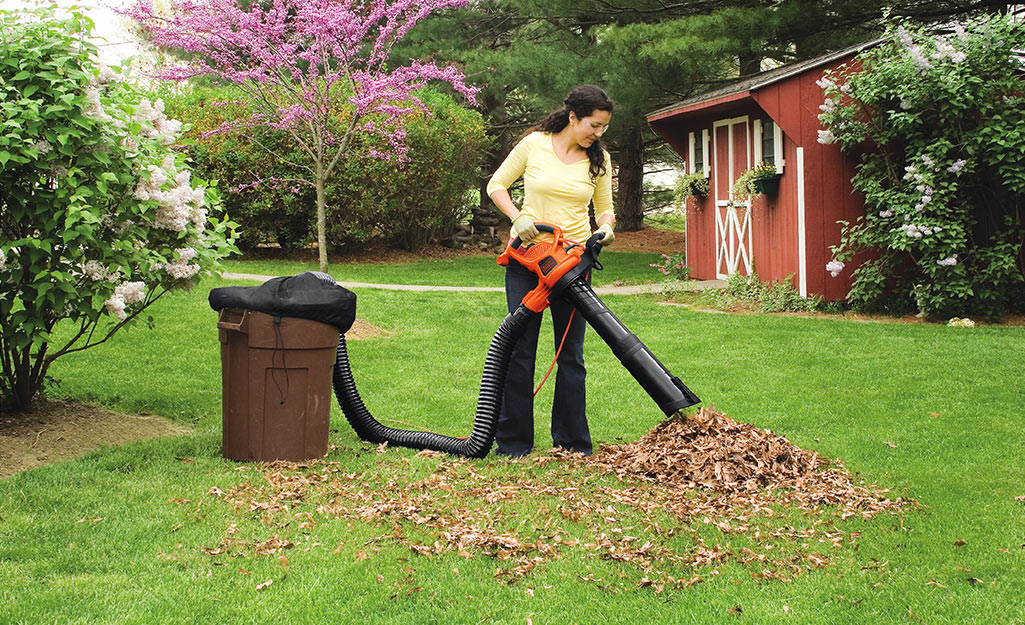
Using a leaf blower can make yard work much faster and easier. But if you’ve never handled one before, you might wonder how to use it safely and efficiently. With so many models, features, and techniques, it’s easy to feel overwhelmed.
This guide will walk you through everything you need to know about using a leaf blower—from choosing the right type to mastering safe operation and getting the best results. Along the way, you’ll pick up tips that even experienced users sometimes overlook.

36% off Today’s Exclusive Deals
Limited-time Exclusive Deals. Check current discount on Amazon.
Check Price on Amazon As an Amazon Associate I earn from qualifying purchases.Whether you’re cleaning a small patio or a large yard, you’ll finish with confidence and a cleaner outdoor space.
Understanding Leaf Blowers
Before you start, it’s important to know the basics. A leaf blower is a tool that uses fast-moving air to move leaves, grass clippings, and other light debris. They come in several types, each with its own strengths and weaknesses.
Types Of Leaf Blowers
There are three main types of leaf blowers:
| Type | Power Source | Strengths | Common Uses |
|---|---|---|---|
| Corded Electric | Electricity (plug-in) | Lightweight, quiet, no emissions | Small yards, patios |
| Cordless/Battery | Rechargeable battery | Portable, easy to start, low maintenance | Medium yards, driveways |
| Gas-Powered | Gasoline | Most powerful, long run time | Large yards, heavy debris |
Most homeowners find a cordless blower is enough for regular yard maintenance, but if you have a large area with lots of leaves, a gas-powered model may be worth the investment. Corded blowers are often the lightest and cheapest, but the cord limits your reach.
Key Features To Consider
Choosing the best leaf blower depends on your needs. Here are the main features to compare:
- Air speed (MPH): How fast the air comes out. Higher numbers mean more power to move wet or stuck debris.
- Air volume (CFM): How much air moves per minute. A higher CFM moves more leaves at once.
- Weight: Lighter models are easier to use for long periods.
- Noise level: Some neighborhoods restrict loud equipment, so check decibel ratings.
- Battery run time: For cordless models, see how long a full charge lasts.
- Vacuum/mulcher function: Some models can suck up and shred leaves for easier disposal.
Many buyers focus only on speed (MPH), but air volume (CFM) is just as important. For most yards, a balance of both is best.
Getting Ready To Use Your Leaf Blower
Preparation is key for both safety and performance. Don’t rush this step, even if you’re in a hurry to clear your yard.
Read The Manual
Every leaf blower is a little different. Before your first use, read the owner’s manual. Look for instructions on assembly, charging (if cordless), fueling (if gas), and maintenance. This can prevent common mistakes that damage the tool or put you at risk.
Inspect Your Equipment
Check for any cracks, loose parts, or blocked vents. For cordless blowers, make sure the battery is fully charged. For gas models, use fresh fuel and check the oil level if required. A clogged air filter or old gas can make your blower hard to start or run poorly.
Dress For Safety
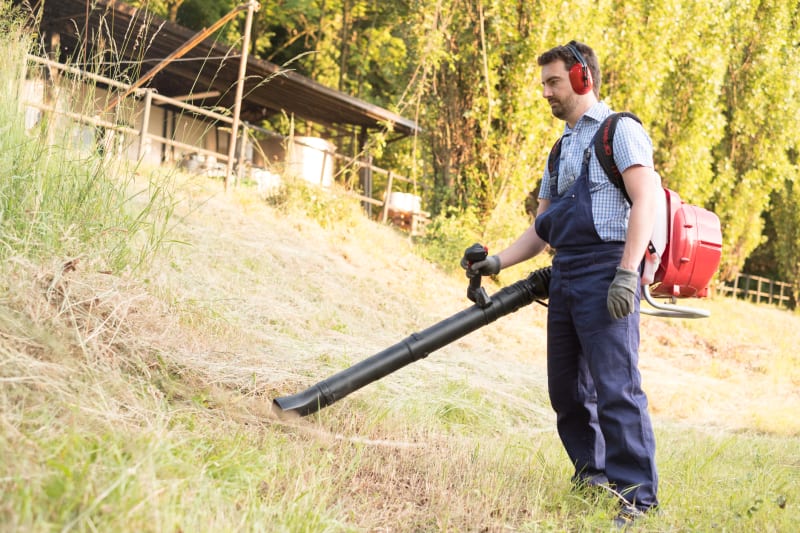
Leaf blowers move a lot of air and debris. Protect yourself by wearing:
- Eye protection (safety glasses or goggles)
- Ear protection (earplugs or earmuffs)
- Long pants and sleeves
- Gloves
- Closed-toe shoes
Never use a leaf blower barefoot or in sandals. Loose clothing can get caught in moving parts, so keep it tucked in.
Clear The Area
Pick up sticks, rocks, and other hard objects by hand before blowing. These can become dangerous projectiles if caught by the air flow. Warn children and pets to stay inside or far away.
How To Start A Leaf Blower
The starting process depends on the type of blower you have.
Starting An Electric Or Battery Leaf Blower
- Make sure the blower is assembled and, for cordless models, the battery is charged and attached.
- Plug in (for corded models) to a suitable outdoor extension cord.
- Hold the blower firmly and press the power button or trigger.
These models usually start instantly and are much quieter than gas blowers.
Starting A Gas-powered Leaf Blower
Gas blowers have more steps:
- Place the blower on a flat surface.
- Set the choke lever (if cold starting) to the start position.
- Prime the engine if your model has a primer bulb—press it 5-6 times.
- Hold the blower and pull the starter cord sharply.
- Once the engine starts, move the choke to “run.”
- Let the blower warm up for a minute before use.
Never refuel a hot engine. Gas vapors can ignite. Always fill up outdoors and wipe any spilled fuel.
Using The Leaf Blower Effectively
Once your blower is running, technique matters more than many people realize. Good habits save time and effort.
The Right Blowing Technique
- Hold the blower with both hands if it’s heavy, using the provided handles or straps.
- Keep the nozzle close to the ground (about 6-12 inches) but not touching.
- Point the nozzle at a shallow angle, not straight down. This lifts leaves without blowing dust and dirt everywhere.
- Use a smooth, side-to-side motion as you walk forward. Imagine you are “sweeping” with air.
Instead of chasing every leaf across the lawn, work in sections. Move leaves into rows or piles, then collect them.
How To Tackle Different Surfaces
- Lawns: Use a lower speed so you don’t blow up dirt or damage grass.
- Driveways/Sidewalks: Higher speed is fine here, but watch for gravel.
- Garden beds: Be gentle. High power can uproot mulch and plants.
- Wet leaves: Use short bursts of high speed. Wet leaves are heavier and may need to be loosened before moving.
Don’t worry about getting every single leaf on the first pass. Sometimes it’s easier to blow the bulk first, then go back for stragglers.
Working With The Wind
Try to blow in the same direction as the wind. Fighting the wind wastes energy and can send leaves back over areas you’ve already cleaned. If the wind shifts, adjust your direction or wait a few minutes for it to settle.
Using Attachments And Accessories
Some leaf blowers come with nozzle attachments for narrow or wide air streams. A narrow nozzle is useful for lifting wet leaves or cleaning out cracks in pavement. A flat nozzle can help with wide areas.
Backpack blowers and some handhelds have shoulder straps. Adjust these so the weight is balanced and comfortable.
Typical Mistakes (and How To Avoid Them)
Many beginners:
- Try to clear too large an area at once, spreading leaves everywhere.
- Use maximum power all the time—this drains batteries and stirs up dust.
- Forget to check for hidden rocks or dog waste, causing messy accidents.
- Blow leaves into neighbors’ yards, which can cause disputes.
Instead, work in small sections, adjust speed for the surface, and always aim to gather leaves, not scatter them.
Collecting And Disposing Of Leaves
Once you’ve gathered leaves into piles, you need to collect and dispose of them. This step is often overlooked, but it’s just as important as the blowing.
Best Ways To Collect Leaves
- Use a rake to gather piles onto a tarp.
- Drag the tarp to your compost bin or curb.
- For small piles, scoop them into yard waste bags by hand or with a leaf scooper.
Some leaf blowers have a vacuum and mulcher setting. Switch to vacuum mode, and the blower will suck up leaves and shred them. Mulched leaves take up less space and are perfect for composting.
Disposal Options
- Curbside pickup: Many cities collect yard waste in fall.
- Composting: Shredded leaves break down quickly and improve garden soil.
- Mulch: Use chopped leaves around plants to keep moisture in and weeds out.
Never blow leaves into storm drains or the street. This can clog drains and is often against city rules.
Maintaining Your Leaf Blower
A well-maintained leaf blower lasts longer and performs better. Simple care goes a long way.
After Each Use
- Wipe off dirt and debris.
- Check for loose screws or cracked parts.
- For gas blowers, empty the fuel tank if storing for more than a month.
Seasonal Maintenance
- Clean or replace the air filter (gas blowers).
- Inspect and replace the spark plug yearly.
- Sharpen or replace the mulching blade if your model has one.
- For battery models, store batteries indoors in cold weather.
Storing Your Blower
Keep your blower in a dry, sheltered place. Hang it on a wall hook if possible to save space and prevent accidental damage.
Leaf Blower Safety Tips
Leaf blowers can be very safe when used correctly, but accidents can happen if you’re careless. Here are key tips to protect yourself and others.
- Always wear eye and ear protection. Even short use can cause hearing damage.
- Never point the blower at people or pets. Flying debris can cause injuries.
- Avoid using blowers near open windows, cars, or freshly washed laundry.
- Don’t use in very dry, windy, or dusty conditions. Blowers can stir up dust and allergens, or even spread fire in dry areas.
- Follow local noise and usage rules. Some towns limit blower use to certain hours or ban gas models.
Many injuries happen not from the blower itself but from tripping over cords, hoses, or debris. Keep your work area tidy and take your time.
Comparing Leaf Blowers: Which Type Is Right For You?
Choosing the best tool for your needs can save time and money. Here’s a quick comparison of popular models:
| Feature | Electric (Corded) | Battery (Cordless) | Gas-Powered |
|---|---|---|---|
| Weight | 5–8 lbs | 6–10 lbs | 8–15 lbs |
| Noise Level | Low | Low–Medium | Medium–High |
| Run Time | Unlimited | 15–60 min | 1–2 hours |
| Maintenance | Very low | Low | High |
| Best For | Small yards | Medium yards | Large yards, heavy use |
If you value quiet operation and easy use, choose electric or battery models. For long sessions or tough debris, a gas blower is still the top choice.
Practical Tips For Better Results
Small adjustments can make a big difference in how quickly and cleanly you finish the job.
- Blow leaves when dry. Wet leaves are heavier and harder to move. Wait for a sunny day if possible.
- Work in one direction. Plan your path so you aren’t blowing leaves over areas you’ve already cleared.
- Start at the far edge of your yard. Move leaves toward a central collection point.
- Don’t rush. Blowing too fast scatters debris, making more work for yourself.
- Alternate arms or hands. If using a handheld blower, switch hands to avoid fatigue and muscle strain.
Pro insight: After your main blowing session, let leaves settle for 5–10 minutes, then do a quick pass to catch any leftovers.
Environmental Considerations
Leaf blowers save time, but they can also create noise and air pollution. Many cities are moving toward battery-powered models or setting rules about when and how to use blowers.
- Battery and electric blowers are much quieter and produce no local emissions.
- Gas blowers can emit more pollution than a car in an hour of use.
- Never blow leaves into natural areas or waterways, as this can harm wildlife.
If you use a gas blower, maintain it well to reduce pollution. Consider switching to a battery model for regular jobs, using gas only for heavy work.
For more on environmental impacts and city rules, see this EPA guide.
Common Questions Beginners Have
Many new users feel unsure about details that aren’t always in the manual. Here are some insights:
- How much noise is too much? Most blowers range from 60–80 decibels. If you need to raise your voice to talk, wear ear protection.
- Can I blow leaves at night or early morning? Check your city’s rules. Many areas limit blower use to daytime hours.
- Why is my blower losing power? For electric models, check the cord or battery. For gas, clean the air filter and use fresh gas.
- Are all blowers safe for dust and allergens? Even with “low dust” models, blowing can stir up pollen and dust. Wear a mask if you have allergies.
Frequently Asked Questions
What Is The Best Time Of Day To Use A Leaf Blower?
The best time is late morning or early afternoon, when leaves are dry and there’s enough light to see your work. Avoid early morning when dew makes leaves heavy, and avoid windy afternoons. Always check local noise rules, as some areas restrict blower use to certain hours.
Can I Use A Leaf Blower On Wet Leaves?
Yes, but it’s harder. Wet leaves are heavy and stick to the ground. Use short bursts of high speed and a narrow nozzle to loosen them. For thick piles, it may help to rake them first or wait until they dry.
Avoid using a blower in the rain for safety reasons.
How Do I Clean And Store My Leaf Blower?
After each use, wipe off dirt, empty the bag (if vacuuming), and check for damage. For gas models, clean the air filter and empty the fuel tank if storing for more than a month. Keep all models in a dry, cool place, and remove the battery for cordless blowers before storage.
Are There Restrictions On Leaf Blower Use In The Us?
Yes. Many cities have noise limits or ban gas blowers. Some restrict hours or require electric models. Check your local city website or ask at city hall. Breaking rules can result in fines.
What Is The Difference Between Cfm And Mph In Leaf Blowers?
CFM (cubic feet per minute) measures how much air the blower moves; MPH (miles per hour) measures how fast the air moves. High CFM means you can move more leaves at once, while high MPH helps lift stuck debris. The best blowers balance both for maximum efficiency.
Using a leaf blower isn’t just about clearing leaves—it’s about working smarter, safer, and with less effort. With the right preparation and a few pro tips, you’ll get a cleaner yard in less time and with less stress. Remember to put safety first, respect your neighbors, and enjoy the satisfaction of a job well done.