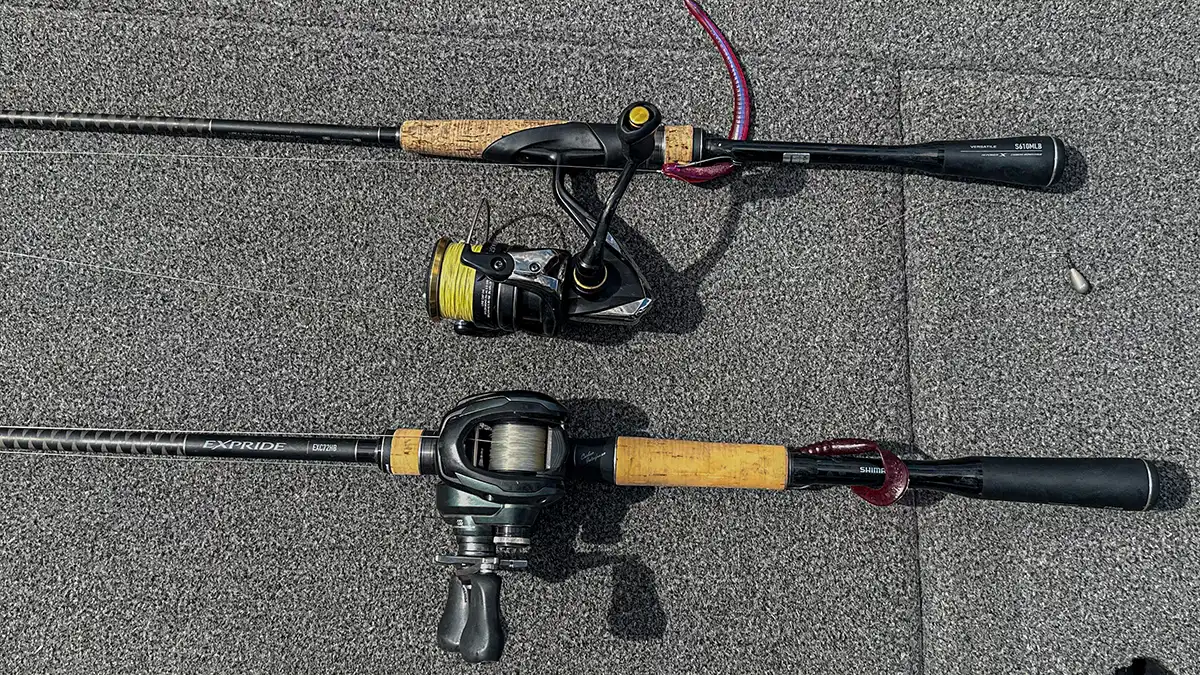
Choosing the right fishing rod can change your entire fishing experience. If you pick the right rod, you’ll catch more fish, enjoy your time more, and avoid frustration on the water. But with hundreds of rods on the market, each with different sizes, materials, and features, it’s easy to feel lost—especially if you’re new to fishing.
This guide will walk you through everything you need to know to make a smart choice. By the end, you’ll feel confident picking a rod that matches your fishing style, target fish, and budget.

36% off Today’s Exclusive Deals
Limited-time Exclusive Deals. Check current discount on Amazon.
Check Price on Amazon As an Amazon Associate I earn from qualifying purchases.Understanding The Basics Of Fishing Rods
Before you start comparing fishing rods, it helps to know the key parts and features that affect how a rod works. A fishing rod isn’t just a stick with a handle; it’s a carefully designed tool. Here’s what you need to know:
- Rod blank: The main shaft of the rod. This is what gives the rod its length and flexibility.
- Handle (grip): The part you hold. Handles can be made of cork, foam, or rubber.
- Reel seat: Where you attach the fishing reel.
- Guides (eyes): Rings along the rod that control the fishing line.
- Tip: The thin, flexible end of the rod. This is the most sensitive part and helps you feel bites.
Each part changes how the rod feels and performs. For example, a longer rod blank gives you more casting distance, while a sensitive tip helps you notice even the smallest fish bites.
What Type Of Fishing Will You Do?
The first step in picking a fishing rod is thinking about where and how you’ll fish. Not every rod works for every situation. Here are some common fishing types and what kind of rod fits best:
- Freshwater fishing: Lakes, rivers, and ponds. Most people use spinning or casting rods here.
- Saltwater fishing: Oceans, bays, or estuaries. Rods here need to be strong and corrosion-resistant.
- Fly fishing: Uses special fly rods and reels to cast light flies.
- Ice fishing: Short, sturdy rods for fishing through holes in the ice.
- Surf fishing: Long rods for casting far from the shoreline.
If you’re just starting, think about the places you’ll fish most often. For example, fishing in small lakes for bass needs a different rod than deep-sea fishing for tuna.
Main Types Of Fishing Rods
Let’s look at the main types of rods you’ll see in stores. Each has its strengths and is designed for certain fishing styles.
| Rod Type | Best For | Main Features |
|---|---|---|
| Spinning Rod | Beginners, versatile fishing | Easy to use, reel hangs below rod |
| Baitcasting Rod | Experienced anglers, accuracy | More control, reel sits on top |
| Fly Rod | Fly fishing in rivers/streams | Long, flexible, designed for lightweight flies |
| Telescopic Rod | Travel, portability | Collapsible, easy to carry |
| Surf Rod | Beach, surf fishing | Very long, strong, for long casts |
| Ice Fishing Rod | Ice fishing | Short, tough, fits small spaces |
Most beginners start with spinning rods because they’re simple and versatile. If you want better accuracy or plan to fish for larger species, you might try a baitcasting rod. Fly rods are for a special style and need a bit of practice.
Choosing The Right Rod Length
Rod length is one of the most important things to consider. It affects how far you can cast, how much control you have, and how you fight fish.
- Short rods (4–6 feet): Easier to handle, more accurate for short casts. Great for fishing in tight spots or from boats.
- Medium rods (6–7 feet): Good for most situations. Offers a balance between casting distance and control.
- Long rods (7–12+ feet): Cast farther, better for surf or shore fishing. Harder to control in small areas.
A common mistake is picking a rod that’s too long for your needs. Longer rods can feel heavy and awkward, especially for beginners. For most freshwater fishing, a rod between 6 and 7 feet is a safe choice.
Action And Power: What They Mean
Two terms you’ll often see are action and power. These are not the same, and both affect how the rod performs.
Action
Action describes where the rod bends when you put pressure on the tip.
- Fast action: Bends mostly at the tip. More sensitive, better for feeling bites and quick hook sets.
- Medium action: Bends in the upper half. Good for a balance of sensitivity and casting.
- Slow action: Bends throughout the rod. Better for casting light lures and fighting smaller fish.
Power
Power is how much force it takes to bend the rod. It’s often called “rod weight.”
- Ultra-light: For very small fish (panfish, trout).
- Light
- Medium-light
- Medium: Good for bass, walleye, and general use.
- Medium-heavy
- Heavy: Needed for big fish or heavy lures.
| Rod Power | Best For | Common Target Fish |
|---|---|---|
| Ultra-light | Small baits, light lines | Trout, bluegill |
| Light | Small lures, finesse techniques | Panfish, perch |
| Medium | All-around use | Bass, walleye, catfish |
| Heavy | Big lures, strong fish | Pike, muskie, saltwater species |
Non-obvious tip: Many beginners focus too much on power and ignore action. If you often miss fish or struggle to hook them, your rod’s action may be too slow for your target species.
Material Matters: Rod Construction
Fishing rods are made from different materials. The material affects weight, flexibility, price, and durability.
Fiberglass
- Strong, flexible, and affordable
- Heavier than other materials
- Good for beginners and rough use
- Less sensitive (harder to feel small bites)
Graphite
- Lightweight and sensitive
- Stiffer, so you feel more bites
- More expensive than fiberglass
- Can break if handled roughly
Composite
- Mix of fiberglass and graphite
- Offers both strength and sensitivity
- Good for anglers who want a balance
A non-obvious insight: Some anglers think graphite is always better, but if you’re fishing in tough places (like rocky rivers), a fiberglass or composite rod will last longer.
Handle And Grip: Comfort Counts
The handle is where you hold the rod, so comfort is key. Handles come in different materials:
- Cork: Light, comfortable, provides a good grip even when wet. More expensive but preferred by many.
- EVA foam: Durable, soft, resists wear and tear. Often found on budget rods.
- Rubber: Good for saltwater rods, easy to clean.
The shape matters too. Some handles are long for two-handed casting, while others are short for one-handed use. Try holding different rods in the store to see what feels best.
Matching Your Rod To Your Reel
The rod and reel work as a team. You can’t just use any reel with any rod—each type is designed for a certain kind of reel.
- Spinning rods: Built for spinning reels, with large guides and a reel seat underneath.
- Baitcasting rods: Designed for baitcasting reels, with smaller guides and the reel seat on top.
- Fly rods: Made for fly reels, with a special reel seat and no line guides except at the tip.
Using the wrong reel can make casting difficult and might even damage your rod. Always match the rod and reel type.

Line And Lure Weight Ratings
Every rod has a recommended line weight and lure weight. You’ll find these printed on the rod, usually near the handle.
- Line weight: The strength of fishing line the rod is designed for (e.g., 6–12 lbs).
- Lure weight: The range of lure sizes the rod can cast effectively (e.g., 1/8–3/4 oz).
Using a line or lure that’s too heavy can break your rod. Using too light a setup makes casting and fighting fish harder.
Here’s how typical line and lure ratings match to rod types:
| Rod Power | Line Weight (lbs) | Lure Weight (oz) |
|---|---|---|
| Ultra-light | 1–4 | 1/32–1/8 |
| Light | 4–8 | 1/16–1/4 |
| Medium | 8–14 | 1/4–3/4 |
| Heavy | 15–30+ | 1–4+ |
It’s a common beginner mistake to use a heavy line on a light rod, thinking it will prevent breakage. In reality, this can damage the guides and make casting difficult.
Portability And Storage
Think about how you’ll transport and store your rod. Some rods are one piece, while others come in two or more pieces.
- One-piece rods: Stronger, offer better sensitivity, but harder to carry and store.
- Two-piece or multi-piece rods: Easier to transport, especially for travel. Modern rods connect tightly, so you don’t lose much sensitivity.
Telescopic rods are a special option for travelers. They collapse down to a small size but can be less durable than traditional rods.

Budget: How Much Should You Spend?
Fishing rods come in all price ranges. You can get a basic rod for under $30, or spend $300 or more on a high-end model. Here’s what to expect at different price points:
- $20–$50: Good for beginners and kids. Simple, durable, but limited features.
- $50–$150: Better materials, more sensitive, longer lasting. Great for most anglers.
- $150+: High-end rods, specialized features, lightweight, very sensitive.
You don’t need to buy the most expensive rod, especially if you’re new to fishing. But avoid the cheapest rods—they often break easily and don’t perform well. A good starting point is a mid-range rod around $60–$100.
Non-obvious Factors Beginners Miss
Some factors aren’t obvious until you’ve spent time fishing. Here are two that many new anglers overlook:
- Balance: A rod should feel balanced in your hand when the reel is attached. If the tip feels too heavy or light, it’ll tire your wrist quickly.
- Guide quality: Cheap rods often use low-quality guides that wear out fast. Look for rods with ceramic or stainless-steel guides. These protect your line and improve casting.
Practical Tips For Choosing Your First Rod
If you’re new to fishing, these steps will help you avoid costly mistakes:
- Visit a local tackle shop: Staff can give advice and let you handle different rods.
- Ask about local fishing conditions: The best rod for a lake in Texas may not work for a river in Michigan.
- Try before you buy: Some stores let you test rods with reels attached.
- Don’t buy a “combo” blindly: Many starter rod-and-reel combos are fine, but some are poorly matched. Check the specs.
- Read reviews from real anglers: Look for feedback about balance, comfort, and durability.
Advanced Considerations For Experienced Anglers
If you’ve been fishing for a while and want to upgrade, consider:
- Rod taper: This refers to how the rod’s thickness changes from butt to tip. Faster tapers give more sensitivity.
- Custom rods: Some anglers have rods made for their exact needs.
- Specialty rods: For techniques like jigging, trolling, or crankbait fishing, specific rods will perform better.
These advanced features often matter most to those who fish often or target specific species.
Environmental And Ethical Considerations
Fishing rods are mostly made from synthetic materials. If you care about environmental impact, look for brands that use eco-friendly materials or support conservation efforts. Also, consider the durability of your rod—buying a quality product that lasts years is better for the environment than replacing cheap rods often.
For more on sustainable fishing gear and practices, visit the NOAA Fisheries page.
Frequently Asked Questions
What Size Fishing Rod Is Best For Beginners?
For most beginners, a 6–7 foot medium power spinning rod is best. This size works for a wide range of fish and is easy to cast. It’s short enough for control but long enough for distance.
Can I Use The Same Rod For Freshwater And Saltwater Fishing?
You can use some rods for both, but saltwater rods are made to resist corrosion. If you use a freshwater rod in the ocean, rinse it with fresh water after every trip to prevent damage.
How Do I Know If A Rod Is Balanced?
Attach your reel to the rod and hold it just above the handle. If the rod feels evenly balanced (not tip- or butt-heavy), it will be comfortable for long fishing sessions. An unbalanced rod can cause wrist fatigue.
Is A More Expensive Rod Always Better?
Not always. Expensive rods offer better sensitivity and lighter weight, but many mid-range rods work great for beginners and casual anglers. Focus on fit and comfort rather than price alone.
What’s The Best Rod For Catching Big Fish?
For large fish, look for a heavy power rod with fast action. This gives you the strength to handle big fish and the quick response to set the hook. Match the rod to the line and lure size you’ll use.
—
Choosing a fishing rod doesn’t have to be overwhelming. Start by thinking about where you’ll fish, what species you want to catch, and how much you want to spend. Pay attention to rod length, action, power, and material, but also look for good balance and quality guides.
If you use this guide as a roadmap, you’ll end up with a rod that feels just right in your hand—and that’s the key to a fun, successful day on the water.