

Massage guns have exploded in popularity over the last few years. You might see young athletes using them after workouts, or people turning to them for relief after long days at work. But what about seniors? As we age, muscle soreness, stiffness, and joint pain often become part of daily life.
Many older adults wonder if these vibrating devices can actually help—or if they might cause harm. The answer is not always simple. To find out if massage guns are good for seniors, let’s explore how they work, what science says, who should avoid them, and how to use them safely for maximum benefit.

36% off Today’s Exclusive Deals
Limited-time Exclusive Deals. Check current discount on Amazon.
Check Price on Amazon As an Amazon Associate I earn from qualifying purchases.How Massage Guns Work
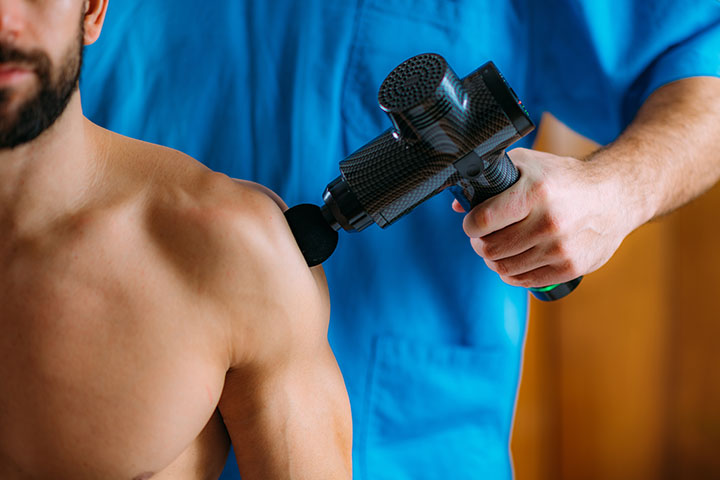
Massage guns, also called percussion massagers, deliver rapid bursts of pressure to the body. This pressure mimics a deep-tissue massage. The device uses a motor to move an attachment back and forth very quickly—often between 1,500 and 3,200 times per minute.
When placed on muscles, this vibration and movement help to stimulate blood flow, reduce tension, and sometimes ease pain.
The main idea behind massage guns is percussive therapy. This method is believed to help with:
- Breaking up muscle knots
- Improving circulation
- Speeding up recovery after activity
- Reducing delayed-onset muscle soreness
Some massage guns offer different speed settings and interchangeable heads. These features are designed to target different muscle groups and offer a range of intensities.
The Unique Needs Of Seniors
Aging bodies are not the same as younger ones. Seniors often face specific health challenges:
- Thinner, more fragile skin
- Reduced muscle mass
- Joint stiffness or arthritis
- Higher risk of bruising
- Slower healing times
These changes mean that what works for a 25-year-old athlete may not be suitable for a 70-year-old. Seniors must be careful about any new tool or therapy they try, including massage guns.
Potential Benefits Of Massage Guns For Seniors
Massage guns aren’t just for athletes. Many older adults have found relief and improved comfort using them. Here’s a closer look at the possible benefits:
1. Eases Muscle Tension
Stiff muscles are common as we get older. Regular use of a massage gun can help loosen tight spots, making movement easier and less painful. For seniors who struggle with morning stiffness or soreness after light activity, massage guns can offer quick relief.
2. Improves Blood Flow
Healthy blood circulation is important for seniors. It helps deliver nutrients, remove waste, and support healing. The vibrations from a massage gun can boost local blood flow, warming up muscles and supporting joint health.
3. Reduces Pain
Some seniors live with chronic pain from conditions like osteoarthritis or old injuries. Research shows that percussive massage can sometimes decrease pain signals in the body. While not a cure, it can be a helpful way to manage daily discomfort without medication.
4. Supports Mobility And Flexibility
With regular use, massage guns can help keep muscles and joints more flexible. This can make everyday activities—like walking, reaching, or getting out of bed—much easier.
5. May Aid Sleep
Good sleep can be hard to achieve as we age. Gentle massage before bed may help some seniors relax and fall asleep faster. The calming effect of muscle vibration can lower stress and signal the body to wind down.
6. Helps Recovery After Activity
Whether it’s gardening, walking, or light exercise, seniors can get sore from physical activity. A massage gun can be used after these activities to help muscles recover faster and reduce next-day soreness.
7. Boosts Mood And Wellbeing
Touch and massage have proven benefits for mental health. Using a massage gun, even for a few minutes, can release endorphins, lower stress, and improve overall mood.
What Science Says: Research On Massage Guns And Older Adults
While there’s plenty of research on massage therapy, fewer studies focus directly on massage guns—especially in seniors. However, several findings from related research are encouraging.
- Percussive therapy has been shown to increase range of motion and reduce muscle soreness in adults of all ages.
- A 2021 study in the Journal of Clinical Medicine found that percussive massage improved flexibility and reduced pain after exercise.
- Massage therapy in general has been linked to lower anxiety, better sleep, and improved quality of life in older adults.
That said, research specifically on the safety and effectiveness of massage guns for seniors is still limited. Most evidence is anecdotal or based on general massage therapy, not percussive devices.

When Massage Guns May Not Be Safe For Seniors
Massage guns are not for everyone. Some health conditions common in older adults make their use risky. Seniors should avoid using massage guns, or use them only with a doctor’s approval, if they have:
- Osteoporosis – Fragile bones can break easily. Intense vibration may increase this risk.
- Blood Clotting Disorders – Percussion can dislodge blood clots, which can be dangerous.
- Varicose Veins or Deep Vein Thrombosis – Vibrating these areas may cause harm.
- Recent Surgery or Injury – Healing tissues need time; massage guns can slow healing or cause bleeding.
- Skin Fragility or Bruising – Older skin can tear or bruise easily under pressure.
- Pacemakers or Implanted Devices – Strong vibrations may interfere with these devices.
- Uncontrolled High Blood Pressure – Vibration may cause spikes in blood pressure.
- Nerve Damage or Loss of Sensation – The user may not feel pain or injury from misuse.
It’s always best to check with a healthcare provider before starting any new therapy, especially if you have chronic conditions.
Choosing The Right Massage Gun For Seniors
Not all massage guns are created equal. Seniors have unique needs and should look for certain features:
Key Features To Consider
- Lightweight Design: Heavy devices can be hard to hold and use, especially for those with arthritis or weak grip.
- Quiet Operation: Loud devices can be uncomfortable for people sensitive to noise.
- Multiple Speed Settings: Gentle modes are better for older adults.
- Easy-to-Grip Handle: Non-slip handles prevent dropping and make use safer.
- Soft Attachment Heads: Softer heads are less likely to bruise or damage skin.
- Simple Controls: Complicated settings can be confusing or hard to adjust.
Example Comparison Of Massage Guns For Seniors
Here’s a look at how three popular models compare on features important to older adults:
| Model | Weight | Noise Level | Speed Settings | Soft Head Included | Ease of Use |
|---|---|---|---|---|---|
| Theragun Mini | 1.2 lbs | Quiet | 3 | Yes | Very Easy |
| Hypervolt Go 2 | 1.5 lbs | Very Quiet | 3 | Yes | Easy |
| RENPHO Mini | 1.0 lbs | Quiet | 5 | Yes | Very Easy |
For most seniors, lightweight and simplicity matter more than extra power or fancy features.
How To Use A Massage Gun Safely: Step-by-step
Safety comes first, especially for seniors. Here’s how to get started:
1. Talk To Your Doctor
Before using a massage gun, discuss it with your healthcare provider. This is important if you have any medical conditions or take medications that affect your skin, blood, or bones.
2. Read The Manual
Each device is a little different. Take time to understand how yours works, including how to change heads, adjust speeds, and turn it off quickly.
3. Start Slow And Gentle
Use the lowest speed setting first. Try the softest attachment. Test the gun on a non-sensitive area, like the upper thigh or shoulder.
4. Limit Session Time
Short sessions are best—start with 30 seconds to 1 minute per area. Don’t use the device on the same spot for too long.
5. Avoid Certain Areas
Never use a massage gun on bones, joints, the front of the neck, or areas with broken skin or swelling.
6. Watch For Signs Of Trouble
If you feel pain, numbness, dizziness, or see bruising, stop immediately.
7. Clean Attachments Regularly
This prevents skin irritation and infection.
Basic Routine Example For Seniors
A simple massage gun routine for an older adult might look like this:
- Calves: 30 seconds per leg
- Thighs: 30 seconds per leg
- Upper arms: 30 seconds per arm
- Shoulders: 30 seconds per side
This whole routine takes just 4 minutes and can be done daily or a few times per week.
Common Mistakes To Avoid
Beginners sometimes make errors that can lead to discomfort or injury. Here’s what to watch out for:
- Pressing Too Hard: Let the device do the work. Pressing down can bruise skin or damage tissue.
- Ignoring Pain: If it hurts, stop. Pain is not a sign that it’s working better.
- Using on Sensitive Areas: Avoid the spine, face, or near major blood vessels.
- Not Checking with a Doctor: Especially important for those with health concerns.
- Using for Too Long: Longer sessions don’t mean better results and can cause more harm than good.
Real-world Examples: Seniors And Massage Guns
Let’s look at some real stories from older adults who have tried massage guns:
Mary, 74, with arthritis:
Mary uses a massage gun on her thighs and calves after gardening. She says it helps reduce soreness and keeps her more flexible. Her doctor approved her routine, and she avoids using the device on her hands where her arthritis is most severe.
Frank, 68, recovering from knee surgery:
Frank’s physical therapist suggested a gentle massage gun routine for his upper leg muscles, not on the surgery site. He noticed less muscle tightness and found it easier to walk after sessions.
Linda, 80, with thin skin:
Linda tried a massage gun but found she bruised easily, even on the lowest setting. She stopped using it and now prefers gentle hand massage instead.
These stories highlight the importance of choosing the right settings and listening to your body.
Comparing Massage Guns To Other Massage Options
Massage guns are not the only way for seniors to get muscle relief. Here’s how they stack up against other options:
| Method | Cost | Ease of Use | Customizable | Best For |
|---|---|---|---|---|
| Massage Gun | Medium | Easy | Yes | Muscle tension, soreness |
| Foam Roller | Low | Moderate | Some | Large muscle groups |
| Professional Massage | High | Very Easy | Highly | Whole-body relaxation |
| Hand Massage | Low | Easy | Yes | Gentle relaxation |
Massage guns are convenient and effective for many, but they are not always better than gentle hand massage or professional therapy, especially for those with medical conditions.
Two Insights Beginners Often Miss
- Massage guns are not a replacement for medical care. Many seniors hope devices like these can fix chronic pain or serious conditions. They can help with comfort, but if pain is new, severe, or gets worse, always see a doctor.
- The right attachment and speed matter a lot. Using a hard head or fast speed can easily cause bruising in seniors. Soft, slow settings are almost always better for older adults, even if it feels less intense.
Practical Tips For Seniors Using Massage Guns
- Try before you buy. If possible, test a massage gun in a store or at a physical therapy clinic to find a comfortable model.
- Keep sessions short. Quality matters more than quantity.
- Don’t use on varicose veins or wounds. This can cause harm.
- Ask for help. If you have trouble reaching certain areas, a family member or caregiver can help—but only if they understand gentle use.
- Combine with light stretching. Massage works even better when paired with simple stretches.
When To See A Professional Instead
If you have complex health needs, or if you’re unsure about using a massage gun, professional therapy may be safer. A licensed massage therapist, physical therapist, or doctor can:
- Advise on safe use
- Create a custom plan
- Monitor for side effects
- Offer hands-on care if needed
For seniors living with chronic illness or recovering from surgery, this extra support is often worth the investment.
Where To Find More Information
For more research on massage therapy and its effects on older adults, the National Institutes of Health offers a deep dive into scientific studies.

Frequently Asked Questions
What Areas Should Seniors Avoid Using A Massage Gun On?
Seniors should avoid using massage guns on bony areas, the neck, the face, areas with thin or damaged skin, and anywhere near surgical implants or pacemakers. Avoid using on or near varicose veins or areas with swelling.
How Often Can A Senior Safely Use A Massage Gun?
Most seniors should limit use to once daily, with sessions of 1-2 minutes per muscle group. Gentle use is key. Overuse can cause bruising or irritation, especially with thin skin.
Can Massage Guns Help With Arthritis Pain?
Massage guns may provide temporary relief for sore muscles around arthritic joints, but they should not be used directly on the joint itself. Always use the lowest setting and check with your doctor before starting.
Are Massage Guns Safe For Seniors With Diabetes?
If you have diabetes, be extra careful. Poor circulation and nerve damage can make it hard to feel pain or injury. Always consult your healthcare provider before using a massage gun.
Do Massage Guns Replace Professional Massage Therapy?
No, massage guns are a helpful tool but not a replacement for professional care. They can supplement other therapies but should not be used as a substitute for medical advice or hands-on treatment from a licensed therapist.
A massage gun can be a valuable tool for some seniors, offering relief from muscle tension and improving comfort. But safety, gentle use, and medical guidance are essential. Used wisely, they can fit into a healthy routine—but they’re not right for everyone.
Always listen to your body and get advice from a healthcare professional before making massage guns a regular part of your self-care.

