

Water heaters are essential for daily comfort, especially when temperatures drop. The AO Smith Signature Water Heater is popular for its reliability and efficient performance. But like any appliance, it can face problems over time. This guide helps you troubleshoot common issues, understand error codes, and fix basic problems—without needing to call a plumber right away. You’ll find practical advice, simple explanations, and real examples to solve your water heater troubles. Whether you’re a homeowner or a renter, this article will make your troubleshooting process much easier.
Understanding Your Ao Smith Signature Water Heater
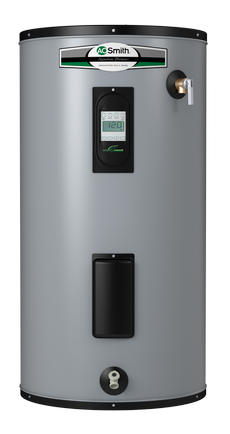
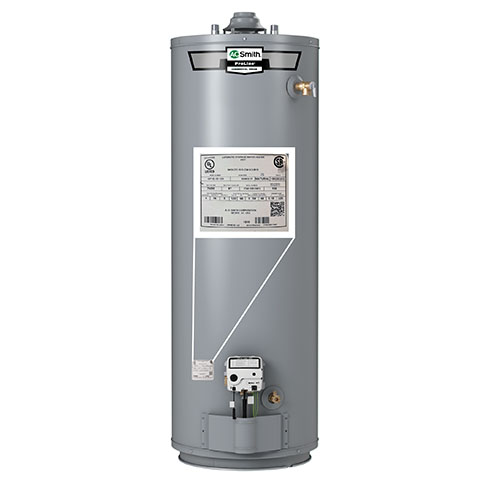
Before solving any problem, it’s important to know the basics of your AO Smith Signature model. These water heaters come in different types: electric, gas, and hybrid. Each has unique features, parts, and common issues.

36% off Today’s Exclusive Deals
Limited-time Exclusive Deals. Check current discount on Amazon.
Check Price on Amazon As an Amazon Associate I earn from qualifying purchases.Electric models use heating elements and thermostats. Gas models rely on burners, pilot lights, and gas valves. Hybrid models combine heat pump technology with traditional heating. Knowing your model type helps you understand which troubleshooting steps to follow.
Key Components
Some parts you’ll often deal with:
- Thermostat
- Heating element (electric)
- Pilot light and gas valve (gas)
- Pressure relief valve
- Dip tube
- Anode rod
Understanding these parts makes it easier to identify and fix problems.
Common Problems And Their Solutions
Water heater issues can range from minor to serious. Here’s a breakdown of the most frequent troubles and how to solve them.
No Hot Water
This is the most common complaint. The cause depends on your heater type.
Electric Models
- Tripped Breaker: Check your electrical panel. If the breaker is off, flip it back on.
- Faulty Heating Element: If the breaker is fine, the heating element may be burned out. You can test it with a multimeter. If it’s defective, replace it.
- Bad Thermostat: Sometimes, the thermostat fails. If you set the temperature but still get cold water, the thermostat could be the problem.
Gas Models
- Pilot Light Out: If the pilot light is off, relight it following AO Smith’s instructions.
- Gas Supply Issue: Make sure the gas valve is open. If you smell gas, leave the area and call your gas company.
- Thermocouple Problem: The thermocouple senses if the pilot is lit. If it’s broken, the burner won’t turn on.
Water Temperature Too Hot Or Too Cold
If your water is not the right temperature, it’s usually a thermostat issue. Adjust the thermostat dial. For electric models, there are usually two thermostats—top and bottom. Both should be set to the same temperature.
Recommended Setting: 120°F is ideal. It’s hot enough for comfort and safe from scalding.
Sometimes, sediment buildup in the tank makes the heater less efficient. Flushing the tank can help restore proper temperature.
Water Leaks
Leaks are serious. They can damage your home and waste energy.
Typical causes:
- Loose connections: Tighten fittings and valves.
- Faulty pressure relief valve: Replace if leaking.
- Tank corrosion: If the tank is leaking, replacement is often necessary.
Strange Noises
If you hear rumbling, popping, or hissing, it usually means sediment has built up in the tank. Flushing the tank once a year prevents this. Sometimes, loose heating elements or valves cause noise. Check and tighten as needed.
Low Hot Water Pressure
Low pressure can be frustrating. The most common cause is sediment clogging the pipes or valves. Flushing the tank and checking for blockages usually solves this.
Smelly Or Discolored Water
If your hot water smells bad or looks rusty, the anode rod may need replacement. This rod prevents rust and helps keep your water clean. If the water smells like rotten eggs, bacteria might be growing in the tank. Flushing and replacing the anode rod can fix this.
Error Codes And What They Mean
Modern AO Smith Signature models have digital displays and error codes. Knowing these codes saves time.
| Error Code | Meaning | Action |
|---|---|---|
| E01 | Thermostat Fault | Check and replace thermostat if needed |
| E02 | Heating Element Fault | Test and replace heating element |
| E03 | High Temperature | Lower thermostat setting |
| E04 | Low Water Pressure | Check valves and flush tank |
| E05 | Gas Valve Error (Gas Models) | Inspect gas valve, call technician if needed |
| E06 | Ignition Failure (Gas Models) | Relight pilot, check thermocouple |
Many codes are resolved by resetting the unit or checking the relevant part. If the code persists, consult the manual or contact AO Smith support.
Step-by-step Troubleshooting
Let’s walk through how to solve the most frequent AO Smith Signature water heater problems. Simple steps can save time and money.
Electric Water Heater: No Hot Water
- Check Power Supply
- Ensure the heater is plugged in.
- Inspect the circuit breaker. Reset if tripped.
- Test Heating Elements
- Turn off power at the breaker.
- Remove access panels and insulation.
- Use a multimeter to check resistance. Replace if faulty.
- Inspect Thermostat
- With the power off, remove the cover.
- Test for continuity. If it fails, replace the thermostat.
Gas Water Heater: No Hot Water
- Check Pilot Light
- Remove the access cover.
- Follow AO Smith’s instructions to relight.
- Inspect Thermocouple
- If the pilot won’t stay lit, the thermocouple may be faulty. Replace it if needed.
- Check Gas Supply
- Make sure the gas valve is open. If you suspect a leak, call your gas company.
Adjusting Water Temperature
- Locate Thermostat
- For electric models, find the thermostat behind access panels.
- For gas models, use the temperature dial on the gas valve.
- Set to Desired Temperature
- Recommended: 120°F.
- For safety, never set above 140°F.
Fixing Leaks
- Identify Leak Source
- Check connections, valves, and the tank.
- Tighten or Replace
- Tighten loose fittings.
- Replace faulty pressure relief valve.
- If the tank is leaking, plan for replacement.
Flushing The Tank
Sediment buildup is a hidden problem. Flushing extends your heater’s life.
Steps:
- Turn off power/gas.
- Close cold water supply.
- Attach garden hose to drain valve.
- Open drain valve and let water flow into a bucket.
- Once empty, briefly turn on cold water to flush out sediment.
- Close drain valve, remove hose, refill tank, and restore power/gas.
Tip: Do this once a year for best performance.
Replacing The Anode Rod
The anode rod protects your tank from rust. If your water smells or looks bad, replace it.
- Turn off power/gas and water supply.
- Drain a few gallons from the tank.
- Find the anode rod on top.
- Use a socket wrench to remove.
- Insert new rod and tighten.
Comparing Ao Smith Signature Models
Choosing the right water heater affects how often you’ll need to troubleshoot. Here’s a quick comparison of key AO Smith Signature models:
| Model | Type | Capacity (Gallons) | Energy Efficiency | Warranty (Years) |
|---|---|---|---|---|
| Signature 100 | Electric | 40 | 0.92 | 6 |
| Signature 300 | Gas | 50 | 0.67 | 12 |
| Signature Hybrid | Hybrid/Electric | 50 | 3.45 (Heat Pump) | 10 |
Higher efficiency means lower energy bills. Longer warranties are better for peace of mind.
Maintenance Tips To Prevent Problems
Regular maintenance is the best way to avoid troubleshooting. Here are practical tips:
- Flush the tank yearly to remove sediment.
- Check pressure relief valve every six months.
- Inspect connections and fittings for leaks.
- Test heating elements and thermostats annually.
- Replace anode rod every 3–5 years.
These steps extend your heater’s life and keep it running smoothly.
When To Call A Professional
Some problems need expert help. If you find:
- Major leaks from the tank
- Repeated error codes
- Gas smell
- Electrical issues you can’t solve
Call a licensed technician. Safety is always more important than saving money.
Real-life Troubleshooting Example
Let’s look at a practical scenario. John, a homeowner, noticed his AO Smith Signature electric water heater was not producing hot water.
He checked the breaker—it was on. Next, he opened the access panel and tested the heating elements. The bottom element showed no continuity. He replaced it, restored power, and soon had hot water again.
Insight: Many beginners skip testing elements and go straight to replacing the whole heater. Often, a small part fixes the issue.
Common Beginner Mistakes
- Ignoring error codes: Many people don’t check the digital display. Always note the code before troubleshooting.
- Not turning off power/gas: Safety first. Always shut off before opening panels.
- Forgetting to flush the tank: Sediment can cause several issues. Yearly flushing is vital.
- Setting thermostat too high: Higher temperatures waste energy and risk scalding.
Water Heater Troubleshooting Data
Here’s a quick data summary of problems and their frequency (based on US consumer reports):
| Problem | Percentage of Cases | Typical Solution |
|---|---|---|
| No hot water | 38% | Check breaker, heating elements, pilot light |
| Leaks | 21% | Tighten connections, replace valves, tank replacement |
| Strange noises | 17% | Flush tank, check heating elements |
| Smelly/discolored water | 12% | Replace anode rod, flush tank |
| Error codes | 12% | Reset unit, replace faulty parts |
Non-obvious Insights
- Tank Size Matters: If your household uses a lot of hot water, an undersized tank will run cold often. Choose a water heater with the right capacity for your needs.
- Hard Water Accelerates Problems: Areas with hard water cause faster sediment buildup. If you live in such a region, flush your tank twice a year instead of once.
Frequently Asked Questions
What Does The E01 Error Code Mean On My Ao Smith Signature Water Heater?
The E01 code signals a thermostat fault. Check the thermostat and wiring. If the thermostat is defective, replace it. Always turn off power before inspecting.
How Often Should I Flush My Ao Smith Signature Water Heater?
For most homes, flushing once a year is enough. If your area has hard water, do it every six months. This prevents sediment buildup and keeps your heater efficient.
Why Is My Water Heater Making Popping Noises?
Popping noises usually mean there is sediment at the bottom of the tank. Flushing removes sediment and stops the noise. If the sound continues, check heating elements for damage.
Can I Replace The Anode Rod Myself?
Yes, replacing the anode rod is a DIY task for most homeowners. Turn off power/gas, drain some water, use a wrench to remove the old rod, and install the new one. If you’re not comfortable, call a technician.
What Should I Do If My Water Heater Is Leaking From The Tank?
If the leak is from the tank itself, the internal lining is likely damaged. Repairs are usually not possible, so plan to replace the water heater. If leaks are from valves or fittings, tightening or replacing those parts may solve the issue.
Final Thoughts
Troubleshooting your AO Smith Signature water heater doesn’t have to be stressful. With clear steps and basic tools, most problems can be solved at home. Remember to check error codes, flush the tank regularly, and choose the right model for your needs. Safety is essential—turn off power or gas before any repair. If you face complex issues, don’t hesitate to seek help from a professional.
For official support and detailed manuals, visit the AO Smith website or consult ENERGY STAR for more information on water heater efficiency and maintenance.
With these tips, your water heater will provide reliable hot water for years to come. Stay proactive, and you’ll avoid most troubleshooting headaches.

