

The Mr Heater Portable Buddy is a popular choice for people who need reliable heat when camping, working in a garage, or dealing with emergencies. It’s known for its ease of use and solid safety features. But like any device, problems can happen.
When your Portable Buddy heater won’t start, keeps shutting off, or produces weak heat, frustration can set in fast. Understanding how to troubleshoot these issues can save you time, money, and even prevent unsafe situations. This guide walks you through common problems, step-by-step fixes, expert tips, and important safety reminders.

36% off Today’s Exclusive Deals
Limited-time Exclusive Deals. Check current discount on Amazon.
Check Price on Amazon As an Amazon Associate I earn from qualifying purchases.Whether you’re a beginner or someone who has used Buddy heaters for years, you’ll find practical advice and insights here to get your heater working again.
Understanding Mr Heater Portable Buddy
The Portable Buddy is a compact propane heater. It’s designed for indoor and outdoor use, with built-in safety features like tip-over protection and low oxygen shut-off. Its output ranges from 4,000 to 9,000 BTU, which can heat small spaces quickly. The heater connects to a 1-pound propane cylinder or, with an adapter hose, a larger tank.
Knowing how your heater works helps with troubleshooting. When you press the igniter, it creates a spark. Gas flows from the propane cylinder to the burner, ignites, and produces heat. If any part fails, the heater won’t work as intended.
The safety sensors are always monitoring for low oxygen or tip-over. If triggered, they cut the gas to prevent accidents.
Many people choose the Portable Buddy because it’s simple to set up and move. You can carry it easily, and switching between small cylinders and a large tank is quick. But some new users are surprised by how sensitive the safety features can be—just a bump or a small draft can shut it off.
Understanding these design choices helps avoid confusion and makes troubleshooting more effective.
Mr Heater Portable Buddy At A Glance
Here’s a quick data comparison of the Portable Buddy versus similar heaters:
| Feature | Portable Buddy | Little Buddy | Big Buddy |
|---|---|---|---|
| Heat Output (BTU) | 4,000–9,000 | 3,800 | 4,000–18,000 |
| Fuel Type | Propane | Propane | Propane |
| Safety Features | Tip-over, Low Oxygen | Tip-over, Low Oxygen | Tip-over, Low Oxygen |
| Weight | 9.5 lbs | 5 lbs | 17 lbs |
| Max Run Time (1 lb tank) | 3–5 hrs | 5.5 hrs | 2 hrs (high) |
If you need to heat a large tent or garage, the Big Buddy may be better, but for portability and easy storage, the Portable Buddy is a favorite.
Common Problems With Mr Heater Portable Buddy
Most issues with the Portable Buddy fall into a few categories. Understanding these helps you pinpoint the cause faster.
- Heater won’t ignite
- Heater shuts off after a few seconds
- Weak or uneven heat output
- Propane smell or leaks
- Igniter not sparking
- Pilot light won’t stay lit
- Error lights or blinking indicators
Some problems are simple to fix, while others require careful inspection or replacing parts. For example, a weak flame may just need a quick cleaning, while a persistent propane smell could mean a serious leak. Knowing which issue fits which problem saves time and helps you avoid unnecessary part replacements.
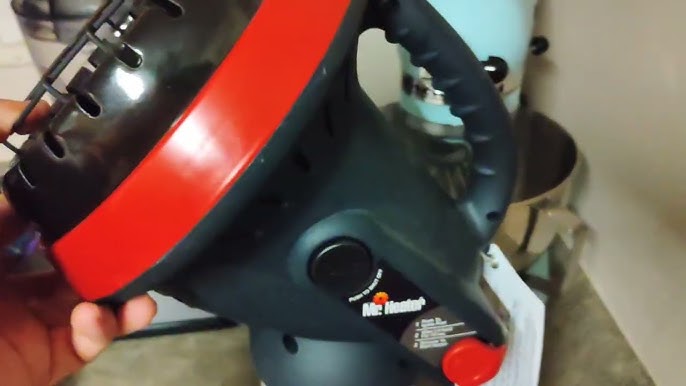
Troubleshooting: Heater Won’t Ignite
A heater that won’t ignite is the most common issue. It’s usually caused by:
- Empty propane cylinder
- Faulty igniter
- Blocked pilot tube
- Loose connections
Sometimes, the problem is as simple as not turning the control knob far enough to the pilot position before pressing the igniter. Beginners often miss this step and think the heater is broken.
Step-by-step Fix
- Check propane supply: Is the cylinder empty or improperly attached? Replace or tighten as needed. If using a large tank, check the adapter hose for kinks.
- Inspect igniter: Press the igniter and look for a visible spark. If no spark, the igniter may need cleaning or replacement.
- Clean pilot tube: Dust, spider webs, or debris can block the pilot tube. Use compressed air or a thin wire to gently clear it. Don’t use sharp objects that could damage the tube.
- Check connections: Ensure all gas fittings are tight and secure.
Practical Tip
Many beginners miss that propane cylinders can freeze or lose pressure in cold weather. If your heater won’t start, try warming the cylinder slightly (not with open flame). Also, always check for a clicking sound when pressing the igniter—no sound means the igniter is likely faulty.
If you use your heater at high altitudes, lower oxygen can also make ignition harder. Lighting the heater in a more sheltered spot, then moving it, can help.
Troubleshooting: Heater Shuts Off Suddenly
If your heater shuts off after running for a short time, the problem is often linked to safety features.
- Low oxygen sensor activation
- Tip-over safety trigger
- Faulty thermocouple
Sometimes, even a slight vibration from walking nearby can trigger the tip-over sensor, especially on uneven surfaces.
Step-by-step Fix
- Check placement: Is the heater on a flat surface? Slanted or unstable placement will trigger shut-off. Double-check if the floor is solid and steady.
- Ventilation: Use the heater in a well-ventilated space. Poor airflow can activate the low oxygen sensor.
- Clean thermocouple: Dust or residue on the thermocouple can cause false shut-off. Gently clean with a soft cloth.
- Inspect sensor wires: Loose or broken wires can interrupt safety circuits. Wiggle each wire gently to check for loose connections.
Example
If your heater works outdoors but shuts off inside, it’s likely a ventilation issue. Open a window or door slightly and try again. Some users also notice the heater runs fine early in the evening, then shuts off as more people enter the space.
More people means more oxygen is used, so ventilation becomes even more important.
Troubleshooting: Weak Or Uneven Heat Output
Low heat can be frustrating, especially in cold environments. Causes include:
- Partially blocked burner
- Low propane pressure
- Wrong fuel type
- Dirty regulator
Sometimes, the problem is a nearly empty propane cylinder—it might have enough gas to light, but not enough pressure for strong heat.
Step-by-step Fix
- Check burner for debris: Clean any dust, rust, or spider webs. You can use a soft brush or compressed air.
- Inspect propane cylinder: Ensure it’s full and not too cold. If the tank feels icy, let it warm up indoors (away from flames).
- Check regulator: Unscrew regulator and clean any visible dirt. Don’t soak it in water; just wipe and use air.
- Confirm fuel type: Only use clean, approved propane. Using butane or a mix can cause poor performance.
Comparison Table: Heat Output Factors
| Cause | Effect on Heat | Fix |
|---|---|---|
| Blocked Burner | Weak/uneven heat | Clean burner |
| Low Propane Pressure | Weak heat | Replace cylinder |
| Dirty Regulator | Inconsistent heat | Clean regulator |
| Wrong Fuel | No heat | Use approved propane |
Non-obvious Insight
Many users don’t realize that using a larger propane tank with an old or dirty hose can cause weak heat. Always check hoses for cracks and replace if needed. Even a small leak or kink in the adapter hose can drop the pressure enough to give you a weak flame.
Troubleshooting: Propane Smell Or Leaks
Safety is critical. If you smell propane, act immediately.
Step-by-step Fix
- Turn off heater: Shut it down and disconnect the propane cylinder.
- Check connections: Inspect all fittings for tightness. Don’t forget to check both ends of the adapter hose if using a large tank.
- Use soapy water: Apply soapy water to connections—bubbles mean a leak.
- Replace damaged parts: If hoses or regulators are cracked, replace them.
Example
If you notice a smell after changing cylinders, double-check the O-ring on the connector. It should be intact and free of debris. Sometimes, a missing or damaged O-ring causes tiny leaks that are hard to notice until the room fills with the smell.
Safety Reminder
Never use the heater if you suspect a leak. Propane is highly flammable. If unsure, contact a professional or Mr Heater support. Don’t use tape or homemade fixes on gas lines—only use certified parts.
Troubleshooting: Igniter Not Sparking
The igniter is a small but essential part. If it fails, you won’t get a flame.
Step-by-step Fix
- Check battery (if electric): Some models use a battery for ignition. Replace if needed.
- Clean igniter tip: Dust or soot can block the spark. Use a soft brush, not sandpaper, to avoid damaging the tip.
- Check wire connections: Loose or broken wires stop the spark. Make sure all wires are tightly connected.
- Replace igniter: If still not working, order a replacement part. Igniters are affordable and easy to swap with basic tools.
Practical Example
If you hear the click but see no spark, try cleaning the area around the igniter with compressed air. Sometimes a small bit of soot is enough to block the spark. Also, check for moisture—if the heater was stored in a damp place, dry it out before trying again.
Troubleshooting: Pilot Light Won’t Stay Lit
The pilot light is critical for starting the heater and keeping it running. If it won’t stay lit:
- Thermocouple may be dirty or misaligned
- Gas flow may be restricted
A bent thermocouple can miss the pilot flame, so always check its position if the pilot keeps going out.
Step-by-step Fix
- Clean thermocouple: Use a soft brush to remove dust. Don’t bend or scratch it.
- Check alignment: The flame should touch the thermocouple tip directly. Adjust gently if needed.
- Inspect gas flow: Make sure propane is flowing freely. Listen for hissing or feel for cold gas.
- Replace thermocouple: If cleaning doesn’t help, a new part may be needed.
Example
If the pilot lights but goes out when you release the knob, the thermocouple isn’t getting enough heat. Adjust or clean it. Sometimes a draft can blow the flame away from the thermocouple, so try shielding the heater from wind.
Troubleshooting: Error Lights Or Indicators
Some Portable Buddy models have error lights or blinking indicators. These are meant to help you quickly find the problem, but can be confusing if you lose the manual.
Step-by-step Fix
- Check manual: Error codes are explained in the manual. Look for the specific blink pattern.
- Reset heater: Turn off and restart after a few minutes. Unplug and replug if needed.
- Inspect sensors: Clean and check connections. Dust can cover sensors and trigger false errors.
- Contact support: For persistent errors, reach out to Mr Heater.
If you lose the manual, you can often find a digital copy on the manufacturer’s website.
Maintenance Tips For Reliable Operation
Regular maintenance prevents most problems. Here’s what you should do:
- Inspect and clean burner, pilot tube, and thermocouple monthly. Use compressed air or a soft brush.
- Check hoses for cracks or leaks—especially before each season.
- Use only approved propane cylinders. Old or rusty tanks can contaminate your heater.
- Store heater in a dry place to avoid rust and corrosion.
- Run the heater outside for a few minutes to burn off dust before indoor use.
Example
A yearly deep clean can extend the life of your heater. Use compressed air, soft brushes, and check all safety features. It’s also a good time to check for spider webs or insects, which love the warmth of unused heaters.
Many users forget to clean their heater after summer storage, leading to dust build-up and ignition problems the next winter. Making a quick checklist at the end of each season can help you remember.

Advanced Troubleshooting: When To Replace Parts
Some issues require part replacement. Here are signs:
- Igniter doesn’t spark after cleaning
- Thermocouple doesn’t work after cleaning and realignment
- Regulator is cracked or leaking
- Hose shows visible wear
For frequent users, keeping spare parts on hand can save time—especially if you camp or work in remote areas where stores are far away.
Table: Common Parts And Lifespan
| Part | Typical Lifespan | Replace When |
|---|---|---|
| Igniter | 2–4 years | No spark after cleaning |
| Thermocouple | 3–5 years | Pilot won’t stay lit |
| Regulator | 5–7 years | Leaks or cracks |
| Hose | 5–10 years | Visible wear |
If you use your heater in very cold or dusty environments, expect parts to wear faster. Always use manufacturer-approved replacements for safety.
Safety Reminders And Mistakes To Avoid
Safety should always be your priority. Here are common mistakes to avoid:
- Using heater in sealed rooms (risk of carbon monoxide)
- Ignoring propane smell
- Using damaged hoses or cylinders
- Skipping regular cleaning
- Attempting repairs without proper tools
Non-obvious Insight
Some users place the heater too close to combustible materials. Always keep it at least three feet away from anything flammable. Double-check for curtains, sleeping bags, or paper that might be nearby.
Even if the heater has a tip-over sensor, it can’t detect heat build-up on nearby objects, so always give it space. Never leave the heater running unattended, even for a short break.

Expert Tips For Better Performance
- Always warm propane cylinders in cold weather for best performance (use warm water, never open flame)
- Use the heater outside first to burn off dust after storage
- Check O-rings on connectors—worn O-rings cause leaks and weak flames
- Keep a spare thermocouple and igniter handy, especially for frequent use
- Rotate your propane cylinders to use the oldest ones first and avoid stale gas
If you plan to use the heater for many hours, choose a larger tank and a high-quality adapter hose. This reduces the need to swap out cylinders and avoids heat loss from frequent handling.
When To Seek Professional Help
If your heater has persistent issues after troubleshooting, it’s time to contact Mr Heater support or a qualified technician. Don’t try to force repairs if:
- There’s a strong propane smell you can’t fix
- Heater fails all troubleshooting steps
- You notice burn marks, melted parts, or unusual noises
Trying to fix gas leaks or damaged components without proper skills can be dangerous. Professionals have the right tools to test for leaks and check sensors.
Frequently Asked Questions
Why Does My Portable Buddy Heater Shut Off After A Few Minutes?
This is usually caused by low oxygen sensor activation or poor ventilation. Ensure your room is ventilated, and check that the heater is on a flat surface. Clean the thermocouple if needed. If the problem happens only when the weather is very cold or humid, check for moisture buildup on the sensors.
How Can I Clean The Pilot Tube And Burner Safely?
Turn off and cool the heater. Use compressed air or a thin wire to gently clear the pilot tube. For the burner, remove dust with a soft brush. Avoid water or harsh chemicals. Wear gloves to protect your hands from sharp edges.
What Is The Best Propane Cylinder For Mr Heater Portable Buddy?
Use only approved 1-pound propane cylinders or a larger tank with a certified adapter hose. Avoid off-brand or damaged cylinders. For long run times, a 20-pound tank is more cost-effective. Always inspect the connection points for dirt or rust before attaching a new cylinder.
Is It Safe To Use The Heater Indoors?
Yes, but only in well-ventilated spaces. The heater has a low oxygen shut-off, but always crack a window or door. Never use in sealed rooms or small spaces without airflow. Keep a working carbon monoxide detector nearby for extra safety.
Where Can I Find Replacement Parts For My Heater?
Buy parts from the official Mr Heater website or trusted retailers. Avoid used or uncertified parts. For more info, visit the Mr Heater official site.
Getting your Mr Heater Portable Buddy working again is often simple with the right troubleshooting steps. Check connections, clean parts, and always prioritize safety. With regular maintenance and attention to detail, your heater will provide reliable warmth for years. If problems persist, don’t hesitate to seek professional help—your comfort and safety are worth it.

