

Troubleshooting Reddy Heater: A Complete Guide
Reddy Heaters are popular for their ability to quickly warm spaces like garages, workshops, and construction sites. But even the best portable heaters can break down or struggle to work properly. When your Reddy Heater stops heating or starts acting strangely, it’s easy to feel lost.
Many people think they need a professional right away, but most issues can be fixed with basic troubleshooting.

36% off Today’s Exclusive Deals
Limited-time Exclusive Deals. Check current discount on Amazon.
Check Price on Amazon As an Amazon Associate I earn from qualifying purchases.Learning how to diagnose and solve problems with your Reddy Heater saves money, time, and stress. This guide explains the most common issues, step-by-step solutions, and practical advice that goes beyond the basics. By the end, you’ll know how to get your heater working safely again—and understand why simple maintenance matters.
How Reddy Heaters Work
Before fixing problems, it helps to know how these heaters function. Reddy Heaters are mainly forced air kerosene heaters, but some models use propane or diesel. They work by drawing fuel from a tank, mixing it with air, and igniting it to create hot air. A fan pushes this air into the room.
Key parts include:
- Ignition system: Starts the flame.
- Fuel system: Delivers kerosene (or other fuel) to the burner.
- Fan: Distributes heated air.
- Safety sensors: Shut off the heater if something goes wrong.
If any part fails, the heater might not start, stop heating, or shut off unexpectedly.
Common Problems And Symptoms
Reddy Heaters rarely fail without warning. Most issues show clear symptoms. Understanding these helps you find the right fix quickly.
- Heater won’t start: Nothing happens when you turn it on.
- Heater starts but shuts off: Runs for a few seconds, then stops.
- Low heat output: Air is warm, not hot; room doesn’t warm up.
- Smoke or strong odor: Heater produces visible smoke or smells bad.
- Fan not working: Flame starts, but air isn’t pushed out.
- Unusual noises: Clicking, buzzing, or rattling sounds.
- Flame flickers or goes out: Flame isn’t steady, or goes out often.
Each symptom points to a different cause. Let’s break down how to diagnose and fix these problems.
Step-by-step Troubleshooting
Heater Won’t Start
If your Reddy Heater won’t start, check these areas first:
- Power supply: Make sure the heater is plugged in and the outlet works. Test with another device.
- Switches and controls: Confirm the power switch is ON and the thermostat is set above room temperature.
- Fuel level: Check if there’s enough kerosene or propane in the tank.
- Safety reset: Many heaters have a reset button—press it and try again.
If the heater still won’t start:
- Inspect the fuse or circuit breaker.
- Look for loose wires or damaged connectors.
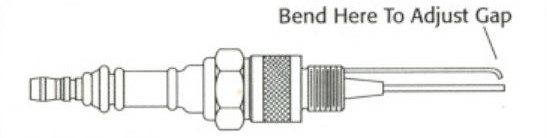
- Check the ignition system (spark plug or igniter).
A common mistake is ignoring the fuel type. Using the wrong fuel (like diesel instead of kerosene) can prevent ignition.
Heater Starts Then Shuts Off
This is often a sign of a safety sensor problem or fuel supply issue.
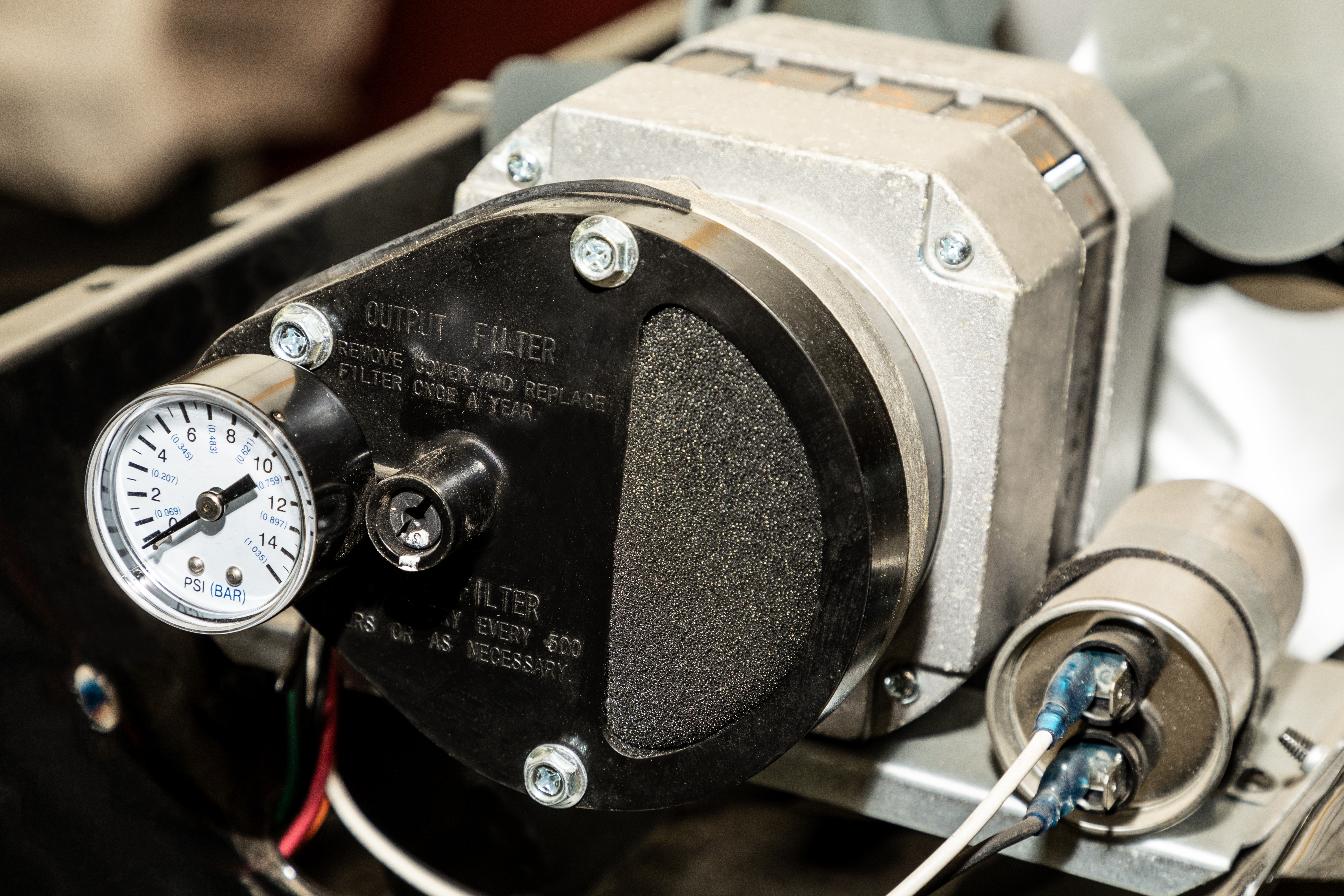
- Air pressure: Forced air heaters need correct air pressure to spray fuel. Check the air filter and hose for blockages.
- Flame sensor: If the heater doesn’t detect a flame, it shuts off. Clean the sensor with a soft cloth.
- Fuel filter: Dirty filters block fuel flow. Replace or clean them regularly.
- Thermostat: A faulty thermostat can signal the heater to turn off too soon.
Tip: Don’t overlook the photocell sensor. It detects flame. If dirty or misaligned, the heater thinks the flame is out—even if it’s burning.
Low Heat Output
If your heater isn’t producing enough heat:
- Fuel quality: Old or contaminated kerosene burns poorly. Use fresh, high-quality fuel.
- Nozzle: The burner nozzle can clog with residue. Remove and clean it.
- Fan speed: Slow fans don’t move enough air. Lubricate or replace the fan if needed.
- Air intake: Dust and debris block air. Clean the intake grill and fan blades.
Many beginners forget that low heat can be caused by low voltage. If using an extension cord, make sure it’s heavy-duty and short to prevent voltage drop.
Smoke Or Strong Odor
Smoke or odor usually means incomplete combustion.
- Wrong fuel: Only use approved fuel. Mixing fuels increases smoke.
- Clogged nozzle: Clean the burner nozzle and fuel lines.
- Dirty combustion chamber: Clean out soot and carbon buildup.
- Improper air/fuel mix: Adjust the air pressure according to the manual.
Example: If you see blue smoke, it’s likely unburned fuel. White smoke often means water in the kerosene.
Fan Not Working
If the flame starts but the fan isn’t moving air:
- Fan motor: Listen for humming. If silent, the motor may be burned out.
- Obstructions: Look for objects blocking the fan blades.
- Wiring: Check for loose or broken wires to the fan.
A common mistake is assuming the fan is broken when it’s just dirty. Dust buildup can slow or stop the fan.
Unusual Noises
Clicking, buzzing, or rattling sounds often mean mechanical or electrical trouble.
- Loose screws: Tighten any loose parts.
- Fan blade imbalance: Adjust or replace bent blades.
- Ignition system: Clicking can mean the igniter is struggling.
Tip: If you hear buzzing, check the transformer. It may be failing.
Flame Flickers Or Goes Out
Flickering flames point to air or fuel supply issues.
- Air leaks: Check hoses and seals for cracks.
- Fuel filter: Replace if clogged.
- Nozzle: Clean or replace.
- Photocell sensor: Clean and align.
If your heater is outdoors, wind can cause flickering. Always shield the unit from drafts.
Maintenance Tips For Long-term Reliability
Regular maintenance is the best way to prevent problems. Here’s what you should do:
- Clean air filters monthly.
- Replace fuel filters every season.
- Inspect and clean burner nozzles.
- Check fan blades for dirt and balance.
- Test safety sensors.
- Store heater in a dry place.
Many people skip cleaning the air intake, thinking it’s not important. In reality, dust buildup can cause many issues, including poor ignition and overheating.
Reddy Heater Error Codes And What They Mean
Some newer Reddy Heater models display error codes to help with troubleshooting. Understanding these codes can save time.
| Error Code | Meaning | Recommended Action |
|---|---|---|
| E1 | No ignition | Check spark plug and fuel supply |
| E2 | Flame sensor fault | Clean or replace photocell sensor |
| E3 | Low air pressure | Check air filter and hoses |
| E4 | Overheat | Let heater cool, check thermostat |
Not all models have error codes, so always check your user manual first.
Comparing Reddy Heater Models: Troubleshooting Ease
Different Reddy Heater models have unique features. Some are easier to fix than others. Here’s a quick comparison:
| Model | Fuel Type | Common Issues | Troubleshooting Difficulty |
|---|---|---|---|
| Reddy Heater Pro Series | Kerosene | Sensor faults, air leaks | Moderate |
| Reddy Heater Master Series | Propane | Ignition failure, gas leaks | Easy |
| Reddy Heater Classic | Kerosene/Diesel | Fuel filter clogs, fan issues | Hard |
Tip: Choose a model with easy-access parts if you plan to fix it yourself.

Tools And Parts Needed For Troubleshooting
Having the right tools makes fixing your heater easier. Here’s what you’ll need:
- Screwdriver set
- Pliers
- Multimeter
- Soft brush or cloth
- Replacement filters
- Spark plug wrench
- Lubricant
Many beginners skip the multimeter. It’s crucial for testing electrical parts like sensors and switches.
Parts to keep handy:
- Fuel filters
- Ignition spark plugs
- Photocell sensors
- Fan motors
Buying parts from authorized suppliers avoids compatibility issues.
Practical Troubleshooting Examples
Let’s look at two real-world scenarios to make troubleshooting clearer.
Example 1: Heater Shuts Off After 10 Seconds
A workshop owner finds his Reddy Heater starts, but shuts off after 10 seconds.
Diagnosis:
- Checked fuel level—OK.
- Cleaned air filter—no change.
- Inspected photocell sensor—found dust buildup.
Solution:
- Cleaned photocell with a soft cloth.
- Heater ran continuously.
Insight: Many users forget that the photocell sensor is sensitive to dust. Even a thin layer can cause shutdown.
Example 2: Low Heat And Smoke
A homeowner’s heater produces smoke and warms the room very slowly.
Diagnosis:
- Fuel was old—stored for six months.
- Burner nozzle had carbon buildup.
- Air intake was dirty.
Solution:
- Replaced with fresh kerosene.
- Cleaned burner nozzle.
- Cleared air intake.
Result: Heat output increased, smoke disappeared.
Insight: Using fresh fuel is more important than many realize. Old kerosene loses effectiveness and produces more smoke.
Safety Precautions
Safety should always come first. Reddy Heaters can be dangerous if not used properly.
- Never use indoors without ventilation.
- Don’t use gasoline or other unapproved fuels.
- Keep heater away from flammable materials.
- Check for gas leaks before use.
- Install a carbon monoxide detector if using indoors.
A mistake beginners make is ignoring ventilation. Even a small space needs airflow to prevent carbon monoxide buildup.
When To Call A Professional
Some problems need expert help, especially if:
- Electrical parts are burned or melted.
- Strong gas odor persists after troubleshooting.
- Heater makes loud banging noises.
- You can’t find replacement parts.
Trying to fix serious electrical or gas issues without training can be risky. If you’re unsure, call a certified technician.
Troubleshooting Tips For Extreme Weather
Cold weather can cause extra problems:
- Fuel thickening: Kerosene thickens in freezing temps. Store fuel indoors.
- Condensation: Water can enter tanks. Keep tanks tightly sealed.
- Voltage drops: Use short, heavy-duty extension cords.
Many users miss the importance of fuel temperature. If kerosene is too cold, it won’t atomize properly, leading to poor ignition and low heat.
Keeping Your Heater Efficient
Efficiency matters for saving fuel and money.
- Clean filters and nozzles regularly.
- Use only recommended fuel.
- Store heater and fuel in dry, cool places.
- Check air pressure once a month.
Tip: Record heater use and maintenance dates. This makes it easier to spot patterns and prevent breakdowns.
Troubleshooting Checklist
Here’s a quick checklist for easy reference:
- Check power supply and switches.
- Inspect fuel level and quality.
- Clean or replace air and fuel filters.
- Test ignition system.
- Check fan and motor.
- Clean sensors and nozzles.
- Look for error codes (if applicable).
- Check for air leaks and blockages.
- Ensure proper ventilation.
- Use correct fuel type.
This checklist helps you cover all the basics without missing key steps.
Comparing Reddy Heater Troubleshooting To Other Brands
How does troubleshooting a Reddy Heater compare to other brands? Here’s a quick overview.
| Brand | Troubleshooting Complexity | Common Issues | Parts Availability |
|---|---|---|---|
| Reddy Heater | Moderate | Sensor faults, fuel quality | Easy |
| Dyna-Glo | Hard | Fan failure, ignition | Moderate |
| Mr. Heater | Easy | Thermostat, air leaks | Easy |
Reddy Heater stands out for its easy parts access and clear manuals, making troubleshooting simpler for most users.
Finding Reliable Information And Parts
For accurate troubleshooting, always use reliable sources. Official manuals and reputable websites offer clear guides. If you need replacement parts or want detailed specifications, visit the manufacturer’s site or trusted retailers. For more information on kerosene heater safety and troubleshooting, check the Consumer Reports website.
Frequently Asked Questions
Why Does My Reddy Heater Keep Shutting Off After A Few Seconds?
This is usually caused by a dirty or misaligned photocell sensor. Clean it with a soft cloth. If the issue continues, check the air pressure and fuel filter for blockages.
Can I Use Diesel In My Reddy Heater?
Most Reddy Heaters are designed for kerosene. Using diesel can cause smoke, odor, and poor performance. Always check your model’s manual for approved fuels.
How Often Should I Clean The Air Filter?
Clean the air filter at least once a month if you use the heater regularly. If you’re in a dusty environment, clean it more often.
What Should I Do If My Heater Makes A Buzzing Noise?
A buzzing noise usually comes from the transformer or electrical components. Check for loose wires and inspect the transformer. If the noise persists, consider replacing the part.
Where Can I Find Genuine Reddy Heater Replacement Parts?
Always buy parts from authorized dealers or the manufacturer’s website. Using generic parts can cause compatibility issues or void your warranty.
A well-maintained Reddy Heater is reliable and safe. With the right troubleshooting steps, you can fix most problems yourself, saving money and keeping your space warm. Remember, regular maintenance and using the correct fuel are key to long-lasting performance. If you ever feel unsure, don’t hesitate to get professional help—your safety comes first.

