

When your livestock, greenhouse, or workshop depends on steady heat, a breakdown can cause stress and lost productivity. LB White heaters are trusted in agriculture and industry, but like any machine, they sometimes stop working as expected. Fixing them quickly can save time, money, and even protect animals or crops. This article is your detailed guide to LB White heater troubleshooting. We’ll walk step-by-step through common issues, explain solutions in simple language, and share practical tips to keep your heater running smoothly. Whether you’re a farm manager, maintenance tech, or DIY enthusiast, you’ll find clear advice here.
Understanding Lb White Heaters
LB White makes several heater types: forced air, radiant, and brooder heaters. Each is designed for different spaces and needs. Forced air models blow warm air, ideal for large rooms. Radiant heaters heat objects directly, so they work well in drafty barns. Brooders are smaller, often used for poultry.

36% off Today’s Exclusive Deals
Limited-time Exclusive Deals. Check current discount on Amazon.
Check Price on Amazon As an Amazon Associate I earn from qualifying purchases.Most LB White heaters use propane or natural gas. They have safety systems and electronic controls to keep operation safe. Knowing your heater’s type and fuel is important before troubleshooting. Some models have dual-fuel capability, which means they can switch between propane and natural gas, but always check the label or manual before changing fuels.
Understanding the difference between heater types can also help you spot problems faster. For example, forced air heaters might stop working if the fan is blocked, while radiant heaters are more sensitive to dust on the burner surface. Brooders, because they’re often close to the ground, may get clogged with bedding or feathers, which can affect performance.
Common Models
Some popular LB White heater models include:
- Premier 170 – Forced air, propane/natural gas, up to 170,000 BTU.
- Guardian 70 – Radiant heater, adjustable heat output.
- Poultry Brooder 250 – Compact, ideal for chicks.
Each model has unique parts, but troubleshooting steps are often similar. For instance, while the Premier 170 has a larger fan motor and more advanced controls, the Guardian 70 uses a straightforward radiant plate that’s easy to inspect and clean.
Knowing your model helps when ordering parts or following maintenance instructions.
Safety First: Before You Start
Before checking your heater, always:
- Turn off power and gas.
- Wait for the heater to cool down.
- Use gloves and eye protection.
- Read the user manual for your specific model.
Never try repairs on gas lines unless you are trained. If you smell gas, leave the area and call a professional.
Another key safety tip: Keep a fire extinguisher nearby when working on gas appliances. Even a small spark can be risky if there’s a leak you haven’t noticed. Make sure your workspace is well-ventilated. If you’re working in a barn or workshop, open doors or windows before starting repairs.
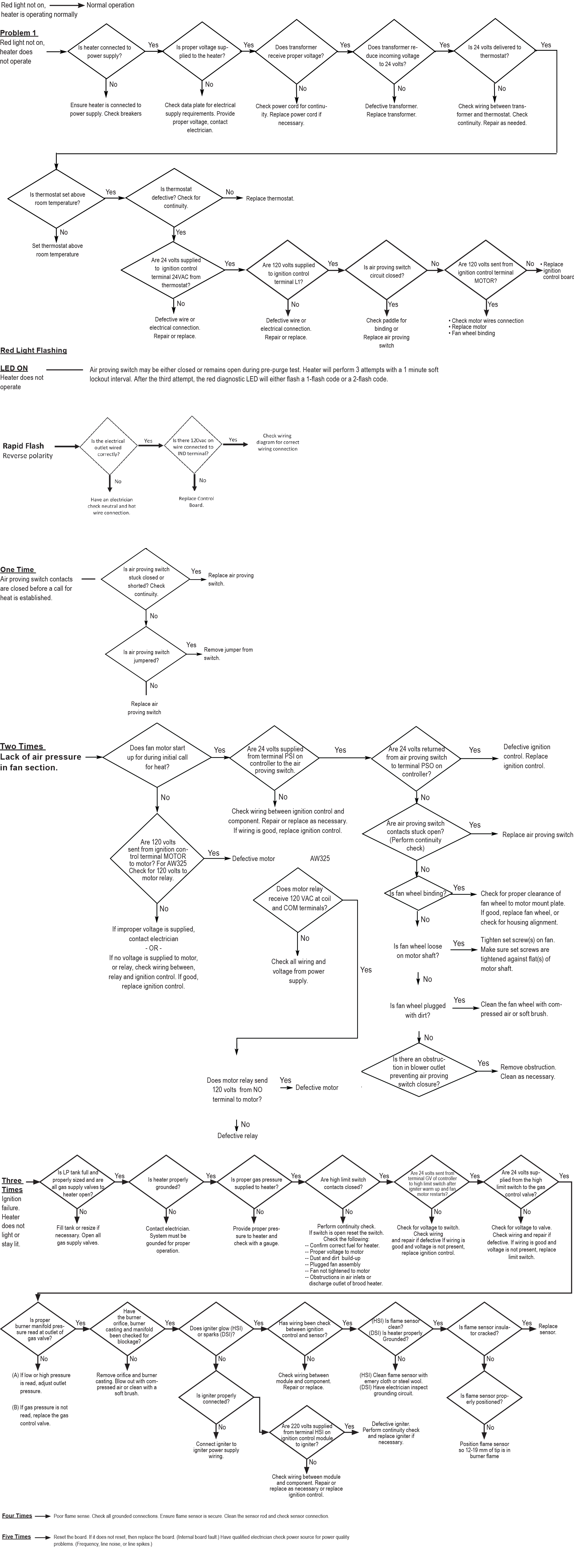
Diagnosing Heater Problems
Let’s look at the most common LB White heater issues and how to diagnose them.
Heater Won’t Start
If your heater won’t turn on, check:
- Power source – Is it plugged in? Is the breaker on?
- Thermostat settings – Is the temperature set high enough?
- Gas supply – Is the tank full? Is the valve open?
- Safety switches – Are door or flame sensors engaged?
For forced air heaters, listen for the fan motor. If it doesn’t run, it could be an electrical problem. Sometimes, a tripped breaker or blown fuse is the only issue. Also, check for loose wires at the power plug and control panel—a common cause of sudden failures, especially in barns with rodents.
Heater Runs But No Heat
If your heater runs but doesn’t produce heat:
- Check the pilot light (for older models). If it’s out, relight it following instructions.
- Inspect the igniter (for electronic models). Is it sparking?
- Look for blocked burners or dirty parts.
In some cases, the gas supply may be restricted, causing weak or no flame even if the fan works. Frost on the propane tank is a sign that the fuel is too cold, which can lower pressure and prevent proper ignition.
Move the tank to a warmer spot or insulate it if this happens.
Heater Shuts Off Unexpectedly
If your heater starts but shuts off after a few seconds or minutes:
- Thermostat may be faulty or set too low.
- Flame sensor might be dirty.
- Gas pressure may be too low.
- Overheating safety switch could be tripped.
Also, check if the heater is installed too close to walls or objects. Poor placement can block air circulation, causing sensors to think the unit is overheating, even if the room is cold.
Step-by-step Troubleshooting Guide
Below is a practical troubleshooting process for most LB White heaters.
1. Check Power And Connections
- Make sure the heater is plugged in.
- Inspect power cords for damage.
- Confirm the breaker or fuse is working.
If the outlet is controlled by a wall switch, ensure that’s on too. Test the outlet with another device like a lamp to rule out power problems.
2. Inspect Gas Supply
- Check if the tank has enough propane or natural gas.
- Make sure the gas valve is open.
- Look for leaks or kinks in the hose.
If you suspect a leak, brush soapy water on the connections and watch for bubbles. Never use a lighter or match to check for gas leaks.
3. Examine Thermostat Settings
- Set the thermostat above room temperature.
- Test with another thermostat if possible.
Sometimes, thermostats lose calibration and read the temperature wrong. If the heater starts with a different thermostat, you’ve found the problem.
4. Look At The Pilot Light Or Igniter
- For pilot models: Is the pilot burning? If not, relight following manufacturer steps.
- For electronic models: Is the igniter sparking? Replace if faulty.
If relighting the pilot fails, the thermocouple may be bad. The thermocouple senses heat from the pilot and allows gas to flow. Replace it if it no longer works.
5. Clean Or Replace Air Filters
Dirty filters can block airflow and cause shutdowns. Remove filters, wash or replace as needed. Even a thin layer of dust can reduce airflow by 20% or more, so don’t skip this step.
6. Inspect Burner Assembly
- Remove dust and debris from burners.
- Check for rust or blockages.
- Use compressed air to clean.
In humid environments, burners may rust faster. Check for any flakes or corrosion that could block gas flow.
7. Test Flame Sensor
A dirty flame sensor won’t detect heat, causing shutoff. Clean gently with fine sandpaper. Don’t use steel wool, which can scratch the sensor and leave behind metal bits.
8. Review Safety Switches
LB White heaters have safety switches for doors, overheating, and flame. Make sure all are working. Sometimes, a loose door or panel activates a safety switch, stopping the heater.
9. Check For Error Codes
Some modern LB White heaters have digital displays. Error codes help identify problems. Consult your manual for code meanings. Write down the code before resetting the heater, as it may disappear.

Common Lb White Heater Error Codes
Here are typical error codes and what they mean:
| Error Code | Meaning | Action |
|---|---|---|
| E1 | Ignition failure | Check igniter and gas supply |
| E2 | Flame sensor error | Clean or replace sensor |
| E3 | Overheat shutdown | Clean vents, check airflow |
| E4 | Thermostat open | Check thermostat wiring |
| E5 | Fan motor error | Inspect motor and connections |
If you see an error code, always check the manual first. Sometimes, codes can mean more than one thing depending on your heater’s model.
Cleaning And Maintenance Tips
Regular cleaning keeps your heater reliable. Here are some practical steps:
- Turn off power and gas before cleaning.
- Remove dust from vents, grills, and inside panels.
- Clean flame sensor and igniter with fine sandpaper.
- Wipe burners and check for corrosion.
- Change air filters every season.
- Lubricate motors if recommended.
- Check hoses for cracks.
If your heater sits unused during summer, cover it with a dust sheet to keep out debris. Inspect for insects or rodents before starting up in the fall, as nests can block airflow or damage wiring.
A well-maintained heater rarely breaks down unexpectedly. Keeping records of when you last cleaned or replaced parts can help spot patterns or predict when maintenance is due.
Lb White Heater Parts And Replacement
Sometimes, parts need replacement. Common replacement parts include:
- Igniters
- Flame sensors
- Thermostats
- Fan motors
- Gas valves
You can often buy parts directly from LB White or from farm supply stores. Always use genuine parts for safety and performance. Avoid used parts unless you know their history, as old components can lead to more problems.
Comparing Lb White Heater Parts
Let’s compare common LB White heater parts by lifespan and cost.
| Part | Average Lifespan | Typical Cost | Replacement Difficulty |
|---|---|---|---|
| Igniter | 2-4 years | $30-$60 | Easy |
| Flame Sensor | 3-5 years | $20-$40 | Easy |
| Thermostat | 5-8 years | $40-$80 | Medium |
| Fan Motor | 5-10 years | $80-$150 | Hard |
| Gas Valve | 10+ years | $100-$200 | Hard |
Most users can replace igniters and sensors themselves, but motors and gas valves may need a technician. If your heater is under warranty, call LB White before changing major components, as DIY repairs can void coverage.
Advanced Troubleshooting: Dealing With Unusual Issues
Sometimes, problems don’t fit common patterns. Here are less obvious issues and solutions:
Heater Cycles On And Off Quickly
This is called short cycling. It can happen if:
- The thermostat is too close to the heater, causing rapid temperature changes.
- The flame sensor is faulty.
- Airflow is blocked.
Try moving the thermostat further away and cleaning all sensors. If the problem continues, check for drafts that might be cooling the thermostat or heater.
Heater Makes Strange Noises
Unusual sounds can mean:
- Loose panels or screws.
- Worn bearings in fan motor.
- Gas leaks (hissing sound).
Tighten panels, lubricate motors, and call a pro for gas leaks. Rattling noises often mean something is vibrating inside the heater, which can lead to bigger problems if not fixed.
Burner Won’t Stay Lit
If the burner lights but then shuts off:
- Flame sensor may be dirty.
- Gas pressure could be too low.
- Air supply may be blocked.
Test each component in order, and clean or replace as needed. If you use propane, low outside temperatures can drop pressure below what your heater needs—try warming the tank or regulator.
Practical Examples: Real Troubleshooting Scenarios
Let’s review two real-world examples to see troubleshooting in action.
Example 1: Forced Air Heater Not Igniting
A farm manager noticed his LB White Premier 170 wouldn’t ignite. He checked the gas supply—full and valve open. Power was on, and the fan ran. The igniter didn’t spark.
He removed the igniter, found it dirty, cleaned with sandpaper, and reinstalled. The heater ignited instantly. He learned to clean the igniter monthly.
In another case, the same model failed to start because a mouse had chewed through the thermostat wire. After replacing the wire and sealing the entry point, the issue didn’t return.
Example 2: Radiant Heater Shuts Off After 10 Minutes
In a poultry barn, a Guardian 70 radiant heater shut off after 10 minutes. The owner cleaned the flame sensor and checked the air filters. Still, the problem continued.
After reading the manual, he found the overheat sensor was tripped. Cleaning dust from the vents fixed the issue. He now checks vents weekly.
He later discovered that bedding had built up around the heater, blocking airflow. Clearing the area improved both heater performance and safety.
Comparing Lb White Heater Types For Troubleshooting Ease
Different heater types have different troubleshooting needs.
| Heater Type | Common Issues | Ease of Troubleshooting | Best For |
|---|---|---|---|
| Forced Air | Fan, igniter, filters | Medium | Large spaces |
| Radiant | Flame sensor, gas supply | Easy | Barns, poultry houses |
| Brooder | Thermostat, pilot light | Easy | Small animal areas |
Radiant and brooder heaters are simpler, with fewer parts to check. Forced air heaters have more moving components, so a regular maintenance plan is especially important.

Two Insights Beginners Often Miss
- Airflow is crucial. Even if all electrical and gas parts work, blocked airflow can shut down the heater. Always check filters and vents first. Even small obstructions (like cobwebs or plastic bags) can cause overheating or safety shutdowns.
- Heater placement matters. Heaters too close to walls or objects can trigger overheating sensors. Leave enough space for safe operation. Also, avoid placing heaters where animals can knock them over or block vents.
Another common oversight: Not checking the outdoor temperature’s effect on propane pressure. In cold climates, low tank pressure can cause ignition problems even when the tank is full.
When To Call A Professional
If you’ve tried all troubleshooting steps and the heater still won’t work, it’s time to call a technician. Especially for:
- Gas valve or line issues
- Electrical wiring repairs
- Persistent error codes
Professional service prevents accidents and keeps warranties valid. LB White has authorized service centers and detailed support at their website. For more technical information, you can also check LB White official site.
Preventive Maintenance Schedule
Follow this basic maintenance schedule to avoid most heater problems:
- Monthly: Clean filters, check igniters and sensors.
- Seasonally: Inspect burners and hoses, lubricate motors.
- Annually: Full inspection by technician, replace worn parts.
Stick to this schedule, and your heater will stay reliable. For large farms or facilities, create a maintenance log for each heater to track issues and service dates.
Frequently Asked Questions
How Do I Relight The Pilot On An Lb White Heater?
Turn off the gas, wait 5 minutes, and follow the manual’s pilot lighting steps. Usually, hold the button while lighting with a match or igniter. Keep holding for 30 seconds, then release. If the pilot goes out when you release the button, the thermocouple may need replacement.
Why Does My Lb White Heater Keep Shutting Off?
Possible causes include dirty flame sensors, blocked airflow, low gas pressure, or faulty thermostats. Clean sensors and filters first. If the problem continues, check gas and thermostat. Sometimes, high humidity can cause sensors to fail more quickly—wipe them dry before reinstalling.
Can I Use Lb White Heaters Outdoors?
Some models are designed for outdoor use, but not all. Check your manual. Outdoor heaters need weather protection and proper ventilation. Never use an indoor-only heater outside, as wind can blow out the flame or cause dangerous gas buildup.
How Often Should I Clean My Lb White Heater?
Clean filters, sensors, and vents monthly during the heating season. Annual deep cleaning and inspection is recommended for all parts. If you operate in a very dusty or high-humidity environment, increase cleaning frequency.
What Should I Do If I Smell Gas Near My Heater?
Turn off the heater and gas supply immediately. Leave the area and call a professional. Do not try to fix gas leaks yourself. Even a small leak can be dangerous—safety always comes first.
—
Fixing LB White heater problems doesn’t need to be complicated. By following simple troubleshooting steps, checking key parts, and doing regular maintenance, you can solve most issues yourself. Remember, safety is most important—never ignore gas leaks or try risky repairs. With the right care, your heater will deliver steady warmth for years. If you ever feel unsure, professional help is just a call away. Stay warm, stay safe!

