Milnor Washer Troubleshooting: A Complete Guide
If you operate a commercial laundry, you know how important your Milnor washer is. When it stops working right, business slows down and costs go up. Troubleshooting Milnor washers can seem hard, but with the right steps, you can quickly fix most problems.
This article will show you how to solve common issues, understand error codes, and keep your washer running smoothly. Whether you’re a laundry manager or a maintenance worker, you’ll find clear advice and practical examples here. Let’s make sure your Milnor washer stays reliable and efficient.

36% off Today’s Exclusive Deals
Limited-time Exclusive Deals. Check current discount on Amazon.
Check Price on Amazon As an Amazon Associate I earn from qualifying purchases.Understanding Your Milnor Washer
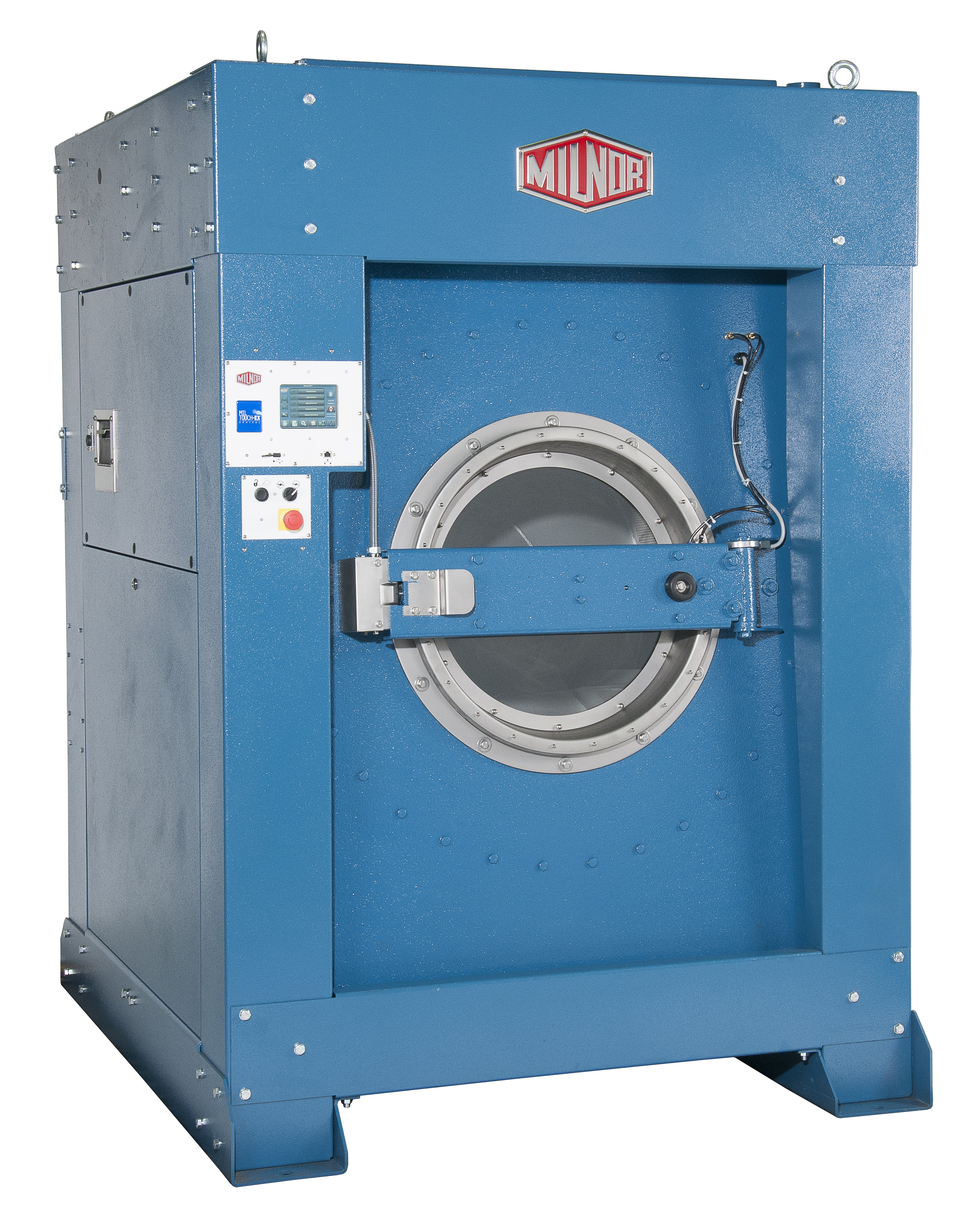
Before you start fixing problems, it’s good to know how Milnor washers are designed. Milnor is a leading brand in commercial laundry equipment. Their washers are known for strong build quality, high efficiency, and advanced controls.
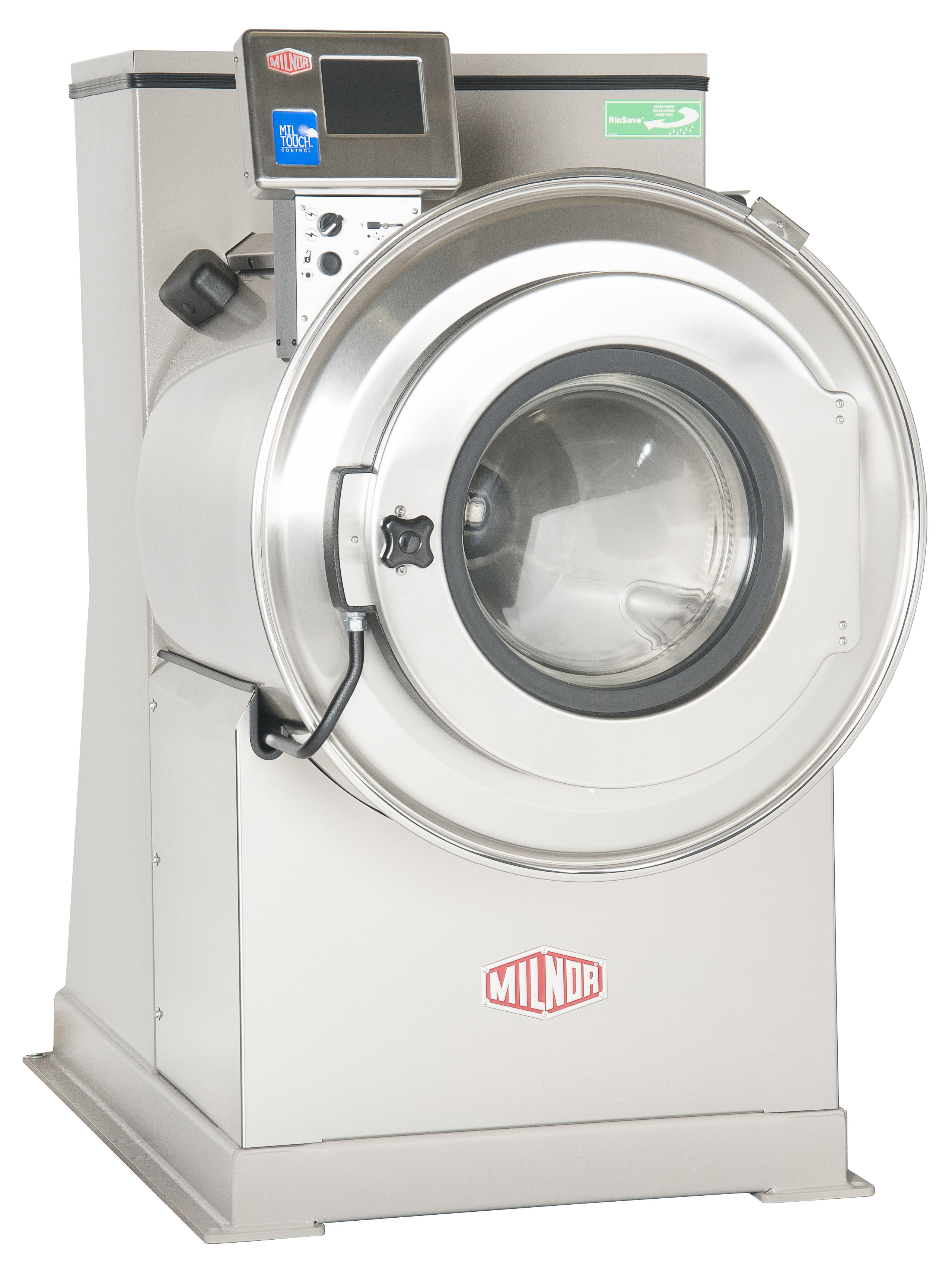
Milnor washers use a combination of mechanical parts (like motors, belts, and valves) and electronic controls (like microprocessors and displays). Most models have features like automatic chemical injection, programmable cycles, and water-saving technology. In more recent models, you’ll also find sensors for load size, water temperature, and even vibration, all designed to protect the machine and give better results.
Knowing your washer’s model number and main features helps with troubleshooting. For example, some older Milnor washers have simpler controls, while newer models use touch screens and show error codes. Always check your user manual—sometimes the solution is easier than you think.
If you lose your manual, most models have a label with the serial and model number inside the door or on the back panel. This makes it easier to find the right part or guide online.
Non-obvious insight: Take a photo of the control panel and model sticker. This saves time when you need help from tech support or suppliers, especially if you are not near the washer.
Common Milnor Washer Problems And Solutions
Let’s look at the most frequent issues, their causes, and how to fix them.
1. Washer Won’t Start
When your Milnor washer won’t turn on, try these steps:
- Check Power Supply: Make sure the machine is plugged in. Inspect the power cord for damage. Test the outlet with another device. Sometimes, a loose plug can cause intermittent problems that seem like more serious faults.
- Reset Circuit Breaker: If the breaker has tripped, reset it. If it trips again, there may be an electrical fault.
- Door/Lid Switch: Many washers won’t start if the door isn’t closed fully. Check the door latch and switch. A misaligned or damaged latch is a frequent cause in busy laundries.
- Emergency Stop Button: Some models have an emergency stop button. Make sure it’s not pressed in.
Example: In a busy hotel laundry, a Milnor washer refused to start. Staff found the door switch was misaligned after heavy use. Adjusting the switch solved the problem. In another case, a cleaning cart bumped the emergency stop button—resetting it got the washer running.
2. Washer Not Filling With Water
If your washer isn’t filling, consider these reasons:
- Water Supply: Make sure water valves are open. Check for kinked hoses. In some cases, low building water pressure can also affect filling.
- Water Inlet Valve: If the valve is clogged or faulty, replace it.
- Control Board: Sometimes a failed relay or sensor stops water flow.
- Water Temperature Setting: Some cycles require both hot and cold valves. Make sure both supplies are available.
Non-obvious tip: Mineral buildup can block inlet valves. Regularly clean filters to prevent this. Even new hoses can shed small rubber particles, so check filters after installation or repairs.
3. Washer Not Draining
A washer that won’t drain can cause overflows and delays.
- Drain Pump: If the pump is noisy or doesn’t run, it may be jammed or broken. Sometimes, the pump runs but cannot move water due to a clog.
- Drain Hose: Look for clogs or bends. If the hose is pushed too far into a standpipe, siphoning can occur, leading to slow drainage.
- Coin Trap: Milnor washers often have a coin trap that catches debris. Clean it out.
Example: A laundry service found coins and hairpins in the coin trap after customers complained about water not draining. In another facility, a sock blocked the drain pump impeller, causing an E5 error code.
Extra tip: If water drains slowly but not completely, check for partial blockages, not just full clogs.
4. Washer Leaks Water
Leaks can come from several places:
- Door Seal: Check for cracks in the rubber gasket. Small tears can cause slow leaks that are hard to spot at first.
- Hoses: Inspect inlet and drain hoses for leaks. Look at connections, not just the hose body.
- Tub: Look for damage or corrosion in the washer tub.
- Detergent Drawer: Overfilling the detergent tray can cause overflow.
Practical tip: Use a flashlight to spot small leaks under the machine. Place a dry towel around the base and check for damp spots after a cycle.
Extra insight: Leaks often start small. Early detection prevents water damage to floors and nearby machines.
5. Washer Vibrates Excessively
Excess vibration can damage the washer and floor.
- Leveling Feet: Adjust the feet so the washer sits flat. All four feet should touch the floor solidly.
- Load Balance: Make sure laundry is evenly distributed. Bulky items like mats or blankets should be loaded carefully.
- Worn Bearings: Bearings wear out over time, especially in high-use settings.
Non-obvious insight: Uneven floors are a hidden cause of vibration. Place a spirit level on the washer for accuracy. Also, check if the pads under the feet are worn or missing.
Practical example: In one laundry, vibration was fixed by moving the washer to a different spot where the floor was stronger.
6. Washer Doesn’t Spin
If clothes are wet after the cycle, check these:
- Drive Belt: If the belt is loose or broken, replace it. A slipping belt can cause slow or no spinning.
- Motor: Listen for humming or clicking sounds. Overheated motors may need a cool-down period before reuse.
- Lid Switch: The machine won’t spin if the lid switch fails.
- Load Size: Overloading can sometimes prevent spinning.
Example: A school’s washer stopped spinning because the drive belt had snapped after years of use. In another case, an unbalanced heavy load kept triggering the out-of-balance sensor.
7. Error Codes And Display Issues
Modern Milnor washers show error codes to help with troubleshooting. Here are some common codes and what they mean:
| Error Code | Possible Cause | Solution |
|---|---|---|
| E1 | Water fill timeout | Check valves, hoses, and water pressure |
| E3 | Door lock fault | Inspect door switch and lock assembly |
| E5 | Drain timeout | Clean drain pump and hose |
| E7 | Motor fault | Test motor and connections |
Refer to your model’s manual for full code lists. If you see a code not listed here, check the official Milnor website for details. Sometimes, display problems are caused by loose wire connections or power surges—reset the machine and check wiring if the screen is blank or flickers.
Extra tip: Take a photo of the error code before turning off the power. This helps if the code disappears after a reset.
8. Chemical Injection Problems
Milnor washers often use automatic chemical injection for detergents and softeners. Problems here can cause poor wash results.
- Blocked Tubes: Chemicals may not reach the drum if tubes are blocked.
- Pump Failure: Replace the chemical pump if it doesn’t run.
- Wrong Programming: Double-check settings for each wash cycle.
- Chemical Container Empty: Sometimes the problem is as simple as an empty soap drum.
Example: A hospital laundry had dirty linen after discovering chemical injection settings were changed accidentally. In another case, air bubbles in the chemical line caused the pump to lose prime.
Non-obvious tip: Use clear tubing for chemical lines—air bubbles and blockages are easier to spot.
9. Unusual Noises
Strange sounds can signal mechanical problems.
- Grinding: This usually means bearing or motor problems. Catching these early can save the drum from damage.
- Clicking: Coins or buttons stuck in the drum.
- Thumping: Unbalanced loads or loose parts.
- Squealing: Worn or loose belts.
Practical tip: Record the noise with your phone to help technicians identify the issue. Play the recording for service techs to speed up diagnosis.
Extra insight: If the noise changes with load size, the problem may be in the suspension or shock absorbers.
10. Washer Smells Bad
Bad odors often come from bacteria and mold.
- Clean Drum: Run a hot cycle with bleach or washer cleaner. Don’t forget to wipe under the drum lip.
- Check Gasket: Wipe the door seal regularly.
- Leave Door Open: Let the drum dry between uses.
- Clean Dispenser Drawer: Soap and softener trays can build up residue.
Non-obvious insight: Commercial washers need regular cleaning, even if used daily. Don’t assume frequent use prevents odors. Mold can grow in hidden places, such as inside drain hoses.
Troubleshooting Process: Step-by-step
When something goes wrong, follow a logical process. This prevents wasted time and repeated errors.
Step 1: Gather Information
Ask staff when the problem started, what symptoms appear, and if anything changed recently (like new detergent or cycle). Note if the issue happens every time or only with certain loads.
Step 2: Inspect The Washer
Look for obvious signs—water on the floor, error codes, noises, or unresponsive controls. Open the door and check for loose parts or foreign objects.
Step 3: Test Basic Functions
Run a short cycle. Watch each stage: fill, wash, drain, spin. Note where things fail. Listen for new sounds or vibrations.
Step 4: Check Controls And Settings
Sometimes, wrong settings cause problems. Make sure cycles are programmed correctly. Some advanced models have user lockouts—make sure no one has changed the settings accidentally.
Step 5: Isolate The Problem
Focus on the stage that fails (e. g. , fill or spin). Check all parts linked to that function. If several machines have the same problem, check building utilities like water or power.
Step 6: Repair Or Replace
Fix minor issues (like clogs or settings) yourself. For big repairs (like motors or boards), call a qualified technician.
Experience-based tip: Keep a log of repairs. This helps spot patterns and plan maintenance. Over time, you’ll see if certain parts wear out more often, helping you stock the right spares.
Comparing Milnor Washer Models And Features
Milnor offers many washer models. Here’s a comparison of features to help with troubleshooting and maintenance:
| Model | Control Type | Capacity (lbs) | Common Issues |
|---|---|---|---|
| 30015 V5J | Touch Screen | 35 | Error codes, door lock |
| 36026 V7Z | Microprocessor | 60 | Drain pump, vibration |
| 42030 F7E | Manual | 80 | Leaks, belts |
| 70044 X7J | Touch Screen | 150 | Motor, chemical injection |
Knowing your model helps when ordering parts or searching error codes. Larger washers often have more complex controls and extra sensors. Also, newer models may require software updates after part replacement—check with your supplier.
Non-obvious insight: Some Milnor models have optional features (like steam or extra rinse), which can affect troubleshooting steps. Always check the full model code, not just the base number.
Preventive Maintenance For Milnor Washers
Good maintenance prevents most problems. Here are best practices for keeping your Milnor washer reliable:
- Daily Cleaning: Wipe down exterior, door seal, and drum. Check for stray laundry or debris in the door area.
- Weekly Checks: Inspect hoses, filters, and coin traps. Tighten any loose connections.
- Monthly Inspections: Test all cycle functions, check for leaks and vibrations. Run a cleaning cycle with an approved washer cleaner.
- Annual Service: Have a technician inspect motor, bearings, and electronics. Ask for a written report of their findings.
Example: A laundry service reduced breakdowns by 40% after starting regular maintenance checks. Staff training on simple cleaning and inspection tasks made a big difference.
Non-obvious tip: Record water and electricity use. Sudden increases can signal hidden leaks or mechanical faults. Also, keep a maintenance calendar visible near the machines.
Extra advice: Replace rubber hoses every 5 years, even if they look fine, to prevent sudden bursts.
When To Call A Professional
Some problems are too risky to fix yourself:
- Electrical faults: If you smell burning or see sparks, stop using the washer and call an electrician.
- Major leaks: Water inside the machine can damage electronics.
- Motor or control board failures: These need specialized tools and knowledge.
- Repeated error codes: If the same code returns after resets, professional help is needed.
Experience-based advice: Don’t wait until the washer fails completely. Early repairs save money and reduce downtime. Also, ask for a written estimate before repairs.
Cost Of Repairs And Downtime
Repair costs for Milnor washers vary. Here’s a quick comparison:
| Problem | DIY Cost | Technician Cost | Downtime (hours) |
|---|---|---|---|
| Door switch | $20-$40 | $100-$150 | 1-2 |
| Drain pump | $50-$80 | $200-$300 | 2-4 |
| Control board | – | $400-$800 | 6-12 |
| Motor | – | $350-$700 | 4-8 |
Non-obvious insight: Even small repairs can lead to long downtime if parts aren’t in stock. Keep common spare parts for your washer model. Ask your supplier which parts are most likely to fail.
Extra tip: If you have several washers, rotate loads to avoid overusing one machine while others are down.
Safety Tips For Troubleshooting
Always follow these safety rules:
- Unplug the washer before opening panels.
- Wear gloves when handling chemicals or sharp parts.
- Don’t bypass safety switches—they protect users.
- Read manuals for your model before starting repairs.
- Lockout/tagout: If possible, use a lock or tag to show a machine is out of service.
Practical tip: Mark faulty machines with a sign so staff don’t use them by mistake. Train staff on basic safety steps.
Non-obvious insight: Even if you fix a fault, test the machine with an empty load first to check for leaks or errors.

Useful Resources For Milnor Washer Owners
If you need more help, check these resources:
- Milnor official website (manuals, parts, troubleshooting guides)
- Local authorized technicians
- Commercial laundry forums
- Manufacturer’s customer support
For detailed product information, visit the Milnor official site.
Extra resource: Some trade organizations offer training videos and troubleshooting checklists for common commercial washer brands.
Frequently Asked Questions
What Should I Do If My Milnor Washer Shows An Error Code Not Listed In The Manual?
First, write down the code and any symptoms. Check the official Milnor website for updates or contact customer support. Sometimes codes are unique to specific models or firmware versions. If you have several machines, compare if others show the same code.
How Often Should I Clean The Coin Trap In My Milnor Washer?
Clean the coin trap at least once a week, or more often if you wash items with pockets. Regular cleaning prevents clogs and drain problems. Mark the cleaning date on a log sheet.
Is It Safe To Use Generic Parts For Milnor Washer Repairs?
It’s best to use official Milnor parts. Generic parts may not fit or last as long. Using non-approved parts can void your warranty and cause more problems. Always check part numbers before ordering.
Can I Reset My Milnor Washer If It Freezes Or Locks Up?
Yes, many Milnor washers have a reset procedure. Usually, unplug the machine for 1-2 minutes, then restart. For touch screen models, follow the manual’s reset instructions. If problems continue, call for service.
Why Does My Milnor Washer Smell Bad Even After Cleaning?
Odors can linger if mold grows in hidden places, like the door seal or hoses. Use washer cleaner, wipe all seals, and leave the door open after use. If smells persist, check for drain clogs or hidden debris in the dispenser tray.
Milnor washers are strong and reliable, but like all machines, they need regular care and smart troubleshooting. By following these steps, you can solve most problems quickly and keep your business running smoothly. Remember, preventive maintenance is the best way to avoid expensive repairs and downtime.
With the right knowledge, you’ll make your washer last longer and work better.