

Gas hot water heaters are in millions of homes and businesses worldwide. They give us hot showers, clean dishes, and warm laundry. But when a gas water heater stops working right, it can be stressful and confusing. Many people don’t know where to start or what to look for.
This guide will help you understand how gas water heaters work, what can go wrong, and how to troubleshoot the most common problems. With simple steps, practical advice, and clear explanations, you can solve many issues yourself, save money, and avoid cold water surprises.

36% off Today’s Exclusive Deals
Limited-time Exclusive Deals. Check current discount on Amazon.
Check Price on Amazon As an Amazon Associate I earn from qualifying purchases.How A Gas Hot Water Heater Works
Before fixing problems, it helps to know the basic parts and process. A gas hot water heater uses natural gas or propane to heat cold water, which is then stored in a tank until you need it. Here’s a basic overview:
- Cold water enters the tank through a dip tube.
- A thermostat senses the temperature and controls the burner.
- The gas burner ignites under the tank, heating the water.
- Hot water rises and is sent through the pipes when you turn on a tap.
- Exhaust gases from burning are vented safely outside.
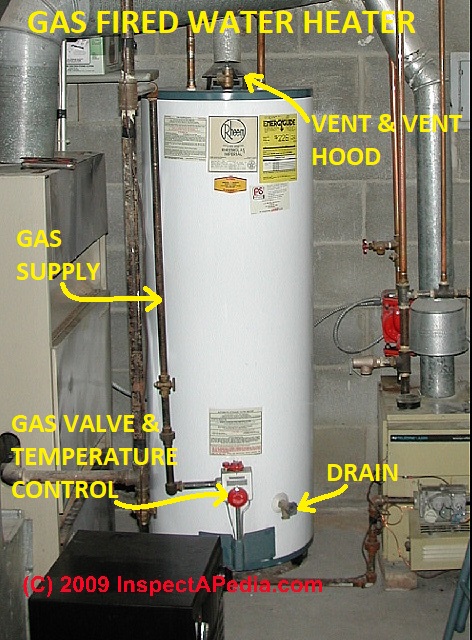
Key parts include the thermocouple, gas control valve, pilot light or igniter, and the flue. If any part fails, your hot water may stop.
Common Problems And Their Symptoms
Not all hot water heater issues are the same. Some have easy fixes; others need a professional. Here are some common problems and what you might notice:
- No hot water: Usually means the pilot light is out, the gas is off, or a key part has failed.
- Not enough hot water: Tank too small, faulty thermostat, or sediment buildup.
- Water too hot: Thermostat set too high or malfunctioning.
- Strange noises: Rumbling, popping, or hissing from sediment or scale.
- Leaks around the tank: Valve, connection, or tank failure.
- Pilot light problems: Won’t light or keeps going out.
- Discolored or smelly water: Corrosion, bacteria, or rust inside the tank.
Each symptom points to different causes. The next sections will show you how to diagnose and fix them step by step.
Safety First: Basic Precautions
Gas appliances can be dangerous if not handled carefully. Always keep these safety tips in mind:
- If you smell gas, leave the area immediately and call your gas company.
- Turn off the gas supply before working on the unit.
- Wait for the heater to cool before touching pipes or parts.
- If you’re unsure, call a licensed professional.
Never ignore leaks, strong odors, or loud banging. These can be serious.
Step-by-step Troubleshooting For Gas Water Heaters
Let’s break down the troubleshooting process by the most common symptoms. Each step includes practical tips and mistakes to avoid.
No Hot Water
If your gas water heater isn’t making any hot water, try these steps:
- Check the pilot light. Look for a small blue flame under the tank. If it’s out, relight it according to the instructions on your heater.
- Make sure the gas is on. The shut-off valve should be parallel to the pipe.
- Inspect the thermocouple. If the pilot won’t stay lit, the thermocouple may be dirty or faulty. Clean it gently with sandpaper, or replace it if needed.
- Test the gas control valve. If all else fails, the control valve may have failed. Replacement may require a pro.
Common mistake: Not waiting long enough after relighting the pilot. Hold the button for 30-60 seconds to heat the thermocouple.
Not Enough Hot Water
If the water gets warm but not hot, or runs out fast, check these areas:
- Thermostat setting. Set between 120-140°F for most homes.
- Sediment in tank. Over time, minerals can collect at the bottom, reducing capacity.
- Tank size. Too small for your family’s needs? You may need a bigger unit.
- Dip tube issues. A broken dip tube will mix cold water at the top, making hot water run out fast.
Flushing the tank once a year helps prevent sediment problems.
Water Too Hot
Scalding water can be dangerous. Here’s what to do:
- Lower the thermostat. Wait an hour, then check again.
- If water is still too hot, the thermostat may be malfunctioning and need replacement.
Strange Noises
Rumbling, popping, or banging usually means sediment is boiling at the bottom.
- Flush the tank to remove buildup.
- If noises continue after flushing, the tank may be damaged or heavily scaled.
Leaks Around The Tank
Water leaks can be minor or serious:
- Check the temperature and pressure relief valve (T&P valve). If it’s dripping, it may need replacement.
- Tighten or replace loose fittings.
- If the tank itself is leaking, it’s time for a new heater.
Pilot Light Won’t Stay Lit
This is a very common complaint. Main causes are:
- Dirty or faulty thermocouple.
- Weak or dirty pilot flame.
- Drafts blowing the flame out.
- Bad gas control valve.
Check for drafts or blocked vents. Clean or replace the thermocouple if needed.
Discolored Or Smelly Water
If your hot water is rusty, brown, or smells like rotten eggs:
- Flush the tank thoroughly.
- Replace the anode rod, which protects against rust.
- For smelly water, set the thermostat to 140°F for a few hours to kill bacteria, then return to normal.
If the problem continues, call a plumber to check your pipes and heater.

Practical Maintenance Tips To Prevent Issues
Simple maintenance can prevent most problems. Here are the most effective habits:
- Flush the tank every 6-12 months. Attach a hose to the drain valve, empty the tank, then refill.
- Test the T&P valve. Lift the lever to make sure water flows freely, then snaps shut.
- Check the anode rod every 1-2 years. Replace if more than half is worn away.
- Inspect for leaks around fittings, valves, and the tank.
- Keep the area clear around the heater for airflow and safety.
Many people forget to flush their tank, leading to early failure.
Comparing Gas Vs Electric Water Heaters
Sometimes, people wonder if switching to electric is better. Here’s a quick comparison for context.
| Feature | Gas Water Heater | Electric Water Heater |
|---|---|---|
| Heating Speed | Faster | Slower |
| Energy Cost | Lower (usually) | Higher |
| Installation | Requires venting | Simpler |
| Maintenance | More (pilot, burner) | Less |
| Lifespan | 8-12 years | 10-15 years |
Gas heaters heat water faster and cost less to run, but need more regular checks.
When To Call A Professional
You can fix many small issues yourself, but some problems need an expert. Call a licensed plumber if:
- You smell gas or see a large leak.
- The gas control valve must be replaced.
- There are electrical issues with the igniter or wiring.
- The tank is heavily rusted or leaking.
Never take risks with gas or water pressure.
Troubleshooting Newer Gas Water Heaters
Many modern heaters use electronic ignition instead of a standing pilot. The steps are similar, but with some differences:
- Check for error codes on the display.
- Reset the unit by turning it off and on.
- Inspect the igniter and flame sensor for dirt.
- Make sure the electrical outlet is working.
Consult your manual for specific codes and solutions.
How Much Does Repair Or Replacement Cost?
Costs can vary depending on the problem. Here’s a basic guide:
| Repair/Replacement | Typical Cost (USD) |
|---|---|
| Thermocouple | $20 – $150 |
| Gas control valve | $150 – $350 |
| Anode rod | $20 – $60 |
| Flushing tank (DIY) | Free – $50 |
| Full tank replacement | $700 – $2,000+ |
Tip: Always compare the cost of repair vs. replacement, especially if your heater is over 10 years old.
Real-world Example: Diagnosing A Cold Shower
Let’s say you wake up and your shower is cold. Here’s how you might troubleshoot:
- Check other hot water taps. If all are cold, it’s likely the heater.
- Look at the pilot light. If it’s out, relight it.
- If the pilot won’t stay lit, clean or replace the thermocouple.
- If the pilot is lit but still no hot water, test the thermostat and gas valve.
This step-by-step approach often solves the problem, but remember to call a pro if you can’t fix it quickly.
Non-obvious Insights Most Beginners Miss
- Drafts can blow out the pilot light, especially in basements or garages. Shield the area or fix the vent if this happens often.
- The anode rod is your tank’s best friend. It’s designed to corrode so the steel tank won’t. Replacing it every few years can double your heater’s life.
- Sediment can lower efficiency more than you think. Just a few inches of scale can cost you 20% more in energy.
Comparing Diy Vs. Professional Repair
Some repairs are easy for anyone with basic tools. Others are best left to professionals. Here’s a side-by-side look:
| Task | DIY Friendly? | Pro Needed? |
|---|---|---|
| Relighting pilot | Yes | No |
| Flushing tank | Yes | No |
| Replacing thermocouple | Yes (with care) | No |
| Replacing gas valve | No | Yes |
| Repairing tank leaks | No | Yes |
If you’re not comfortable with gas or plumbing, call for help.
Top Causes Of Early Water Heater Failure
Many heaters don’t last as long as they should because of avoidable mistakes:
- Not flushing the tank regularly.
- Ignoring small leaks or drips.
- Setting the thermostat too high, causing stress and damage.
- Failing to replace the anode rod.
- Installing the heater in a damp or drafty location.
Regular checks and simple maintenance make a big difference.
How To Find Replacement Parts
If you need to replace a part, bring the old one to a hardware store, or find the model number on your heater’s label. Major parts include thermocouples, anode rods, and T&P valves. Online stores and local plumbing suppliers stock these for most brands.

Environmental And Energy Considerations
Gas water heaters use fossil fuels, so efficiency matters. Newer models have higher Energy Factor (EF) ratings, using less gas for the same hot water. Consider a high-efficiency or tankless model if you replace your unit.
For more on energy standards and water heaters, visit the ENERGY STAR website.
Frequently Asked Questions
Why Does My Pilot Light Keep Going Out?
A weak or dirty thermocouple is the most common cause. Other reasons include drafts, a dirty burner, or a faulty gas valve. Clean or replace the thermocouple and check for airflow issues.
How Often Should I Flush My Gas Water Heater?
Most manufacturers recommend flushing the tank once a year. This removes sediment, improves efficiency, and helps your heater last longer. If you have hard water, flush more often.
What Temperature Should I Set My Water Heater To?
A safe and efficient setting is 120°F (49°C). This prevents scalding and saves energy. For dishwashers without a booster heater, you may set it slightly higher, but never over 140°F.
What Is The Anode Rod, And Why Does It Matter?
The anode rod is a metal rod inside the tank that attracts corrosion. It sacrifices itself to protect the steel tank from rust. Replace it every 1-3 years to prevent tank failure.
Can I Repair A Leaking Water Heater Tank?
Usually, no. If the tank itself is leaking, it’s time for a new water heater. Only leaks from fittings, valves, or pipes can be repaired.
Gas hot water heater troubleshooting may seem hard, but with the right steps, most issues can be found and fixed. Regular maintenance, careful observation, and knowing when to call a professional will keep your hot water flowing year-round. Stay safe, stay informed, and you’ll get the best performance from your gas water heater for many years.

