

Greenworks Power Washer Troubleshooting: Expert Guidance For Reliable Performance
A Greenworks power washer can make cleaning patios, cars, driveways, and decks fast and easy. But sometimes, these machines stop working as expected. You might face issues like low pressure, strange noises, leaks, or a unit that won’t start. When your washer fails, cleaning jobs become frustrating.
The good news? Most problems are simple to fix if you know what to check.

36% off Today’s Exclusive Deals
Limited-time Exclusive Deals. Check current discount on Amazon.
Check Price on Amazon As an Amazon Associate I earn from qualifying purchases.This article is your practical guide for Greenworks power washer troubleshooting. Whether you’re a beginner or have some experience with power tools, you’ll learn how to identify and solve common issues. With clear steps, real-world examples, and professional tips, you can get your washer running smoothly again. The following sections cover different problem types, quick fixes, and advice to avoid mistakes. If you want your Greenworks washer to last longer and work better, keep reading.
Understanding Greenworks Power Washers
Greenworks is known for making electric power washers that are lightweight and easy to use. Most models are designed for home use and offer pressure levels from 1500 to 3000 PSI (pounds per square inch). They use water and electric power to remove dirt, mold, and stains.
Key features:
- Electric-powered (no gas, low emissions)
- Multiple nozzle options
- Compact size
- Quick-connect hoses
- Safety lock triggers
Knowing these basics helps you understand what can go wrong and why. For example, electric washers don’t have engine oil or fuel problems, but they may face electrical and water flow issues.
Common Greenworks Power Washer Problems
Most washer issues fall into a few categories. Here are the problems users face most often:
- Washer won’t start
- Low or no water pressure
- Leaks from hoses or pump
- Washer stops during use
- Noisy operation or vibrations
- Soap dispenser not working
- Spray gun or nozzle issues
Each problem can have several causes. The sections below explain how to identify and fix them.
Troubleshooting: Washer Won’t Start
If your Greenworks washer won’t turn on, it usually means an electrical or safety issue.
Power Supply Checks
- Make sure the washer is plugged into a working outlet.
- Check for blown fuses or tripped circuit breakers.
- Try another outlet if possible.
Cord And Plug Issues
- Inspect the power cord for cuts or damage.
- If the plug feels loose, avoid using it until it’s fixed.
Safety Switches
- Most washers have a reset button or thermal switch. If the washer overheats or trips, press reset and wait a few minutes.
- Make sure the trigger lock is not engaged.
Extension Cord Mistakes
Many beginners use extension cords that are too thin or long. This can cause voltage drops and prevent the washer from starting. Always use a heavy-duty cord rated for outdoor use.
Example
A user tried to start their Greenworks washer but nothing happened. After checking the outlet and cord, they found the reset button on the unit had tripped. Pressing it solved the problem.
Troubleshooting Low Or No Water Pressure
Pressure is key for cleaning. If your Greenworks washer delivers weak spray, you need to check for blockages or leaks.
Water Supply Problems
- Make sure your garden hose is fully open and not kinked.
- Check for low water pressure in your home (try another faucet).
Filter Blockages
Greenworks washers have a water inlet filter. This can collect sand and debris.
How to clean:
- Turn off the washer.
- Disconnect the hose.
- Remove and rinse the filter under running water.
- Reattach and test again.
Nozzle And Spray Gun
- Remove the nozzle and inspect for blockages.
- Use a needle or paper clip to clear any debris.
Air In System
If you just connected the washer, air bubbles can cause sputtering. Hold the trigger for a few minutes to flush out air.
Comparison: Water Pressure Causes
| Cause | Symptom | Solution |
|---|---|---|
| Clogged filter | Weak spray | Clean filter |
| Kinked hose | No water | Straighten hose |
| Blocked nozzle | Uneven spray | Clean nozzle |
| Low home pressure | Pulsing spray | Try another faucet |
Non-obvious Insight
Some washers need a minimum water flow of 2 gallons per minute. If your supply is too low, the pump can’t build pressure. This is often missed by beginners.
Troubleshooting Leaks
Leaks can happen anywhere—hoses, connectors, or inside the pump.
Hose And Connector Leaks
- Inspect all connections for tightness.
- Look for O-rings (rubber seals) inside quick-connect fittings. If missing or damaged, replace them.
- Avoid over-tightening, which can damage threads.
Pump Leaks
If water is dripping from the pump body, it may be a seal failure. This often needs professional repair, but sometimes tightening bolts helps.
Nozzle Leaks
A leaking nozzle usually means dirt is blocking the valve or a seal is worn out. Clean or replace the nozzle.
Example
One owner found water leaking at the gun connector. Replacing the O-ring solved the problem instantly.
Washer Stops During Use
If your washer shuts off while running, check these points:
Thermal Protection
Greenworks washers have a thermal shutoff to prevent overheating. If you use it for too long without stopping, it may shut down. Let it cool for 10–15 minutes.
Electrical Overload
If the washer pulls too much power, the breaker or fuse may trip. Check your fuse box and reset if needed.
Water Flow Loss
If the water supply is interrupted, the pump can’t run. Make sure the hose is not blocked or disconnected.
Automatic Stop
Some models have auto-stop features. If you release the trigger, the motor shuts off but is ready to restart when pressed.
Non-obvious Insight
Running the washer dry (without water) can cause it to shut down and damage the pump. Always ensure water is flowing before starting.
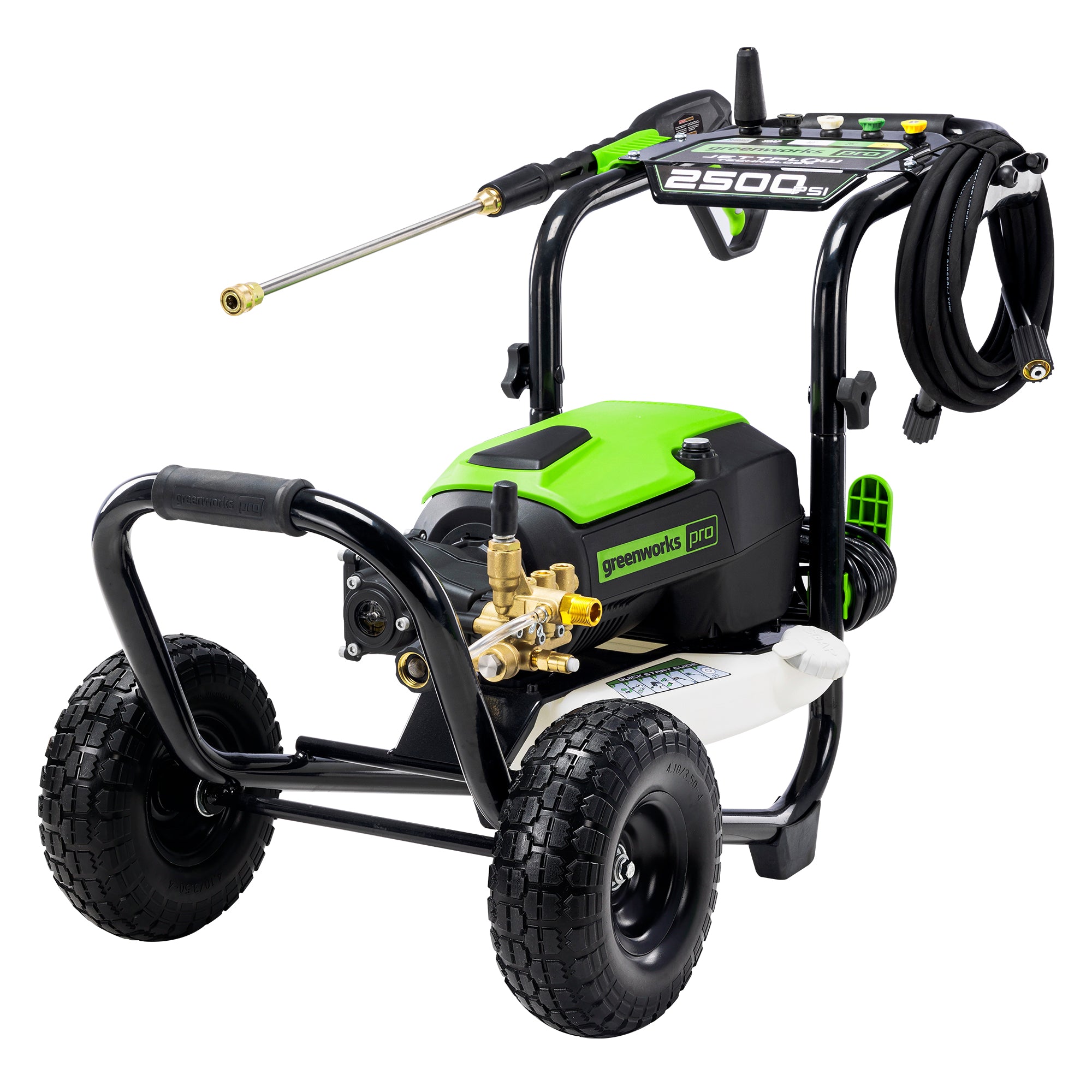
Noisy Operation Or Vibrations
Strange noises can signal problems with the motor or pump.
Loose Parts
Check for loose bolts or covers. Tighten as needed.
Air In Pump
Air can cause rattling. Hold the trigger to flush out bubbles.
Worn Bearings
If the noise is grinding or buzzing, the motor bearings may be worn. This needs professional service.
Vibrations
Unstable surfaces can cause vibrations. Place the washer on flat, solid ground.
Data Table: Common Noises And Causes
| Noise | Possible Cause | Action |
|---|---|---|
| Rattling | Loose screws | Tighten screws |
| Pulsing | Air in hose | Flush system |
| Grinding | Bad bearings | Service motor |
Soap Dispenser Not Working
Many Greenworks models have built-in soap tanks. If soap isn’t coming out:
Check Soap Tank
- Make sure the tank is filled.
- Use only liquid soap designed for power washers.
Nozzle Settings
- Soap only dispenses with the black nozzle (low pressure). Using high-pressure nozzles blocks soap flow.
Blockages
- Remove and clean the soap tube.
- Wash out any dried soap inside the tank.
Example
A user tried to use soap with the green nozzle and got nothing. Switching to the black nozzle fixed the problem.

Spray Gun And Nozzle Issues
The spray gun and nozzle are the parts you use most. Problems here are common.
Trigger Problems
- If the trigger sticks, spray with WD-40 or similar lubricant.
- Make sure the safety lock is not engaged.
Nozzle Blockages
- Remove nozzle, clean with water or a pin.
Nozzle Selection
Different colors mean different spray angles:
- Red: 0° (very strong, use carefully)
- Yellow: 15°
- Green: 25°
- White: 40°
- Black: Soap nozzle
Comparison Table: Nozzle Types
| Nozzle Color | Spray Angle | Best Use |
|---|---|---|
| Red | 0° | Concrete stains |
| Yellow | 15° | Paint prep |
| Green | 25° | General cleaning |
| White | 40° | Car washing |
| Black | Soap | Soap application |
Non-obvious Insight
Many users forget to attach the nozzle tightly. If it’s loose, the washer may lose pressure or spray unevenly.
Preventive Maintenance Tips
Regular care prevents most problems and extends the washer’s life.
After Each Use
- Flush the washer with clean water.
- Disconnect hoses and power cord.
- Store in a dry, cool place.
Every Month
- Clean filters and check O-rings.
- Inspect hoses for cracks.
- Lubricate spray gun trigger.
Seasonal Care
- Before winter, drain all water to avoid freezing damage.
- Cover the washer to protect from dust.
Mistakes To Avoid
- Never use hot water (can damage seals).
- Don’t run dry (will ruin the pump).
- Don’t use bleach or harsh chemicals (can destroy parts).
When To Seek Professional Help
Some problems require skilled repair.
- Pump leaks inside the body
- Motor failure (won’t run after checks)
- Electrical shorts (sparks or smoke)
If your washer is still under warranty, contact Greenworks support. Repairs for major faults can be costly, so check your warranty before fixing yourself.
Useful Resources And Manuals
Greenworks provides manuals and videos online for each model. Visit their official website for downloads and troubleshooting guides. For replacement parts, use the model number to find compatible hoses, O-rings, and nozzles.
You can also find helpful tips and community advice on sites like Greenworks Tools Support.
Frequently Asked Questions
Why Does My Greenworks Power Washer Keep Turning Off?
This is usually caused by thermal protection or electrical overload. If the washer overheats or pulls too much power, it shuts off automatically. Let it cool for 10–15 minutes and check your fuse box. If it happens often, inspect for blockages or use a heavier extension cord.
How Do I Fix Low Pressure In My Greenworks Washer?
First, check the water supply and make sure the hose is not kinked. Clean the water inlet filter and nozzle. Verify you are using the correct nozzle for high pressure. If pressure is still low, your home water flow may be too weak.
Why Is Water Leaking From The Hose Connection?
Leaks at hose connections are usually caused by damaged O-rings or loose fittings. Inspect and replace O-rings if needed. Tighten connections by hand—avoid using tools that can damage threads.
Can I Use Bleach Or Hot Water In My Greenworks Washer?
No, you should only use cold water and approved cleaning solutions. Bleach and hot water can damage seals and pump components.
What Should I Do If My Soap Dispenser Isn’t Working?
Check that you’re using the black soap nozzle. Clean the soap tank and tube. Make sure the soap is liquid and suitable for power washers. Avoid using thick or gel soaps.
Final Thoughts
Fixing your Greenworks power washer is usually easy if you follow clear steps. Most issues—like low pressure, leaks, or starting problems—can be solved at home without expert help. Remember to check power, water flow, filters, and nozzles first. Regular maintenance keeps your washer running longer and avoids costly repairs.
If you face a problem that’s hard to fix, don’t hesitate to use official support or warranty service. With these troubleshooting tips, your Greenworks power washer will stay reliable and ready for any cleaning job.


