

If you own a Generac power washer, you know how useful it can be for cleaning driveways, decks, and vehicles. But, when your machine stops working as expected, it can be frustrating. Most issues with Generac power washers are simple to fix if you know where to look. This guide will help you troubleshoot common problems, explain possible causes, and show practical solutions. Whether your washer won’t start, loses pressure, or leaks, you’ll find clear advice here. With easy steps, real examples, and helpful data, you’ll be able to get your Generac power washer running smoothly again—without needing advanced technical skills.
Understanding Your Generac Power Washer
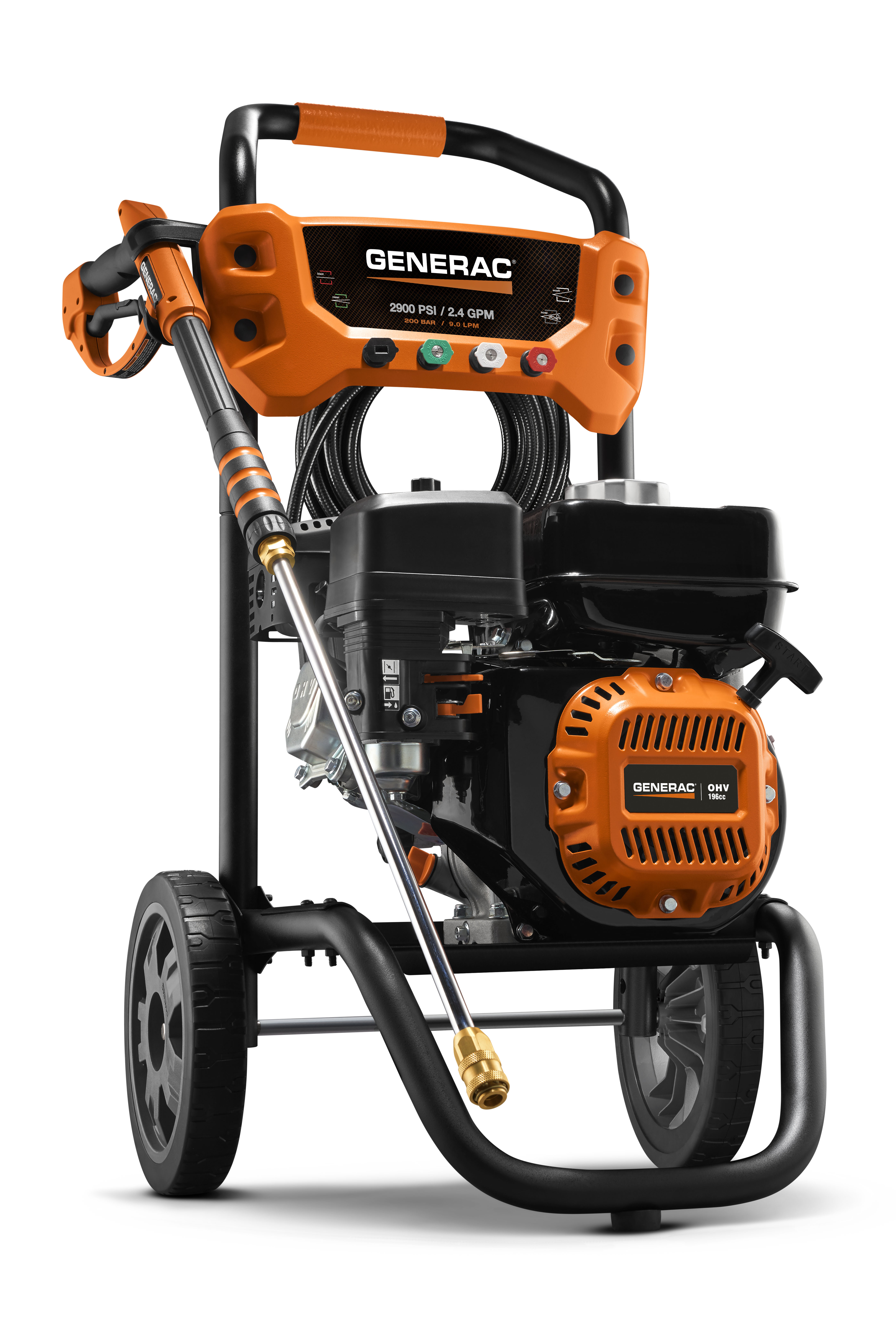
Before solving problems, it’s important to know the basic parts and how they work together. Generac power washers use a gas engine or electric motor to drive a high-pressure pump. This pump pushes water through a hose and nozzle at high speed, allowing for deep cleaning.

36% off Today’s Exclusive Deals
Limited-time Exclusive Deals. Check current discount on Amazon.
Check Price on Amazon As an Amazon Associate I earn from qualifying purchases.Key components:
- Engine/Motor: Provides power to the pump.
- Pump: Raises water pressure.
- Hose: Carries pressurized water.
- Spray Gun & Nozzle: Controls the spray pattern and pressure.
- Unloader Valve: Regulates pressure and prevents damage.
- Water Inlet: Where you connect your garden hose.
Understanding these parts helps you spot which area causes trouble. For example, low pressure may come from a blocked nozzle, worn pump, or kinked hose.
Common Generac Power Washer Problems
Let’s look at the most frequent issues owners face:
| Problem | Possible Cause | Difficulty Level |
|---|---|---|
| Won’t start | Engine, fuel, spark plug | Medium |
| Low pressure | Nozzle, hose, pump | Easy |
| Leaks | Connections, seals | Easy |
| Engine runs rough | Fuel, air filter | Medium |
| Soap doesn’t dispense | Detergent system | Easy |
Some problems are quick to fix, others need more time. Let’s tackle each one.
Troubleshooting: Power Washer Won’t Start
When your Generac power washer won’t start, it’s often a simple issue. Here’s how to check step-by-step:
1. Check Fuel Supply
Gas-powered washers need clean fuel. If you use old gas (over 30 days), it can cause starting trouble. Drain the tank and refill with fresh, unleaded gasoline.
2. Inspect Spark Plug
A dirty or damaged spark plug prevents ignition. Remove the plug, inspect for wear or carbon buildup, and clean or replace if needed. Use a gap tool to check the plug gap matches specs (usually 0.028–0.031 inches).
3. Air Filter
A blocked air filter restricts airflow, making starting difficult. Remove and clean the filter, or replace if it’s very dirty.
4. Engine Oil Level
Low oil will stop some Generac engines from starting. Check the dipstick and add oil as needed. Use SAE 30 for most models.
5. Safety Switches
Many washers have a safety switch or kill switch. Make sure it’s in the correct position.
6. Battery (electric Models)
If you have an electric Generac washer, check the battery and connections.
Real Example
One owner reported their washer wouldn’t start after winter storage. The cause? Stale gas and a clogged air filter. After replacing both, the washer fired up instantly.
Troubleshooting: Low Pressure Issues
Low pressure is the most common complaint. You want a strong spray, but sometimes it’s weak. Here’s how to fix it:
1. Inspect Nozzle
A blocked or worn nozzle is a top cause. Remove and clean the nozzle with a pin or nozzle cleaning tool. Replace if it’s damaged.
2. Check Hose
A kinked or leaking hose reduces pressure. Straighten the hose and look for holes. Replace if needed.
3. Water Supply
Low water flow from your faucet can’t support high pressure. Make sure the supply is fully open and water is clear.
4. Pump Problems
Pump seals wear over time, lowering pressure. If you hear strange noises or see leaks near the pump, seals may need replacing.
5. Unloader Valve
The unloader valve controls pressure. If stuck, it can cause low spray. Remove and clean the valve following your manual.
Data Example
Generac recommends a minimum water flow of 2. 5 gallons per minute for their mid-range washers. If your supply is less, you’ll get poor results.
Troubleshooting: Water Leaks
Leaks waste water and lower cleaning power. Here’s what to check:
1. Connections
Loose fittings at the hose, spray gun, or water inlet cause leaks. Tighten all connections by hand first. If leaks continue, use a wrench for a snug fit (do not over-tighten).
2. Seals And O-rings
Damaged O-rings or seals are common leak points. Remove the fitting and inspect the rubber ring. Replace if cracked or missing.
3. Pump Leaks
If water leaks from the pump housing, seals or the pump itself may be worn. Generac pump seal kits are available for most models.
Real Example
A user found a puddle under their washer. After checking, the garden hose inlet seal was cracked. Replacing this $2 part stopped the leak.
Troubleshooting: Engine Runs Rough Or Stalls
If your engine starts but runs poorly, try these steps:
1. Fuel Quality
Old or contaminated fuel leads to rough running. Drain and refill with fresh gasoline.
2. Air Filter
A dirty air filter can cause stalling. Clean or replace as needed.
3. Carburetor
If the engine surges or stalls, the carburetor may be dirty. Use a spray carburetor cleaner (with the engine off). For severe cases, remove and clean the carburetor.
4. Spark Plug
A worn spark plug causes misfires. Replace if needed.
5. Choke Position
If the choke is left on after starting, the engine will run rough. Move the choke to ‘run’ as soon as the engine warms up.

Troubleshooting: Soap And Detergent Problems
Many Generac power washers offer a soap injector for cleaning with detergent. If soap isn’t dispensing:
1. Use Correct Nozzle
Detergent only dispenses with the black soap nozzle. Other nozzles block soap flow.
2. Check Detergent Hose
Inspect the clear detergent hose for kinks, cracks, or blockages. Replace if damaged.
3. Clean Soap Injector
Detergent residue can clog the injector. Remove and rinse with warm water.
4. Use Proper Detergent
Only use power washer-safe detergent. Regular household soap can cause clogs.
Data Table: Nozzle Types And Functions
| Nozzle Color | Spray Angle | Pressure | Soap Dispensing |
|---|---|---|---|
| Red | 0° | Highest | No |
| Yellow | 15° | High | No |
| Green | 25° | Medium | No |
| White | 40° | Low | No |
| Black | 65° | Lowest | Yes |
Troubleshooting: Power Washer Shuts Off During Use
Sometimes your Generac power washer runs for a while, then shuts off. Let’s look at possible causes:
1. Overheating
Running for long periods can cause the engine or pump to overheat. Give the washer a break every 20–30 minutes.
2. Low Oil Sensor
Some Generac models have an oil sensor that shuts down the engine if oil is low. Check oil level and top up.
3. Clogged Vent
A blocked gas cap vent causes fuel starvation. Clean or replace the cap.
4. Electrical Issues
On electric models, check the power cord and outlet. Use a grounded outlet and avoid extension cords.
Real Example
A customer’s washer stopped after 15 minutes. The cause? The oil sensor detected low oil. Adding oil solved the problem.
Troubleshooting: Pressure Fluctuations
Pressure that goes up and down can make cleaning difficult. Here’s what to check:
1. Water Supply
If your tap pressure fluctuates, your washer will too. Use a steady supply.
2. Unloader Valve
A sticky unloader valve causes pressure surges. Remove, clean, and lubricate.
3. Pump Wear
Old pumps may have internal wear, causing uneven pressure. If your pump is over five years old, consider replacing or rebuilding.
4. Nozzle Blockage
Debris in the nozzle makes pressure unpredictable. Clean or replace.
Troubleshooting: Excessive Vibration Or Noise
Loud operation or shaking can indicate trouble:
1. Loose Bolts
Check all mounting bolts and screws. Tighten as needed.
2. Pump Alignment
Misaligned pumps cause vibration. If you recently moved your washer, check alignment.
3. Damaged Hose
A damaged hose can whip and vibrate. Replace if needed.
4. Engine Problems
Unusual noises may signal engine trouble. Check for loose parts or internal damage.
Maintenance Tips To Prevent Problems
Regular maintenance keeps your Generac power washer running longer. Here are some essential tips:
- Change oil every 50 hours or at least once per season.
- Clean air filter monthly.
- Inspect spark plug every season.
- Flush pump with clean water after each use.
- Store indoors during winter to prevent freezing.
- Check hose and nozzle for wear before every use.
Following these steps can prevent most common issues.
When To Seek Professional Help
Some problems need a technician. If you see:
- Major leaks from the pump housing
- Broken engine parts
- Electrical faults in electric models
- Persistent starting issues after basic checks
Contact an authorized Generac service center for repairs. Attempting complex fixes yourself can void your warranty.
Comparison Table: Generac Vs. Other Brands
Many buyers wonder if Generac washers are more reliable than other brands. Here’s a quick comparison:
| Brand | Average PSI | Warranty | Common Issues |
|---|---|---|---|
| Generac | 2900–4200 | 2 years | Low pressure, leaks |
| Simpson | 2800–3500 | 1 year | Starting problems |
| Ryobi | 1800–3000 | 3 years | Soap injector issues |
| Karcher | 1600–3200 | 2 years | Pump failures |
Generac offers good PSI and warranty, but common issues remain similar across brands.
Non-obvious Insights For Troubleshooting
Here are two tips many beginners miss:
- Nozzle wear: Even if you clean your nozzle, its internal diameter can widen over time, reducing pressure. Replacing nozzles yearly can restore full power.
- Pump lubrication: Many forget to lubricate the pump. Some Generac pumps have a small oil reservoir—check your manual. Adding pump oil can solve stalling and noise.
Safety Reminders
Always follow safety steps:
- Wear eye protection when cleaning or fixing.
- Disconnect spark plug or power cord before repairs.
- Never run your washer indoors—engine exhaust is toxic.
- Keep fingers clear of spray—high pressure can injure skin.
Storing Your Generac Power Washer
Proper storage prevents next-season problems:
- Drain fuel if storing for more than 30 days.
- Flush detergent and water lines.
- Store in a dry, sheltered area.
- Cover the washer to protect from dust.
Useful Resources
For more technical help and official manuals, visit the Generac website or check Consumer Reports for reviews and maintenance tips.
Frequently Asked Questions
Why Does My Generac Power Washer Lose Pressure After A Few Minutes?
This is often due to a blocked nozzle, a sticky unloader valve, or a fluctuating water supply. Clean the nozzle and check the valve. If your water supply changes, try a different faucet.
How Often Should I Change Oil In My Generac Washer?
Change oil every 50 operating hours or at least once per season. If your washer is used heavily, change more often. Fresh oil keeps the engine running smoothly and prevents overheating.
Can I Use Regular Soap In My Generac Detergent System?
No. Only use power washer-safe detergents. Household soap can clog the injector and damage seals. Always check detergent compatibility in your user manual.
What Psi Should My Generac Washer Deliver?
Most Generac models deliver between 2900–4200 PSI. If your washer is much lower, check for nozzle wear, pump issues, or supply problems.
How Do I Find My Generac Model Number For Parts?
The model number is usually on a sticker near the engine or pump. Write it down before ordering parts or calling support.
Final Thoughts
A Generac power washer is a reliable tool—when it works as intended. Most problems are easy to fix with simple troubleshooting steps. Remember to check the basics first: fuel, spark plug, air filter, nozzle, hose, and water supply. Regular maintenance and proper storage will prevent most issues. For complex repairs, don’t hesitate to seek professional help. With these tips, your Generac power washer will stay ready for every cleaning job, saving you time and effort.

