

Owning a GE ice maker can make life easier—until it suddenly stops working. Whether your ice maker is built into your refrigerator or a standalone unit, a malfunction can be frustrating and inconvenient. Many people worry about expensive repairs, but in most cases, you can solve the problem yourself with a few simple checks. This guide will help you understand why your GE ice maker might not be working and show you step-by-step how to troubleshoot and fix common issues. By the end, you’ll know how to get your ice maker running smoothly again and how to avoid future breakdowns.
How A Ge Ice Maker Works
Before you start troubleshooting, it helps to know the basic parts and process of a GE ice maker. Most models follow the same steps:

36% off Today’s Exclusive Deals
Limited-time Exclusive Deals. Check current discount on Amazon.
Check Price on Amazon As an Amazon Associate I earn from qualifying purchases.- Water fill: The ice maker receives water from your home supply through a small tube and inlet valve.
- Freezing: The water fills a mold and freezes into ice cubes.
- Harvesting: A heater loosens the cubes, and a motorized arm pushes them into a storage bin.
- Restart: The cycle repeats until the bin is full.
If any part of this process fails, the ice maker may stop producing ice or work poorly. Understanding these steps helps you pinpoint where the problem might be.
Common Problems And What They Mean
Certain problems appear often with GE ice makers. Recognizing the signs can help you act fast:
- No ice at all: The ice maker is not producing any cubes.
- Small or hollow cubes: Ice is forming, but not completely.
- Ice tastes or smells bad: The cubes have an unusual taste or odor.
- Leaking water: Water is pooling inside or under the unit.
- Ice jam: Cubes are stuck in the mold or arm.
Each of these symptoms points to different causes. Let’s break down how to troubleshoot them.
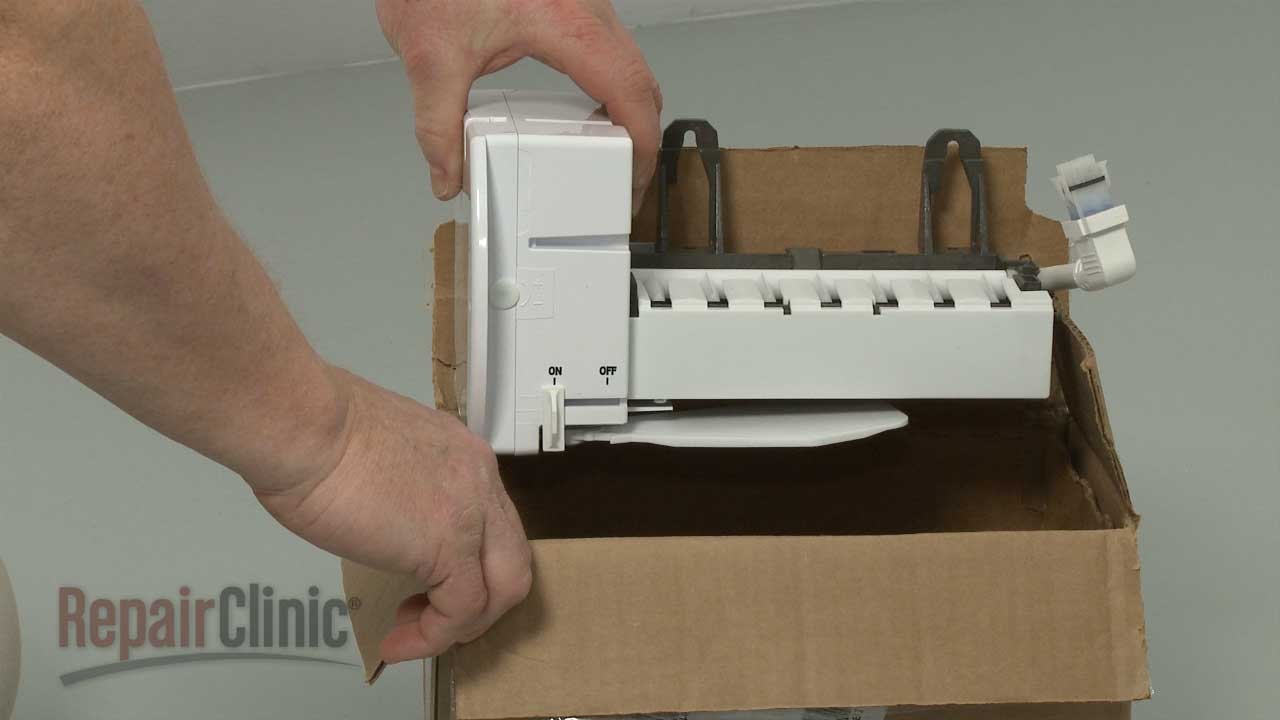
Step-by-step Troubleshooting
You don’t need to be an expert to fix most GE ice maker problems. Follow these practical steps to find the source and solution.
1. Check Power And Controls
The first thing to check is whether your ice maker is getting power.
- Make sure the refrigerator or ice maker is plugged in.
- Confirm the power switch is ON. Some units have a switch above or beside the ice bin.
- For refrigerators, check if “Ice Maker” is enabled on the control panel.
If the unit is not powering on, try plugging in another device to confirm the outlet is working. Also, check your home’s circuit breaker.
2. Inspect The Water Supply
Ice makers depend on a steady supply of water. Problems here are very common.
- Ensure the water line behind the fridge is connected and not kinked or pinched.
- The water valve (usually behind the fridge) must be open.
- Replace or clean the water filter if it’s more than 6 months old or clogged.
A blocked or frozen water line can also stop ice production. To check, disconnect the line and see if water flows freely.
3. Examine The Ice Maker Arm
Many GE models use a control arm to sense when the bin is full. If this arm is stuck in the “up” (off) position, ice production stops.
- Gently lower the arm to the “down” (on) position.
- Remove any ice cubes blocking the arm.
If the arm feels loose or broken, it may need replacement.
4. Test The Temperature
Ice makers need a cold environment to work. If your freezer is too warm, ice won’t form.
- Freezer temperature should be between 0°F and 5°F (-18°C to -15°C).
- Use a thermometer to check. Adjust the control if needed.
A too-warm freezer can be caused by a faulty door seal, dirty condenser coils, or overfilled shelves blocking airflow.
5. Look For Ice Jams
Sometimes, ice gets stuck in the mold or the ejection arm. This is easy to fix.
- Turn off the ice maker.
- Carefully remove any jammed ice with a plastic utensil. Avoid metal tools—they can damage parts.
- Restart the unit and see if it resumes making ice.
6. Listen For Noises
Unusual sounds can give clues to the problem:
- Clicking: May indicate a stuck motor or arm.
- Buzzing: Often means the water valve is trying to open but isn’t getting water.
- Grinding: Could signal a broken gear or motor.
Not all noises mean a problem, but sudden new sounds are worth investigating.
When To Replace Parts
If basic checks don’t solve the issue, a part may be faulty. The most common parts to fail are:
- Water inlet valve
- Ice maker motor
- Thermostat
- Control module
Below is a quick comparison of symptoms and possible part failures:
| Symptom | Likely Cause | Part to Check |
|---|---|---|
| No ice at all | No water flow or power | Water valve, control board |
| Small or hollow cubes | Low water pressure | Water filter, valve |
| Leaking | Cracked mold or bad valve | Ice mold, water valve |
| Ice jam | Mechanical failure | Motor, ejector arm |
Replacement parts are available online or from appliance stores. Always use GE-approved parts for best results.
How To Reset A Ge Ice Maker
Sometimes, a simple reset can restore your ice maker. Different models have different methods, but these are the most common:
- Remove the ice bin.
- Turn the ice maker off (using the switch or arm).
- Wait 1–2 minutes.
- Turn it back on.
- Replace the ice bin.
Some newer GE models have a reset button under the ice maker cover. Press and hold for 10 seconds. You should hear a chime or see a light flash.
If you’re unsure, check your user manual for model-specific steps. Resetting often solves temporary glitches.
Cleaning And Maintenance Tips
Regular cleaning and simple maintenance can prevent most ice maker problems. Here’s how to keep yours running well:
- Clean the ice bin and mold every 2–3 months. Use warm water and mild soap.
- Replace the water filter every 6 months.
- Wipe the door seals and check for cracks.
- Inspect the water line for leaks or buildup.
- Defrost the freezer if ice builds up inside.
Below is a maintenance frequency guide for common tasks:
| Task | How Often |
|---|---|
| Clean ice bin | Every 2–3 months |
| Replace water filter | Every 6 months |
| Check water line | Every 6 months |
| Inspect door seals | Every 3 months |
Don’t forget to run a “test batch” of ice after cleaning. Throw away the first few cycles—they may taste odd.
Common Mistakes To Avoid
Even with the best intentions, some actions can make ice maker problems worse. Here are mistakes to avoid:
- Forcing the control arm up or down—can break the mechanism.
- Using sharp objects to clear ice—can puncture or crack the mold.
- Ignoring old filters—reduces ice quality and can block water flow.
- Overfilling the freezer—restricts airflow, making ice slower to freeze.
- Delaying repairs—small problems can become big ones fast.
A non-obvious tip: If your ice maker is unused for long periods, turn it off and empty the bin. This prevents stale, clumped ice and mold growth.
When To Call A Professional
Some issues are too complex or risky for DIY repair. Call a qualified technician if:
- The ice maker leaks water inside the refrigerator.
- You smell burning or see sparks.
- Replacing a part does not solve the problem.
- You are unsure about electrical wiring or water line repairs.
Professional service can be expensive but may save you time and further damage. Be sure to ask for a written estimate and warranty for repairs.

Real-world Example: Solving An Ice Maker Leak
Imagine you find water pooling under your GE fridge. Here’s how a typical troubleshooting session goes:
- You check the water line and find it is tightly bent behind the fridge.
- Straightening the line restores water flow, but the leak continues.
- Inspecting inside, you discover the ice maker’s fill tube is cracked from old age.
- Replacing the fill tube (a $20 part) solves the leak—no need for a costly service call.
This example shows how simple checks can reveal hidden issues. Always look for both obvious and less-visible causes.
How Ge Ice Makers Compare To Other Brands
It’s helpful to see how GE ice makers perform compared to other popular brands. Here’s a quick comparison of three leading brands:
| Feature | GE | Whirlpool | Samsung |
|---|---|---|---|
| Reliability | High | High | Medium |
| Ease of Repair | Easy | Medium | Hard |
| Parts Availability | Excellent | Good | Medium |
| Customer Support | Good | Good | Fair |
GE models are known for their reliability and easy access to replacement parts. This makes them a good choice for homeowners who want to do their own maintenance.

Frequently Asked Questions
Why Is My Ge Ice Maker Not Making Ice?
The most common reasons are no water supply, the unit is turned off, or the freezer is too warm. Check the water line, power switch, and freezer temperature first.
How Do I Reset My Ge Ice Maker?
Turn off the ice maker, wait a minute, then turn it back on. Some models have a reset button—press and hold for 10 seconds. Check your manual for details.
How Often Should I Replace My Ice Maker’s Water Filter?
Replace the water filter every 6 months, or sooner if you notice smaller cubes or bad taste. Using old filters can reduce ice quality and cause clogs.
Why Does My Ice Taste Or Smell Bad?
This usually means the water filter is old or your water supply has minerals or odors. Clean the bin and replace the filter. If the problem continues, check your home’s water quality.
Where Can I Find Official Ge Ice Maker Parts?
Buy parts from GE’s official website, major appliance stores, or trusted online retailers. For more details, visit the GE Appliances Parts page.
A GE ice maker can make life easier, but only if it’s working well. With the right troubleshooting steps, you can fix most problems yourself and keep your ice supply steady. Remember to perform regular maintenance, avoid common mistakes, and don’t hesitate to call for help when needed. With this guide, you’re ready to tackle any ice maker issue with confidence.

